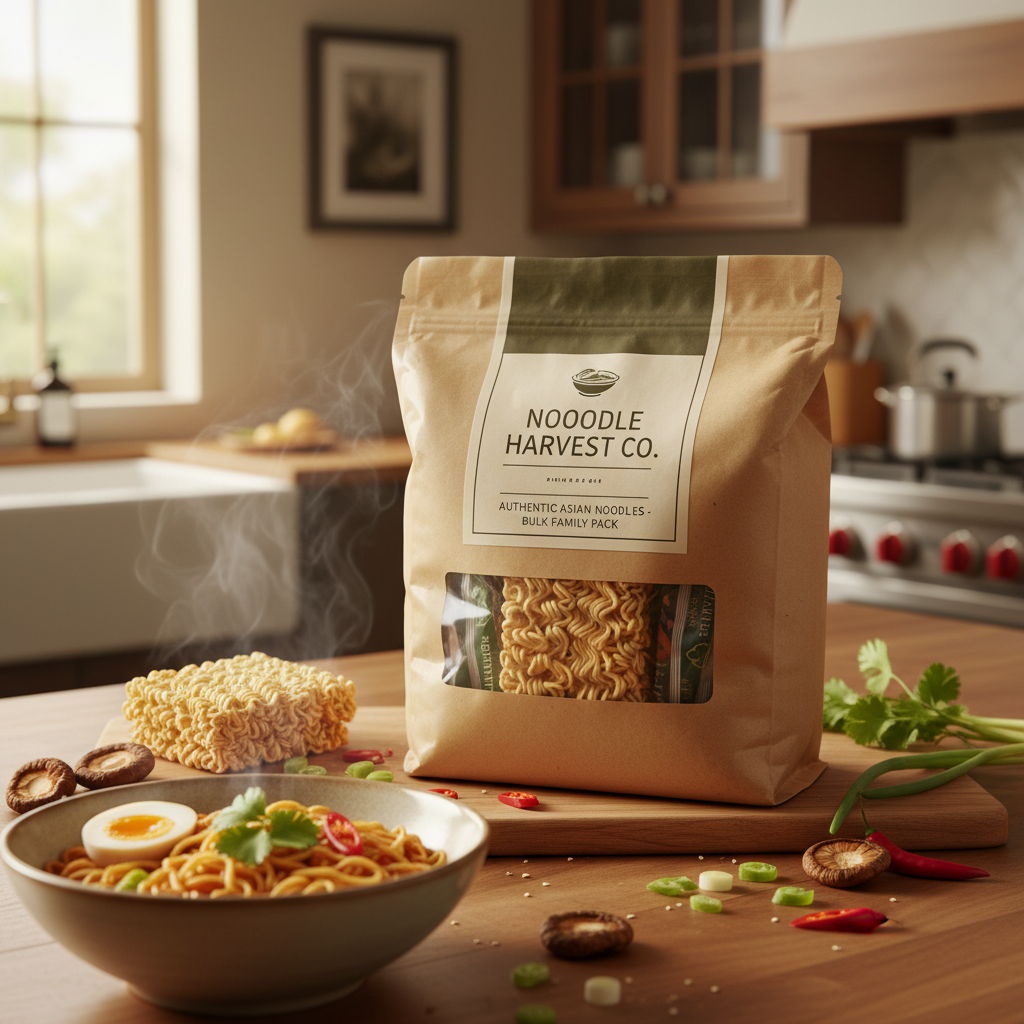
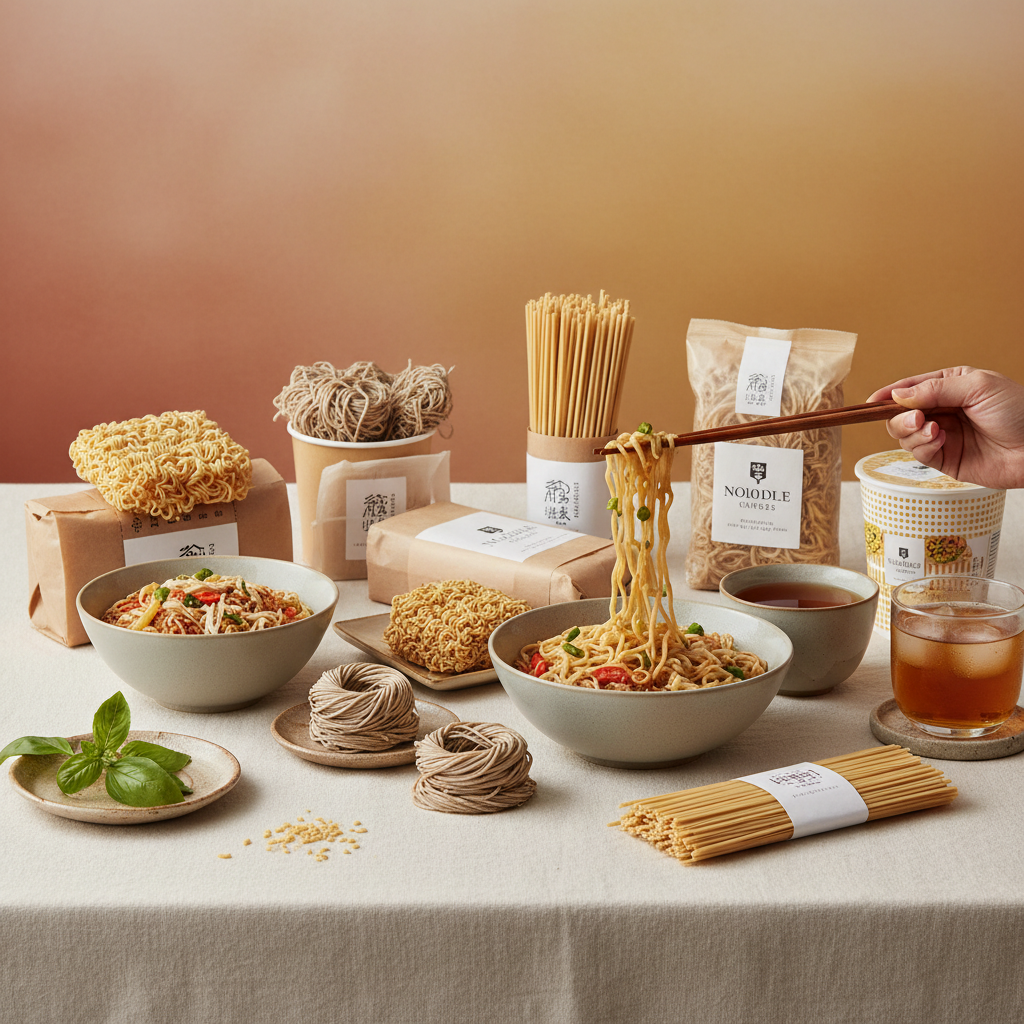
Japanese instant noodles, a global culinary staple, have evolved from a post-war food security measure to a multi-billion dollar industry. Their convenience, affordability, and long shelf life have made them a popular choice for consumers worldwide. Understanding the intricacies of japanese instant noodles – from production methods to cultural impacts – is crucial for businesses looking to capitalize on this ever-growing market.
The popularity of japanese instant noodles stems from its ability to provide a quick and satisfying meal, particularly in fast-paced modern lifestyles. Demand is high across diverse demographics, and regional variations in flavor and ingredients cater to local tastes. The industry faces challenges related to sustainability and health concerns, prompting innovation in ingredient sourcing and nutritional content.
From humble beginnings in Japan to becoming a ubiquitous food product, japanese instant noodles have undeniably reshaped global eating habits. They represent a unique intersection of food technology, cultural adaptation, and consumer demand, presenting compelling opportunities for continued growth and improvement within the food manufacturing landscape.
The Global Impact of japanese instant noodles
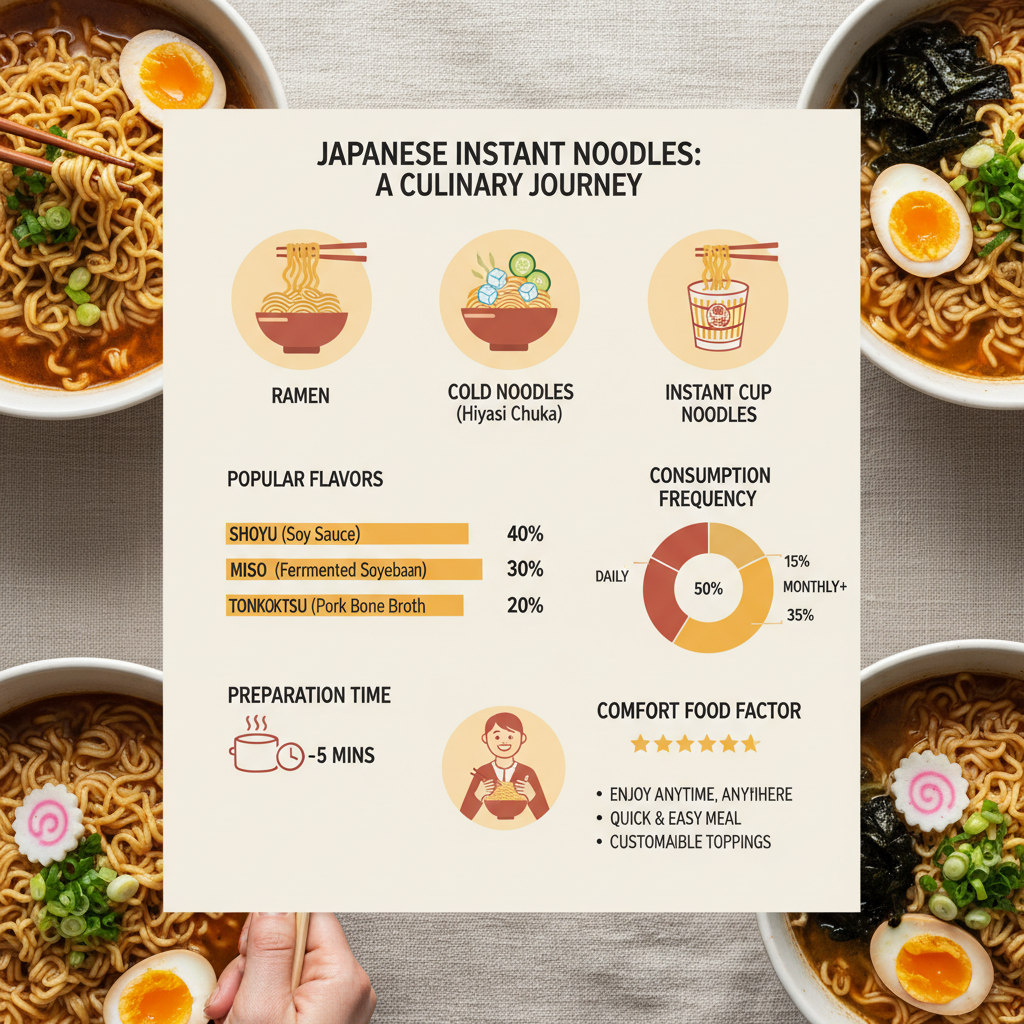
The global japanese instant noodles market is substantial, valued at over $42 billion in 2023 and projected to continue growing. Asia dominates consumption, but markets in North America and Europe are also expanding as consumers seek convenient and affordable meal options. This widespread adoption is fueled by urbanization, changing lifestyles, and the increasing demand for convenient food solutions.
Factors like economic stability, population growth, and consumer preferences influence regional demand. Understanding these dynamics is crucial for manufacturers aiming to penetrate new markets. For instance, the rise of single-person households contributes to the demand for smaller portion sizes of japanese instant noodles, while the growing health-conscious consumer base drives demand for healthier options like low-sodium and whole-wheat varieties.
Defining japanese instant noodles: A Culinary and Industrial Perspective
Japanese instant noodles are essentially pre-cooked noodles – typically wheat-based – that have been dehydrated and fried or air-dried. They are packaged with seasoning packets, often containing flavor enhancers and dehydrated ingredients to recreate a flavorful broth. The process was pioneered by Momofuku Ando in 1958, revolutionizing the food industry.
Industrially, japanese instant noodles represent a remarkable feat of food processing. It requires precise control of hydration levels, frying temperatures, and packaging techniques to ensure product quality, shelf life, and consistent flavor. The production process also involves significant investment in research and development to improve noodle texture, seasoning profiles, and packaging materials.
Beyond its convenience, japanese instant noodles embody a symbol of food accessibility, particularly in regions facing food insecurity or disaster situations. Its long shelf life and minimal preparation requirements make it a valuable resource in emergency relief efforts and challenging environments.
Key Components of Superior japanese instant noodles
The quality of japanese instant noodles hinges on several key components. First, the noodle itself: the wheat flour used, the hydration level, and the frying or air-drying process all impact texture and flavor. Second, the seasoning packet is critical; a well-balanced blend of spices, flavor enhancers, and dehydrated ingredients is essential for a satisfying taste.
Another crucial aspect is packaging. Moisture and oxygen barrier properties are paramount to maintaining product freshness and extending shelf life. Finally, innovation in manufacturing techniques, such as optimizing drying times and controlling noodle density, contribute to a superior product.
Ingredient sourcing plays a significant role. High-quality wheat, natural flavorings, and responsibly sourced ingredients enhance the overall consumer experience. The use of organic or non-GMO ingredients also caters to a growing segment of health-conscious consumers. Sustainable packaging solutions are becoming increasingly important as brands respond to environmental concerns.
Efficient logistics and distribution networks are also essential. Ensuring products reach consumers quickly and in optimal condition is crucial for maintaining brand reputation and customer satisfaction. Furthermore, robust quality control measures throughout the entire supply chain are paramount for guaranteeing product safety and consistency.
Global Applications of japanese instant noodles
Beyond personal consumption, japanese instant noodles play a vital role in various sectors. In humanitarian aid, they are frequently included in disaster relief packages due to their long shelf life and ease of preparation. They are also utilized in military rations for their portability and nutritional value.
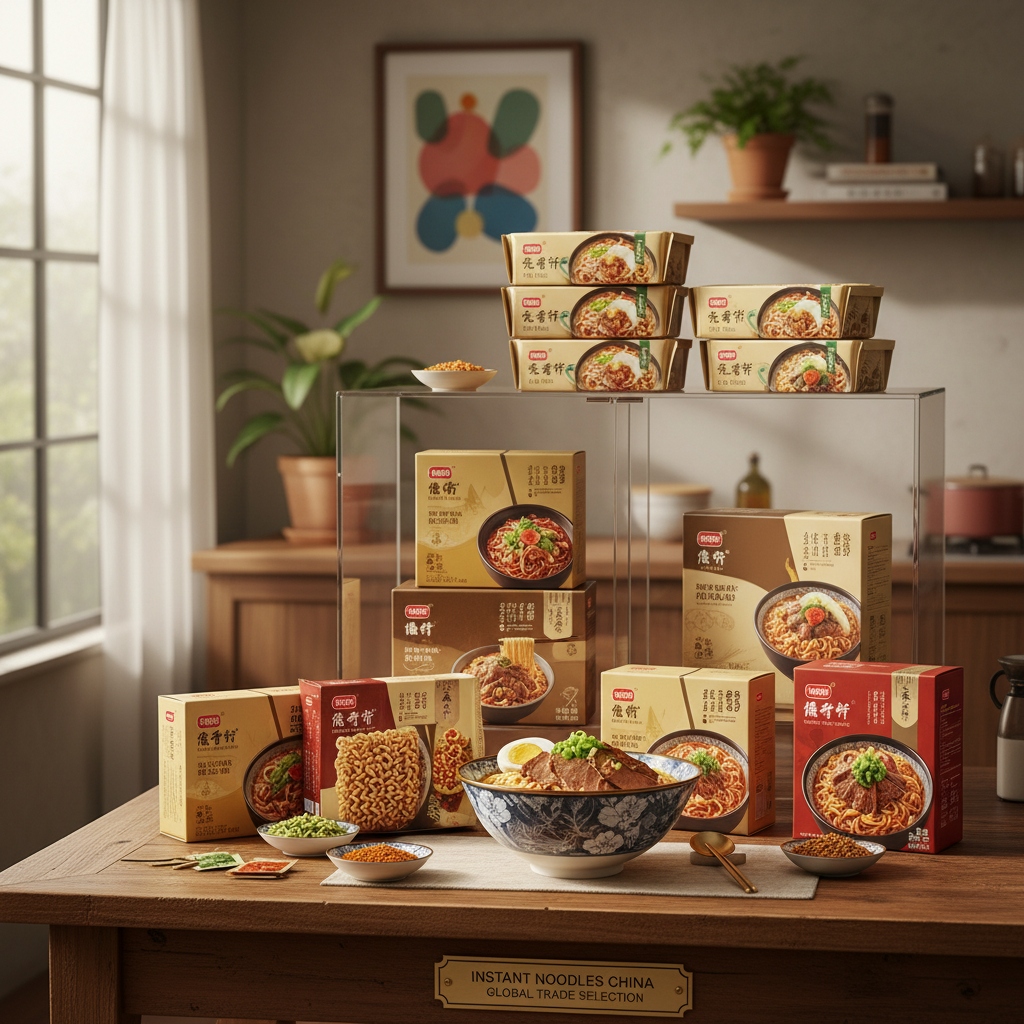
The foodservice industry uses japanese instant noodles as a base for quick-service restaurant meals, street food, and catering events. They are adaptable to a variety of cuisines and can be customized with different toppings and sauces. Educational institutions, such as schools and universities, often offer them as an affordable and convenient meal option.
Regional Preference for japanese instant noodles Flavors
Advantages and Long-Term Value Proposition
The core advantage of japanese instant noodles lies in its exceptional cost-effectiveness. It provides a substantial meal at a low price point, making it accessible to a wide range of consumers. The convenience factor – minimal cooking time and no specialized equipment needed – is another key driver of its popularity.
From a sustainability standpoint, innovations in packaging – utilizing recyclable or biodegradable materials – are enhancing the environmental profile of the product. Continuous improvements in manufacturing processes are also reducing waste and energy consumption, strengthening the long-term viability of the japanese instant noodles industry.
Future Trends and Innovation in japanese instant noodles
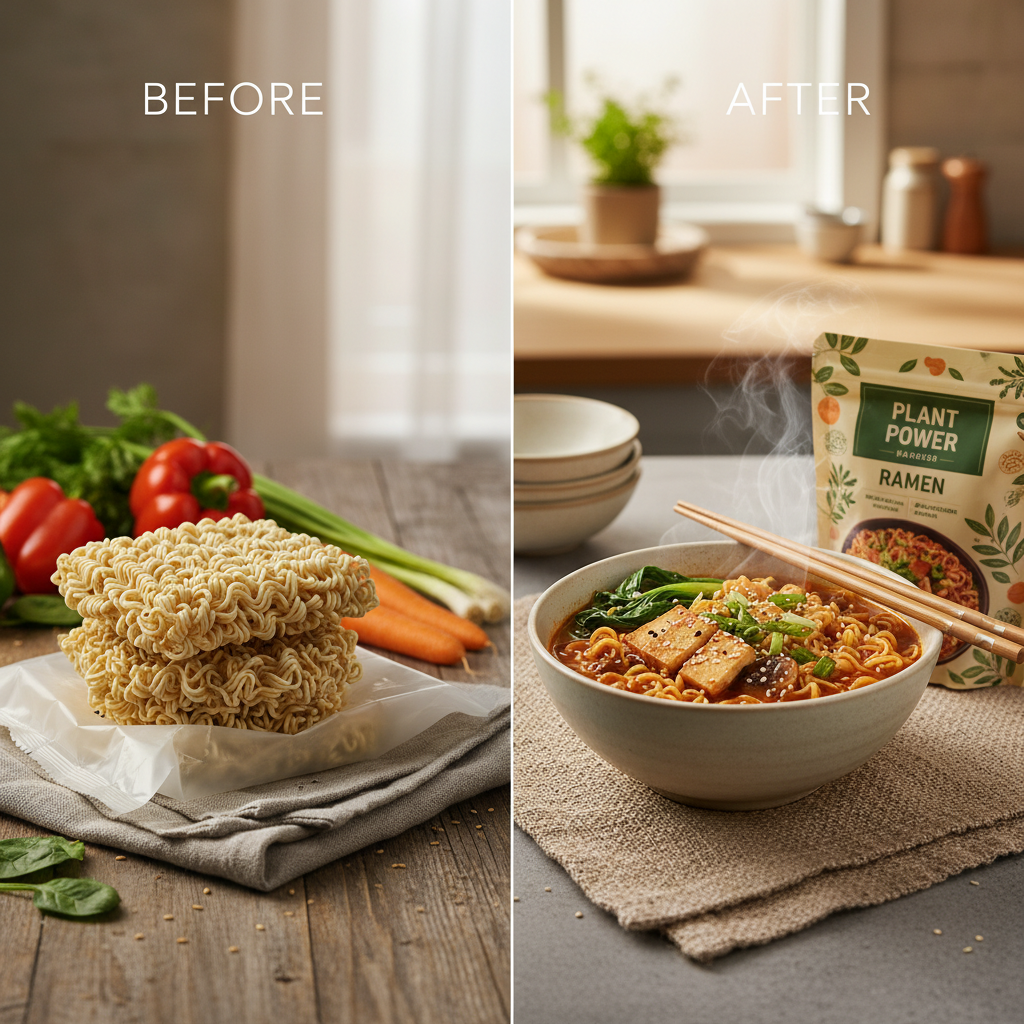
The future of japanese instant noodles will be shaped by evolving consumer preferences and technological advancements. We can expect to see a greater emphasis on healthier options, including low-sodium, gluten-free, and plant-based varieties. Personalized flavor profiles, driven by data analytics and consumer feedback, will also become increasingly common.
Innovative packaging solutions, such as edible films or compostable containers, will further reduce the environmental impact of the product. The integration of smart packaging technologies – like QR codes providing nutritional information or cooking instructions – will enhance the consumer experience. Automation and AI-powered quality control systems will optimize manufacturing efficiency and ensure consistent product quality.
Furthermore, the exploration of alternative noodle sources, such as ancient grains or legumes, could diversify the product portfolio and cater to niche dietary needs. The use of vertical farming to locally source ingredients also presents a promising avenue for enhancing sustainability and reducing transportation costs.
Challenges and Sustainable Solutions for japanese instant noodles
Despite its success, the japanese instant noodles industry faces several challenges. Concerns about the nutritional value of traditional products – particularly their high sodium content and reliance on processed ingredients – are growing. The environmental impact of packaging waste is also a significant issue.
To address these challenges, manufacturers are investing in research and development to create healthier formulations with reduced sodium levels and improved nutritional profiles. The adoption of sustainable packaging materials, such as recycled plastics or biodegradable alternatives, is crucial for minimizing environmental impact. Promoting responsible sourcing of ingredients and reducing food waste throughout the supply chain are also essential steps.
Collaboration between industry stakeholders, researchers, and policymakers is vital for driving innovation and implementing sustainable practices. By embracing these challenges as opportunities for improvement, the japanese instant noodles industry can ensure its long-term viability and continue to provide a convenient and affordable food option for consumers worldwide.
Analysis of Key Sustainability Factors in japanese instant noodles Production
| Ingredient Sourcing |
Packaging Material |
Water Usage |
Carbon Footprint |
| Local vs. Imported Wheat |
Recycled Plastic Percentage |
Liters per Ton of Noodles |
Kg CO2e per Serving |
| Organic Certification Level |
Biodegradability Rating (1-5) |
Water Recycling Rate (%) |
Transportation Distance (km) |
| Fair Trade Practices Implemented |
Compostability Standard (EN 13432) |
Wastewater Treatment Efficiency (%) |
Energy Source (Renewable vs. Fossil) |
| Supplier Traceability Score (1-10) |
Material Weight Reduction (%) |
Water Stress Index of Source Region |
Packaging Weight (grams) |
| Pesticide Residue Levels (ppm) |
Post-Consumer Recycled Content (%) |
Rainwater Harvesting Utilization (%) |
Manufacturing Facility Energy Efficiency |
| Land Use Impact (Hectares) |
Packaging Circularity Rate (%) |
Water Source Sustainability Rating |
Waste Diversion Rate (%) |
FAQS
Japanese instant noodles, while convenient, can be high in sodium and processed carbohydrates. To mitigate this, look for lower-sodium options, supplement with fresh vegetables and protein, and consume in moderation as part of a balanced diet. The nutritional content varies significantly between brands and flavors, so checking the label is crucial.
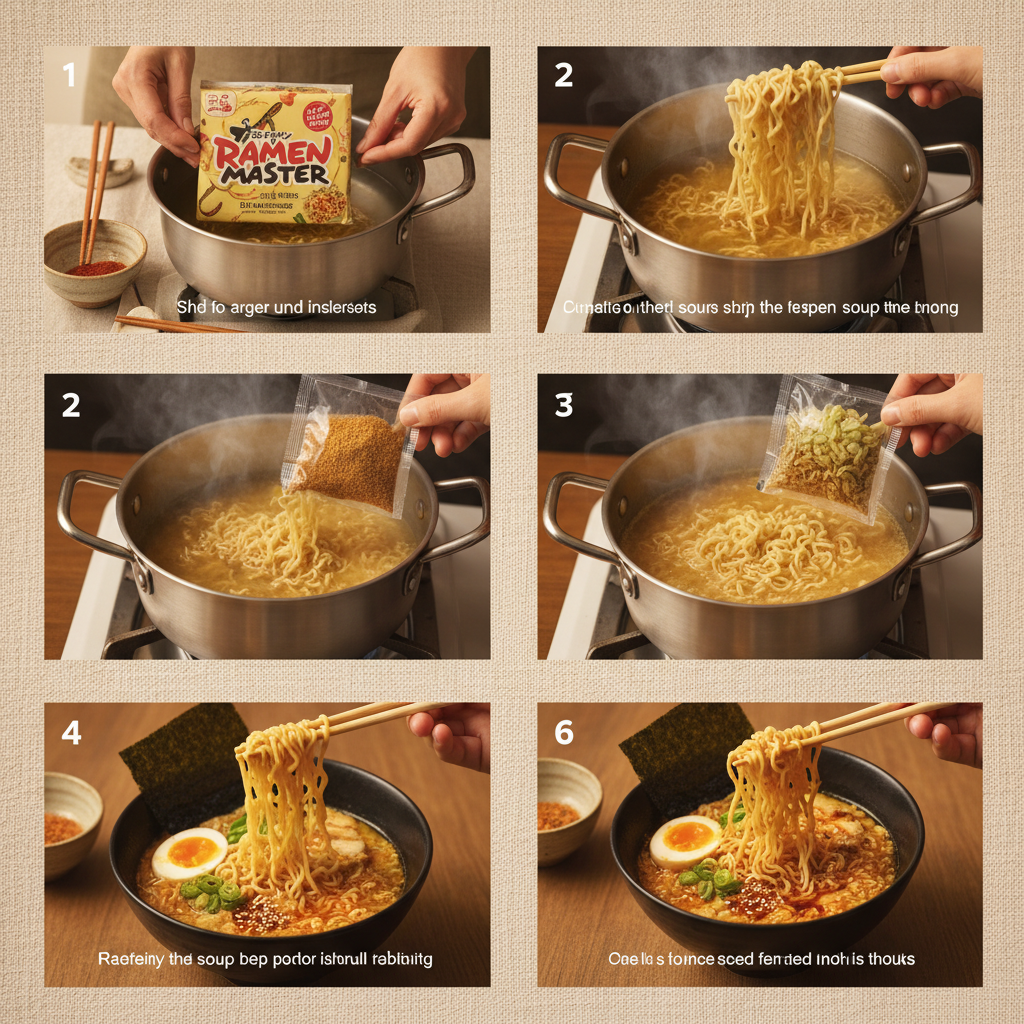
The preparation method can impact both taste and texture. Following the package instructions is generally recommended, but some prefer adjusting the water level or cooking time to achieve their desired consistency. Avoid overcooking, as this can lead to mushy noodles. Adding fresh ingredients during or after cooking can significantly enhance the overall flavor and nutritional value.
Increasingly, manufacturers are exploring sustainable packaging alternatives. Options include using recycled plastic, biodegradable materials (like plant-based plastics), and reducing overall packaging weight. Some brands are also experimenting with innovative packaging designs that minimize waste and promote recyclability. Consumers can support these efforts by choosing brands committed to sustainable packaging.
Flavor innovation is a major driver in the japanese instant noodles market. Recent trends include authentic regional cuisines (such as Korean buldak ramen), fusion flavors (combining elements from different culinary traditions), and healthier options with natural ingredients. Manufacturers are also utilizing advanced flavoring techniques to create more complex and nuanced taste experiences.
Japanese instant noodles boast a remarkably long shelf life, typically ranging from 6 to 18 months, due to the dehydration and frying/air-drying process. This is significantly longer than many fresh or refrigerated foods. Proper storage in a cool, dry place is essential for maintaining optimal quality and preventing spoilage. The sealed packaging further protects the noodles from moisture and contaminants.
Japanese instant noodles are a vital resource in food security and emergency relief efforts. Their long shelf life, ease of preparation, and affordability make them ideal for distribution in disaster-stricken areas or regions facing food shortages. They provide a quick and nutritious meal for those in need, offering a source of energy and sustenance during critical times.
Conclusion
From its origins as a solution to post-war food scarcity to its current status as a global culinary phenomenon, japanese instant noodles have demonstrated remarkable adaptability and enduring appeal. The key to its success lies in its convenience, affordability, and constant innovation. Addressing sustainability concerns and prioritizing nutritional value will be crucial for ensuring its continued growth and relevance.
Looking ahead, the japanese instant noodles industry has the potential to further enhance its positive impact through sustainable practices, healthy formulations, and continued innovation in flavor and packaging. To learn more about our range of high-quality noodles, and how we are contributing to a more sustainable future, visit our website: japanese instant noodles.