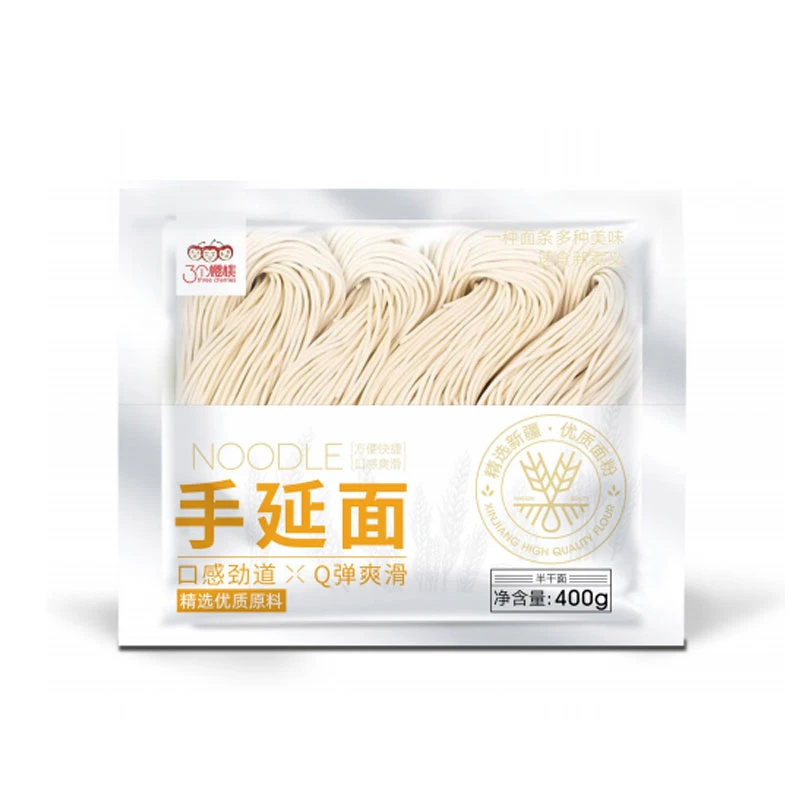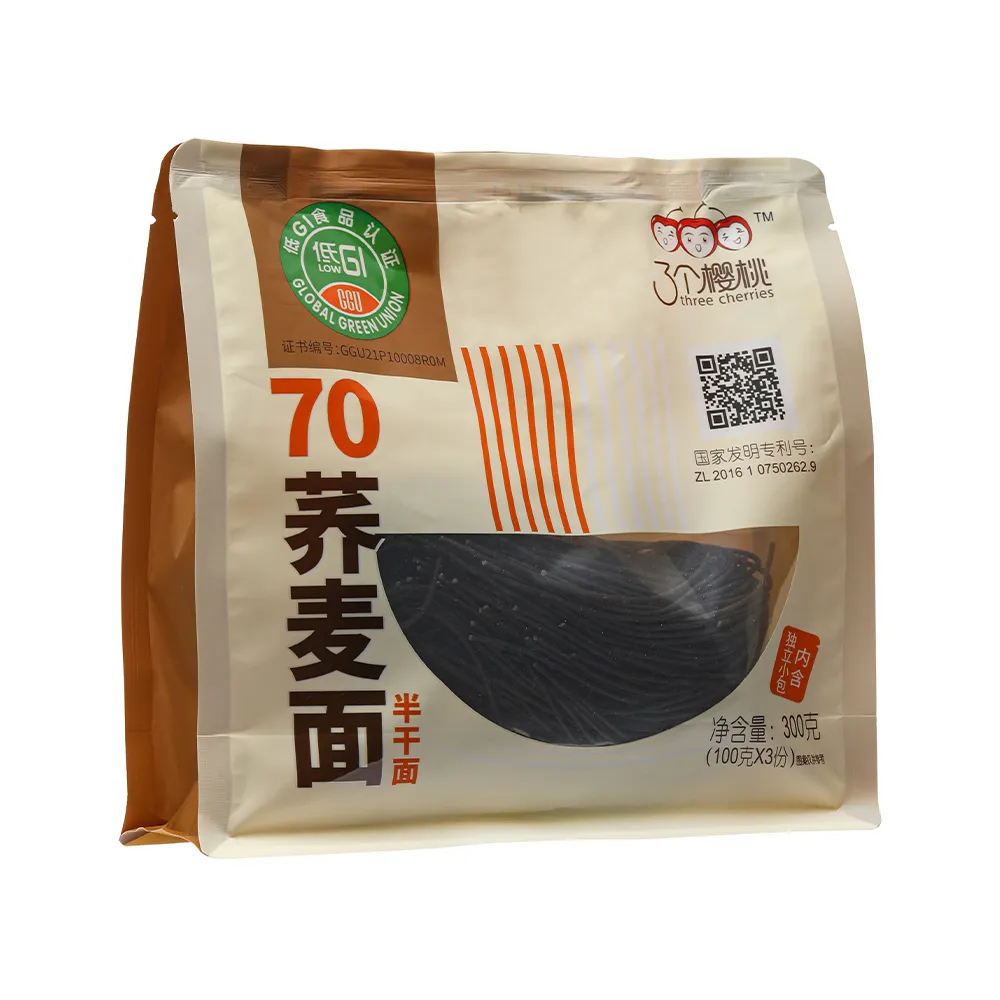

Instant Udon Ramen: Industrial Grade Quality and Vendor Insights
Instant Udon Ramen: A Brief Dive Into This Industrial-Grade Staple
Having spent more than a decade in the industrial equipment sector, I've found my perspective on seemingly simple products has evolved quite a bit. Take instant udon ramen — it might sound mundane to most folks, but behind those quick-prep noodles lies an intricate blend of material science, packaging technology, and even supply chain choreography.
Now, I don’t want to get ahead of myself here, but oddly enough, many engineers I've worked with say that instant udon ramen exemplifies what it means to optimize a product for scale without losing quality. You might wonder: what makes these noodles so ‘industrial-grade’? I suppose it starts with the raw materials.
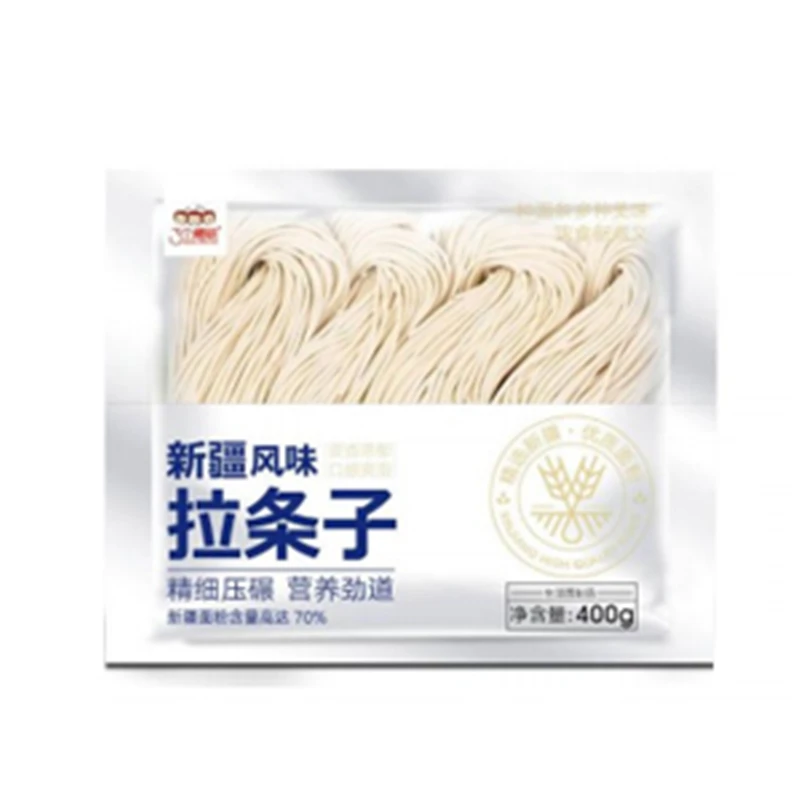
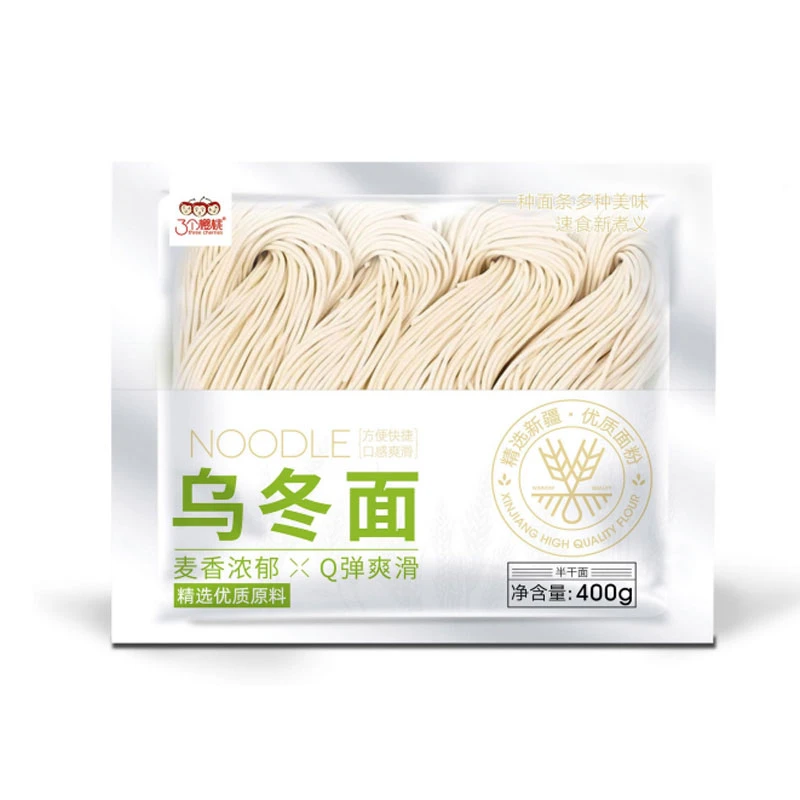
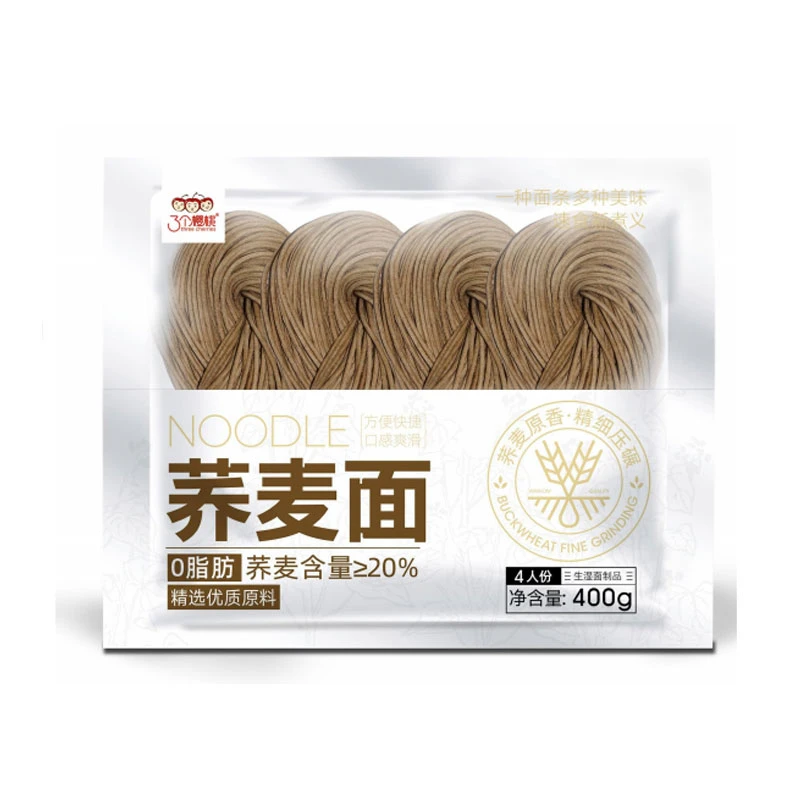
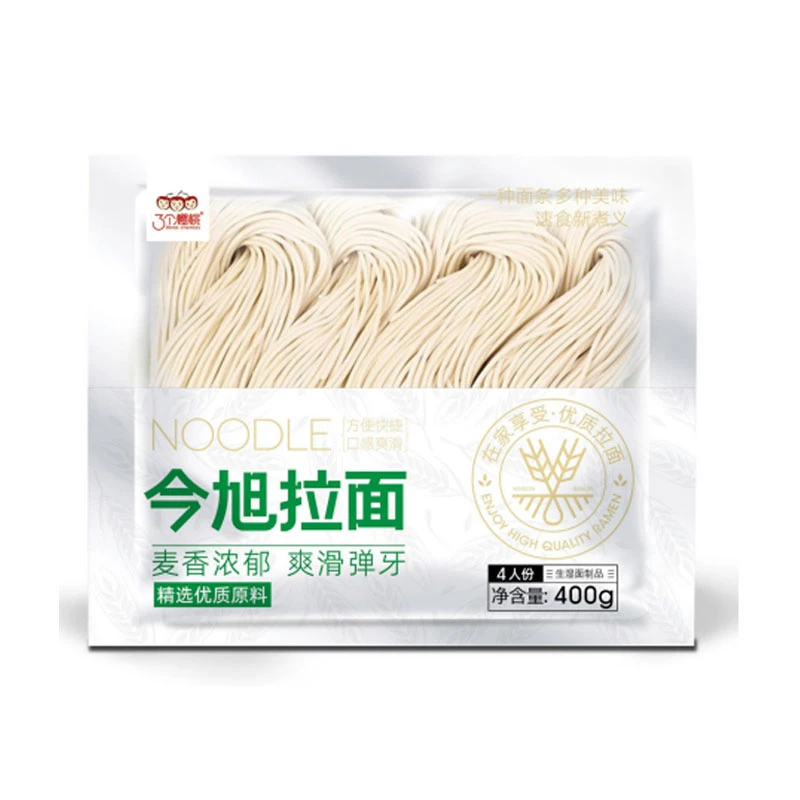
The wheat flour used is usually selected not just for taste but for strength — noodles need to hold up during drying, packaging, and shipping. The semi-dry noddle process, such as those evident in products from companies like JX Semi-Dry Noodles, carefully balances moisture content. This process ensures instant noodles retain a firm but tender texture after rehydration, which countless consumers appreciate.
| Feature | Specification |
|---|---|
| Noodle Type | Semi-Dry Udon |
| Moisture Content | 18%-22% |
| Packaging | Vacuum-sealed pouches |
| Cooking Time | 3-4 minutes |
| Shelf Life | 6-9 months (ambient) |
In real terms, the balancing act of moisture and drying might seem trivial until you consider the complexity underneath. Too dry and noodles become brittle; too moist, and shelf life suffers. Achieving that Goldilocks zone and securing vacuum packaging requires solid engineering know-how.
Then there's testing. Quality assurance labs run rigorous tests for tensile strength, texture after cooking, and microbial safety — factors that frankly can’t be overlooked if you want to keep millions happy worldwide.
| Feature | JX Semi-Dry Noodles | Competitor A | Competitor B |
|---|---|---|---|
| Moisture Control | Precise (18%-22%) | Standard (20%-25%) | Variable (18%-28%) |
| Packaging Quality | Vacuum Sealed, BPA-free | Modified Atmosphere | Standard Plastic Wrap |
| Batch Testing | Extensive QA Checks | Basic QA | Limited QA |
| Order Flexibility | Custom Batch Sizes | Fixed MOQ | Fixed MOQ |
| Lead Time | 2-3 weeks | 4-6 weeks | 3-5 weeks |
From firsthand experience, I’ve noticed that working with vendors like JX Semi-Dry Noodles can make all the difference when quality and consistency matter. Just last year, one of my clients required noodles with very specific moisture levels to fit a new soup line. The flexibility offered by JX was instrumental—producing custom batches without compromising texture or shelf life.
Of course, it’s not all sunshine and rainbows. The sector isn’t immune to supply chain hiccups caused by wheat shortages or packaging material delays. But that’s part of what keeps this industry dynamic and always pushing for improvements.
In closing, while instant udon ramen might seem straightforward on the surface, it’s really a product that reflects years of continuous refinement. If you’re curious about sourcing or just love noodles that cook up right every time, it’s worth paying attention to the tech—and the vendors—behind the product.
On a personal note, sometimes after a tough day on the factory floor or in the field, a bowl of good instant udon ramen really hits the spot—and it feels better knowing the engineering behind it is solid.
References:
- Industry Quality Control Reports, JX Semi-Dry Noodles, 2023
- "Semi-Dry Noodle Technologies & Applications," Food Engineering Journal, 2022
- Customer Feedback and Supply Chain Reviews – Field Notes, 2021-2023
-
Discover the Refreshing Taste of Authentic Korean Cold SobaNewsApr.09,2026
-
Discover the Refreshing Taste of Korean Cold Buckwheat Noodles NaengmyeonNewsApr.07,2026
-
Discover the Cool and Refreshing World of Korean Buckwheat Noodles ColdNewsApr.04,2026
-
Discover the Refreshing Taste of Japanese Cold Buckwheat Noodles and Zaru SobaNewsMar.31,2026
-
Exploring the Delicious World of Chinese Style Cold NoodlesNewsMar.28,2026
-
Discover the Cool and Refreshing World of Korean Cold Soba NoodlesNewsMar.26,2026
-
Discover the Refreshing World of Japanese Cold Soba Noodle CuisineNewsMar.24,2026
Browse qua the following product new the we