
Can I Use Soba Noodles for Ramen Exploring Flavor and Texture Differences
Can I Use Soba Noodles for Ramen? A Culinary Exploration
Ramen, the beloved noodle soup, is defined by its unique wheat noodles. But what happens if you're out of ramen noodles and have a package of soba noodles on hand? Jx Semi-dry Noodles specializes in providing authentic Asian noodles, and we're here to break down whether soba can be a substitute for ramen, discussing their differences, how they impact the final dish, and what to expect if you make the switch. We’ll cover everything you need to know to make an informed decision for your next ramen craving.
Understanding the Key Differences: Ramen vs. Soba Noodles
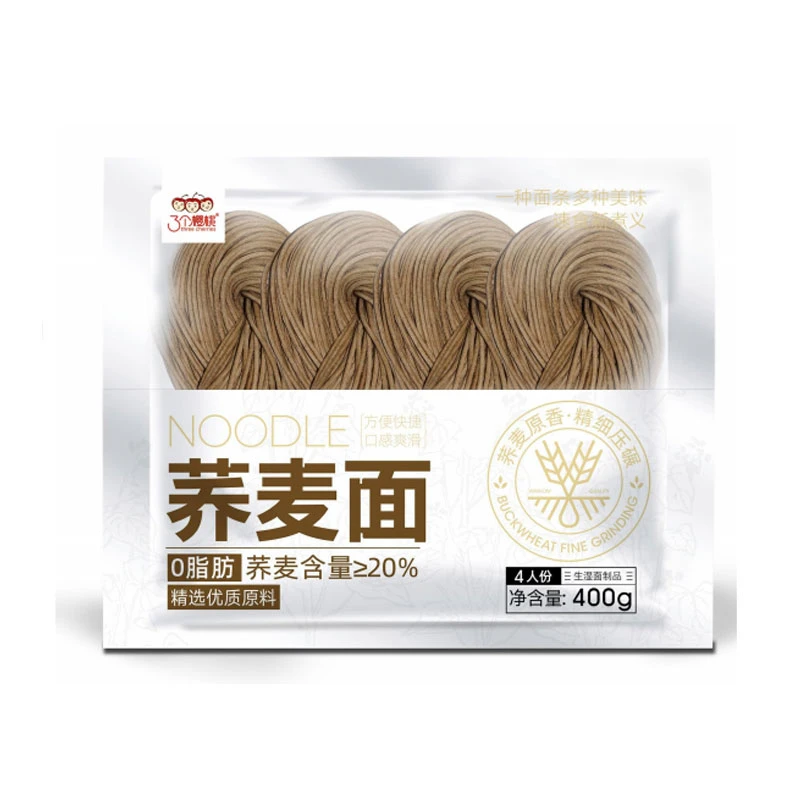
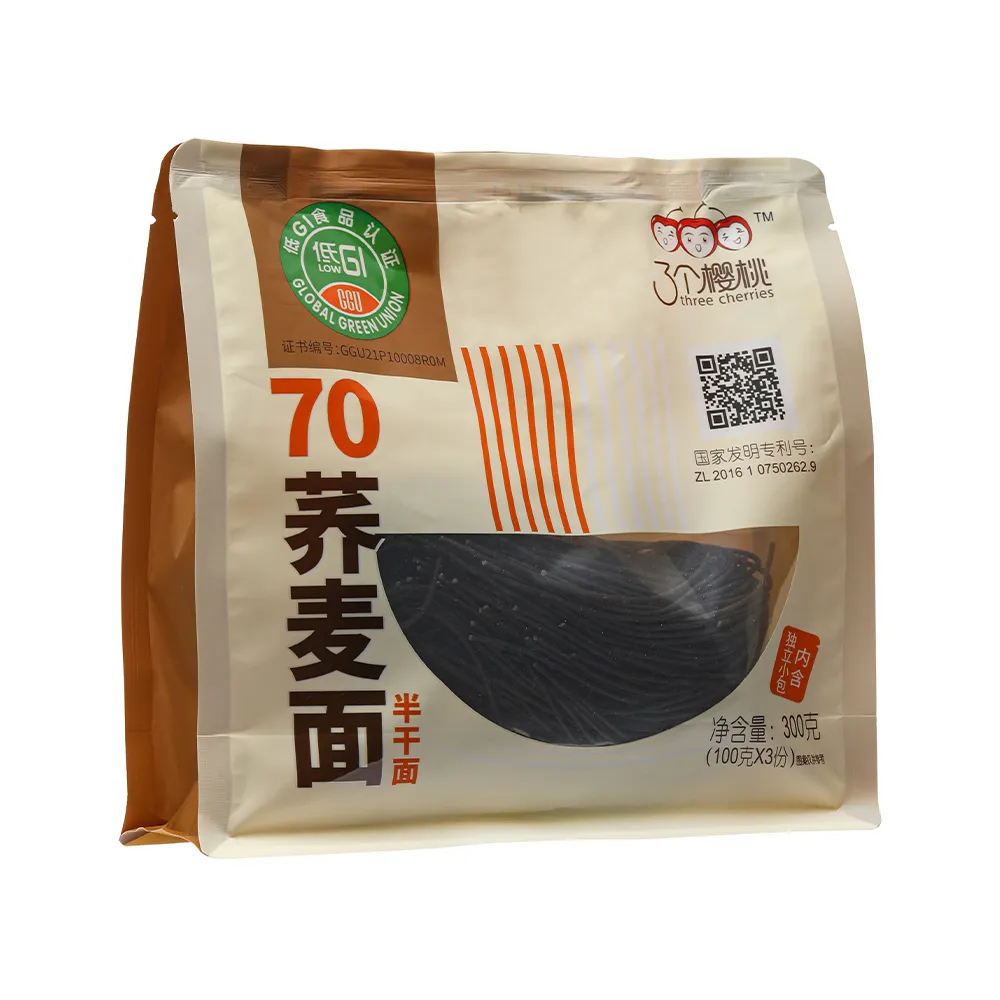
The primary difference lies in the ingredients. Ramen noodles are made from wheat flour, water, salt, and kansui, an alkaline solution that gives them their signature springy texture and yellow color. Soba noodles, on the other hand, are traditionally made from buckwheat flour and water. This fundamental difference affects their texture, flavor, and how they interact with ramen broth. While both are delicious noodles in their own right, they offer distinctly different experiences. Using soba noodles will alter the overall flavor and texture profile of your ramen, but it doesn’t necessarily make it a bad substitution – it just makes it different. You can explore our range of authentic Asian noodles for a truly authentic ramen experience.
Key Takeaway: Soba noodles are made from buckwheat, giving them an earthier flavor and softer texture compared to the wheat-based, springy ramen noodles.
Will Soba Noodles Work in Ramen? Texture and Flavor Impact
Soba noodles tend to be softer and have a more delicate texture than ramen. They absorb broth quickly, which can lead to them becoming mushy if overcooked. The buckwheat flavor is also more pronounced, which can either complement or clash with the flavors of your ramen broth, depending on your preference. For a lighter, more subtle ramen experience, soba can work surprisingly well. However, if you're aiming for the classic, hearty ramen texture and flavor, soba might fall short. Consider using a lower-sodium broth if using soba, as the buckwheat can sometimes enhance the perception of saltiness. Our selection at Jx Semi-dry Noodles offers a variety of ramen noodle types to ensure a perfect match for your preferred broth.
Soba in Ramen: Pros & Cons
• Pros: Softer texture, unique buckwheat flavor, readily available in many kitchens.
• Cons: Absorbs broth quickly, can become mushy, flavor may clash with certain broths.
Soba Noodles for Ramen: A Side-by-Side Comparison
To better visualize the differences, here's a comparison table outlining the key characteristics of ramen and soba noodles:
Tips for Using Soba Noodles in Ramen
If you decide to use soba noodles, here are some tips to maximize your results: Cook them separately from the broth to avoid making the broth cloudy. Don't overcook them – aim for al dente. Consider using a lighter broth, such as a shio (salt-based) ramen, to complement the buckwheat flavor. And most importantly, adjust your expectations – it won’t be exactly like traditional ramen, but it can still be a tasty and satisfying meal! We at Jx Semi-dry Noodles always recommend using the right noodle for the job, but we understand improvisation is sometimes necessary.
Final Thoughts: Authenticity vs. Convenience
While soba noodles can be used in ramen, they are not a direct substitute. They offer a different flavor and texture profile, which may or may not appeal to your palate. If you're looking for an authentic ramen experience, sticking with proper ramen noodles is always the best choice. For the highest quality and most authentic ramen noodles, explore the extensive selection available at Jx Semi-dry Noodles. We’re passionate about providing you with the best ingredients for your culinary adventures!
Conclusion
Ultimately, the decision of whether to use soba noodles in ramen comes down to personal preference and availability. Experiment, taste, and discover what works best for you. But when it comes to authentic flavor and texture, Jx Semi-dry Noodles is your trusted source for the perfect ramen experience.
Frequently Asked Questions (FAQs)
Can I use hot or cold soba noodles in ramen?
It's best to use freshly cooked soba noodles for ramen. Cold soba noodles may stick together and not absorb the broth as well. If you’re using pre-cooked soba, quickly rinse them under warm water to loosen them before adding them to your ramen. The temperature difference can also affect how quickly they absorb the broth, potentially leading to a mushy texture. Ensuring the soba noodles are at the right temperature and consistency will greatly improve the final result, even if they aren’t a perfect ramen noodle substitute.
What type of ramen broth pairs best with soba noodles?
Lighter broths, like shio (salt-based) or a clear chicken broth, generally complement the earthy flavor of soba noodles better than richer, heavier broths like tonkotsu (pork bone broth). The delicate flavor of the soba can easily be overwhelmed by a strong broth. A shoyu (soy sauce) based broth can also work, but use a lighter hand with the soy sauce to avoid overpowering the buckwheat flavor. Experimentation is key! You can find the perfect ramen noodle to compliment your broth on our website.
Can I add kansui to soba noodles to make them more like ramen?
While you can try to add kansui to soba noodles, the results are unlikely to be satisfactory. Ramen noodles are formulated specifically to react with kansui, creating that distinctive texture and flavor. Adding kansui to soba noodles won't replicate this effect and may even negatively impact the texture. It’s far better to start with the right noodle for the dish. Jx Semi-dry Noodles offers a range of authentic ramen noodles to ensure you achieve the perfect result.
Are there other noodle substitutions for ramen besides soba?
Udon noodles can be another alternative, offering a thicker, chewier texture. However, like soba, they will alter the overall ramen experience. Spaghetti is often suggested, but its flavor and texture are significantly different from ramen and soba, making it a less desirable substitute. Ultimately, while substitutions can work in a pinch, using proper ramen noodles will always yield the best results. Consider exploring the diverse noodle options available at Jx Semi-dry Noodles to find your perfect match.
-
Discover the Authentic Taste of Korean Buckwheat NoodlesNewsApr.16,2026
-
Discover the Refreshing Taste of Authentic Korean Cold SobaNewsApr.09,2026
-
Discover the Refreshing Taste of Korean Cold Buckwheat Noodles NaengmyeonNewsApr.07,2026
-
Discover the Cool and Refreshing World of Korean Buckwheat Noodles ColdNewsApr.04,2026
-
Discover the Refreshing Taste of Japanese Cold Buckwheat Noodles and Zaru SobaNewsMar.31,2026
-
Exploring the Delicious World of Chinese Style Cold NoodlesNewsMar.28,2026
-
Discover the Cool and Refreshing World of Korean Cold Soba NoodlesNewsMar.26,2026
Browse qua the following product new the we