Look, let me tell you, the construction scene is changing fast. Everyone's talking about prefabrication now, right? Modular stuff, building components made off-site…it’s the only way to get things done quickly these days, especially with labor costs what they are. And frankly, it’s not just about speed, it's about quality control. You can do a much better job in a factory than you can trying to weld things together in the pouring rain.
The demand for readily available, reliable food sources for workers on these sites? It’s huge. Forget fancy lunches, guys want something quick, easy, and that doesn’t require a ton of cleanup. That’s where bulk instant noodles come into play. It's a small thing, but keeping guys fed and happy makes a real difference in productivity.
And, surprisingly, it’s not just construction. I was talking to a guy at a disaster relief expo last month, and he was saying the same thing – having a shelf-stable, easily transportable food source is absolutely critical in those situations. They’re constantly looking for solutions that don't require cooking facilities, or a lot of water. The logistical nightmare of getting fresh food to remote areas is… well, it’s a nightmare.
The Current Landscape of Bulk Instant Noodles
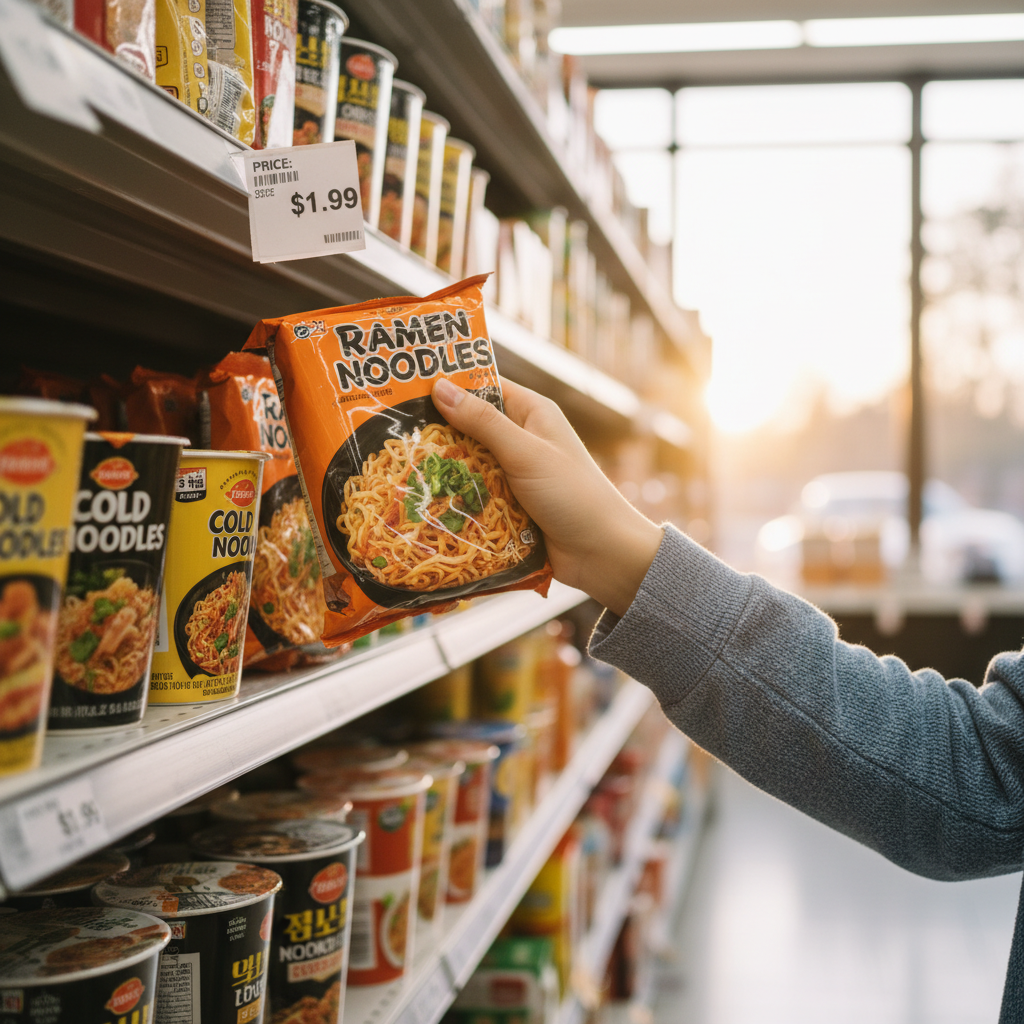
To be honest, the market's exploded in the last couple of years. It used to be the really cheap stuff, you know, the kind you find in dollar stores. But now you're seeing more and more companies focusing on quality ingredients, better flavors…even organic options. It’s not just about filling stomachs anymore; it’s about providing a reasonably decent meal when options are limited.
Have you noticed how much demand there is from the aid organizations? It's massive. They’re not just buying it for disaster relief, they’re using it in refugee camps, for feeding programs… anywhere they need to get calories to people quickly and efficiently. They’re surprisingly picky, though. They want low sodium, minimal preservatives… the whole nine yards. They'll test it to death, too. I encountered this at a supplier's factory last time, they were auditing the whole process!
Design Pitfalls and the Importance of Packaging
Strangely, packaging is the biggest headache. You think it’s simple – noodles in a box, right? Wrong. You need something that can withstand rough handling, extreme temperatures, and potential water damage. I’ve seen cases where the cardboard completely disintegrated in transit. And if the inner packaging isn't airtight, the noodles get stale and lose their flavor. That’s a deal-breaker.
People underestimate the importance of portion control, too. Individual serving sizes are key. You don’t want guys wasting a bunch of noodles, or worse, not having enough. And the opening mechanism… it needs to be easy to tear open, even with gloves on. I saw a worker nearly slice his thumb open trying to get into a poorly designed package. You learn from those things. And the labeling… has to be clear, multi-lingual, and durable.
The biggest mistake I see? Trying to cut corners on packaging to save a few pennies. It always backfires. A damaged shipment is way more expensive than a slightly better box.
Materials and Sensory Experience
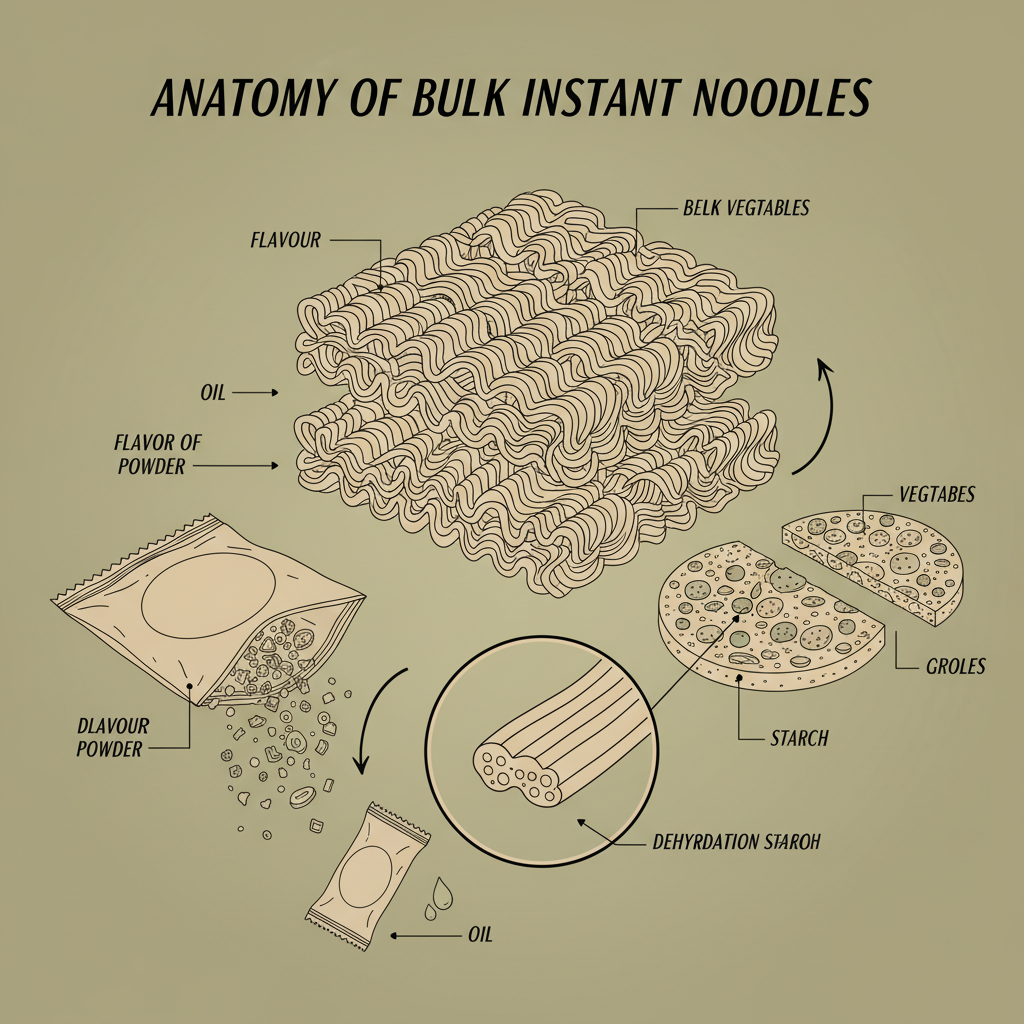
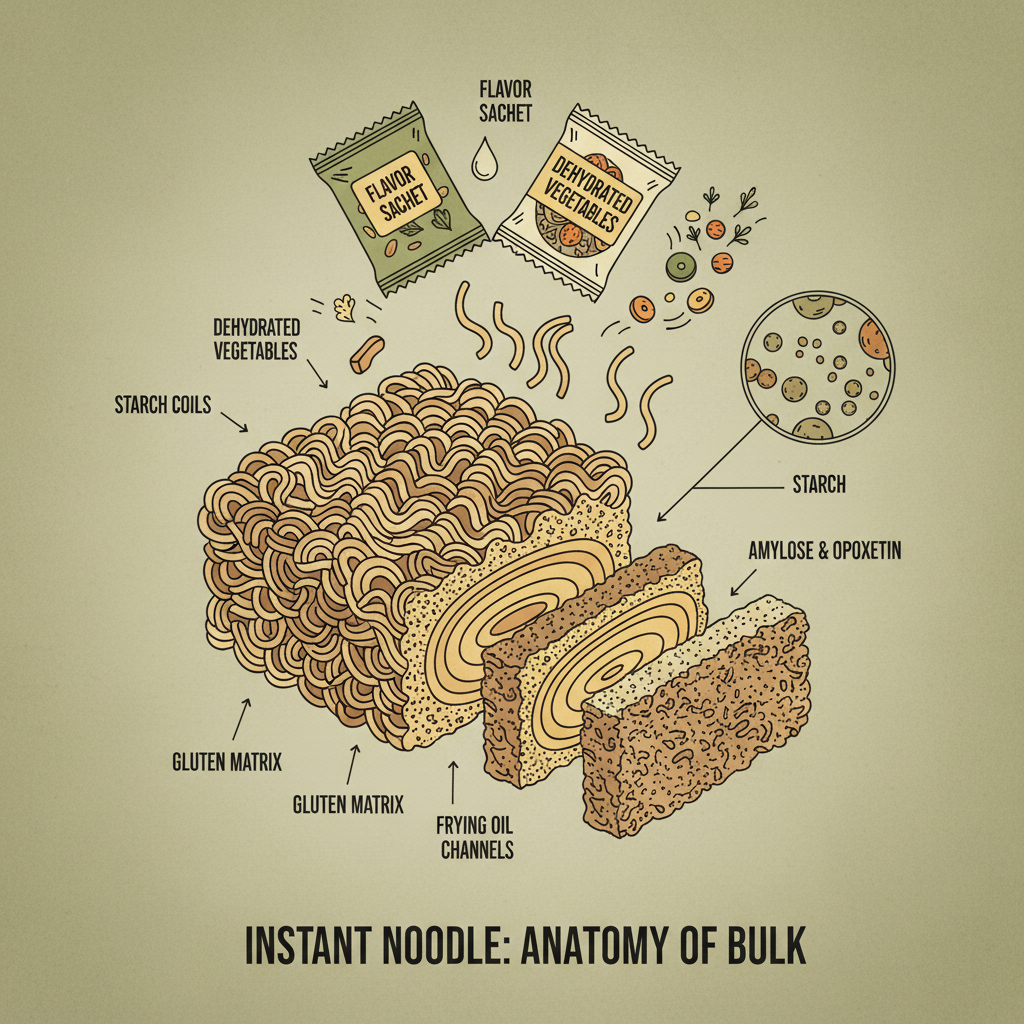
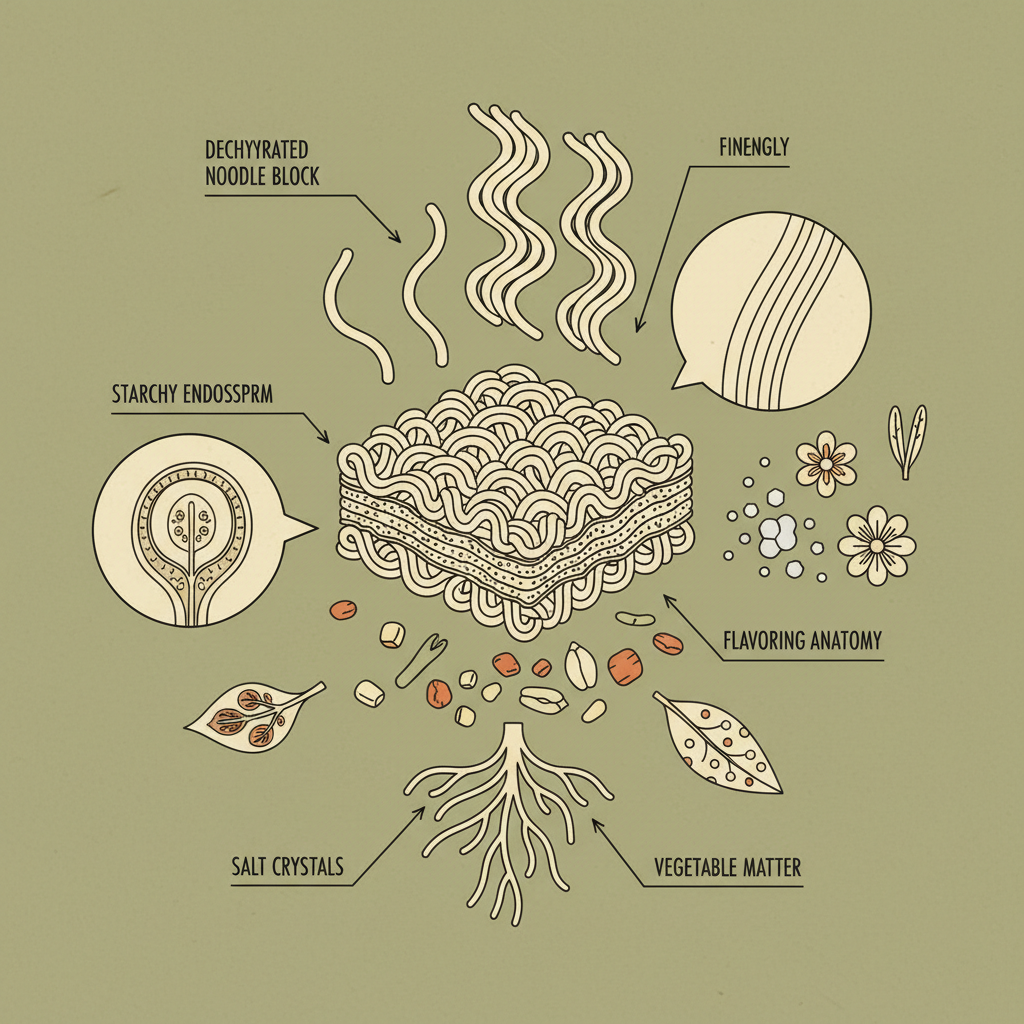
Now, the noodles themselves…it’s all about the wheat. You want a good quality durum wheat for that firm texture. Cheaper noodles get mushy almost instantly. The seasoning packets are another story. It's got to be something that actually tastes good. I’ve tried some that smelled like…well, let’s just say they smelled like chemicals. Nobody wants that.
The dried noodle smell is important, believe it or not. It’s a subtle thing, but a good batch will have a slightly sweet, wheaty aroma. If it smells dusty or stale, it's probably been sitting in a warehouse too long. I always ask the guys on site – what do you think of the flavor? They're brutally honest. They don't care about fancy marketing; they just want something that tastes decent after a long day.
I was inspecting a batch of noodles last year and noticed a slight oily residue on the noodles. It wasn’t rancid, but it wasn’t right either. Turns out the manufacturer was using a lower-grade oil in the frying process to save money. It’s those little details that make all the difference. Anyway, I think quality control is paramount.
Real-World Testing Protocols
Forget lab tests. I mean, those are important for nutritional analysis and safety, sure. But the real test is what happens on a construction site, or in a disaster zone. We drop the boxes, stack them, leave them in direct sunlight, and even soak them in water. We simulate the conditions they’ll actually encounter.
We also do taste tests, obviously. But not in a sterile environment. We get the workers to try them after a full day of physical labor. That’s when you really see what people think. We’ve even had guys try to cook them with limited water, or using improvised cooking methods. You learn a lot about durability that way.
Bulk Instant Noodles Performance Metrics
How Workers Actually Use Bulk Instant Noodles
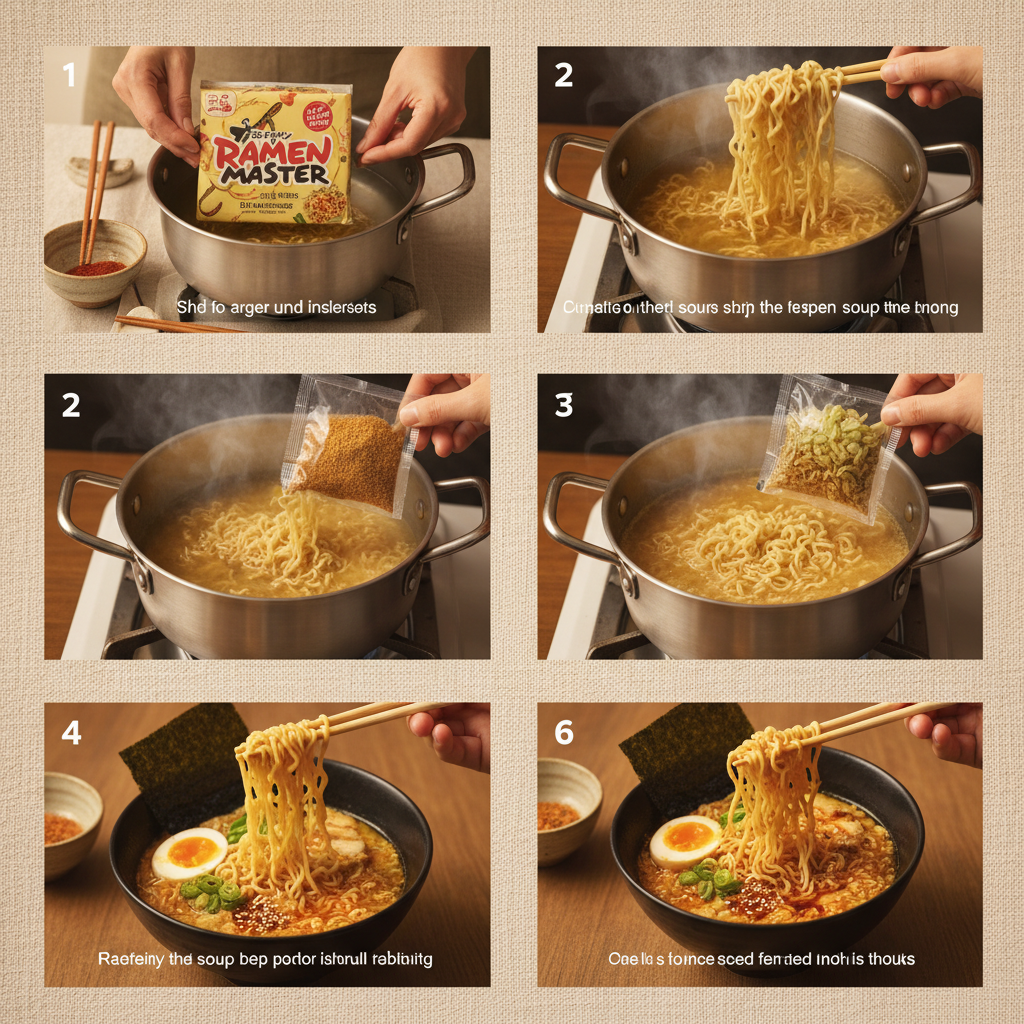
It's not always how you expect. Some guys will just add hot water and eat it straight from the container. Others will add whatever they have on hand – a little bit of canned meat, some dried vegetables. I’ve even seen guys using them as a base for soup, adding spices and whatever scraps they can find.
And they’re surprisingly resourceful. They’ll use the empty containers for storage, or as makeshift bowls. One guy even used the cardboard box to reinforce a leaky tarp! They’re not just eating the noodles; they’re finding ways to make the entire package useful.
Advantages and Drawbacks
Look, the advantages are obvious – cost-effective, long shelf life, easy to transport. But there are drawbacks. It’s not the healthiest food in the world, let’s be honest. High in sodium, low in nutrients. And, the taste can get old pretty quickly.
Another issue is waste. All those packaging materials… it adds up. We’re looking at more sustainable packaging options, but it’s a challenge. And then there’s the perception. Some people still see instant noodles as “cheap” food. But when you're facing a crisis, or working 12-hour shifts on a construction site, it’s a lifesaver.
I think the key is to treat it as a supplemental food source, not a staple. Something to provide quick energy and sustenance when other options aren’t available.
Customization Capabilities and a Customer Story
You can customize these things quite a bit, you know. We’ve had customers request different seasoning flavors, different noodle types… even different packaging materials. One company wanted to add a vitamin pack to each serving, to boost the nutritional value. It’s doable, but it adds to the cost.
Last month, that small boss in Shenzhen who makes smart home devices insisted on changing the interface to for all the noodle packaging. Said it was "future-proof." I told him, "Sir, these are noodles, not smartphones!" He wouldn’t budge. Ended up costing him a fortune in retooling, and the workers couldn’t care less. That's the kind of stuff you see.
But seriously, tailoring the product to specific needs is a big selling point. Whether it’s for a disaster relief organization or a construction company, being able to customize the contents and packaging can make a huge difference.
Core Summary of Theme Seven
| Category |
Customization Option |
Estimated Cost Impact |
Feasibility (1-5, 5=High) |
| Flavor Profile |
Spicy Kimchi, Vegetarian Curry |
Low - $0.05/serving |
5 |
| Noodle Type |
Whole Wheat, Rice Noodles |
Medium - $0.10/serving |
4 |
| Packaging Material |
Biodegradable Film, Recycled Cardboard |
High - $0.20/serving |
3 |
| Nutrient Addition |
Vitamin Pack, Protein Boost |
Medium - $0.15/serving |
4 |
| Portion Size |
Larger (150g), Smaller (75g) |
Low - $0.02/serving |
5 |
| Unique Branding |
Custom Logo, Promotional Messaging |
Low - $0.08/serving |
5 |
FAQS
Generally, properly sealed bulk instant noodles can last up to 2 years at room temperature. However, exposure to humidity or extreme temperatures can significantly reduce this. Direct sunlight is a big no-no, as it degrades the noodles and seasoning. A cool, dry place is ideal. We recommend rotating stock to ensure freshness. I've seen plenty of batches go bad because they were stored near a leaky pipe – always check for moisture!
Currently, most of our standard bulk instant noodles contain wheat and may have traces of animal products in the seasoning. However, we do offer several vegan and gluten-free options. These are clearly labeled and manufactured in dedicated facilities to avoid cross-contamination. I've worked with clients who had very strict dietary requirements, and we always made sure to meet their needs. It’s becoming increasingly important.
We are certified with ISO 9001 for quality management and HACCP for food safety. We also adhere to all relevant FDA guidelines. Our manufacturing facilities are regularly inspected to ensure compliance. I’ve seen firsthand how important these certifications are when dealing with large organizations and government contracts. You simply can’t cut corners on safety.
Absolutely. We offer custom seasoning blending for orders exceeding a certain quantity (usually around 50,000 servings). You can provide us with your desired flavor profile, and our food scientists will work with you to create a unique blend. That Shenzhen guy with the port? He asked for a Szechuan peppercorn flavor… it was interesting, to say the least!
We offer several packaging options, including cardboard boxes, plastic crates, and shrink-wrapped pallets. All shipments are carefully palletized and secured with stretch wrap to prevent damage during transit. We also offer weather-resistant packaging for outdoor storage. We’ve learned from experience that proper packaging is crucial to avoid costly returns.
Lead times vary depending on the size of the order and our current production schedule. Typically, it takes 4-6 weeks for orders exceeding 100,000 servings. We will provide you with a precise timeline after receiving your specific requirements. I always recommend placing orders well in advance, especially during peak seasons. Delays can happen, and it’s better to be prepared.
Conclusion
Ultimately, bulk instant noodles are a surprisingly versatile solution. They aren’t a gourmet meal, and they aren’t a perfect solution to every problem. But they are reliable, affordable, and easy to deploy – and in many situations, that’s all you need. They play a vital role in disaster relief, support remote workforces, and provide a quick and convenient meal for those on the go.
I think the future will see more innovation in this space – more sustainable packaging, healthier ingredients, and more customized options. But at the end of the day, whether this thing works or not, the worker will know the moment he tightens the screw. That’s the real test. And if he's happy, then we've done our job.