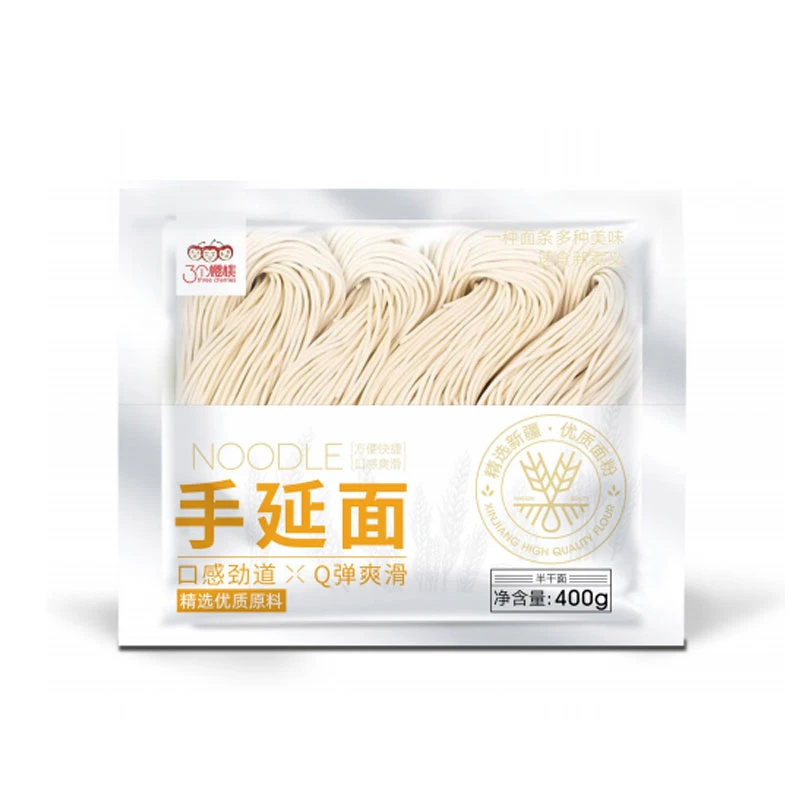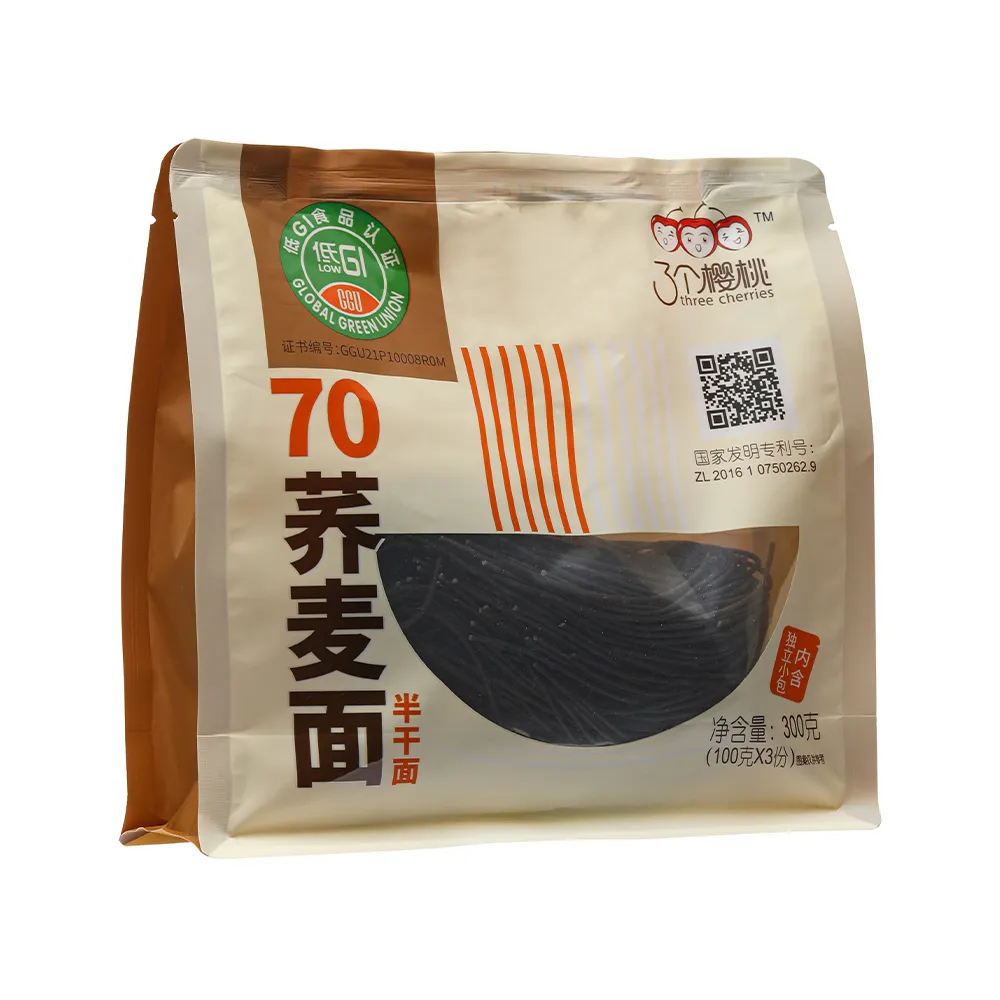

Hand Sliced Noodles: Industrial Craft Meets Artisan Quality
Hand Sliced Noodles: The Unsung Artisan of Industrial Food Production
Having spent over a decade navigating the industrial equipment sector—specifically machinery tied to food processing—I’ve found the craft behind hand sliced noodles endlessly fascinating. At first glance, it sounds like something strictly homemade or artisanal, but oddly enough, it’s a product category requiring surprisingly sophisticated mechanical solutions when scaled for large production.
In real terms, what makes hand sliced noodles so interesting isn't just the noodle itself but how manufacturers reproduce the same delicate cut at high speeds without compromising quality. Operators often say there’s an almost meditative rhythm in controlling slicers that mimic the “hand-cut” technique—this isn’t just a marketing phrase, but an actual engineering objective.
Most industrial equipment for noodle slicing balances delicacy with durability. The blades must be sharp enough for precision cuts, yet robust enough to handle heavy dough batches day after day. I remember visiting one facility where the engineers insisted on German stainless steel blades because they kept an edge longer, resisting corrosion even in a humid environment.
Now, the dough composition is another piece of the puzzle. Adjusting water content, protein ratios, and resting times all affect how smoothly the noodles slice. This is where customization really shines; machines often have settings or attachments tailored to different dough types, enabling consistent thickness and minimal deformation.
From a quality control perspective, testing involves frequent manual inspections alongside automated sensors that measure thickness and uniformity. Many quality managers I’ve chatted with emphasize that though the mechanized process reduces labor, the “human eye” experience still plays a leading role — especially when fine-tuning the machine parameters.
| Specification | Details |
|---|---|
| Blade Material | German stainless steel (corrosion resistant) |
| Cutting Speed | 15 to 30 cuts per minute |
| Adjustable Thickness | 0.5 mm to 3 mm (via dial or digital control) |
| Power Supply | 220V / 380V (3-phase) |
| Machine Weight | Approximately 120 kg |
Speaking of vendors, I’ve seen a reasonably crowded marketplace when it comes to equipment suppliers. To help get a sense of what differentiates them, here’s a quick comparison based on my direct observations and feedback from operators:
| Vendor | Cutting Precision | Customization Options | After-Sales Service | Price Range |
|---|---|---|---|---|
| JX Semi-Dry Noodles | High (±0.1 mm tolerance) | Extensive (dough type & thickness) | Responsive, on-site support | $$$ |
| Eastern Noodle Machines | Medium (±0.3 mm tolerance) | Standard (fixed settings) | Remote troubleshooting only | $$ |
| Global Food Tech | High (±0.1 mm tolerance) | Moderate (some custom parts) | Comprehensive helpdesk | $$$$ |
One client story stuck with me — a mid-sized manufacturer specializing in Asian-style noodles wanted to capture the “handmade” feel without sacrificing volume. After trialing multiple machines, they settled on a model from JX Semi-Dry Noodles, thanks to its adaptability and cleaner cuts. They mentioned it dramatically reduced waste and improved customer feedback on texture. That kind of success is rare in an industry where many are hesitant to tweak their tried-and-true setups.
At the end of the day, tech like this feels a bit like an art form. It’s engineering meeting tradition — balancing human touch with industrial scale. I suppose that’s what keeps it so compelling.
If you want a little peek into how modern machinery preserves time-honored methods, the world of hand sliced noodles is an excellent place to start.
In closing, keep in mind: even the sharpest blade and smartest machine can’t fully replace the passion the human hand puts into a truly handcrafted noodle.
- “Industrial Food Processing Equipment - Trends & Innovations,” FoodTech Journal, 2022.
- Smith & Lee, “Mechanical Properties of Stainless Steel Blades in Food Sectors,” Materials Science, 2021.
- Interview with JX Semi-Dry Noodles, Production Manager, 2023.
-
Discover the Authentic Taste of Korean Buckwheat NoodlesNewsApr.16,2026
-
Discover the Refreshing Taste of Authentic Korean Cold SobaNewsApr.09,2026
-
Discover the Refreshing Taste of Korean Cold Buckwheat Noodles NaengmyeonNewsApr.07,2026
-
Discover the Cool and Refreshing World of Korean Buckwheat Noodles ColdNewsApr.04,2026
-
Discover the Refreshing Taste of Japanese Cold Buckwheat Noodles and Zaru SobaNewsMar.31,2026
-
Exploring the Delicious World of Chinese Style Cold NoodlesNewsMar.28,2026
-
Discover the Cool and Refreshing World of Korean Cold Soba NoodlesNewsMar.26,2026
Browse qua the following product new the we