
Chinese Sliced Noodles: Tradition, Innovation, and Global Impact | JX Semi-Dry
Understanding Chinese Sliced Noodles: A Cultural and Culinary Jewel
Chinese sliced noodles may seem like just another noodle variety, but they hold a special place both in the culinary world and as a marker of rich cultural traditions. Across Asia and increasingly worldwide, these noodles are loved for their texture, taste, and versatility. But beyond that, understanding chinese sliced noodles opens a window into China’s regional cuisines, production techniques, and even food innovation trends relevant globally.
With millions of consumers enjoying noodles every day, these sliced noodles represent a delightful blend of history and modern food science. Whether you’re a food lover or a professional in the culinary arts, exploring them offers insights into sustainable food production and influences on international gastronomy.
Discover more about chinese sliced noodles.Global Context: Why Chinese Sliced Noodles Matter
Globally, noodles are a staple food — consumed daily by over 40% of the world population according to the International Noodle Association. Chinese cuisine accounts for a significant share of noodle production and innovation (FAO statistics, 2022). Chinese sliced noodles particularly stand out because they combine traditional handmade techniques with modern mechanized production to meet increasing demand.
Oddly enough, alongside being a popular fast food, they also help address modern challenges like food security and sustainable sourcing. As urban populations grow and food preferences shift, these noodles’ scalability, shelf life, and diversified recipes make them both commercially and culturally important across Asia, Europe, and North America.
What Exactly Are Chinese Sliced Noodles?
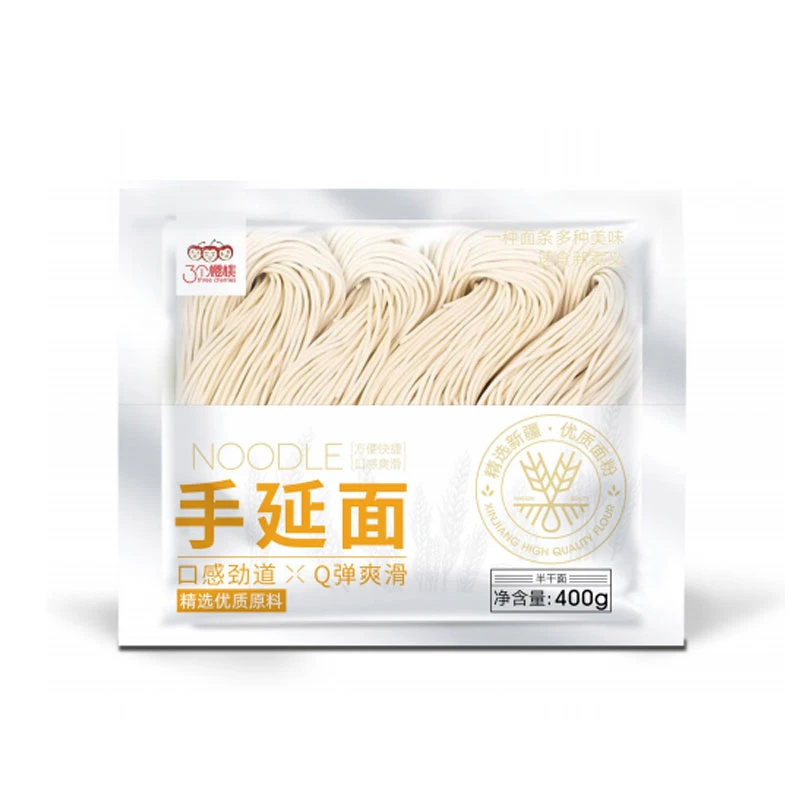
Put simply, chinese sliced noodles are broad, flat noodles made by slicing sheets of dough, traditionally wheat-based. Unlike round or thin varieties, these noodles have a unique chewy bite and thickness, making them excellent for stir-fries, soups, and cold salads.
They echo a centuries-old tradition where dough was hand-rolled and cut, but today’s slices often arise from mechanized blades to ensure uniformity. Their significance extends beyond taste — they symbolize regional identities, like Shanxi’s famous “dao xiao mian” (knife-cut noodles).
In modern food production, these noodles intersect industry with innovation by combining artisanal texture with advanced drying techniques that prolong shelf life without preservatives, making them suitable even for remote markets or humanitarian food aid programs.
Core Aspects of Chinese Sliced Noodles
1. Texture and Thickness
Sliced noodles have a pleasantly thick, slightly irregular chewiness that differentiates them from standard thin noodles. This texture helps them hold sauces better, enhancing flavor absorption.
2. Production Method
From manual slicing with knives to automated cutting machines, production balances craftsmanship with efficiency. The dough’s hydration levels and resting times play a key role.
3. Ingredient Quality
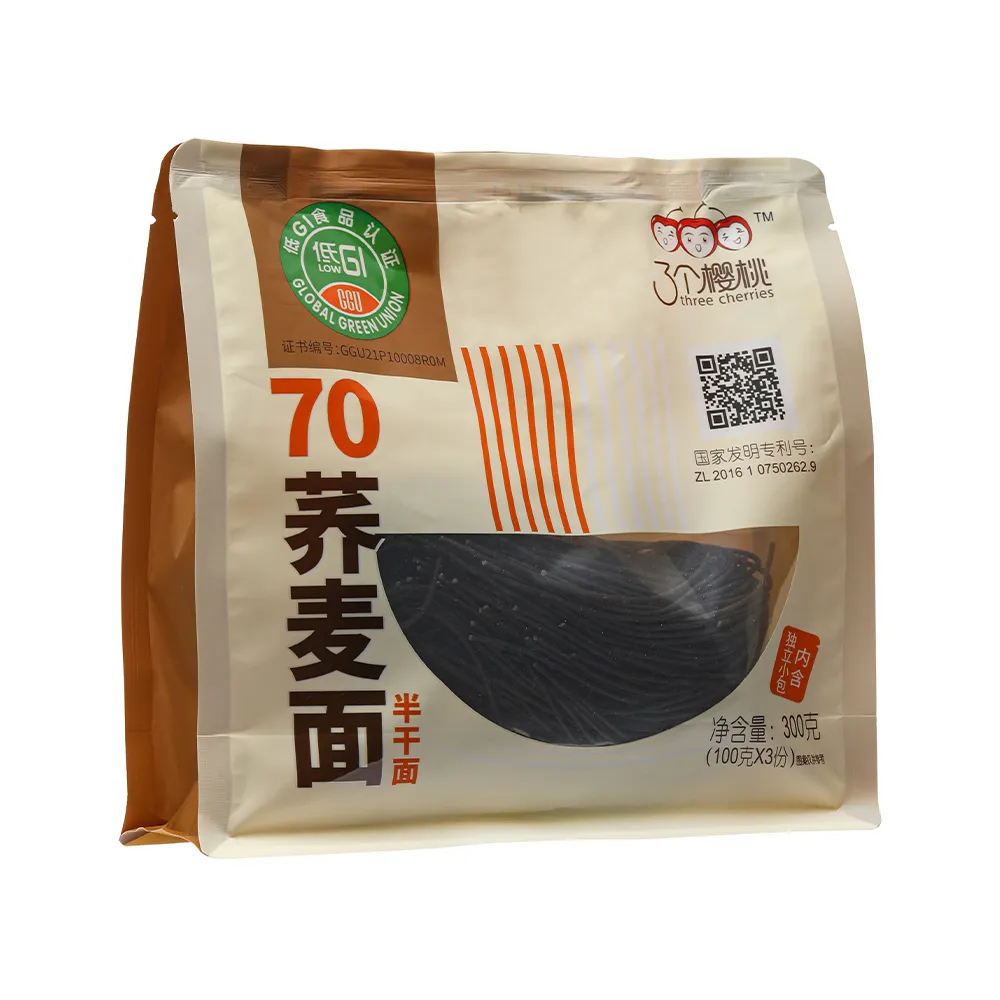
High-grade wheat flour and water are basic essentials, but variations like adding egg for richness or buckwheat for flavor exist.
4. Versatility in Culinary Use
They can be used in hot broths, cold dishes, stir fry, or steamed dishes, showing extraordinary versatility in recipes.
5. Shelf Stability
Modern drying and packaging techniques allow long shelf life while preserving freshness and preventing microbial growth, a vital factor for export.
Chinese Sliced Noodles Around the World: Applications & Use Cases
In real life, these noodles are enjoyed from local street vendors in Xi’an to upscale restaurants in New York. They’re also used in instant noodle products targeting global consumers seeking authentic textures.
Regions benefiting from their production and consumption include:
- Asia: China, Taiwan, Korea — as staple dishes or snack foods.
- North America: Fusion restaurants offering noodle bowls.
- Europe: Expanding demand for artisanal Asian products.
Some humanitarian groups consider dried versions of chinese sliced noodles for relief rations because they store well and are nutritionally dense, adding dignity and comfort in emergency food aid.
Advantages & Long-Term Value of Chinese Sliced Noodles
When you consider cost efficiency, these noodles are generally affordable yet premium owing to their unique texture. They also boast sustainability benefits — wheat is less resource-intensive than rice or corn in some regions, and the drying process minimizes waste.
Emotionally, these noodles convey tradition, nostalgia, and a sense of home for diaspora communities. Logically, they offer reliable nutrition and ease of preparation, appealing to busy consumers.
Product Specification Table: Typical Chinese Sliced Noodles
| Specification | Details |
|---|---|
| Main Ingredient | Wheat flour, Water, Salt |
| Typical Width | 5-10 mm |
| Thickness | 2-3 mm |
| Drying Method | Natural sun or controlled dehydration |
| Shelf Life | 6-12 months (unopened) |
Vendor Comparison Table: Leading Chinese Sliced Noodle Manufacturers
| Vendor | Product Quality | Pricing | Minimum Order | Delivery Time |
|---|---|---|---|---|
| JX Semi-Dry Noodles Co. | Premium, authentic hand-cut style | Moderate | 500 kg | 10 days |
| Northern Slice Foods | Standard, machine-cut | Low | 1000 kg | 15 days |
| Heritage Handmade Noodles | Exclusive artisanal quality | High | 200 kg | 20 days |
Looking Ahead: Trends and Innovations
Innovation in chinese sliced noodles involves integrating new drying tech for even longer shelf lives, experimenting with alternative flours (gluten-free, organic), and using digital supply chains to speed exports. Sustainability also matters — many manufacturers are shifting to eco-friendly packaging and water-saving milling to reduce footprints.
In the near future, automation might also enable custom slice widths or textures based on consumer preferences, combining tradition with digital precision. Frankly, this balance between old and new feels like the story of noodles themselves.
Challenges & Practical Solutions
One traditional challenge is maintaining quality consistency in large-scale production, as slicing by hand isn’t scalable. Another is regional taste variance — some customers prefer softer noodles, others firmer.
Innovative solutions include hybrid slicing methods (manual plus automated controls) and regional recipe customization. As companies adopt better quality control standards, like ISO 22000 for food safety, trust and exports grow.
FAQ: Your Questions About Chinese Sliced Noodles Answered
- Q: Are chinese sliced noodles better fresh or dried?
A: Fresh noodles offer a softer texture but perish quickly. Dried sliced noodles have longer shelf life and transport ease, making them ideal for international markets or storage. - Q: How can Chinese sliced noodles be incorporated into a gluten-free diet?
A: Traditional sliced noodles use wheat flour, so not gluten-free. However, some makers are exploring rice or buckwheat-based sliced noodles to cater to gluten-sensitive consumers. - Q: What’s the typical cooking time for these noodles?
A: Fresh slices cook in 2-4 minutes, while dried varieties often take 5-7 minutes in boiling water. Cooking times depend on thickness and recipe. - Q: Can sliced noodles be used in cold dishes?
A: Absolutely. In fact, cold noodle salads featuring chinese sliced noodles are popular for their chewy texture and ability to hold dressing flavors. - Q: Are there sustainable practices in producing these noodles?
A: Yes. Many manufacturers focus on sustainable wheat sourcing, eco-friendly packaging, and energy-efficient drying processes, addressing environmental concerns.
In Summary
Chinese sliced noodles are far more than a simple food item — they carry tradition, satisfy evolving consumer needs, and drive food industry innovation. Whether for gourmet cooking, daily meals, or even humanitarian aid, they showcase an incredible range of values: taste, sustainability, and cultural heritage all rolled into one delicious bite.
If you’re curious to explore the authentic experience of these noodles or looking to source them reliably, be sure to visit our website for premium options.
Honestly, it’s a tasty exploration you won’t regret.
References:
-
Discover the Authentic Taste of Korean Buckwheat NoodlesNewsApr.16,2026
-
Discover the Refreshing Taste of Authentic Korean Cold SobaNewsApr.09,2026
-
Discover the Refreshing Taste of Korean Cold Buckwheat Noodles NaengmyeonNewsApr.07,2026
-
Discover the Cool and Refreshing World of Korean Buckwheat Noodles ColdNewsApr.04,2026
-
Discover the Refreshing Taste of Japanese Cold Buckwheat Noodles and Zaru SobaNewsMar.31,2026
-
Exploring the Delicious World of Chinese Style Cold NoodlesNewsMar.28,2026
-
Discover the Cool and Refreshing World of Korean Cold Soba NoodlesNewsMar.26,2026
Browse qua the following product new the we