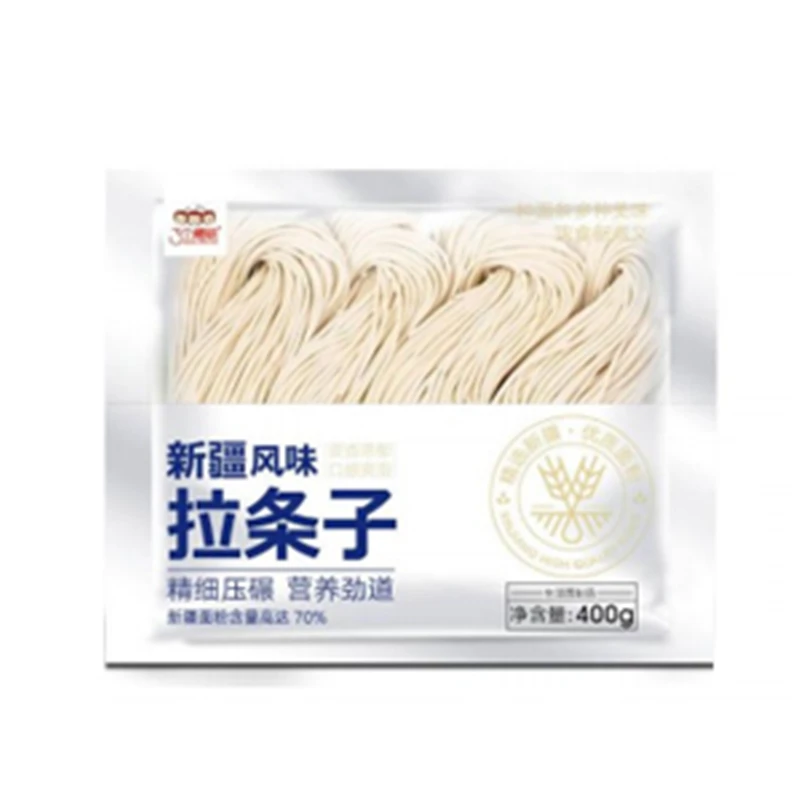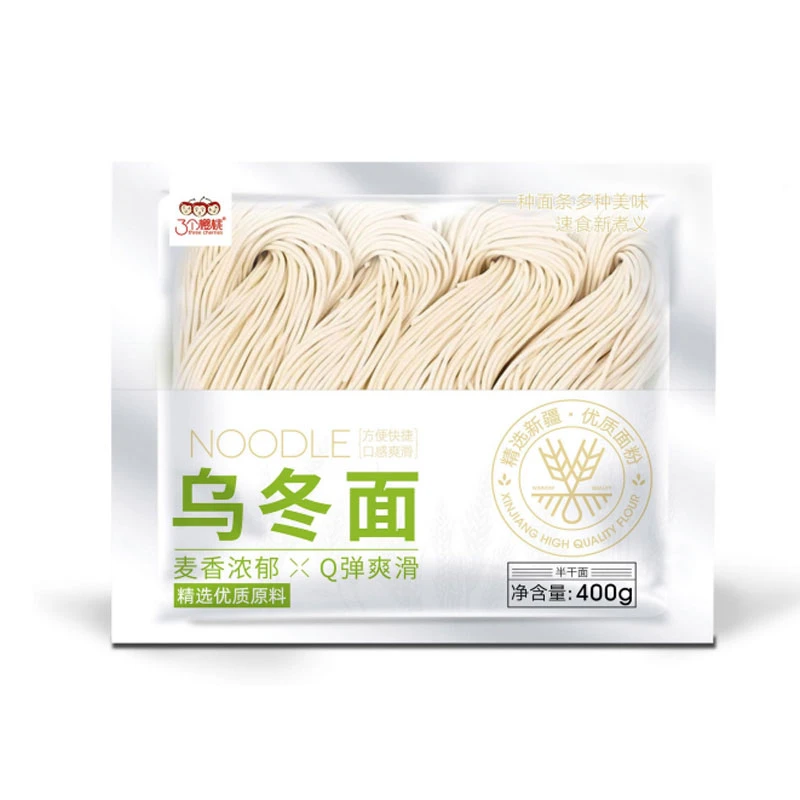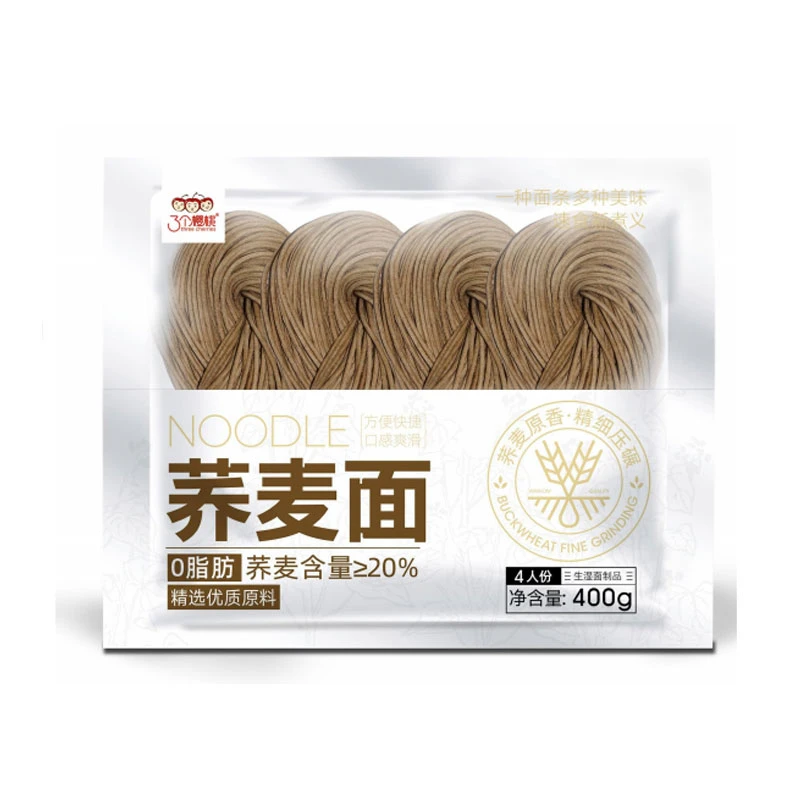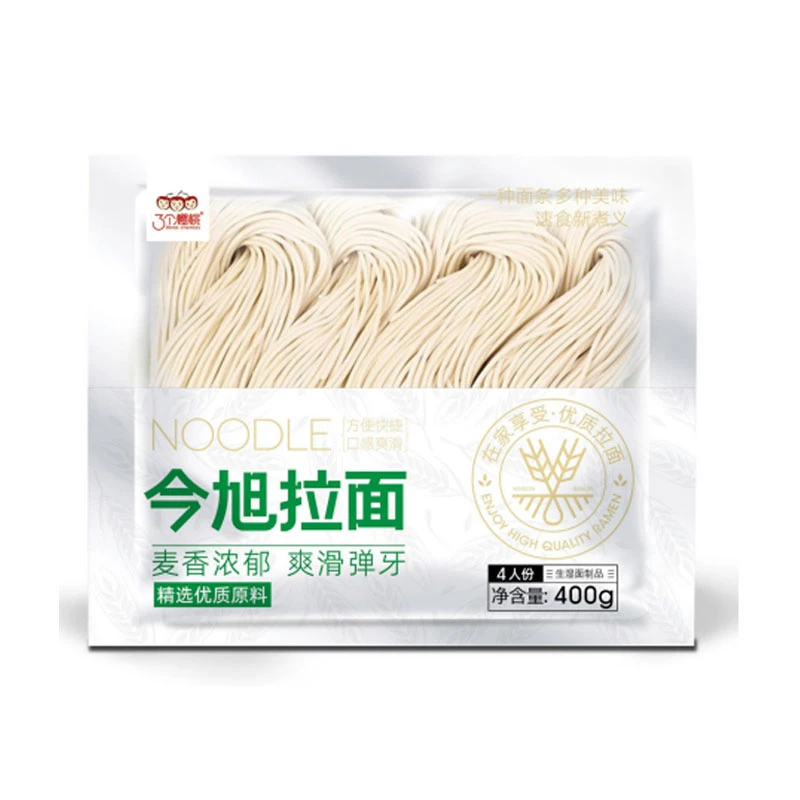

Exploring the Refreshing World of Arrowroot Naengmyeon A Korean Noodle Tradition
Delving into Arrowroot Naengmyeon: A Korean Noodle Delight
Arrowroot naengmyeon, a refreshing Korean noodle dish, is gaining international recognition for its unique texture and flavor. Traditionally served cold, this dish offers a delightful culinary experience, particularly during warmer months. At JX Semi-Dry Noodles, we specialize in crafting high-quality arrowroot naengmyeon noodles that capture the authentic taste of Korea. This article will explore the history, preparation, nutritional benefits, and growing global popularity of arrowroot naengmyeon. We’ll uncover what makes our noodles the perfect base for your next culinary adventure.
A History Rooted in Tradition
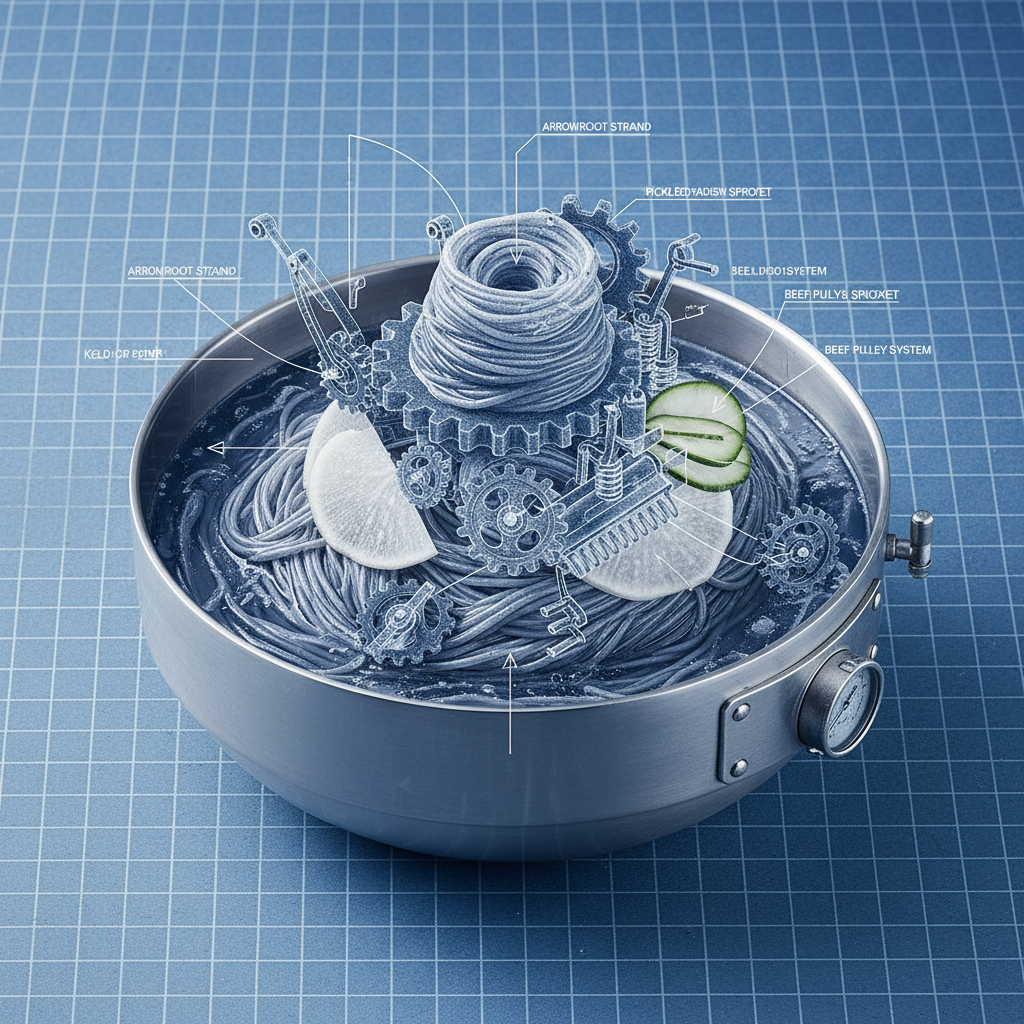
Naengmyeon’s origins can be traced back to the Joseon Dynasty in Korea. Initially a dish enjoyed by the royal court, it slowly gained popularity amongst the general public. Historically, the noodles were made from buckwheat flour, but variations using arrowroot starch emerged, particularly in the northern regions of Korea. Arrowroot provides a distinctively chewy and slightly translucent texture, setting it apart from traditional buckwheat naengmyeon. This version gained favor due to the availability of arrowroot and its unique qualities. The dish became a symbol of cool refreshment, enjoyed during the hot summer months.
Key Highlights: Arrowroot naengmyeon originated in the Joseon Dynasty, initially enjoyed by the royal court, and later gaining popularity as a cooling summer dish.
Understanding Arrowroot Naengmyeon Noodles
What sets arrowroot naengmyeon noodles apart? The key lies in the arrowroot starch itself. Derived from the rhizomes of the arrowroot plant, this starch creates a noodle with a uniquely elastic and slightly chewy texture. Unlike some other noodle varieties, arrowroot noodles remain firm even when soaked in cold broth, preserving their delightful texture. This is especially important for naengmyeon, which is always served chilled. JX Semi-Dry Noodles utilizes a meticulous production process to ensure our arrowroot noodles achieve this perfect consistency.
Benefits of Arrowroot Noodles:
• Unique chewy texture
• Maintains firmness in cold broth
• Slightly translucent appearance
• Gluten-free alternative
Arrowroot Naengmyeon: A Culinary Comparison
While several types of noodles are used for naengmyeon, arrowroot, buckwheat, and sweet potato starch noodles are the most common. Each offers a different textural experience. Buckwheat noodles are earthier and slightly rougher, while sweet potato noodles are chewier but can sometimes become sticky. Arrowroot noodles strike a balance, offering a pleasant chewiness without becoming overly sticky, and they possess a delicate flavor profile that complements the naengmyeon broth beautifully. Choosing the right noodle depends on personal preference, but arrowroot consistently delivers a satisfying experience.
The Rising Global Popularity of Naengmyeon
Naengmyeon is no longer confined to Korea. Its refreshing nature and unique flavors are attracting a growing international fanbase. With the increasing availability of Korean cuisine worldwide, more people are discovering and appreciating this culinary gem. Social media and food blogs are also playing a significant role in popularizing naengmyeon, showcasing its vibrant presentation and delicious taste. JX Semi-Dry Noodles is proud to contribute to this global expansion by providing authentic, high-quality arrowroot naengmyeon noodles to customers worldwide.
JX Semi-Dry Noodles: Your Source for Authentic Naengmyeon
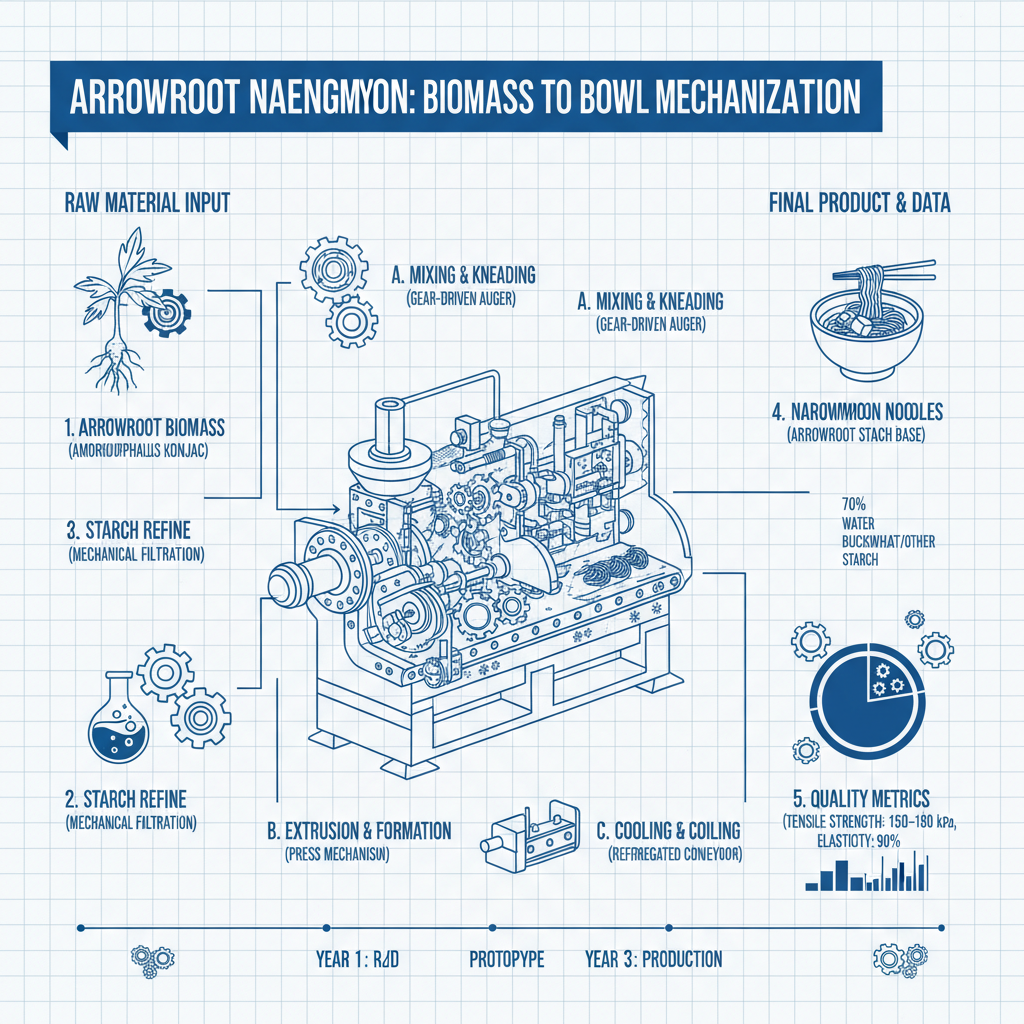
At JX Semi-Dry Noodles, we are dedicated to providing the finest quality arrowroot naengmyeon noodles. Our semi-dry process preserves the noodles' texture and flavor, making them easy to prepare and enjoy. We source the highest quality arrowroot starch and utilize strict quality control measures throughout the production process. We're committed to delivering an authentic Korean culinary experience to your table.
Conclusion: Embrace the Refreshment of Arrowroot Naengmyeon
Arrowroot naengmyeon is more than just a noodle dish; it’s a cultural experience. With its unique texture, refreshing flavor, and rich history, it’s a culinary delight that’s gaining popularity worldwide. JX Semi-Dry Noodles is your trusted partner in bringing this authentic Korean experience to your home or restaurant.
Frequently Asked Questions (FAQs)
What is the best way to store arrowroot naengmyeon noodles?
To maintain the quality of our semi-dry arrowroot naengmyeon noodles, we recommend storing them in a cool, dry place, away from direct sunlight and humidity. An airtight container is ideal. Proper storage will help preserve their texture and flavor. Refrigeration is not necessary, but can extend shelf life if your environment is particularly humid. Avoid storing near strong-smelling foods as the noodles can absorb odors.
How do I prepare JX Semi-Dry Noodles arrowroot naengmyeon?
Preparing our noodles is simple! First, briefly soak the noodles in cold water for about 10-15 minutes to rehydrate them. Then, drain the water and add the noodles to your preferred naengmyeon broth. Garnish with sliced cucumber, Korean pear, a boiled egg, and your favorite toppings. A touch of mustard and vinegar adds a classic Korean flavor. Detailed instructions are also included with your purchase.
Are your noodles gluten-free?
Yes! Our arrowroot naengmyeon noodles are made exclusively from arrowroot starch, making them naturally gluten-free. This makes them a suitable option for individuals with celiac disease or gluten sensitivities. We take pride in offering a delicious and inclusive culinary experience.
What kind of broth pairs best with arrowroot naengmyeon?
Traditionally, naengmyeon is served with a cold, tangy broth made from beef or radish. However, arrowroot noodles pair well with a variety of broths, including vegetarian options. A broth made with kelp and shiitake mushrooms provides a delicious umami flavor. The neutral flavor of the arrowroot noodles allows the broth to shine.
-
Discover the Refreshing Taste of Authentic Korean Cold SobaNewsApr.09,2026
-
Discover the Refreshing Taste of Korean Cold Buckwheat Noodles NaengmyeonNewsApr.07,2026
-
Discover the Cool and Refreshing World of Korean Buckwheat Noodles ColdNewsApr.04,2026
-
Discover the Refreshing Taste of Japanese Cold Buckwheat Noodles and Zaru SobaNewsMar.31,2026
-
Exploring the Delicious World of Chinese Style Cold NoodlesNewsMar.28,2026
-
Discover the Cool and Refreshing World of Korean Cold Soba NoodlesNewsMar.26,2026
-
Discover the Refreshing World of Japanese Cold Soba Noodle CuisineNewsMar.24,2026
Browse qua the following product new the we