
Exploring the World of Black Cold Noodles A Culinary Journey
Delving into the Delicious World of Black Cold Noodles
Black cold noodles, a staple in East Asian cuisine, offer a refreshing and flavorful experience, especially during warmer months. These aren't your average noodles; the striking dark color comes from a blend of soy sauce and often vinegar, creating a unique umami-rich profile. From Korean Jajangmyeon to Chinese Liangpi, the variations are diverse and incredibly appealing. Whether you’re a seasoned foodie or simply looking for a new culinary adventure, understanding the world of black cold noodles is a delicious journey. We'll explore the history, types, ingredients and how to enjoy this beloved dish.
A Historical Glimpse: The Origins of Black Cold Noodles
The origins of black cold noodles are complex, with various iterations developing across different regions. The Korean Jajangmyeon, for instance, is believed to have been influenced by Chinese noodle dishes brought over by Chinese immigrants in the early 20th century. The dish quickly gained popularity, adapting to Korean tastes and becoming a national favorite. Similarly, Chinese Liangpi originated in Shaanxi province and has a history stretching back centuries, evolving from a simple street food to a regional delicacy. Understanding the historical context adds another layer of appreciation to this beloved dish. The evolution reflects cultural exchange and the adaptation of culinary traditions.
Key Highlights: The origins of black cold noodles are rooted in East Asian culinary traditions, with variations evolving through cultural exchange and regional adaptation.
Exploring the Different Types of Black Cold Noodles
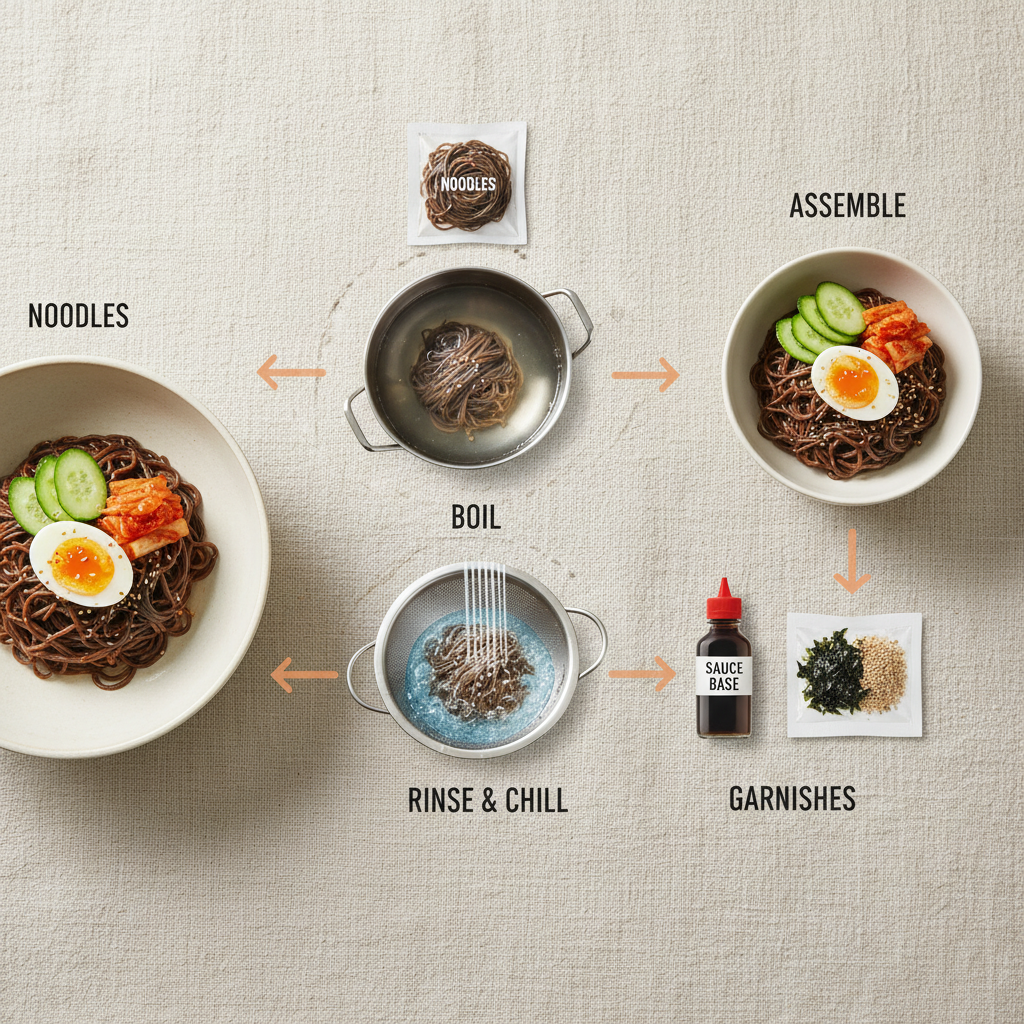
While all black cold noodles share a common dark color and chilled serving temperature, there’s a remarkable diversity in ingredients and preparation methods. Korean Jajangmyeon features a thick, savory black bean sauce coating wheat noodles, often topped with sliced cucumbers and a fried egg. Chinese Liangpi, from Shaanxi province, showcases wide, flat noodles dressed with a spicy and tangy sauce made from chili oil, vinegar, and sesame paste. Another popular variation is Lanzhou hand-pulled noodles (Lanzhou Lamian) where the noodles are handmade and served in a rich broth, also incorporating a dark sauce. Discovering these differences will enhance your palate and broaden your culinary horizons.
Key Types of Black Cold Noodles:
• Korean Jajangmyeon: Thick black bean sauce over wheat noodles.
• Chinese Liangpi: Wide, flat noodles with a spicy and tangy sauce.
• Lanzhou Lamian: Hand-pulled noodles in a rich dark broth.
The Essential Ingredients in Black Cold Noodles
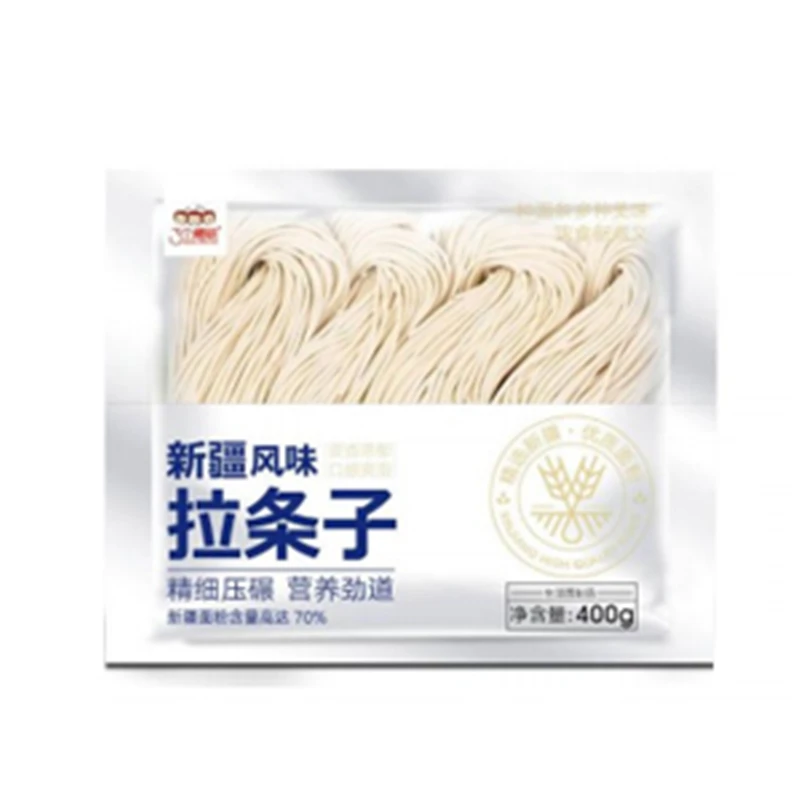
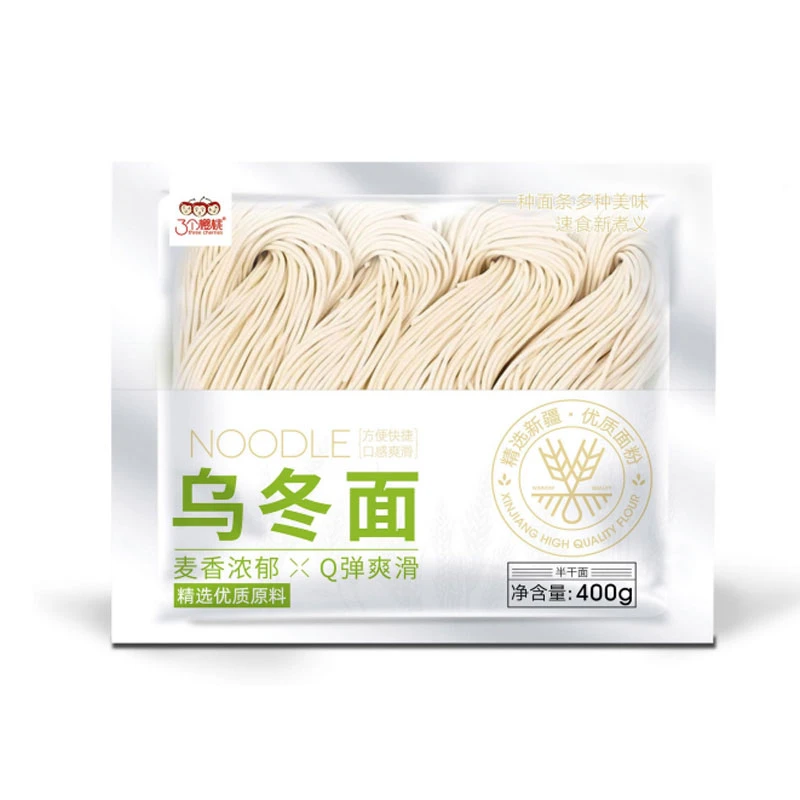
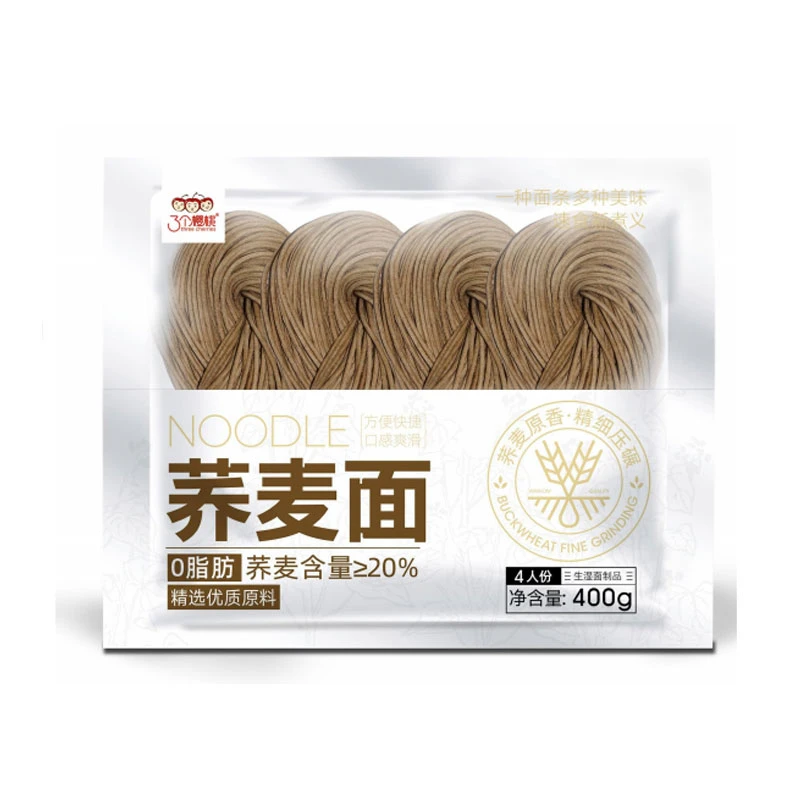
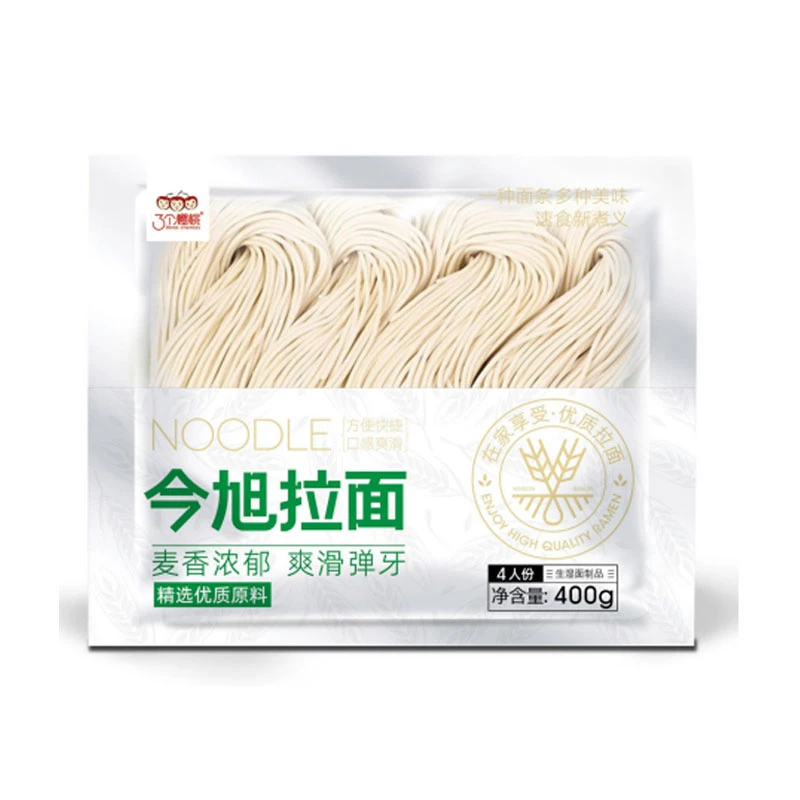
The defining characteristic of black cold noodles is, of course, their dark color. This is typically achieved using a combination of dark soy sauce, black bean paste (in Jajangmyeon), or a reduction of soy sauce and vinegar. The noodles themselves vary depending on the regional variation, ranging from wheat flour noodles to rice flour noodles. Other key ingredients include garlic, ginger, scallions, and sesame oil, all contributing to the complex and savory flavor profile. The quality of these ingredients directly impacts the overall taste and experience of the dish. Sourcing high-quality soy sauce and sesame oil is particularly important. You can find premium noodles at JX Semi-Dry Noodles.
Tips for Enjoying Black Cold Noodles
The best way to enjoy black cold noodles is to embrace the variety! Don’t be afraid to experiment with different toppings and sauces. Common additions include sliced cucumbers, shredded carrots, bean sprouts, and a sprinkle of sesame seeds. Many enjoy a dash of chili oil for an extra kick. When serving, ensure the noodles are thoroughly chilled for the most refreshing experience. You can prepare the sauce and noodles separately and combine them just before serving to maintain the optimal texture and temperature. Don't be afraid to adjust the sauce to your personal preferences.
Conclusion: A Culinary Delight Worth Exploring
A World of Flavor Awaits
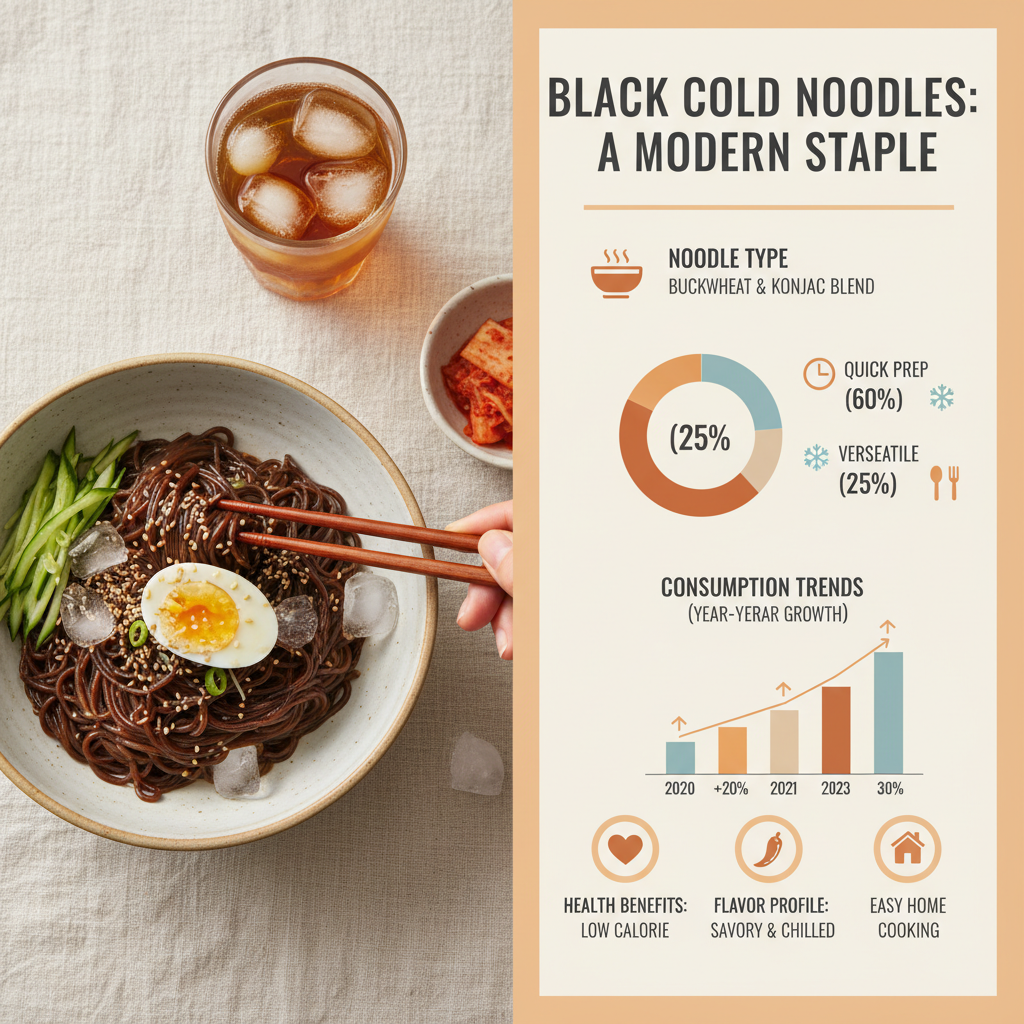
Black cold noodles offer a fascinating culinary journey, from their historical roots to their diverse regional variations. Whether you prefer the rich savoriness of Jajangmyeon or the spicy tang of Liangpi, there's a black cold noodle dish out there for everyone. Explore the different flavors and enjoy this refreshing and flavorful delight. For the best noodles to create your perfect bowl, visit JX Semi-Dry Noodles today!
Frequently Asked Questions (FAQs)
What’s the best way to store leftover black cold noodles?
Leftover black cold noodles are best stored in an airtight container in the refrigerator. It's recommended to separate the noodles from the sauce to prevent them from becoming soggy. They can be stored for up to 2-3 days. When reheating, gently warm the noodles and sauce separately and combine them just before serving. You may need to add a little water to the sauce to restore its consistency. Be aware that the texture may change slightly after refrigeration.
Can I make black cold noodles ahead of time?
Yes, you can prepare the sauce and cook the noodles ahead of time. However, it's best to assemble the dish just before serving to prevent the noodles from becoming too soft. Store the noodles and sauce separately in airtight containers in the refrigerator. This allows you to quickly put together a delicious meal when you're ready to enjoy it. You can also prep the toppings (like cucumbers and carrots) in advance for even quicker assembly.
Are there vegetarian or vegan options for black cold noodles?
Absolutely! Many black cold noodle recipes can easily be adapted for vegetarian or vegan diets. Ensure the soy sauce and black bean paste used are vegan-friendly. For Jajangmyeon, substitute pork with mushrooms or tofu. For Liangpi, verify that the chili oil and other sauces don't contain any animal-derived ingredients. Many recipes naturally lend themselves to plant-based adaptations, making this a versatile dish for all dietary preferences. You can find high-quality vegan noodles at JX Semi-Dry Noodles.
-
Discover the Authentic Taste of Korean Buckwheat NoodlesNewsApr.16,2026
-
Discover the Refreshing Taste of Authentic Korean Cold SobaNewsApr.09,2026
-
Discover the Refreshing Taste of Korean Cold Buckwheat Noodles NaengmyeonNewsApr.07,2026
-
Discover the Cool and Refreshing World of Korean Buckwheat Noodles ColdNewsApr.04,2026
-
Discover the Refreshing Taste of Japanese Cold Buckwheat Noodles and Zaru SobaNewsMar.31,2026
-
Exploring the Delicious World of Chinese Style Cold NoodlesNewsMar.28,2026
-
Discover the Cool and Refreshing World of Korean Cold Soba NoodlesNewsMar.26,2026
Browse qua the following product new the we