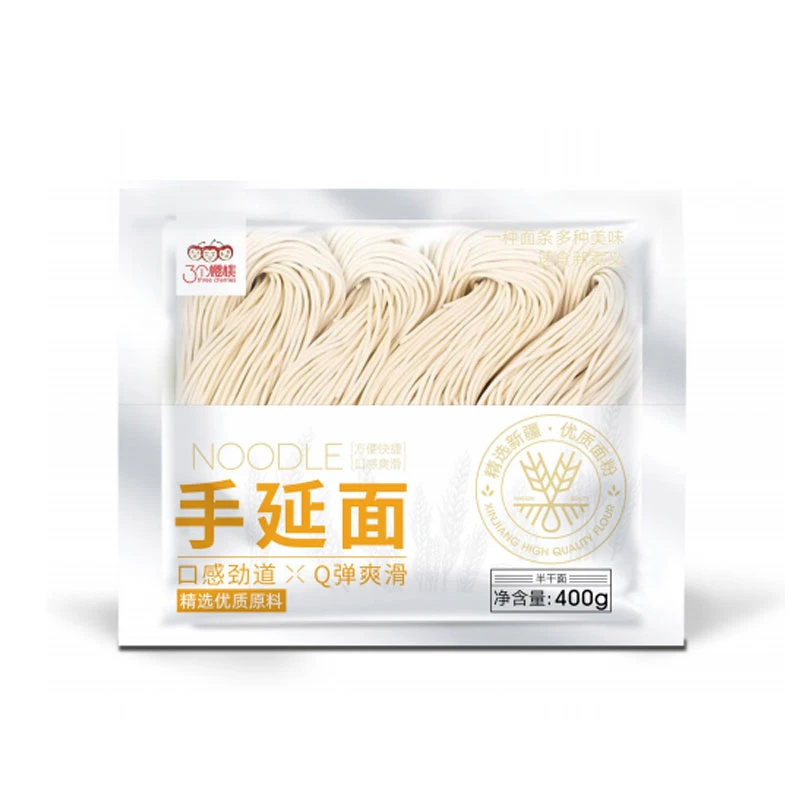

Types of Udon: Insights from Industrial Equipment Experts
Types of Udon: A Simple Guide from Someone Who’s Seen It All
Alright, I’ve spent more than a decade in industrial equipment, where precision and materials matter, but let me tell you a little secret: sometimes, the seemingly mundane—like types of udon—reveal a fascinating intersection of tradition and practicality. Yes, udon noodles! You might wonder why an equipment veteran cares, but hear me out.
In real terms, industrial noodle production isn’t just about dough and water; it’s about consistency, elasticity, and durability—qualities engineers appreciate. Over the years, I noticed that understanding types of udon helps in selecting the right machine settings or even material choices for automated production lines. Plus, it’s oddly satisfying when the finished product matches the ideal texture you taste in a perfect bowl.
So, what are the main types? Generally, we talk about three styles:
- Kishimen: flat and broad, often found in Nagoya, offering a different mouthfeel than the classic round noodle.
- Sanuki: thick and firm, from Kagawa Prefecture, famous for its chewy bounce—often what you imagine when you think of udon.
- Inaniwa: thinner and silkier, a delicacy from Akita, prized for its glossy finish and subtle texture.
What’s striking—speaking as someone used to specs and tolerance sheets—is how these types demand tailored production techniques. For instance, makers of Sanuki udon often tweak water content and kneading times extensively to ensure that signature resilience. It’s kind of like fine-tuning a machine for peak efficiency, but applied to wheat dough.
| Type | Width | Thickness | Texture | Region |
|---|---|---|---|---|
| Kishimen | 5-10 mm (flat) | ~2 mm | Soft, chewy | Nagoya |
| Sanuki | 3-4 mm (round) | 3 mm | Firm, bouncy | Kagawa |
| Inaniwa | 1.3-1.5 mm (round) | 1 mm | Silky, delicate | Akita |
Now, if you work around noodle production equipment or just love Japanese cuisine, you’ll appreciate how vendors position themselves in this niche. Some specialize in high-volume Sanuki udon lines, optimizing for rapid hydration and cutting, while others focus on handcrafted texture replication for premium types like Inaniwa.
Here’s a quick comparison of well-known equipment suppliers in this space:
| Vendor | Specialization | Output Capacity | Customization Level | Price Segment |
|---|---|---|---|---|
| JX Semi-Dry Noodles | Semi-dry udon lines | Medium (200-500 kg/hr) | High - adjustable tooling | Mid to premium |
| NoodleTech Corp. | High-speed Sanuki udon | High (800+ kg/hr) | Medium | Premium |
| Traditional Noodle Makers | Handcrafted style lines | Low (50-150 kg/hr) | Very High - full custom | High |
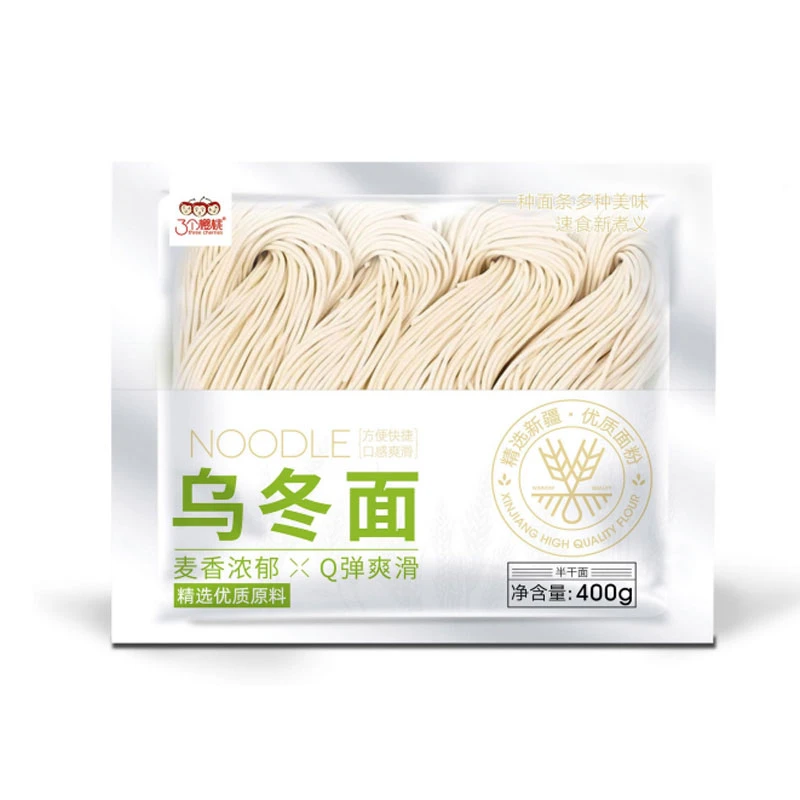
I remember a customer once telling me they switched to a semi-dry udon line from JX Semi-Dry Noodles and noticed instantly how the noodle texture held better during packaging and shipping. It’s one of those details that might escape you unless you’ve been in production trenches yourself.
So, whether you're a chef curious about noodle varieties or an industry pro evaluating production equipment, understanding types of udon will enrich your perspective. And frankly, it’s just fun to appreciate the craft behind what many consider “simple” noodles.
Next time you bite into a bowl of udon, think about the dough’s journey—from wheat flour to kneading to the final steaming or boiling. There’s a story in each strand, blending age-old tradition with modern machinery.
Feel free to explore types of udon on their site and see how industrial excellence meets culinary delight.
In closing, seeing the evolution of udon through an industrial lens reminds me that every product, no matter how humble, carries layers of nuance and care. That’s the kind of detail that makes the industry fascinating, and occasionally, quite delicious.
References:
1. Food and Agriculture Organization - Noodle Manufacturing Overview
2. Regional Cuisine Research - Udon Varieties and Production Techniques
3. JX Semi-Dry Noodles Product Manuals
-
Discover the Refreshing Taste of Authentic Korean Cold SobaNewsApr.09,2026
-
Discover the Refreshing Taste of Korean Cold Buckwheat Noodles NaengmyeonNewsApr.07,2026
-
Discover the Cool and Refreshing World of Korean Buckwheat Noodles ColdNewsApr.04,2026
-
Discover the Refreshing Taste of Japanese Cold Buckwheat Noodles and Zaru SobaNewsMar.31,2026
-
Exploring the Delicious World of Chinese Style Cold NoodlesNewsMar.28,2026
-
Discover the Cool and Refreshing World of Korean Cold Soba NoodlesNewsMar.26,2026
-
Discover the Refreshing World of Japanese Cold Soba Noodle CuisineNewsMar.24,2026
Browse qua the following product new the we