
Naengmyeon Noodles Buy: Sourcing for B2B Success
Navigating the World of Naengmyeon Noodles Buy: A B2B Perspective
Okay, so you're looking at sourcing naengmyeon noodles – not just for a single restaurant, but for larger-scale distribution, maybe a food service chain, or a specialized retail operation. It’s a surprisingly complex little market, you know? Everyone thinks they know noodles, but the quality, the shelf life, the consistency…those are real sticking points. And frankly, finding a reliable supplier, especially one focused on B2B needs, can be a challenge. That’s where JX Semi-Dry Noodles comes into play. They specialize in this, and it’s worth a closer look.
Naengmyeon Noodles Buy: A Deep Dive into the Product
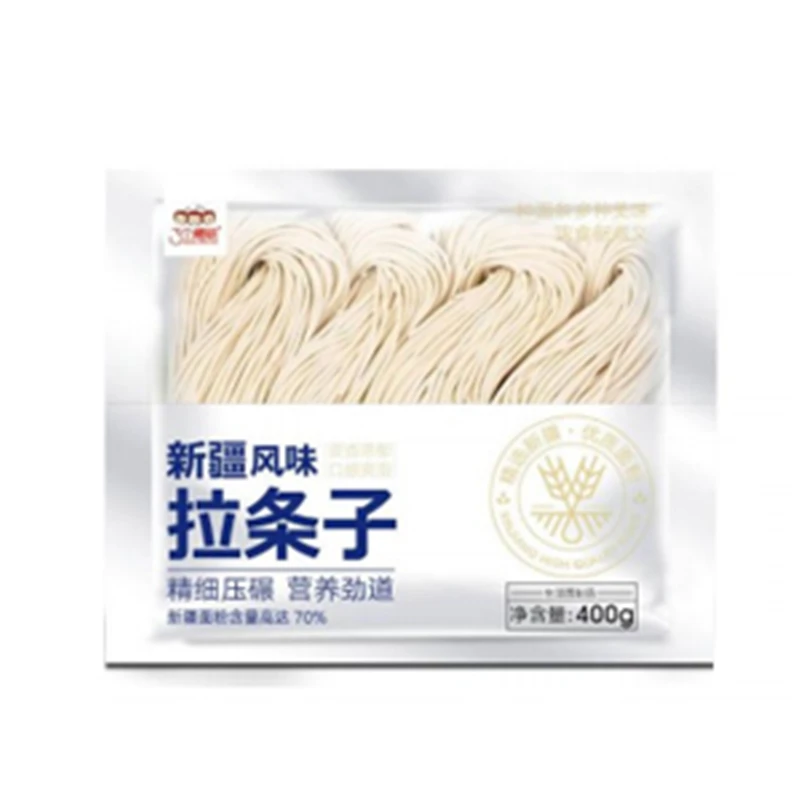
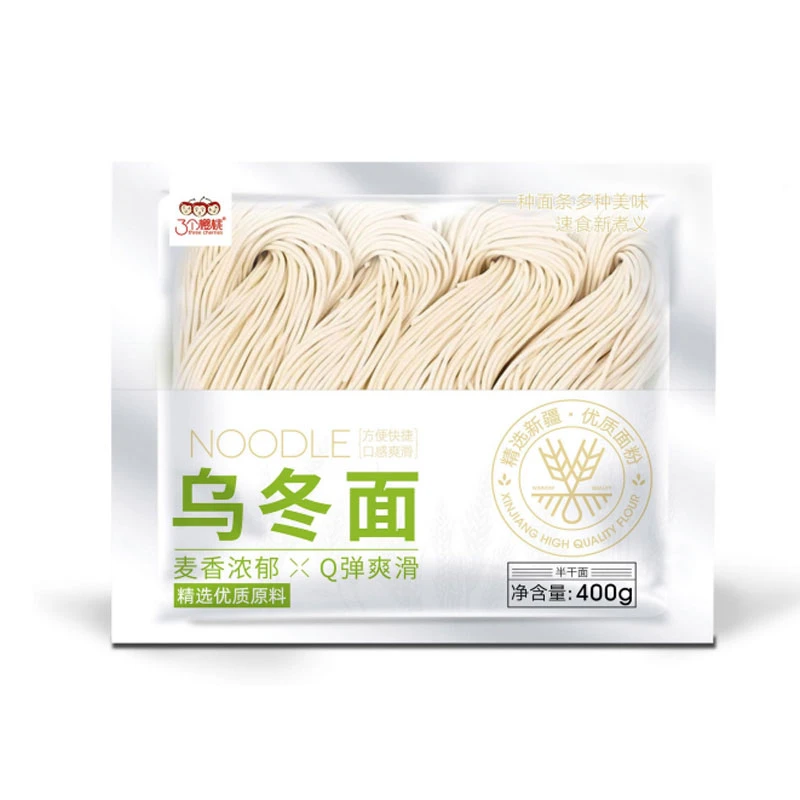
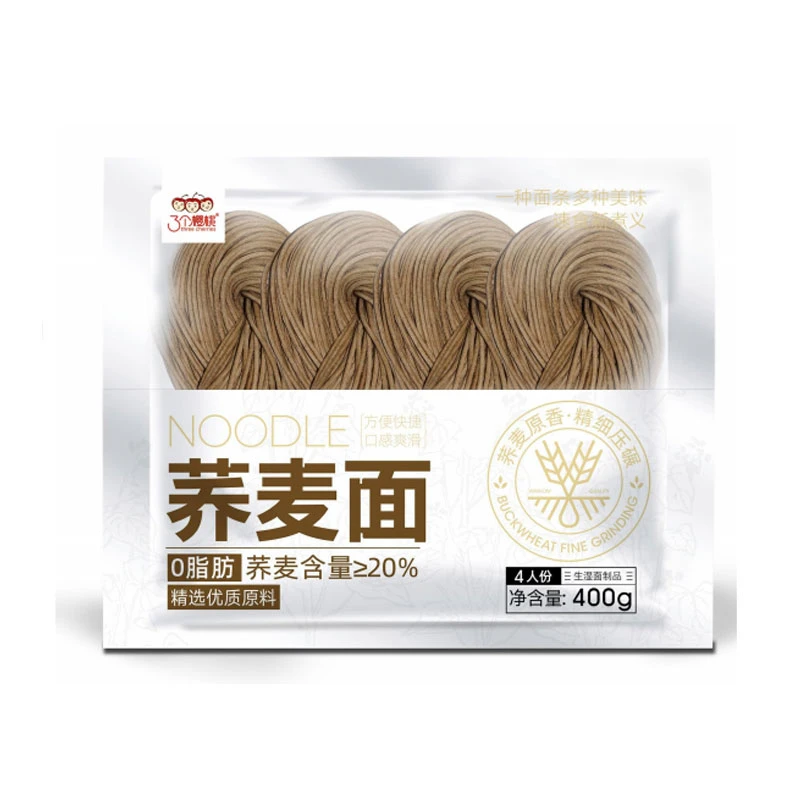
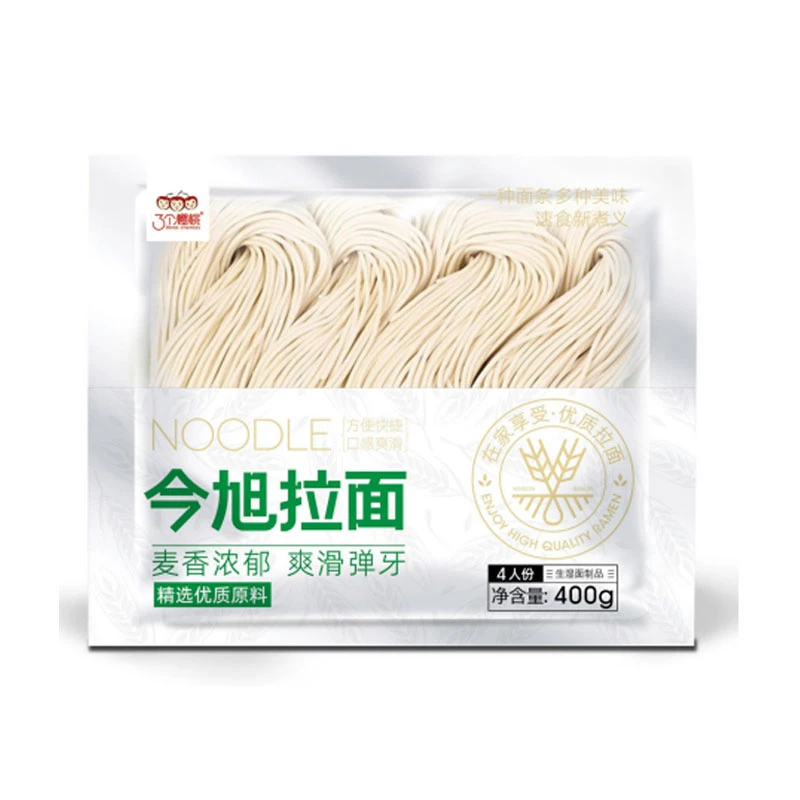
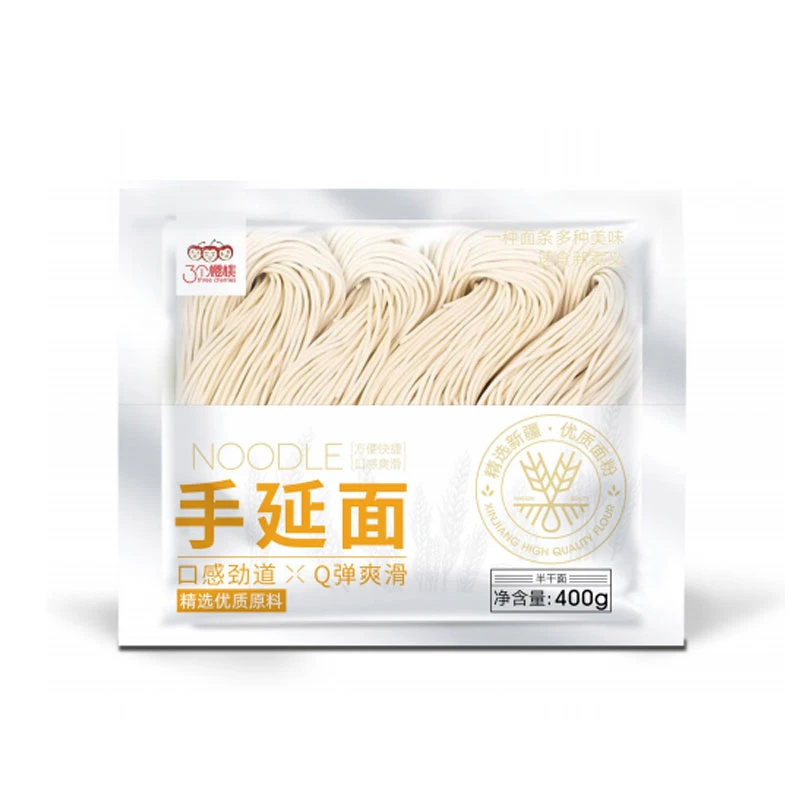
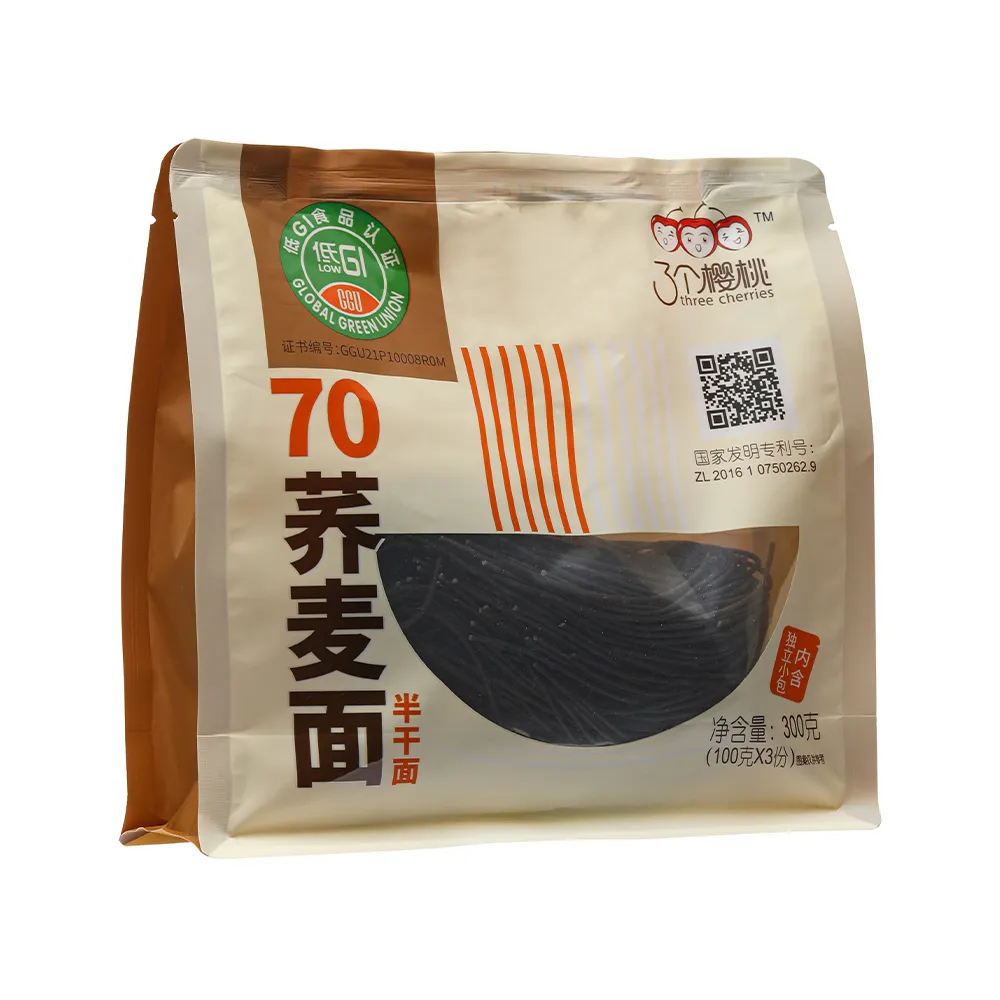
These aren’t your everyday ramen noodles, obviously. We're talking about semi-dry wheat noodles specifically designed for naengmyeon – the Korean cold noodle dish. The key is the lower moisture content, which gives them a fantastic texture and extends the shelf life considerably. I’ve seen some operations struggle with spoilage issues using cheaper alternatives; JX really addresses that. They use a specific blend of wheat flour and starch, and the drying process is, well, it’s a bit of a trade secret, but it involves controlled humidity and temperature over a pretty extended period. This isn't just about making noodles, it’s about engineering a consistent product. Here's a look at the key specs:
| Specification | Value | Details |
|---|---|---|
| Moisture Content | 14-16% | Optimized for long shelf life |
| Wheat Flour Protein | 11-12% | Ensures chewy texture |
| Shelf Life | 12 Months | When stored properly |
Benefits & Use Cases of Naengmyeon Noodles Buy
The primary use case, obviously, is restaurants serving naengmyeon. But it goes beyond that. I’ve spoken to food service companies who use these for in-flight meals – the extended shelf life is a huge benefit there. There's also a growing demand for Korean cuisine in institutional settings, like university dining halls and corporate cafeterias. The noodles are easy to prepare and consistent in quality. Customization is also an option; JX can adjust the thickness and starch content to meet specific requirements. This is key for larger clients. Compared to other suppliers, they seem more willing to work with custom orders.
| Vendor | Minimum Order Quantity | Customization Options | Price (per kg) |
|---|---|---|---|
| JX Semi-Dry Noodles | 500kg | High - thickness, starch content | $4.50 |
| Korean Noodle Co. | 1000kg | Limited | $4.00 |
| Asia Food Imports | 2000kg | None | $3.75 |
Cost, Maintenance & User Experience
The price point is competitive – a little higher than some of the mass-produced options, but you're paying for quality and consistency. A customer I spoke with, a regional distributor, told me they initially hesitated at the cost, but the reduced waste and fewer customer complaints more than offset the difference. That's the real ROI, I suppose. As for maintenance, there’s not much to maintain; these are dry noodles! Proper storage – cool, dry place – is the key. User experience, from a chef’s perspective, is generally positive. They cook quickly and hold their shape well. I've heard from a few chefs that they appreciate the consistent texture; it makes their job easier.
Sustainability & Market Trends
The market for authentic Korean cuisine is steadily growing, which obviously drives demand for ingredients like naengmyeon noodles. There’s a lot of talk now about traceability and sustainable sourcing. JX doesn't explicitly shout about sustainability on their website, but they are sourcing their wheat locally, which is a good start. Oddly enough, the increased focus on health and wellness also plays a role; naengmyeon is often perceived as a lighter, healthier option compared to other noodle dishes, especially when paired with fresh vegetables. The trend toward convenience is also impacting things – pre-portioned noodles are becoming more popular.
Frequently Asked Questions about Naengmyeon Noodles Buy
- What is Naengmyeon Noodles Buy and how does it work?
- Naengmyeon Noodles Buy refers to the procurement of semi-dry wheat noodles specifically made for the Korean cold noodle dish, naengmyeon. The process involves B2B transactions, ensuring restaurants or food service businesses receive bulk quantities with consistent quality and shelf life.
- What are the main benefits of using Naengmyeon Noodles Buy in industrial applications?
- Key advantages include extended shelf life, consistent texture for culinary purposes, reduced spoilage, and potential for customization based on specific business needs, leading to cost savings and improved product quality.
- How does Naengmyeon Noodles Buy compare to traditional alternatives?
- Compared to traditional options, Naengmyeon Noodles Buy from reputable suppliers like JX offers improved consistency, longer shelf life, and a higher degree of customization, minimizing waste and enhancing operational efficiency.
- What industries can benefit most from Naengmyeon Noodles Buy implementation?
- Primary sectors include restaurants specializing in Korean cuisine, food service companies supplying in-flight meals, university dining halls, and corporate cafeterias seeking to expand their menu diversity.
Conclusion on Naengmyeon Noodles Buy from china
So, if you're serious about naengmyeon and need a reliable, scalable source of noodles, JX Semi-Dry Noodles is definitely worth investigating. They’re not the cheapest, but the quality and consistency… it makes a difference. Visit our website for a quote and more details.
-
Discover the Refreshing Taste of Authentic Korean Cold SobaNewsApr.09,2026
-
Discover the Refreshing Taste of Korean Cold Buckwheat Noodles NaengmyeonNewsApr.07,2026
-
Discover the Cool and Refreshing World of Korean Buckwheat Noodles ColdNewsApr.04,2026
-
Discover the Refreshing Taste of Japanese Cold Buckwheat Noodles and Zaru SobaNewsMar.31,2026
-
Exploring the Delicious World of Chinese Style Cold NoodlesNewsMar.28,2026
-
Discover the Cool and Refreshing World of Korean Cold Soba NoodlesNewsMar.26,2026
-
Discover the Refreshing World of Japanese Cold Soba Noodle CuisineNewsMar.24,2026
Browse qua the following product new the we