Premium low calorie soba noodles Solution for Argentina

Revolutionizing the Argentine pasta market with healthy, authentic, and industrial-scale chilled noodle technology.

Premium low calorie soba noodles Solution for Argentina

Providing high-efficiency production lines for buckwheat cold noodle and specialty pasta to meet the growing health consciousness in the South American market.

The Evolution of Noodle Consumption in Argentina

Analyzing the transition from traditional wheat pasta to functional chilled noodles.

Argentina has a deeply rooted pasta culture due to its European heritage, but the market is currently shifting toward functional foods. With the rise of health-conscious urban populations in Buenos Aires and Córdoba, there is a surging demand for cold soba as a nutrient-dense alternative to heavy traditional pastas.

Climate-wise, the increasing frequency of intense summer heatwaves in the Pampas region has created a seasonal gap for chilled noodle products. Local manufacturers are struggling to transition from dry pasta extrusion to the precise moisture control required for semi-dry and cold-chain products.

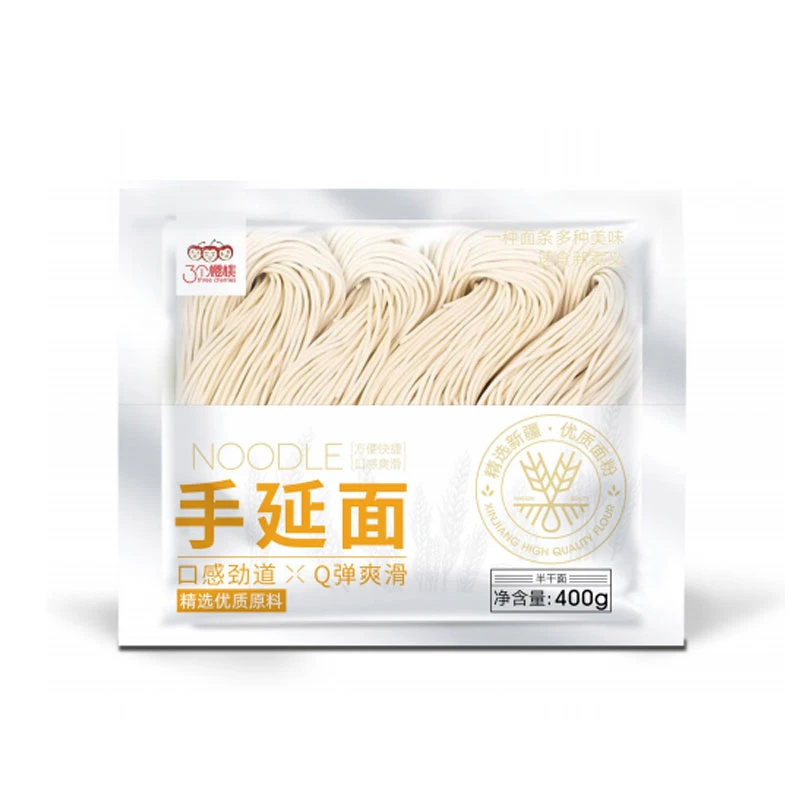
Economically, the push for "Clean Label" ingredients is driving the food industry to explore homemade pasta noodles quality at an industrial scale, blending traditional artisanal textures with modern preservative-free vacuum packaging technologies.
Technical Trajectory of Grain Processing in Argentina

From traditional dough kneading to automated chilled production lines.

Market Development History

From 1950 to 2000, the Argentine market was dominated by durum wheat pasta. Production was focused on high-gluten stability for boiling, with little emphasis on cold-consumption formats.

Between 2010 and 2020, the "Asian Wave" introduced the concept of buckwheat cold noodle to high-end gastronomy. However, production remained artisanal and lacked the stability for supermarket retail distribution.

Since 2021, the integration of semi-dry technology has allowed for the mass production of noodles that maintain "fresh" characteristics without the extreme shelf-life limitations of raw dough.

Future Development Trends

Nutritional Fortification

Integration of local Andean grains into the soba production process to create regionalized functional noodles.

Cold-Chain Optimization

Implementation of Modified Atmosphere Packaging (MAP) to extend the freshness of chilled products across vast geographic distances.

Low-Glycemic Index (GI) Focus

Increasing the buckwheat ratio to cater to the diabetic-friendly market, expanding the reach of low calorie soba noodles.

Future Trends and Strategic Outlook

Predicting the next 5 years of the Argentine noodle manufacturing sector.

Plant-Based Transition
Replacing egg-based binders with plant-proteins for a wider vegan demographic in Argentina.
Automation 4.0
AI-driven moisture sensors to ensure consistency in chilled noodle textures.
Eco-Packaging
Biodegradable films for retail-ready cold soba packs to meet ESG targets.
Hyper-Localization
Customizing flavor profiles to match the Argentine palate using local herbs.

Industry Outlook

Based on Google search trends in South America, queries for "gluten-free" and "low calorie" alternatives are growing by 15% annually. This indicates a massive opportunity for manufacturers to pivot from basic flour products to high-value low calorie soba noodles.

We expect a convergence of the "Quick-Service Restaurant" (QSR) model and healthy eating, where chilled noodle bases allow for rapid assembly and serving, reducing operational costs for urban eateries in Argentina.

Localized Application Scenarios in Argentina

How our noodle technology fits into the Argentine culinary landscape.

01. Gourmet Urban Lunch Bowls

Fast-paced business districts in Buenos Aires utilizing chilled noodle bases for rapid, healthy lunch options targeting office professionals.

02. Artisanal Market Expansion

Local boutique producers upgrading to semi-dry machines to maintain the texture of homemade pasta noodles while extending shelf life for regional distribution.

03. Summer Seasonal Menus

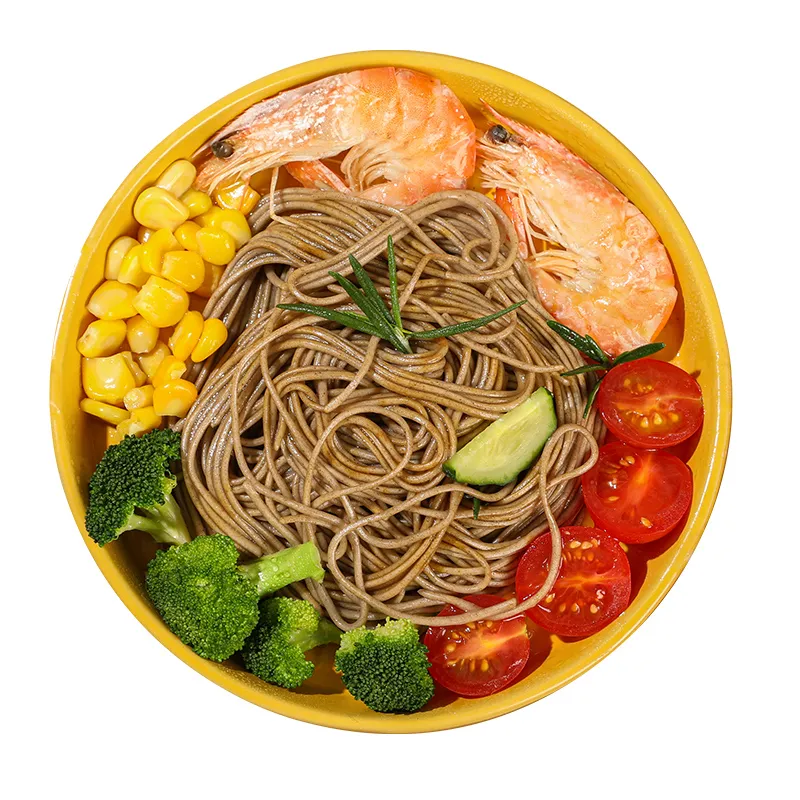
High-end restaurants in Mar del Plata incorporating cold soba as a refreshing appetizer during the peak tourist season.

04. Health-Focused Retail Packs

Supermarket chains launching a "Wellness Line" featuring low calorie soba noodles for the growing fitness community.

05. Fusion Gastronomy Hubs

Creative chefs blending Japanese buckwheat cold noodle techniques with traditional Argentine chimichurri and grilled proteins.

Brand Story

Global Development Journey of Hebei Jinxu Noodle Industry Co., Ltd.

Founding Vision

Established with the goal of bridging the gap between artisanal quality and industrial efficiency in grain processing.

Technical Breakthrough

Developing the proprietary semi-dry process that eliminates the need for excessive chemical preservatives in cold noodles.

Global Expansion

Scaling operations to serve South America, adapting machinery to handle diverse grain types found in the region.

Sustainable Innovation

Investing in energy-efficient extrusion technology to reduce the carbon footprint of food manufacturing.

Future Mission

To empower every food producer in Argentina to deliver healthy, fresh-tasting noodles to the global table.

Comprehensive Product Portfolio for Argentina

From raw materials to fully automated production lines for specialty noodles.

Argentina Market FAQ

Expert answers regarding the implementation of chilled noodle production.

How to maintain the texture of buckwheat cold noodle during long-distance transport in Argentina?

We utilize advanced semi-dry technology and vacuum packaging, which stabilizes the moisture content and prevents staling, making them ideal for the Argentine logistics network.

What is the calorie difference in low calorie soba noodles compared to wheat pasta?

Our soba noodles use a higher ratio of buckwheat, which is lower in calories and higher in fiber and protein than traditional refined wheat pasta.

Can I produce homemade pasta noodles quality using your industrial machines?

Yes, our equipment mimics traditional kneading and cutting processes through precision pressure control, ensuring an artisanal mouthfeel at high volumes.

Is the cold soba equipment compatible with local Argentine grain varieties?

Our machines are designed with adjustable settings for different flour viscosities, making them fully compatible with locally sourced Argentine grains.

What are the shelf-life advantages of chilled noodle production?

By optimizing the drying and cooling phase, we extend the fresh-state shelf life from 3 days to several weeks without compromising taste.

How do I start a low calorie soba noodles business in Buenos Aires?

We provide a full turnkey solution including equipment selection, staff training, and recipe optimization tailored for the local market.

Ready to Transform Your Production?

Our technical experts are ready to help you launch your noodle venture in Argentina.

Contact Us Now

If you are interested in our products, you can choose to leave your information here, and we will be in touch with you shortly.