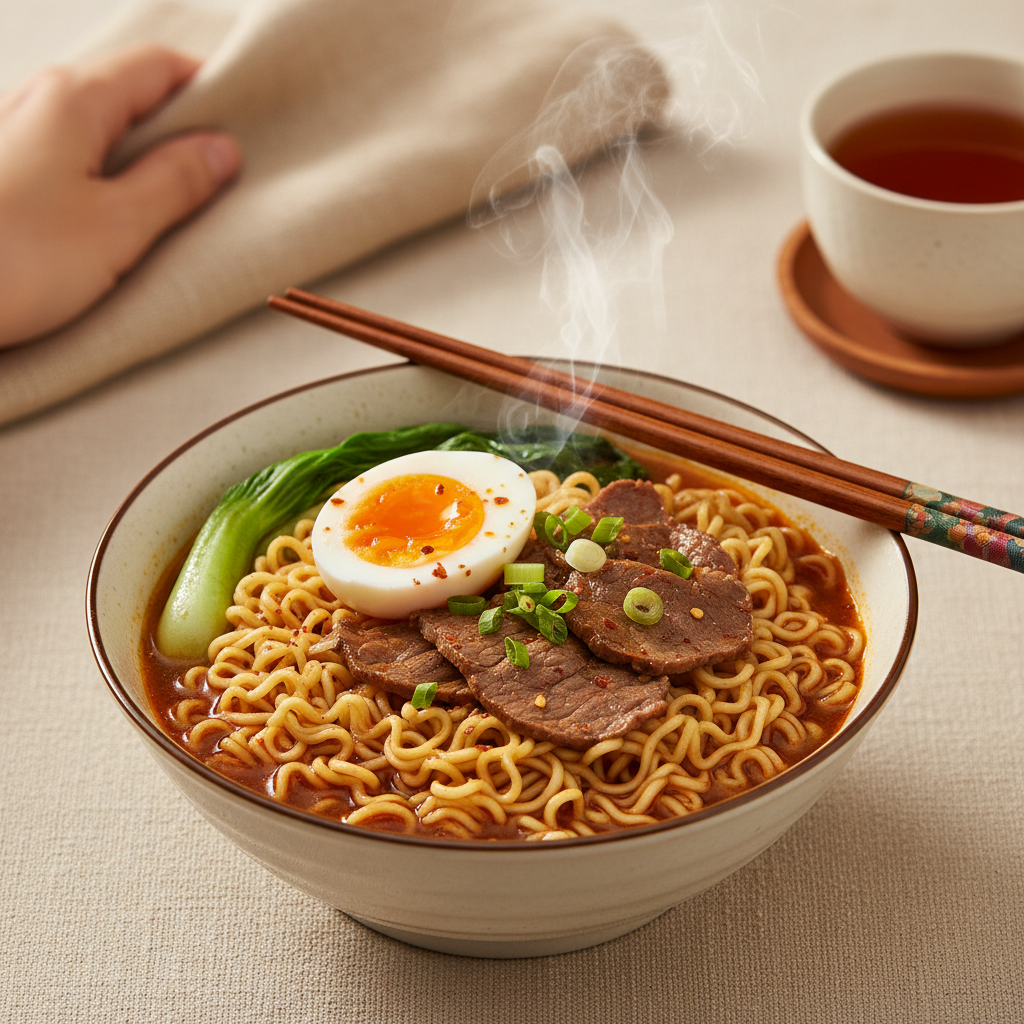
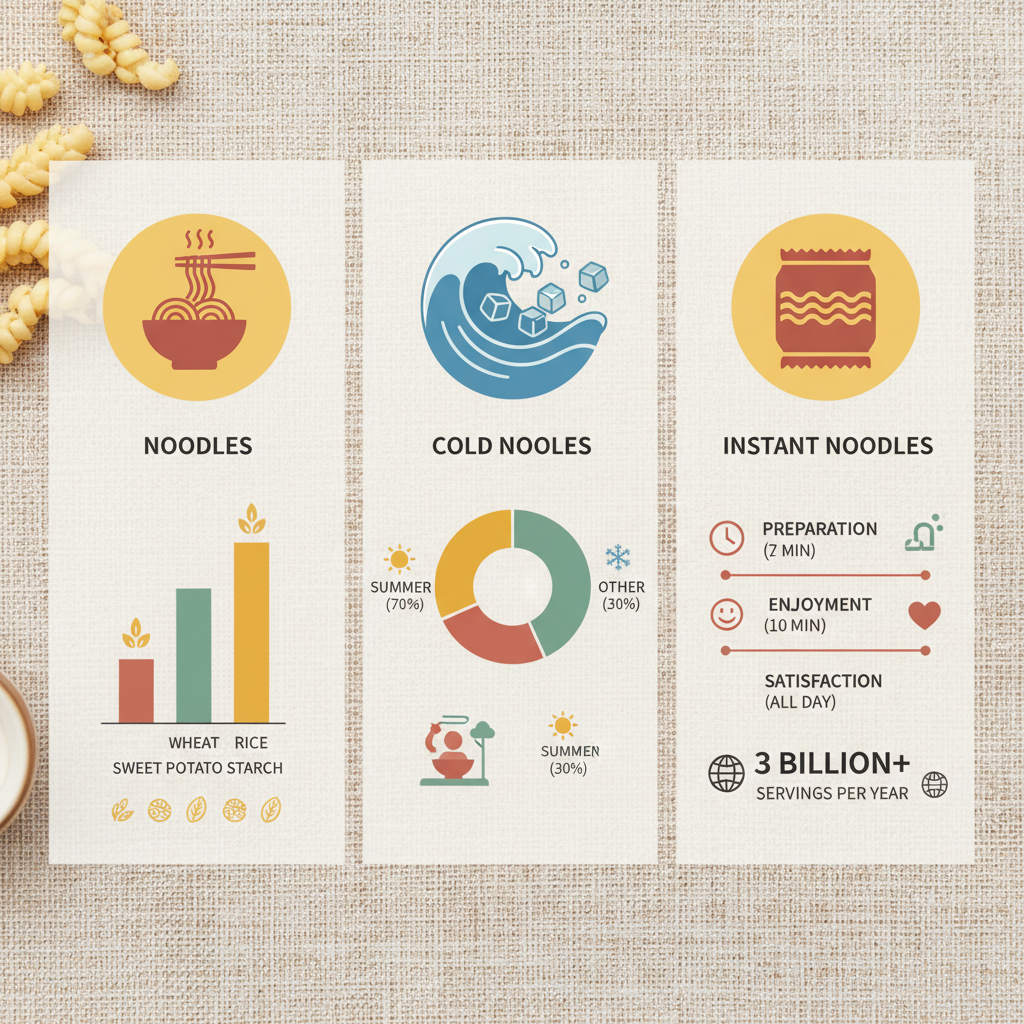
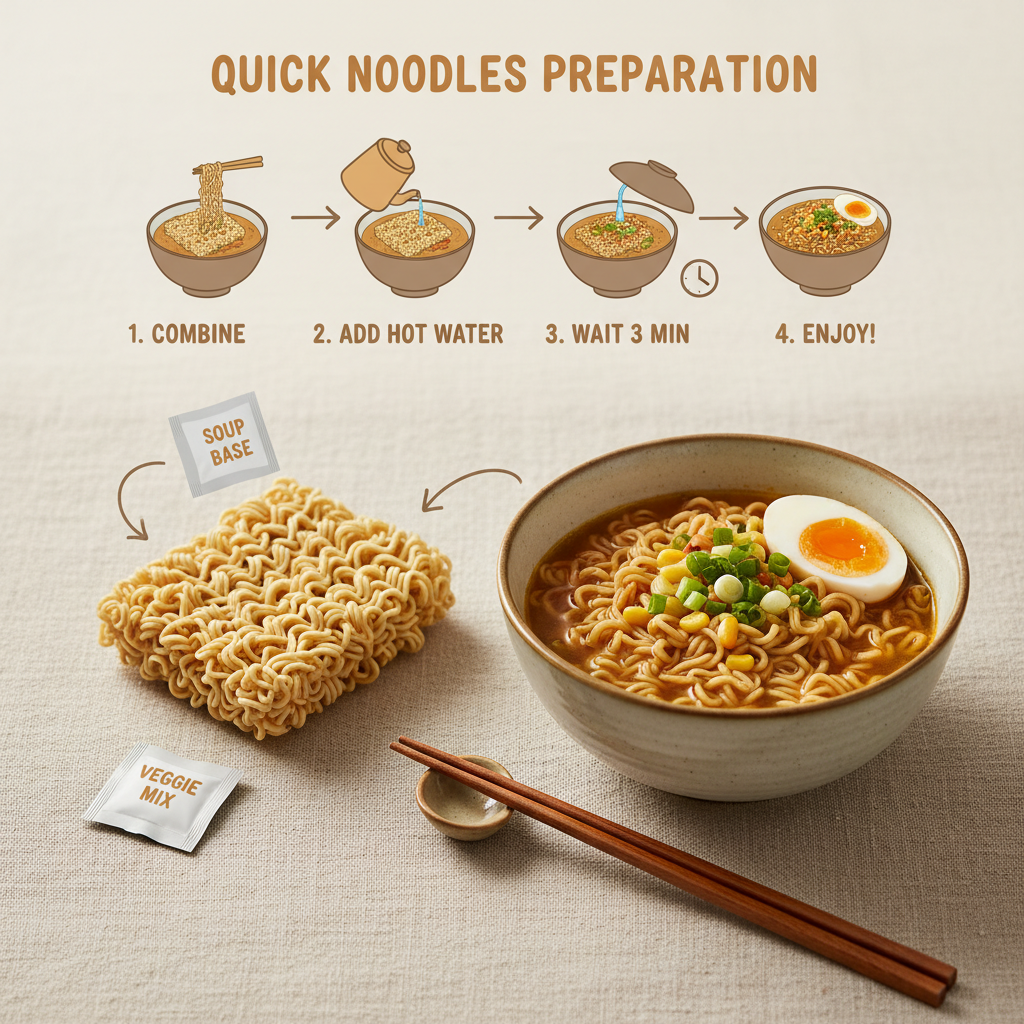
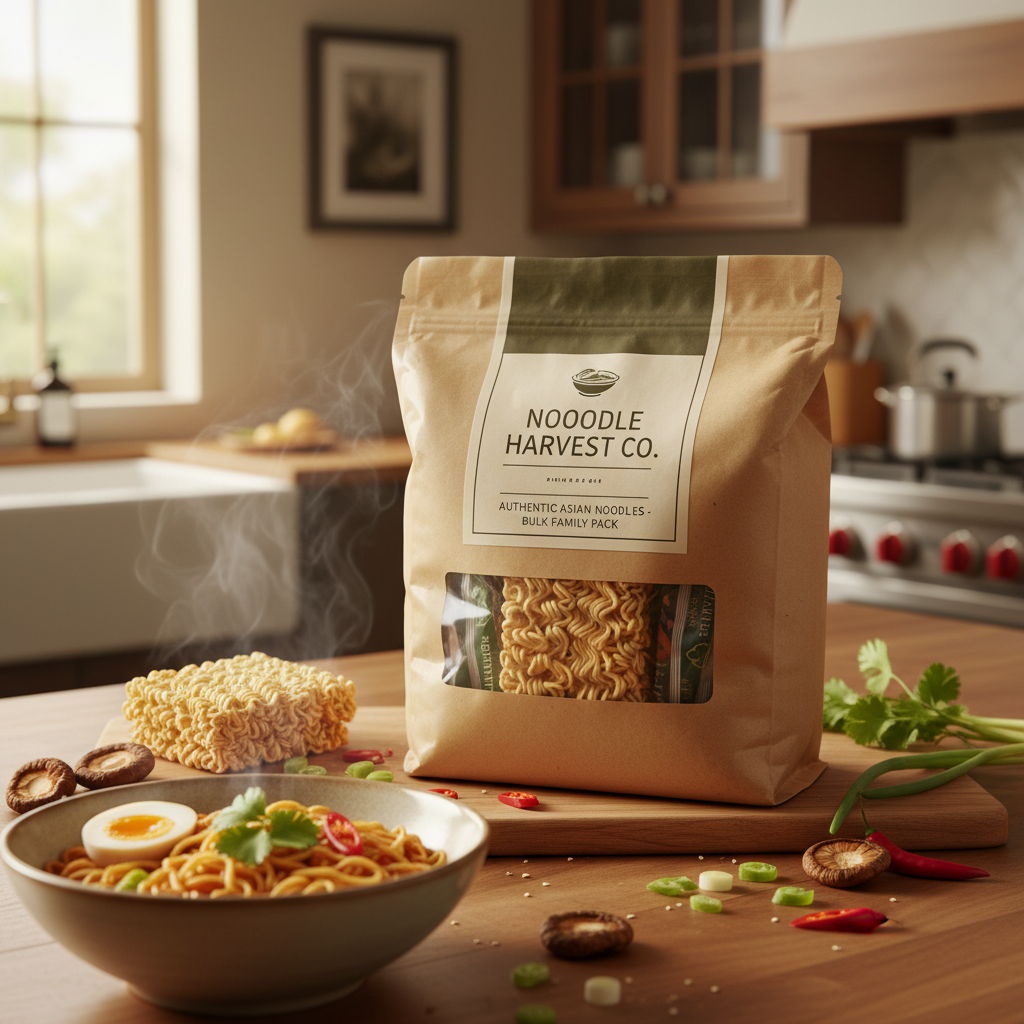
The global landscape of convenient dining has been fundamentally reshaped by the rise of chinese instant noodles, a culinary innovation that blends ancient wheat-processing traditions with modern industrial efficiency. Beyond being a simple quick-meal solution, these products represent a sophisticated intersection of food science and cultural export, catering to an increasingly fast-paced urban population worldwide. Understanding the nuances of their production and variety is essential for wholesalers and consumers who seek a balance between convenience and authentic taste.
From the perspective of global food security and accessibility, the scalability of chinese instant noodles has made them a staple in diverse environments, ranging from high-density metropolitan hubs to emergency relief zones. The ability to preserve nutritional value while ensuring a long shelf life without excessive refrigeration is a testament to the advanced dehydration and frying (or non-frying) technologies employed in the grain processing industry.
However, as consumer preferences shift toward health-conscious options, the industry is undergoing a significant transformation. The integration of organic flours, low-calorie alternatives like soba, and the removal of synthetic preservatives are redefining what it means to be "instant." This evolution ensures that the legacy of these noodles continues to grow, adapting to the E-E-A-T principles of quality, reliability, and nutritional transparency.
The Industrial Evolution of Chinese Instant Noodles
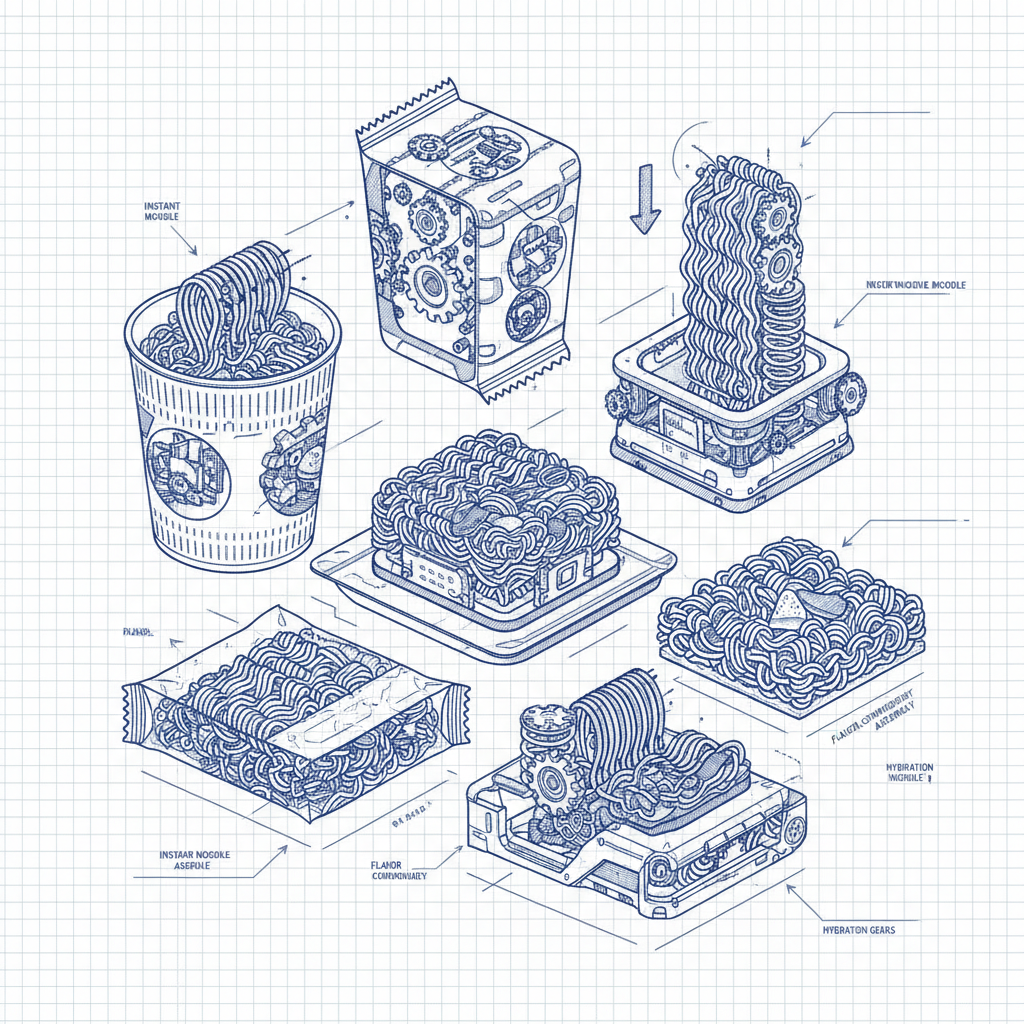
The journey of chinese instant noodles from a niche convenience item to a global phenomenon is rooted in the optimization of the steaming and drying process. Early iterations relied heavily on deep-frying to create a porous structure that allows for rapid rehydration; however, modern industrial standards have shifted toward air-drying and vacuum-drying to reduce fat content and improve the "mouthfeel" of the final product.
Today, the industry leverages automated production lines that maintain strict temperature controls and humidity levels, ensuring that every batch of noodles maintains a consistent elasticity. This industrialization has not only reduced costs but has also allowed for the diversification of the product line, incorporating everything from organic wheat to bamboo-infused fibers, broadening the appeal of these convenient meals.
Core Components of High-Quality Noodle Production
The foundation of premium chinese instant noodles lies in the selection of high-protein wheat flour, which determines the gluten network's strength. A robust gluten structure is critical for preventing the noodles from becoming mushy during the rapid boiling process, providing that characteristic "al dente" bite that consumers associate with fresh, handmade noodles.
Beyond the flour, the alkalinity of the water—often adjusted using kansui (alkaline water)—plays a pivotal role in the color and texture. This chemical interaction not only gives the noodles their signature yellowish hue but also enhances the flavor profile, allowing the noodle to stand up against bold, savory seasonings and complex broths.
Finally, the integration of advanced steaming technology ensures that the starch is properly gelatinized before the drying phase. This precision prevents internal cracking and ensures that the rehydration process is uniform, allowing the noodles to return to a fresh-like state in under five minutes, regardless of the cooking environment.
Nutritional Engineering and Dietary Adaptations
In the modern era, chinese instant noodles are no longer viewed merely as empty calories; instead, they are being re-engineered for health. Fortification with vitamins, minerals, and plant-based proteins has become standard for brands targeting health-conscious demographics, transforming a convenience food into a functional meal.
The rise of "Low Calorie Soba" and "Organic Noodles" within the chinese instant noodles category reflects a broader shift toward clean-label ingredients. By replacing refined flour with whole grains and reducing sodium levels in seasoning packets, manufacturers are successfully bridging the gap between instant convenience and holistic nutrition.
Furthermore, the development of gluten-free variations using rice or buckwheat flours ensures that these products are inclusive of all dietary restrictions. This inclusivity is driving growth in Western markets, where the demand for allergen-free, fast-cooking options has surged, cementing the global relevance of diversified noodle production.
Market Performance and Consumer Preference Analysis
The market for chinese instant noodles is characterized by a strong preference for variety and authentic flavor profiles. Consumer data indicates a growing trend toward "premiumization," where buyers are willing to pay more for handmade-style textures and organic certifications, moving away from the ultra-cheap, low-quality segments of the past.
Analysis of regional preferences shows that while Asian markets favor bold, spicy, and savory notes, Western markets are increasingly leaning towards fusion flavors and healthier, low-sodium alternatives. This divergence requires manufacturers to employ agile production strategies to cater to localized tastes without sacrificing the core efficiency of the instant format.
Comparative Consumer Rating for Chinese Instant Noodles Categories
Global Applications and Distribution Logistics
The distribution of chinese instant noodles extends far beyond retail shelves. In humanitarian sectors, these products are vital for disaster relief operations due to their extreme stability, ease of transport, and minimal requirement for clean water or electricity for preparation, providing dignity and sustenance to displaced populations.
In commercial sectors, the "Catering Noodles" series allows restaurants and fast-food outlets to maintain consistent quality while reducing preparation time. By utilizing semi-dry or instant bases, chefs can focus on the gourmet toppings and broths, effectively scaling their operations without losing the essence of a home-cooked meal.
Sustainability and Eco-Friendly Packaging Trends
As environmental scrutiny increases, the chinese instant noodles industry is aggressively pivoting toward sustainable packaging. The shift from non-recyclable polystyrene (Styrofoam) cups to biodegradable PLA or FSC-certified paper containers is reducing the carbon footprint of the convenience food sector.
Moreover, manufacturers are optimizing their supply chains to reduce waste. The implementation of "Lean Manufacturing" in grain processing ensures that byproduct wheat bran is repurposed for animal feed or bio-energy, creating a circular economy that minimizes industrial runoff and energy consumption.
Digital transformation is also playing a role, with blockchain technology being used to track the journey of wheat from organic farms to the final packaging plant. This transparency not only satisfies regulatory requirements but also builds trust with the consumer, who can now verify the sustainability claims of their favorite noodles.
Comparative Analysis of Noodle Processing Methods
Choosing the right processing method for chinese instant noodles depends on the intended end-use and nutritional targets. While frying provides a distinct flavor and rapid rehydration, air-drying is the gold standard for health-focused lines, as it eliminates trans fats and preserves the natural integrity of the wheat.
The "Semi-Dry" method is an emerging middle ground, offering a shorter shelf life than fully dried noodles but a significantly superior texture that mimics fresh pasta. This is particularly popular in the "Handmade Noodles" segment, where the goal is to provide a gourmet experience with minimal effort.
Ultimately, the synergy between temperature control, moisture removal, and ingredient purity determines the commercial success of the product. The following table analyzes these methods across several key performance indicators.
Core Comparison of Chinese Instant Noodles Processing Technologies
|
Processing Method
|
Rehydration Speed
|
Nutritional Profile
|
Shelf Life (Months)
|
| Traditional Fried |
Ultra-Fast (3 min) |
Higher Fat Content |
12-18 |
| Hot Air Dried |
Moderate (5 min) |
Low Fat, High Fiber |
9-12 |
| Vacuum Dried |
Fast (4 min) |
Nutrient Preserved |
12-15 |
| Semi-Dry/Fresh-Style |
Slow (7-10 min) |
Premium Texture |
3-6 |
| Organic Freeze-Dried |
Instant (2 min) |
Highest Purity |
18-24 |
| Bamboo Fiber Infused |
Moderate (5 min) |
High Micronutrients |
10-12 |
FAQS
Premium versions typically use high-protein organic wheat, employ non-frying (air-drying) techniques to reduce calories, and avoid synthetic MSG in favor of natural extracts. The texture is often more similar to fresh noodles, and the packaging is usually more sustainable.
Yes, when processed correctly. Low-calorie soba often incorporates buckwheat, which has a lower glycemic index than refined wheat. By reducing the starch content and eliminating frying oils, these noodles provide a nutrient-dense alternative for those managing weight or blood sugar.
Quality assurance should focus on certification (ISO, HACCP, Organic), moisture content analysis to prevent mold, and sampling for "elasticity" and "rehydration time." Partnering with manufacturers who provide transparent blockchain tracking of raw materials is also highly recommended.
Absolutely. The "Catering Noodles" series is specifically designed for B2B use. They provide a consistent base that can be customized with fresh proteins and gourmet broths, allowing restaurants to serve high-quality noodle dishes with a fraction of the traditional prep time.
Non-fried or air-dried noodles generally have a shelf life of 9 to 12 months, slightly shorter than fried versions because they lack the preservative effect of oil. However, vacuum packaging can extend this period while maintaining nutritional integrity.
Most noodle bases are naturally vegan (wheat and water). The key is the seasoning packet. Many modern manufacturers now offer plant-based broth bases made from mushrooms, seaweed, and soy to cater to the growing global vegan population.
Conclusion
The evolution of chinese instant noodles reflects a broader industrial shift toward balancing convenience with health, sustainability, and authentic quality. From the precision of air-drying technologies to the integration of organic ingredients and eco-friendly packaging, the industry has moved beyond "fast food" to become a sophisticated sector of the global food economy. By prioritizing E-E-A-T principles—expertise in grain processing, authoritativeness in nutritional standards, and trustworthiness in sourcing—manufacturers are ensuring the long-term viability of this essential product.
Looking ahead, the integration of personalized nutrition and further automation in production will likely define the next generation of instant meals. For businesses and distributors, the opportunity lies in diversifying portfolios to include low-calorie and organic variations that meet the stringent demands of the modern consumer. To explore high-quality, industrially optimized noodle solutions, we invite you to visit our website: www.jxsemidrynoodles.com