
Discover the Different Types of Soba: From Traditional Noodles to Global Food Innovation
Unlocking the World of Different Types of Soba: More Than Just Noodles
When one hears the word soba, most likely they picture those delicate Japanese buckwheat noodles served chilled with dipping sauce or in a warm broth. But the phrase different types of soba encompasses a fascinating variety that’s not only culinary but cultural, agricultural, and even industrial in scope. Why does understanding these varieties matter on a global stage? Because soba, in its many forms, reflects intricate food traditions, regional agronomic practices, and growing demands for nutritious, sustainable crops worldwide.
From Japan’s centuries-old soba-making traditions to emerging food innovation markets elsewhere, knowing different types of soba unlocks doors to health-conscious diets, revitalization of rural economies, and a platform for global cuisine exchange. Let’s unpack this topic with a fresh perspective, and yes, a bit of appetite for knowledge.
A Global Lens: Why Different Types of Soba Are More Relevant Than Ever
According to the Food and Agriculture Organization of the United Nations (FAO), buckwheat, the main ingredient in soba, is cultivated in over 60 countries and contributes to food security in various climates, particularly in marginal lands unsuitable for other cereals. Interestingly, global buckwheat production has seen steady growth, largely driven by increasing awareness about its gluten-free, high-protein profile.
But here’s the thing: not all soba is created equal. Variations in buckwheat strain, processing methods, and noodle preparation techniques yield soba that caters to different tastes, textures, and kitchen needs. This diversity is crucial, especially when industries and farmers seek resilient crops amid climate change-induced pressures.
Yet, global markets face challenges around standardization, supply chain consistency, and consumer education. That’s where a deeper dive into soba types helps — it fosters innovation that blends tradition with modern needs.
Mini takeaway:
- Different types of soba are connected to agricultural sustainability and global food trends.
- Understanding soba diversity supports crop resilience and market growth.
Defining Different Types of Soba: More Than Just Buckwheat Noodles
At its core, soba refers to noodles made primarily from buckwheat flour, but the classification varies by how much buckwheat is used and additional ingredients included. For instance:
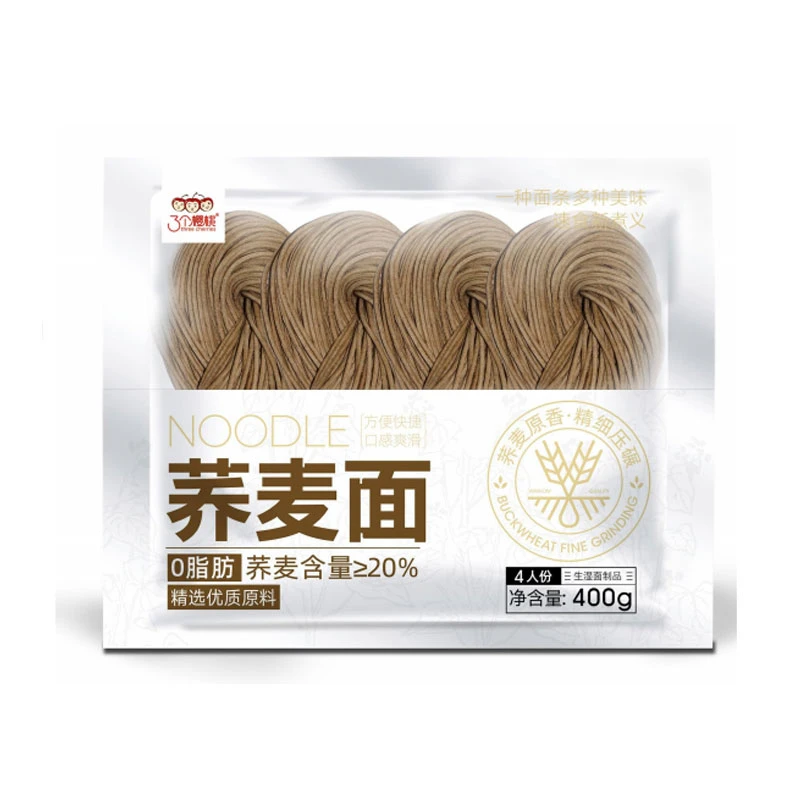
- Ju-wari soba (100% buckwheat): Gluten-free, denser, and requiring delicate handling to avoid breaking.
- Hachi-wari soba (80% buckwheat + 20% wheat): More common due to better elasticity and easier preparation.
- Ni-wari soba (50% buckwheat + 50% wheat): Popular in some regions, offering a balanced texture.
Beyond noodle types, soba incorporates diverse regional styles — for example, “Izumo soba” from Shimane Prefecture, known for darker, nuttier noodles, or Okinawan soba made from wheat but carrying the name for tradition’s sake.
Modern food tech also introduces soba derivatives like soba flour products, soba-based snacks, and even soba in gluten-free baking.
Mini takeaway:
- Soba types vary by buckwheat content and recipe.
- These variations cater to texture, dietary needs, and cultural uniqueness.
What Makes Each Type of Soba Unique? Core Components to Consider
1. Buckwheat Content and Quality
The primary factor distinguishing soba types is the percentage and quality of buckwheat flour. High buckwheat content means more nutritional benefits (like rutin and fiber) but also higher fragility in noodle-making.
2. Gluten Presence
Wheat flour adds gluten for better elasticity and chewiness but excludes those with gluten intolerance. The choice of blending affects texture and market appeal.
3. Regional Processing Techniques
Handmade soba versus machine-cut noodles yield different finishes — some prefer rustic, uneven noodles; others want uniform shapes for presentation or cooking speed.
4. Culinary Preparation and Serving Styles
Some soba is best enjoyed cold with dipping sauce (zaru soba), while others shine in hot broth or stir-fried. These styles influence noodle thickness and flour ratios.
5. Cultivar and Agricultural Practices
Buckwheat varieties, soil health, and climate impact flavor profiles and yield, connecting soba to environmental sustainability.
Mini takeaway:
- Technical and regional nuances shape each soba type’s identity.
- Applications depend on these fundamental factors, from gluten levels to local traditions.
Real-World Applications of Different Types of Soba
Across Asia, Europe, and surprisingly North America, soba enjoys growing popularity in various culinary and industry sectors. Japanese restaurants worldwide specialize in soba, with menus highlighting distinct types and regional varieties. Meanwhile, health food brands promote soba flour products emphasizing gluten-free benefits.
In rural Japan, soba farming supports local economies and preserves biodiversity. Some NGOs have even promoted buckwheat cultivation in post-disaster recovery areas to diversify crops and improve nutrition.
Meanwhile, culinary innovators experiment with soba in pasta blends, baked goods, and snacks, widening its consumer base.
Mini takeaway:
- Soba’s versatility drives industry, agriculture, and nutrition efforts worldwide.
- Its adoption spans traditional and modern uses, sustaining local livelihoods.
Advantages & Long-Term Value of Embracing Different Types of Soba
On the surface, soba’s famous health benefits—high protein, low calories, rich in antioxidants like rutin—are compelling. But there’s more:
- Sustainability: Buckwheat grows fast, requires fewer chemicals, and thrives on poor soils, making it eco-friendly.
- Economic Resilience: Growing niche crops like soba can revitalize rural communities and diversify income.
- Gastro-cultural Trust: Soba brings people together around shared meals that emphasize respect and tradition.
In short, it’s a food that nourishes body, environment, and culture simultaneously.
Table: Sample Product Specifications of Popular Sobas
| Soba Type | Buckwheat Content | Gluten Presence | Typical Texture | Common Use |
|---|---|---|---|---|
| Ju-wari (100%) | 100% | Gluten-free | Firm, brittle | Traditional chilled or hot soba |
| Hachi-wari (80%) | 80% | Contains gluten | Elastic, soft | Everyday noodles |
| Ni-wari (50%) | 50% | Contains gluten | Chewy, smooth | Fusion recipes, stir-fry |
Comparing Leading Soba Vendors: Quality and Value
| Vendor | Range of Products | Organic Options | Price Range | Shipping (Global) |
|---|---|---|---|---|
| Soba Masters Co. | Traditional & fusion soba | Yes | $$$ | Worldwide |
| NoodleNippon | Hachi-wari & instant soba | Limited | $$ | Asia, North America |
| GreenGrain Organics | 100% organic buckwheat soba | Yes, fully certified | $$$ | Selective countries |
Looking Ahead: Future Trends and Innovations in Soba
Just as food tech revolutionizes other staples like rice and wheat, soba is seeing innovation across several fronts:
- Breeding Resilient Buckwheat Varieties: Bioengineering for drought tolerance, increasing yield, and enhancing bioactive compounds.
- Gluten-Free and Vegan Products: Expanding soba into health-oriented markets with creative recipes.
- Digital Farming & Traceability: Blockchain and AI help track quality from field to table.
- Sustainable Packaging: Leveraging eco-friendly materials aligns soba products with green consumer values.
If you’re fascinated by how soba intersects tradition, science, and commercial appeal, these advances might just whet your appetite for more.
Challenges and Smart Solutions Facing Soba Production
Despite soba’s appeal, there are hurdles:
- Fragility of 100% buckwheat noodles: Makes mass production tricky and demands skilled craftsmanship.
- Supply chain volatility: Weather and land availability affect consistent buckwheat harvests.
- Consumer Awareness: Many outside Japan don’t fully appreciate soba’s nutritional and cultural merits.
Innovators tackle these with techniques like partial blending (hachi-wari), agro-diversification to stabilize yields, and targeted marketing campaigns educating consumers.
Frequently Asked Questions about Different Types of Soba
Q1: What’s the advantage of 100% buckwheat soba over mixed varieties?
A1: Ju-wari soba has a richer buckwheat flavor and is naturally gluten-free, great for those with sensitivities. It also contains more antioxidants. However, it’s more brittle and challenging to cook perfectly.
Q2: Are there soba options suitable for gluten-intolerant diets?
A2: Yes, 100% buckwheat soba (ju-wari) is gluten-free if produced without contamination. Always check packaging and certifications to be sure.
Q3: How do regional soba styles differ?
A3: Regional differences include dough thickness, buckwheat proportions, noodles’ color, and serving style—like cold dipping versus hot broth—reflecting local tastes and traditions.
Q4: Can soba farming be sustainable and profitable?
A4: Absolutely. Buckwheat’s low input needs allow for organic cultivation on poorer soils, while niche market demand supports premium pricing, benefiting small-scale farmers.
Wrapping It Up: Why Knowing Different Types of Soba Pays Off
Understanding the nuances behind different types of soba isn’t just for noodle enthusiasts — it’s a gateway into a world where agriculture, culture, nutrition, and economy entwine. Whether you’re a food industry leader, health-conscious consumer, or sustainability advocate, soba offers a tasty and meaningful avenue worth exploring.
If you want to delve deeper and discover authentic soba products and recipes, visit our website for curated insights and offerings: different types of soba.
References:
-
Discover the Authentic Taste of Korean Buckwheat NoodlesNewsApr.16,2026
-
Discover the Refreshing Taste of Authentic Korean Cold SobaNewsApr.09,2026
-
Discover the Refreshing Taste of Korean Cold Buckwheat Noodles NaengmyeonNewsApr.07,2026
-
Discover the Cool and Refreshing World of Korean Buckwheat Noodles ColdNewsApr.04,2026
-
Discover the Refreshing Taste of Japanese Cold Buckwheat Noodles and Zaru SobaNewsMar.31,2026
-
Exploring the Delicious World of Chinese Style Cold NoodlesNewsMar.28,2026
-
Discover the Cool and Refreshing World of Korean Cold Soba NoodlesNewsMar.26,2026
Browse qua the following product new the we