
Comprehensive Guide to Soba Noodle Types – Varieties, Uses, and Trends
Exploring Soba Noodle Types: More Than Just a Meal
Soba noodles — yes, those thin buckwheat strands loved in Japan and beyond — are fascinating far beyond just dinner tables. Understanding soba noodle types matters globally for culinary culture, nutrition, and even food industry innovation. With buckwheat’s rising popularity as a gluten-free, nutrient-dense grain, knowing your soba varieties isn’t just a foodie’s game. It touches global health trends, sustainable farming, and gastronomy evolving in real time.
So why fuss over noodles? Because food, oddly enough, is also about identity, agriculture, and economics combined — and soba noodles are the perfect example that’s easy to underestimate until you dig in.
The Global Significance of Soba Noodle Types
According to the Food and Agriculture Organization (FAO), buckwheat production worldwide has grown steadily, driven by demand in Asia, Europe, and North America. Japan, notably, consumes millions of tons of soba noodles annually, anchoring soba not just as daily fare but cultural heritage. But it’s not just about cuisine: soba noodles represent shifts in global food systems towards more diverse, resilient crops. With rising gluten intolerance (now affecting roughly 1% of the population clinically, but many more self-report sensitivities per Celiac.org), buckwheat soba offers a welcome alternative.
However, there’s a catch. The noodle textures, flavors, and nutritional profiles vary widely by type — and the industry wrestles with standardization and quality, especially as international markets grow.
What Exactly Are Soba Noodle Types?
At a glance, soba noodle types refer to variations based mainly on ingredients (pure buckwheat vs. mixed wheat), thickness, shape, and production method (handmade vs. machine-pressed). Traditional Japanese soba is mostly 100% buckwheat flour or a blend called ni-hachi (80% buckwheat, 20% wheat) for better elasticity. Other global adaptations might add rice flour or even incorporate local grains.
This variety is important not just to chefs but to nutritionists and food producers aiming to balance taste, texture, allergen content, and cost. It's also tied deeply to local agriculture and seasonal availability, meaning soba noodles act as a living snapshot of food heritage intersecting industry advances.
Core Factors Defining Soba Noodle Types
1. Ingredient Composition
The buckwheat-to-wheat flour ratio dramatically affects texture and elasticity. Pure buckwheat soba is fragile but rich in flavor and protein; ni-hachi gives more chewiness and mass production ease.
2. Noodle Thickness & Shape
From ultra-thin hosoba to thick and flat atarime, thickness influences cooking time and mouthfeel. Some regions prefer square edges, others round.
3. Production Method
Handmade soba often demands skilled craftsmanship and yields irregularity prized by connoisseurs, while machine-made guarantees consistency and higher volume.
4. Regional Variations
Hokkaido soba can differ significantly from the soba found in Nagano. Terroir plays its part — soil, water quality, even altitude.
5. Culinary Usage
Some types are better cold (zarusoba), others hold up in hot broth. Knowing which noodle type fits the dish is key for chefs worldwide.
Mini Takeaway:
Understanding soba noodle types means recognizing a delicate balance of tradition, ingredient science, and regional quirks — all influencing not just taste but cultural identity and food economics.
Where Soba Noodle Types Make a Real-World Impact
In Japan, soba noodles are a New Year’s staple, but beyond tradition, various industries apply soba: from healthy food companies promoting gluten-free options in Europe and the US, to agricultural initiatives encouraging buckwheat planting for soil health and carbon sequestration.
In remote rural areas, soba production supports local economies. NGOs advocate soba cultivation as part of sustainable food systems in Himalayan regions (Wikipedia: Buckwheat) where it’s drought-resistant and nutritious.
Even fast-casual restaurants globally now specialize in soba dishes, showcasing the international versatility.
Mini Takeaway:
- Soba noodles have a broader significance than culinary – from nutrition to rural empowerment and sustainability.
- Regional soba specialties serve markets ranging from high-end dining to disaster relief food aid.
Advantages of Choosing the Right Soba Noodle Types
- Nutritional Value: Buckwheat soba is rich in protein, fiber, and minerals, supporting heart health.
- Gluten-Free Options: Important for allergy sufferers, pure buckwheat noodles widen diet choices.
- Sustainability: Buckwheat requires fewer pesticides, grows quickly, supporting organic and local farming.
- Flavor & Texture Variety: Offers culinary innovation – chefs love the balance of nutty flavor and delicate mouthfeel.
- Economic Impact: Boosts local economies in buckwheat-growing regions.
Product Specification Table: Common Soba Noodle Types
| Type | Buckwheat % | Texture | Common Use | Typical Region |
|---|---|---|---|---|
| Ju-wari (100%) | 100% | Delicate, crumbly | Cold dishes, traditional rituals | Japan (Nagano) |
| Ni-hachi (80/20) | 80% | Firm, elastic | Hot soups, everyday meals | Wide Japan, export |
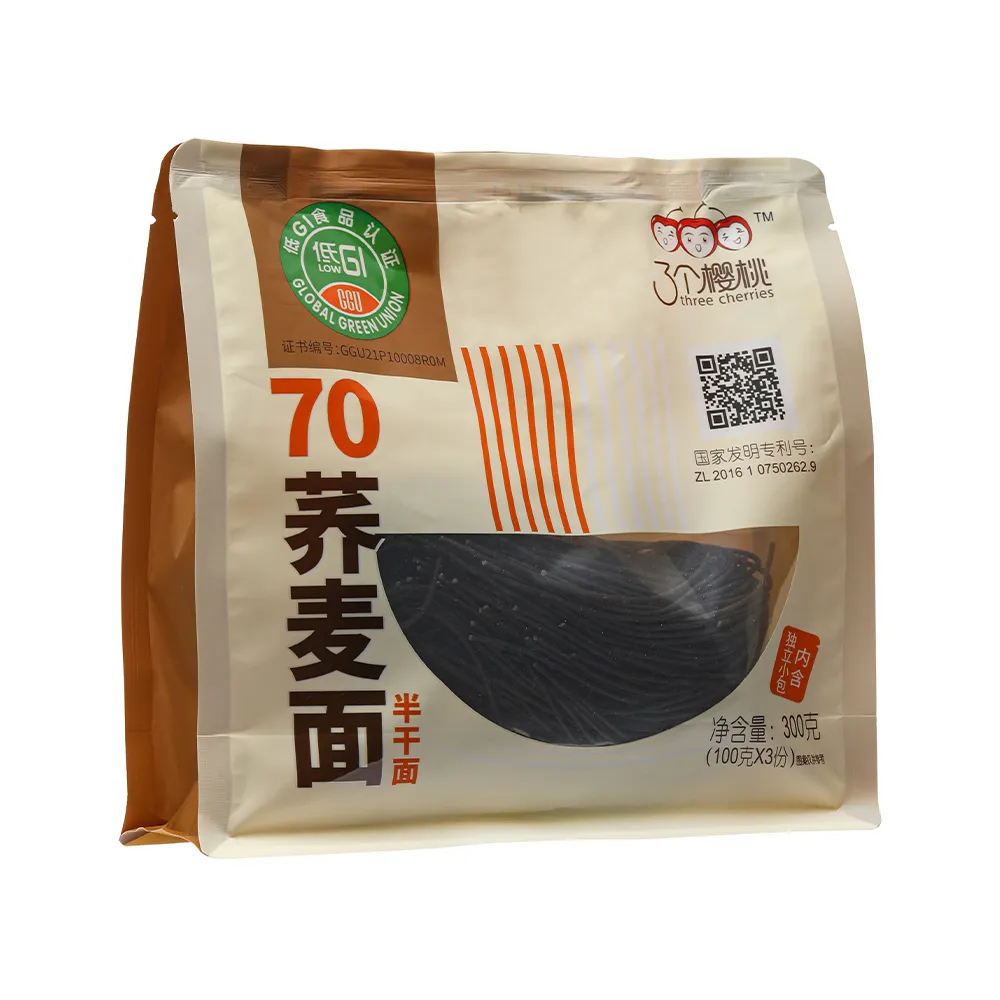
| Regional blends | 50-70% | Varies | Fusion cuisine | Global |
Comparing Major Soba Noodle Vendors
| Vendor | Soba Flour Blend | Price/Unit | Customization | Global Shipping |
|---|---|---|---|---|
| Hokkaido Noodle Co. | Ju-wari (100%) | $5.50 / 200g | Limited | Yes |
| Tokyo Artisan Soba | Ni-hachi (80/20) | $4.75 / 200g | Custom Shapes | Yes |
| Global Soba LLC | Mixed blends | $3.90 / 200g | Bulk Orders | Limited |
Looking Ahead: Trends & Innovations in Soba Noodles
What’s next for soba noodles? Sustainability is at the forefront, with breeders developing more drought-resistant buckwheat strains supporting climate change resilience. Artisan producers experiment with ancient varieties and organic farming, while tech companies explore automation for high-quality mass production.
Digitally, real-time quality control and traceability via blockchain are just beginning to emerge in soba supply chains, ensuring provenance and fair-trade practices. Oddly enough, soba noodles are getting “smart.”
Common Challenges and How They're Being Tackled
Balancing flavor authenticity with industrial scalability is tricky. Pure buckwheat noodles break easily, frustrating commercial producers. There’s also the price barrier: handcrafted soba is costly. Yet, breakthroughs in flour blends, innovative packaging, and consumer education are bridging these gaps.
Plus, some producers are tackling supply chain transparency, ensuring farmers receive fair wages. It’s a tough problem but a growing priority among socially conscious brands.
FAQ: Frequently Asked Questions About Soba Noodle Types
Q: What are the main differences between 100% buckwheat and mixed soba noodles?
A: Pure buckwheat soba (ju-wari) contains no wheat flour, giving it a more fragile, crumbly texture but richer flavor and higher protein. Mixed soba (ni-hachi) blends wheat for elasticity, making noodles firmer and easier to cook, thus preferred for commercial production. Your dish and dietary needs dictate the best choice.
Q: Are soba noodles gluten-free?
A: Pure buckwheat soba is gluten-free, suitable for people with gluten intolerance or celiac disease. However, most commercial soba contains wheat flour, so always check packaging if gluten-free is essential.
Q: How should I store soba noodles to maintain freshness?
A: Keep dry soba in a cool, dark place, sealed tightly to avoid moisture. Fresh or handmade soba should be refrigerated and consumed quickly, ideally within a few days. Proper storage preserves texture and flavor.
Q: Can soba noodles be used in non-Japanese dishes?
A: Absolutely! Soba’s nutty flavor pairs well with various sauces and cuisines, from cold salads to stir-fries. Many chefs worldwide innovate with soba, blending tradition and modern dining trends.
Conclusion
Exploring the nuanced world of soba noodle types reveals a rich tapestry of culture, nutrition, and industry evolution that spans continents and tastes. With their growing global footprint, soba noodles offer not only culinary delight but also sustainable food solutions and economic opportunities.
If you’re curious to explore different soba noodle types or join the conversation on buckwheat innovation, visit our site for fresh insights and quality products.
References
-
Discover the Authentic Taste of Korean Buckwheat NoodlesNewsApr.16,2026
-
Discover the Refreshing Taste of Authentic Korean Cold SobaNewsApr.09,2026
-
Discover the Refreshing Taste of Korean Cold Buckwheat Noodles NaengmyeonNewsApr.07,2026
-
Discover the Cool and Refreshing World of Korean Buckwheat Noodles ColdNewsApr.04,2026
-
Discover the Refreshing Taste of Japanese Cold Buckwheat Noodles and Zaru SobaNewsMar.31,2026
-
Exploring the Delicious World of Chinese Style Cold NoodlesNewsMar.28,2026
-
Discover the Cool and Refreshing World of Korean Cold Soba NoodlesNewsMar.26,2026
Browse qua the following product new the we