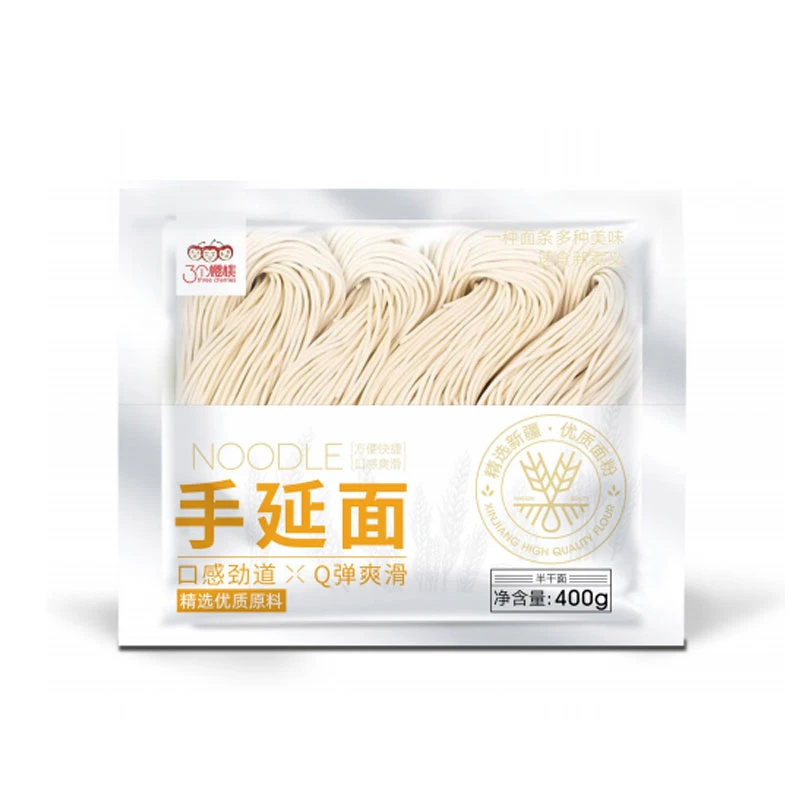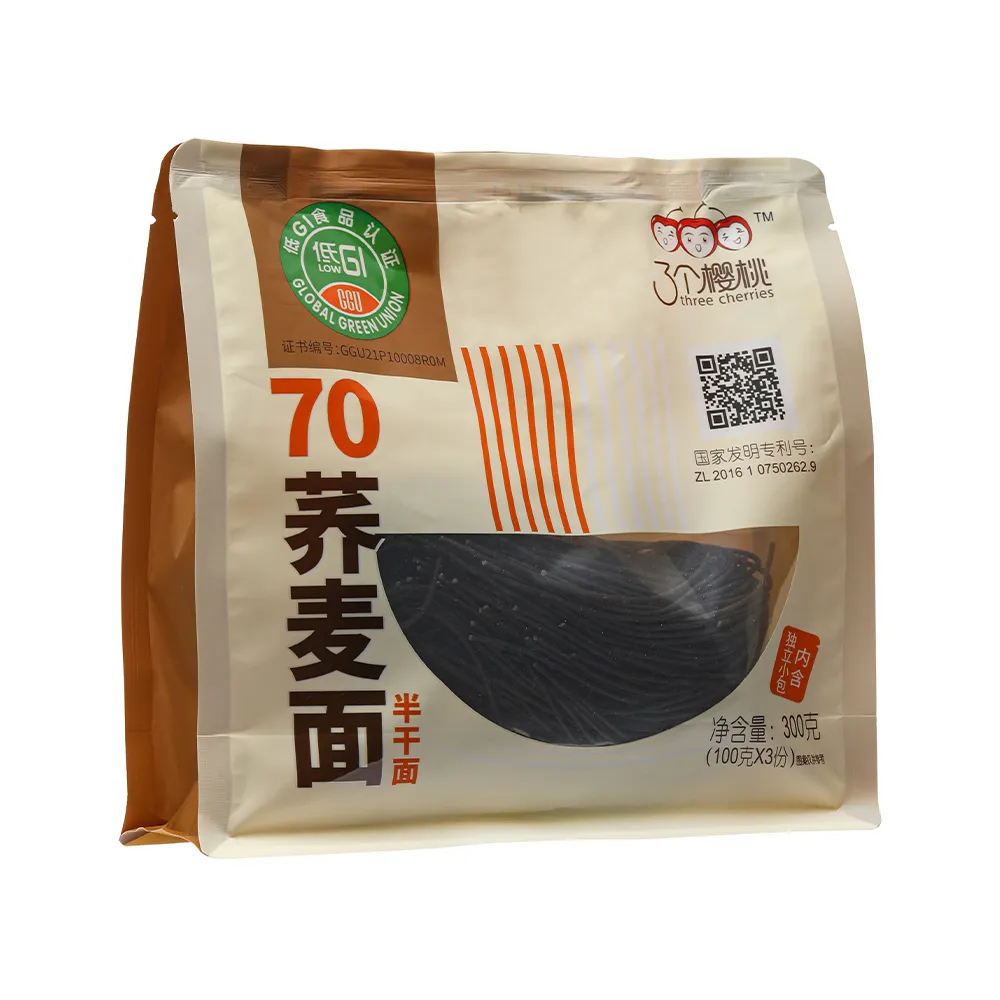

Discover the Craftsmanship Behind Udon Noodles Soup | Semi-Dry Excellence
Udon Noodles Soup: A Simple Delight with Unexpected Depth
Having spent years in the industrial equipment sector—where precision and reliability reign supreme—it's funny how some of the best lessons come from the most unexpected places. Take udon noodles soup, for example. At first glance, it seems straightforward, almost rustic. But much like the meticulous engineering behind factory machines, there's a fascinating blend of craftsmanship, material science, and tradition that goes into every bowl.
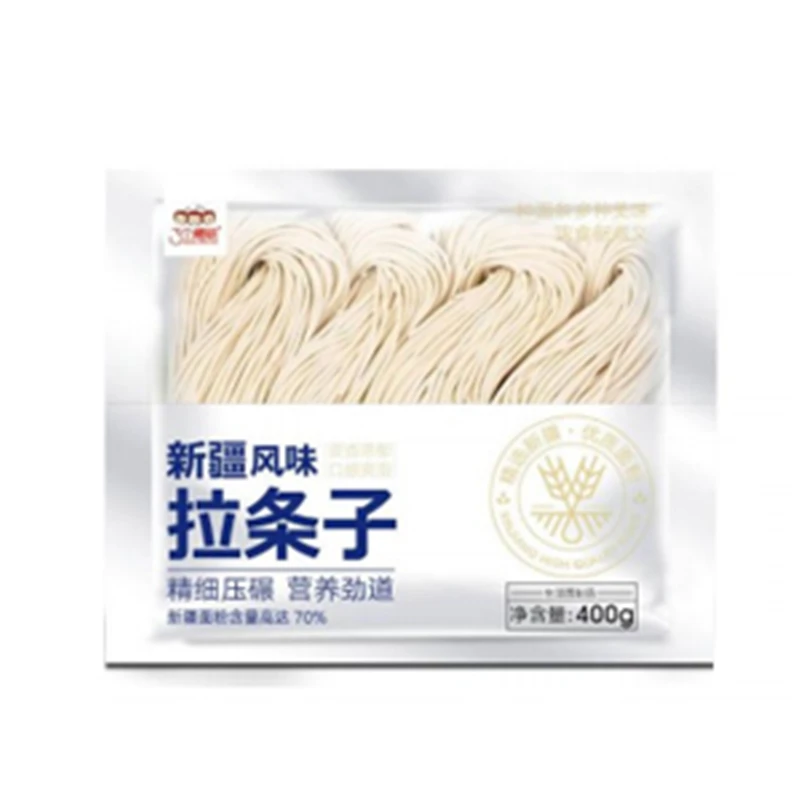
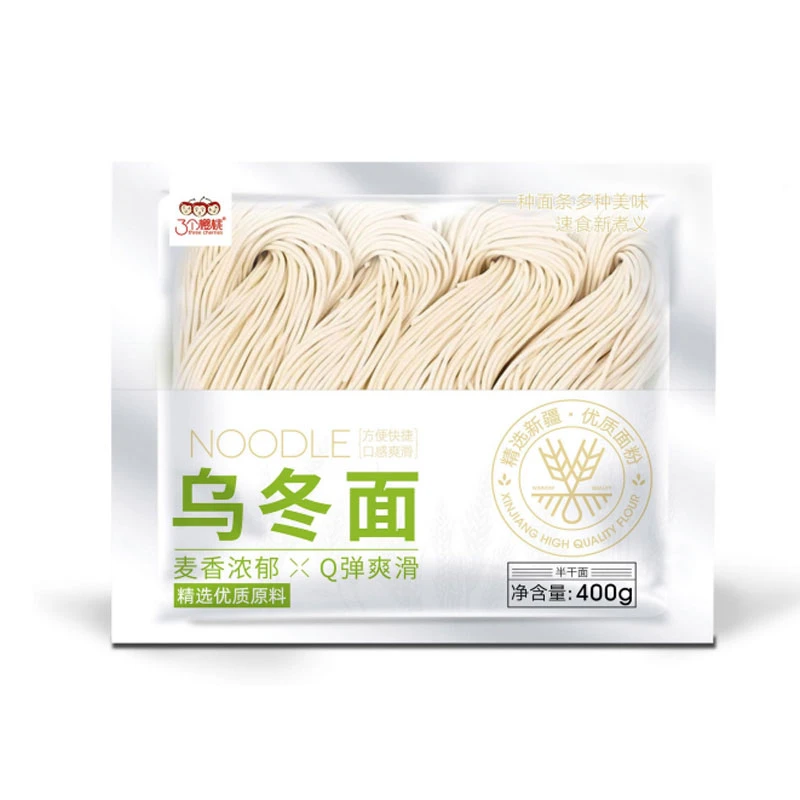
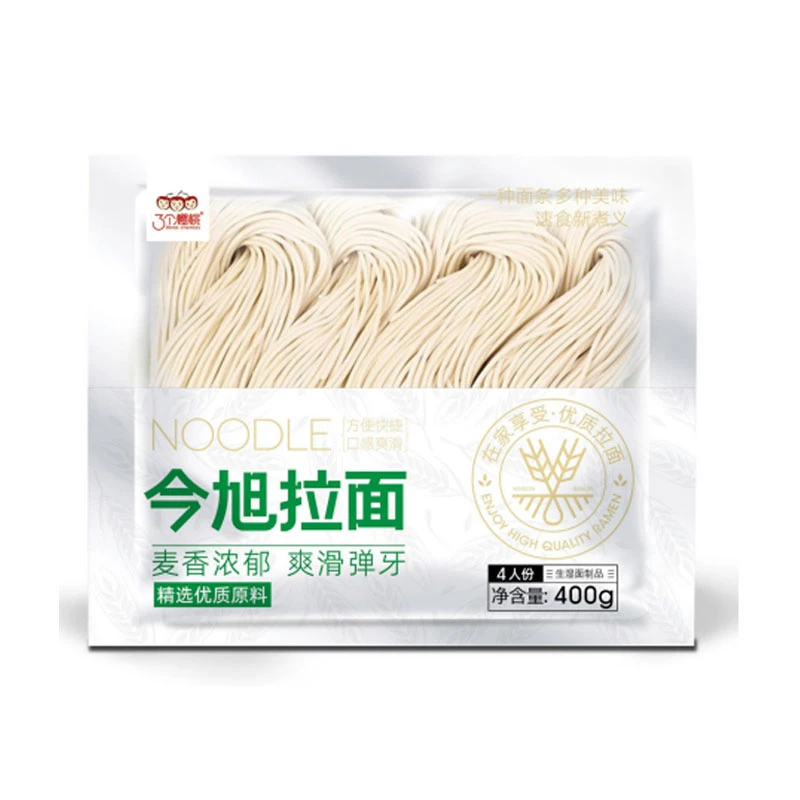
You see, udon noodles are not just thick strands of wheat flour dough thrown in a broth. The noodles themselves are an industrial product of sorts—the kind of "manufactured" perfection that food engineers and craftsmen have honed for centuries. The texture matters hugely: chewy but soft, elastic but firm. And this balance comes from ingredient quality, kneading techniques, and precise drying or semi-drying methods (which brings me to my favorite producers who specialize in semi-dry versions).
Oddly enough, the processes I use to assess industrial machinery—material consistency, tensile strength, endurance—are not too different from what noodle makers consider: wheat protein content, moisture control, and drying kinetics. Semi-dry udon noodles are especially intriguing because they combine shelf stability without sacrificing the al dente feeling you want.
Udon Noodles Soup Product Specifications
| Specification | Details |
|---|---|
| Type | Semi-dry wheat udon noodles |
| Thickness | 4.5 – 6 mm |
| Moisture Content | 28% – 33% |
| Shelf Life | 4 – 6 months (refrigerated) |
| Packaging | Individual vacuum-sealed packs |
| Cooking Time | 5 – 7 minutes |
In real terms, the semi-dry process dramatically improves storage and handling for restaurants and retailers without turning the noodle into a brittle, flavorless product. It's the little things like this that remind me that even food—yes, food!—is a kind of industrial product, just with a much more human face.
A quick anecdote: I once visited a Japanese noodle producer who showed me their customized kneading machines. They explained how slight variations in speed or pressure could make or break the noodle’s springiness. It honestly felt like watching a high-end car assembly line but with flour and water.
Vendor Comparison: Popular Udon Noodle Suppliers
| Vendor | Product Type | Shelf Life | Packaging | Best For |
|---|---|---|---|---|
| JX Semi-Dry Noodles | Semi-dry | 4 - 6 months | Vacuum sealed | Restaurants & retail |
| Fresh Udon Co. | Fresh | 3 - 5 days | Vacuum packed trays | Immediate use kitchens |
| Dried Noodle Masters | Fully dried | 12+ months | Boxed packets | Long shelf storage |
One thing I’ve noticed over the years is how important customization has become. Foodservice operators increasingly want noodles that can hold up better in soup without getting mushy – something that top-quality semi-dry udon manages elegantly. Plus, the packaging innovation reduces waste, which engineers like me always appreciate.
I’d summarize the industry’s trend as moving towards products that harmonize tradition and modern processing prowess. And frankly, udon noodles soup is a delicious example of that.
In the end, whether it’s a finely tuned machine or a perfectly made bowl of udon, craftsmanship never goes out of style.
References:
1. Food Processing Today - Semi-dry Noodle Innovation, 2023
2. Japanese Culinary Technology Journal - Udon and Wheat Science, 2022
3. Personal notes from industry visits, 2018-2023
-
Discover the Refreshing Taste of Authentic Korean Cold SobaNewsApr.09,2026
-
Discover the Refreshing Taste of Korean Cold Buckwheat Noodles NaengmyeonNewsApr.07,2026
-
Discover the Cool and Refreshing World of Korean Buckwheat Noodles ColdNewsApr.04,2026
-
Discover the Refreshing Taste of Japanese Cold Buckwheat Noodles and Zaru SobaNewsMar.31,2026
-
Exploring the Delicious World of Chinese Style Cold NoodlesNewsMar.28,2026
-
Discover the Cool and Refreshing World of Korean Cold Soba NoodlesNewsMar.26,2026
-
Discover the Refreshing World of Japanese Cold Soba Noodle CuisineNewsMar.24,2026
Browse qua the following product new the we