
Authentic Udon Noodles Recipe & Quality Insights | JXS Semi-Dry Noodles
A Simple Yet Authentic Udon Noodles Recipe
Having spent a fair bit of time working around industrial food equipment—machines designed to churn out perfectly textured noodles day in and day out—I've come to appreciate what really makes udon noodles special. You see, udon isn’t just about quick satisfaction; it’s about a texture that’s satisfyingly chewy, a bite that’s soft but never limp. Oddly enough, in real terms, no matter how sophisticated the machinery gets, the basics still boil down to the right flour, water, and a bit of patience. It kind of feels like any great industrial process: get the input right, and the output takes care of itself.
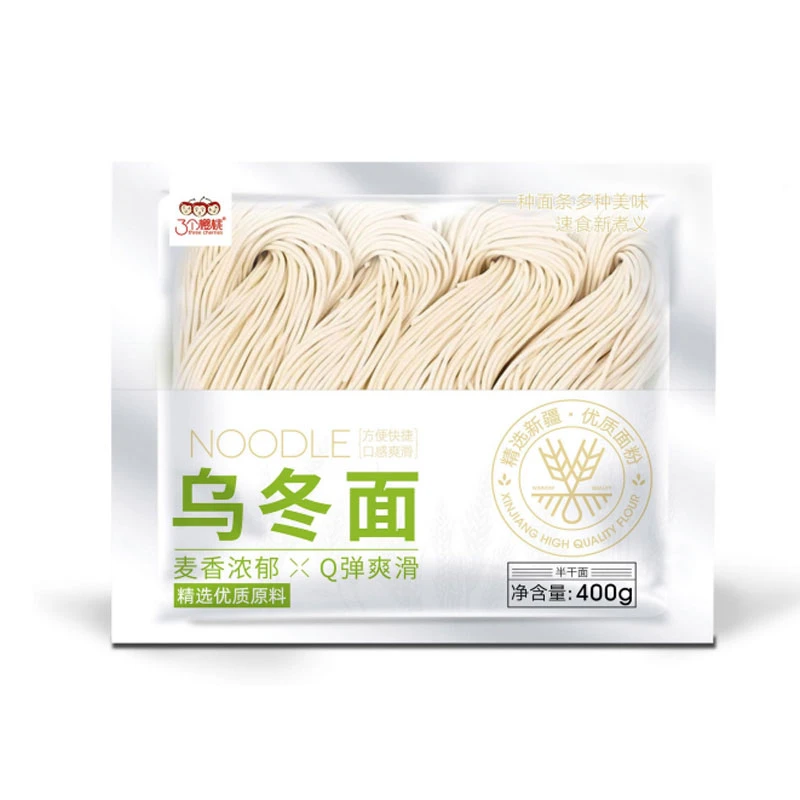
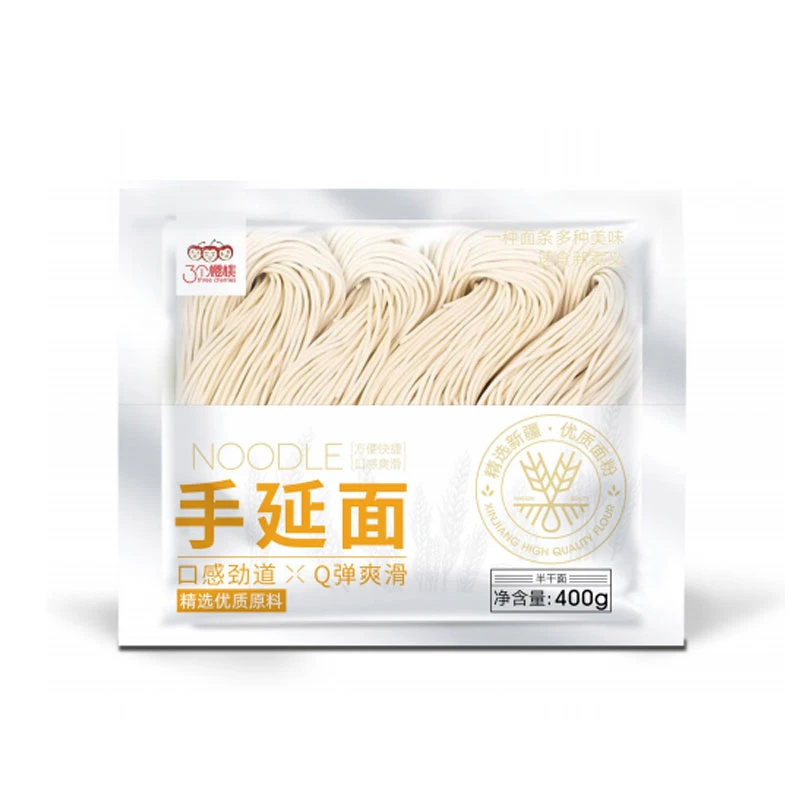
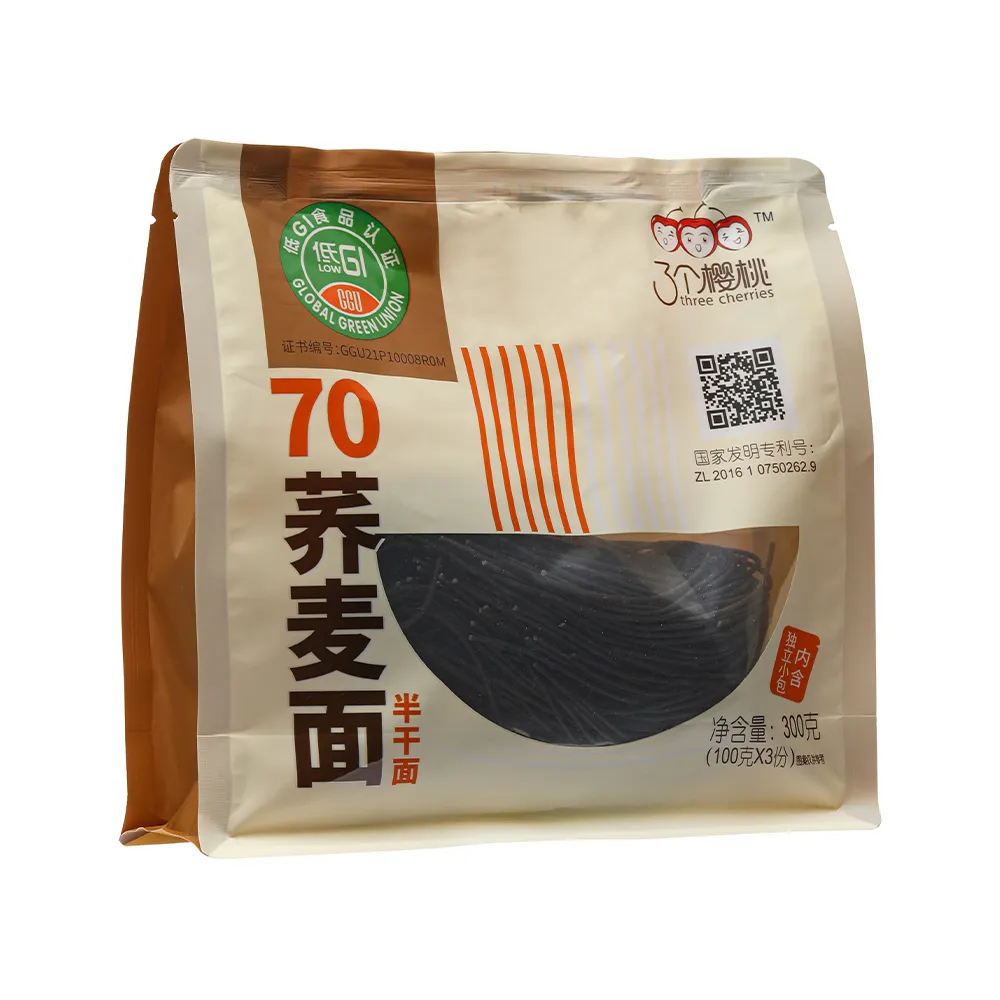
Now, I’m no chef by trade, but I've been around the block long enough to admire simple recipes that work and, frankly, are a breeze to make at home. That said, you might be wondering why I’m nudging you toward the semi-dry noodles from JXS. It’s because in my experience, their materials and drying processes hit a sweet spot—no sogginess, no chalky feel, you know—the kind of quality that makes udon noodles pop in any recipe.
Speaking of recipes, here’s a classic one I walk newbies through when we demo dough mixing machines on site. It’s straightforward, keeps the ingredients honest, and respects tradition without any fuss:
- 2 cups of all-purpose flour or udon-specific high-gluten wheat flour
- ¾ cup of cold water (adjust as needed, because humidity varies—trust me, it matters!)
- ½ tsp salt
The trick? Combine salt with water first, dissolve completely, then mix into the flour. Knead until elastic—roughly 10-15 minutes by hand, or less if you use a dough mixer. That’s where those industrial machines I’ve worked around shine, but hand-kneading gives you a tactile feel of the dough’s readiness. After resting the dough for about 30 minutes, roll it out evenly—thickness depends on your preference, but about ¼ inch is typical.
Next, slice into even strips (roughly ⅓ inch wide), and cook in plenty of boiling water. They’re ready in about 8 minutes—just test for that delightful chewiness. Drain, rinse under cold water to stop cooking, and serve with a simple broth or dipping sauce. It really brings out the noodle’s character.
Udon Noodles Product Specification
| Attribute | Details |
|---|---|
| Flour Type | High-gluten wheat flour |
| Water Content | Approximately 35% |
| Salt Content | 0.5% of flour weight |
| Drying Method | Semi-dry technology to preserve elasticity |
| Shelf Life | 6 months under proper storage |
Vendor Comparison: Udon Noodle Suppliers
| Feature | JXS Semi-Dry Noodles | Traditional Fresh Udon | Dry Instant Noodles |
|---|---|---|---|
| Texture | Chewy & Elastic | Soft & Fresh | Firm but Brittler |
| Shelf Life | Up to 6 months | 1-2 days refrigerated | Up to 1 year |
| Convenience | Ready to cook, no thawing | Requires refrigeration | Instant prep, but less authentic |
| Use Case | Restaurants & Home Cooking | Fresh Udon Specialty Shops | Quick Meals, Snacks |
| Price | Moderate, quality focused | High, perishable product | Low, mass-produced |
One little anecdote: a client I worked with recently was struggling with soggy noodles affecting their restaurant’s reputation. After switching to JXS’s semi-dry udon range, they told me the chefs finally got consistent texture without fuss or additional prep time. It's funny how a small change in supply can really shift the quality game.
In the industrial world, they say equipment is only as good as the raw materials—and I suppose the same applies in cooking. You can find thousands of udon recipes online, but without quality noodles, the experience isn’t quite right.
If you want to explore recipes and products further, check out JXS’s semi-dry noodle offerings. Trust me, having worked with their products during factory visits, they really understand the balance between tradition and manufacturing tech.
So, next time you’re craving udon, try this simple dough recipe — or cut a few corners with quality semi-dry noodles. Either way, you’re stepping into a story that’s been told for centuries... but with a modern twist.
Happy cooking!
References:
1. Industry reports on wheat flour processing
2. JXS Semi-Dry Noodles technical manuals (internal)
3. Culinary tradition briefs from Japan Noodle Association
-
Discover the Refreshing Taste of Authentic Korean Cold SobaNewsApr.09,2026
-
Discover the Refreshing Taste of Korean Cold Buckwheat Noodles NaengmyeonNewsApr.07,2026
-
Discover the Cool and Refreshing World of Korean Buckwheat Noodles ColdNewsApr.04,2026
-
Discover the Refreshing Taste of Japanese Cold Buckwheat Noodles and Zaru SobaNewsMar.31,2026
-
Exploring the Delicious World of Chinese Style Cold NoodlesNewsMar.28,2026
-
Discover the Cool and Refreshing World of Korean Cold Soba NoodlesNewsMar.26,2026
-
Discover the Refreshing World of Japanese Cold Soba Noodle CuisineNewsMar.24,2026
Browse qua the following product new the we