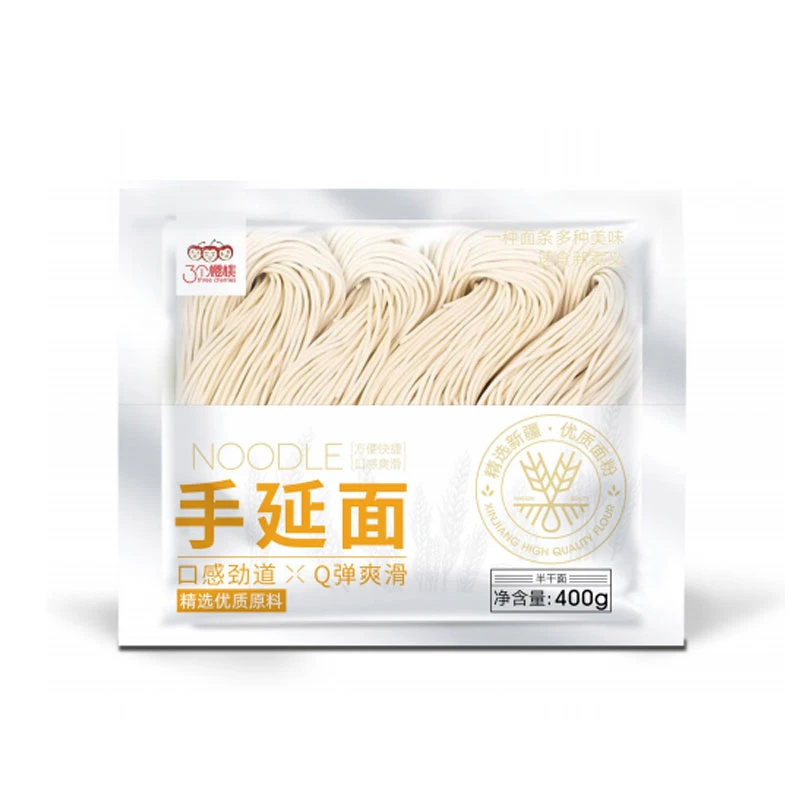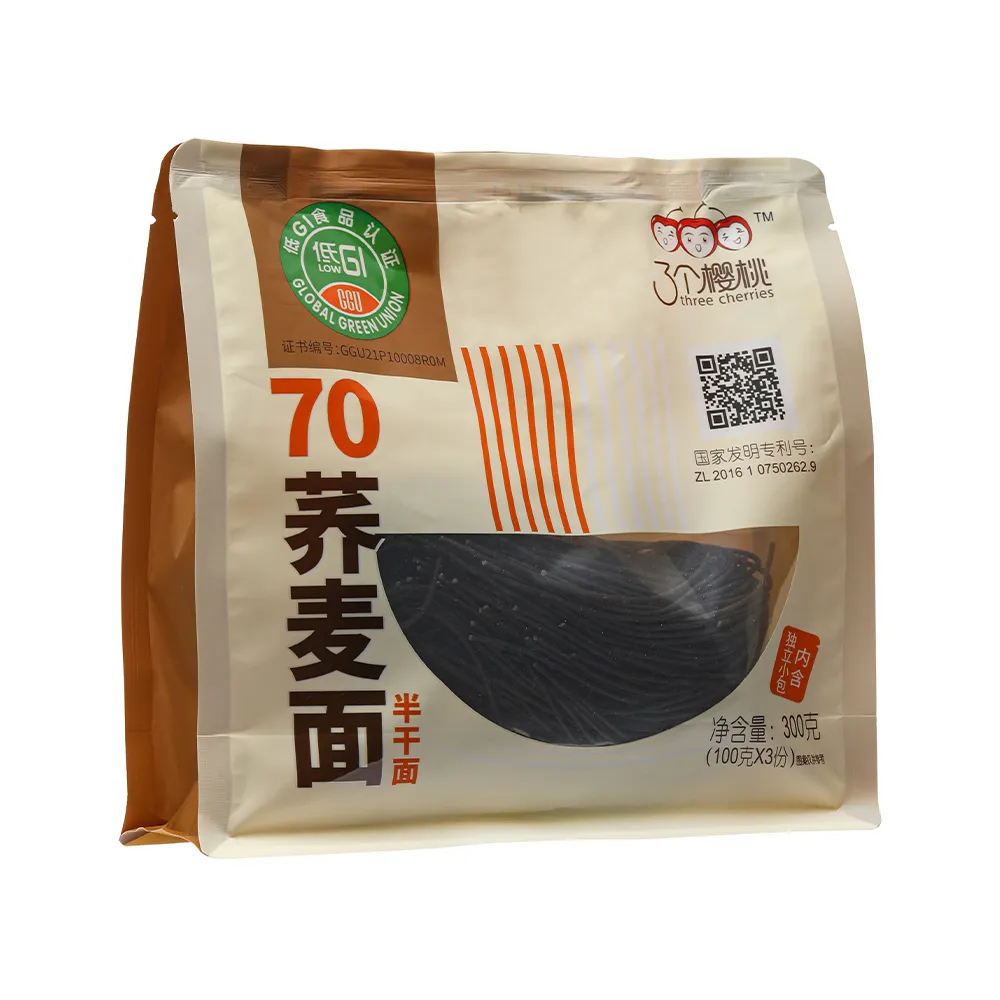

Whole Wheat Ramen: Healthier Noodles with Rich Flavor & Texture
Whole Wheat Ramen: A Modern Twist on a Classic Noodle
Having spent more than a decade working with industrial food-grade equipment, I didn’t expect to develop a sort of appreciation for something as humble as whole wheat ramen. Oddly enough, the journey from handling large-scale mixers and drying chambers to savoring noodles crafted from whole wheat flour has been quite revealing—and yes, a bit nostalgic.
In real terms, whole wheat ramen is not just about swapping white flour for a healthier alternative. It’s about understanding the subtle interplay of ingredients, machinery, and process parameters to deliver noodles that retain that classic springy texture, yet boast richer taste and increased nutritional value. Many in my field—food engineers and product developers alike—have been embracing whole wheat varieties to meet contemporary health trends without compromising on the beloved ramen experience.
From a production perspective, switching to whole wheat entails some recalibrations. Whole wheat flour has a higher bran content, which affects gluten development and dough elasticity. Our mixers and kneading machines must be fine-tuned to handle this slightly denser dough. The drying phase is critical too; whole wheat ramen can be a bit more sensitive to temperature and humidity fluctuations, meaning quality control becomes a bit more hands-on.
That said, the results usually pay off. Whole wheat ramen noodles bring a pleasantly nutty flavor and a satisfying chew. They’re noticeably richer in fiber, which appeals to consumers who want that extra nutritional boost. In one project I worked on, our client’s feedback was that the whole wheat batch “felt homemade” — a term that, frankly, is music to any product engineer’s ears.
| Specification | Details |
|---|---|
| Flour Type | 100% Whole Wheat Flour |
| Protein Content | 12-14% |
| Moisture Content (dry) | 8-10% |
| Noodle Thickness | 1.8 mm standard |
| Shelf Life | 6 months (unopened, cool storage) |
| Packaging | Vacuum sealed in 200g packs |
You might wonder how this compares across vendors in the whole wheat ramen niche. Well, here’s a simple comparison of three suppliers I’ve encountered in my industrial projects, focusing on key parameters that matter in both production and end-use.
| Feature | JX Semi-Dry Noodles | NoodleCraft | GrainPro Foods |
|---|---|---|---|
| Flour Sourcing | Locally sourced whole wheat | Imported organic wheat | Mixed grain blends |
| Protein Content | 13.5% | 14% | 12% |
| Flavor Profile | Nutty, balanced | Earthy, intense | Mild, slightly sweet |
| Texture | Springy, chewy | Firm, dense | Soft, delicate |
| Packaging Options | Vacuum sealed, bulk | Bulk only | Retail packs |
| Price Range | $$ | $$$ | $ |
Frankly, when it comes to selecting whole wheat ramen for industrial-scale production, I often lean toward JX Semi-Dry Noodles. Their consistent quality and sensible packaging options make the manufacturing line smoother. Plus, the vendor is pretty responsive to specific customization requests, which—if you’ve ever been on the production floor—is a big deal.
To wrap up, incorporating whole wheat ramen into your product lineup isn’t just a gimmick or a fleeting trend. It’s a solid move based on evolving consumer demands and nutritional facts. If your processing equipment is flexible and your quality control attentive, you’ll find that delivering a wholesome, delicious noodle is entirely within reach—and quite satisfying to boot.
Anyway, that’s a bit of my two cents from the intersection of machinery and noodles. If you haven’t tried the whole wheat variety yet, I’d say explore it—you might find your favorite ramen all over again, but with a heartier, healthier twist.
References:
- Industry reports on whole grain trends, Food Processing Quarterly, 2023.
- White, S. “Mixing and kneading adjustments for whole wheat noodle dough,” Journal of Food Engineering, 2022.
- Customer feedback survey, JX Semi-Dry Noodles, 2023.
-
Discover the Refreshing Taste of Authentic Korean Cold SobaNewsApr.09,2026
-
Discover the Refreshing Taste of Korean Cold Buckwheat Noodles NaengmyeonNewsApr.07,2026
-
Discover the Cool and Refreshing World of Korean Buckwheat Noodles ColdNewsApr.04,2026
-
Discover the Refreshing Taste of Japanese Cold Buckwheat Noodles and Zaru SobaNewsMar.31,2026
-
Exploring the Delicious World of Chinese Style Cold NoodlesNewsMar.28,2026
-
Discover the Cool and Refreshing World of Korean Cold Soba NoodlesNewsMar.26,2026
-
Discover the Refreshing World of Japanese Cold Soba Noodle CuisineNewsMar.24,2026
Browse qua the following product new the we