
Udon Noodles Types: Essential Guide for Industrial Production
Understanding udon noodles types: A Practical Guide from the Industrial Perspective
Having spent years tinkering in the industrial equipment sector—especially dealing with production lines for food goods—I’ve come to appreciate the subtle differences that make certain products stand out or fail in real-time operations. Udon noodles might seem simple at first glance, but their varieties actually matter quite a lot if you want the end product to meet quality standards consistently.
Udon, if you didn’t already know, is a thick wheat noodle beloved across Japan and beyond. What’s odd, or rather intriguing, is just how many types exist, each with its own texture, thickness, and use-case. I suppose if you’re running an equipment line focused on producing them, understanding these types is as important as the machinery itself.
Let’s dive into some common udon noodle types you’ll encounter in the industry, and note what these differences mean on the production floor:
| Udon Type | Thickness | Texture | Typical Use |
|---|---|---|---|
| Sanuki | Thick (3–4 mm) | Chewy, firm | Soup, stir-fry |
| Inaniwa | Thin (1.5–2 mm) | Smooth, slippery | Cold dishes, dipping sauces |
| Hakata | Medium (2.5–3 mm) | Firm but tender | Soups, hot pots |
| Miso-style | Varies | Softer, absorbs flavor | Stew-based dishes |
Now, from an industrial standpoint, these differences aren’t just culinary footnotes — they dictate how you set up your equipment. Thickness changes impact cutting blade speed and tension. Texture can influence the dough handling—too firm, and it might jam or tear; too soft, and it might sag on conveyors.
Frankly, it’s fascinating how the choice of wheat flour protein content and water ratios shape the final noodle.
Back when I consulted with a noodle maker in eastern Japan, their equipment line had to be fine-tuned separately for producing Sanuki versus Inaniwa udon. The Sanuki required a longer resting time and slower cutting speed to preserve chewiness, while Inaniwa noodles demanded delicate handling to maintain that silky finish.
Why Material & Testing Matter in Udon Production
In industrial lines, homogeneity in noodle thickness and texture is the holy grail. One of the biggest challenges is flour moisture variability. If it’s off, dough can become sticky or brittle, creating lots of rejects downstream. So, testing batches regularly to adjust water content and kneading pressure is crucial.
Material choice here goes beyond flour. Equipment parts contacting dough need food-grade coatings—stainless steel often preferred. This avoids contamination and keeps maintenance manageable. You know, odd though it sounds, the right materials keep the noodles tasting and looking just right.
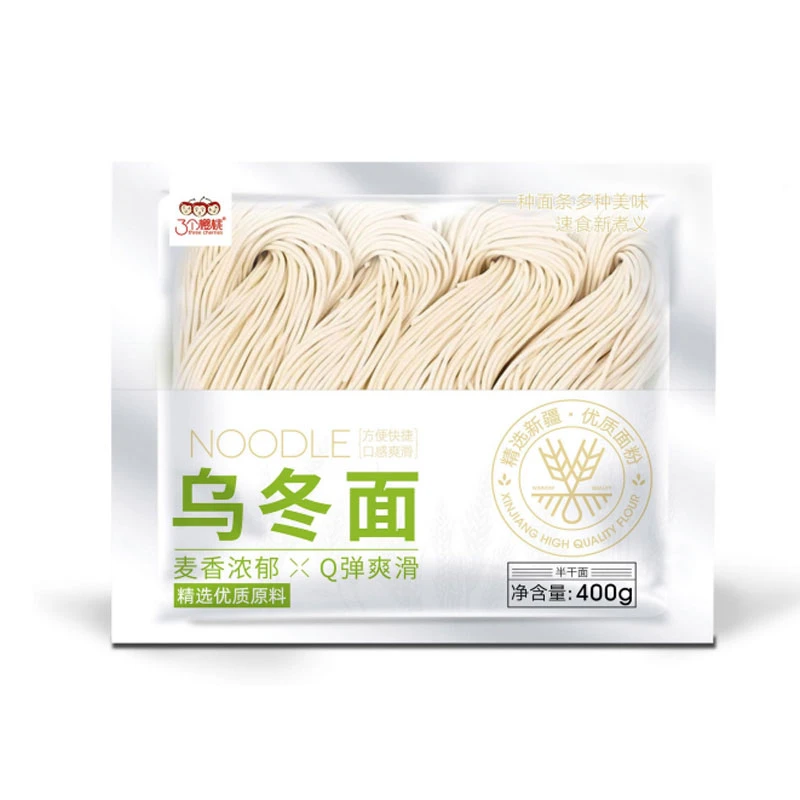
Also, consider drying methods if you’re making semi-dry udon, like those featured on jxsemidrynoodles.com. Controlling temperature and humidity prevents cracking or spoiling.
| Vendor | Product Quality | Customization Options | Technical Support | Price Range |
|---|---|---|---|---|
| JXS Semi-Dry Noodles | High consistency, minimal breakage | Extensive, including thickness & drying control | Responsive, 24/7 support | Moderate to premium |
| Generic Line Makers | Variable, often more breakage | Limited, mostly basic settings | Basic office hours only | Budget |
| Traditional Equipment Co. | Good but less flexible for custom udon | Moderate, focused on common types | Standard support hours | Mid-range |
One interesting story I recall: a mid-sized food company switched to a semi-dry technology line for udon after struggling with fresh noodle shelf life. The difference was night and day. Not only did wastage drop, but their customers noticed a cleaner texture—a win-win.
So, in real terms, if you’re looking to invest in udon noodle production equipment, consider the noodle type you want to deliver first. Thickness, texture, and drying methods should guide your machine specs. And if you want my two cents, browsing through specialized vendors like JXS Semi-Dry Noodles is a smart move — they know their udon inside and out.
Ultimately, producing great udon is both an art and a science. And when your equipment respects those differences, the noodles do too.
Hope this gives you a better handle on the nuances of udon noodles types. Feel free to dive deeper or ask if you’re curious about the technical side!
References:
- Japan Food Industry Association - Udon Noodle Standards
- “Industrial Food Equipment” Journal, 2022 Edition
- Interview with T. Saito, production manager, 2023
-
Discover the Refreshing Taste of Authentic Korean Cold SobaNewsApr.09,2026
-
Discover the Refreshing Taste of Korean Cold Buckwheat Noodles NaengmyeonNewsApr.07,2026
-
Discover the Cool and Refreshing World of Korean Buckwheat Noodles ColdNewsApr.04,2026
-
Discover the Refreshing Taste of Japanese Cold Buckwheat Noodles and Zaru SobaNewsMar.31,2026
-
Exploring the Delicious World of Chinese Style Cold NoodlesNewsMar.28,2026
-
Discover the Cool and Refreshing World of Korean Cold Soba NoodlesNewsMar.26,2026
-
Discover the Refreshing World of Japanese Cold Soba Noodle CuisineNewsMar.24,2026
Browse qua the following product new the we