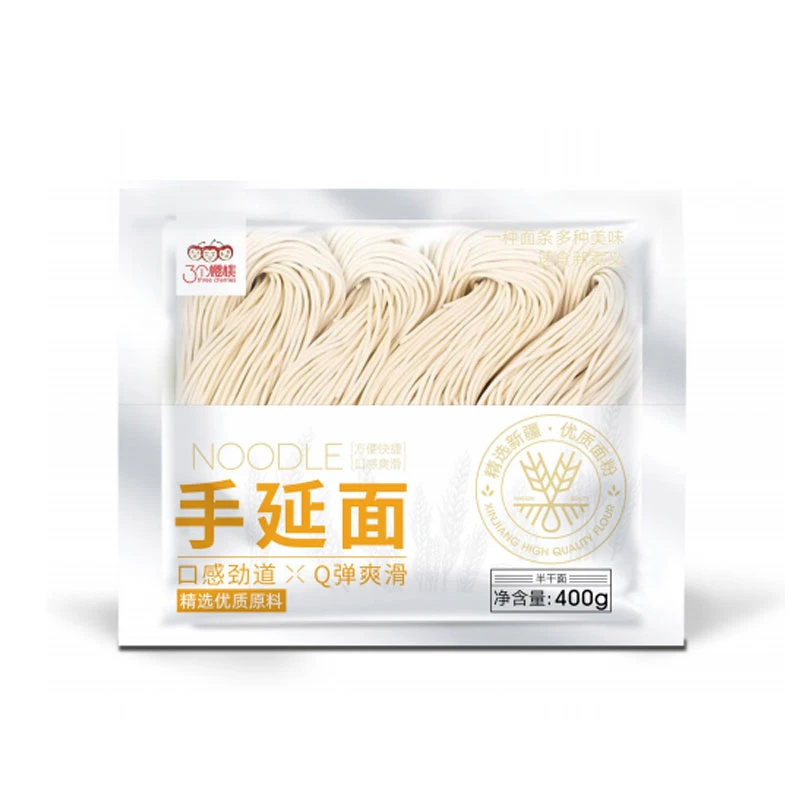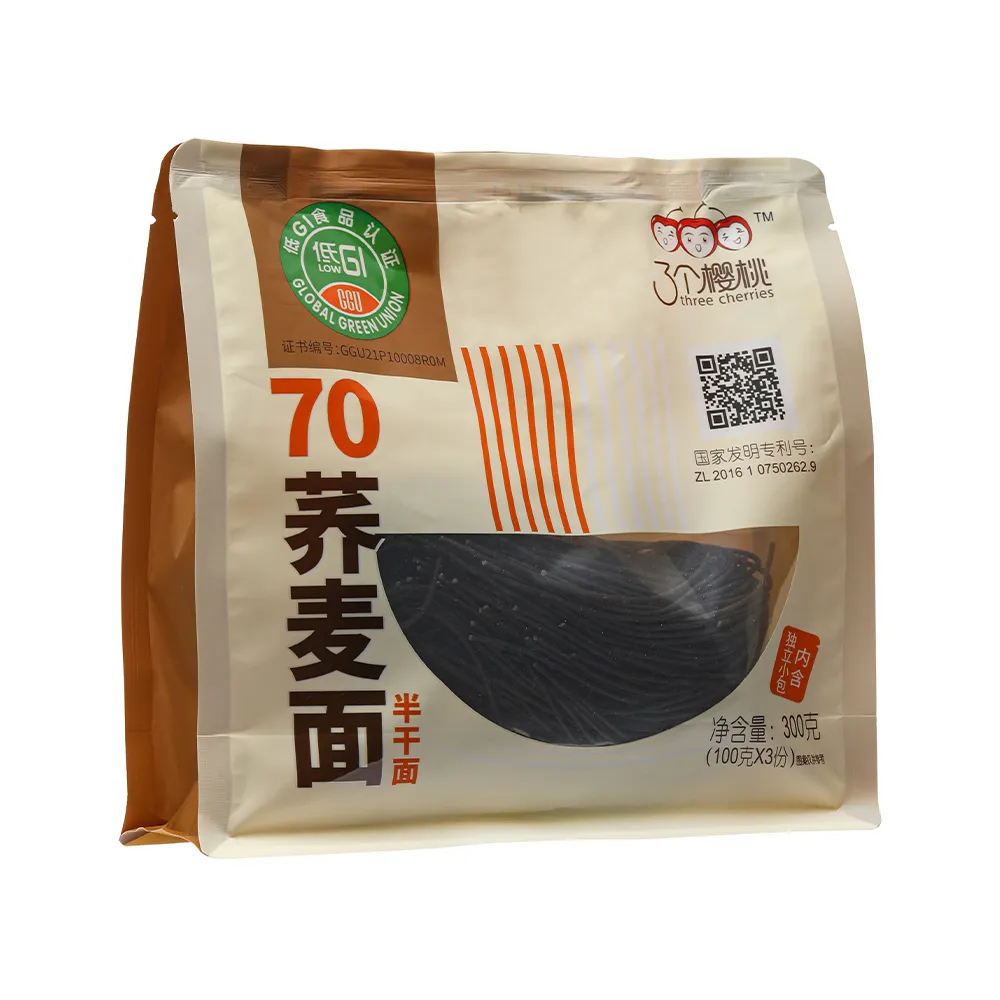

Best Noodles for Diabetics – Low-GI & Nutritious Options Explained
What Type of Noodles Are Good for Diabetics? Understanding the Basics and Benefits
On the surface, noodles might seem like a simple comfort food, but when it comes to people managing diabetes, the story gets a bit more complex. Globally, diabetes affects over 537 million adults according to the International Diabetes Federation (IDF 2023), making dietary choices critical for health management. Knowing what type of noodles are good for diabetics isn’t just about avoiding sugar spikes but about embracing options that offer nutritional balance without sacrificing enjoyment.
Why does it matter? Well, noodles are a staple in many cuisines worldwide, from Asian to Italian traditions. Choosing the right kind can help millions stabilize blood glucose and improve overall wellbeing. It sounds simple but it’s often overlooked in global health discussions, despite noodles being a daily meal for billions.
Mini takeaway: Picking the right noodles is a small change that can make a big difference for diabetic health globally.
A Global Perspective on Diabetic-Friendly Noodles
Diabetes is a pressing health challenge everywhere, but diet-related solutions vary by region. According to the WHO, diabetes prevalence rose nearly 4-fold in the last 40 years. Meanwhile, the global noodles market sees a constant uptick, projected to reach over $80 billion by 2027 (Statista 2023). That combination — rising noodle consumption and increasing diabetes rates — sets the stage for a serious conversation about suitable noodle types for diabetic diets.
Unfortunately, many traditional noodles are high in refined carbohydrates that cause rapid blood sugar spikes. This exacerbates health risks, especially in low-resource settings with limited access to nutritional education. But on the flip side, innovation in food science is driving new noodle types that cater to diabetics, combining health benefits with convenience and taste.
Mini takeaway: As the world’s diabetes challenge grows, so does the opportunity to innovate noodles that help, not harm.
Defining Noodles Suitable for Diabetics
Simply put, noodles good for diabetics are those that have a low glycemic index (GI) and rich nutritional profiles to avoid sharp blood sugar rises. Typically, these noodles are made from alternative flours or ingredients like whole grains, legumes, or vegetables instead of refined wheat flour.
Examples include:
- Whole wheat noodles
- Shirataki noodles (made from konjac yam)
- Chickpea or lentil-based noodles
- Brown rice noodles
- Vegetable-infused noodles (spinach, beetroot)
These noodles provide more fiber, protein, and micronutrients while digesting slowly, aiding blood sugar control—a crucial factor for diabetic-friendly diets. It’s not just about carbs but also overall nutrient content and how quickly those carbs convert to glucose.
Mini takeaway: Diabetic-safe noodles prioritize low-GI, high fiber, and nutrient density over just carbohydrate content.
Key Factors to Consider When Choosing Noodles for Diabetics
1. Glycemic Index (GI)
The GI measures how fast carbohydrate foods raise blood glucose levels. Lower GI noodles translate to steadier blood sugar control. For example, shirataki noodles have nearly zero GI, while white wheat noodles might land around 70+ — much higher.
2. Fiber Content
Fiber slows digestion and glucose absorption. Noodles with added fibers like whole wheat or legumes promote satiety and improve gut health—both important for diabetes management.
3. Protein Levels
Protein supports muscle maintenance and helps modulate blood sugar responses after eating. Lentil or chickpea-based noodles often pack more protein than traditional wheat noodles.
4. Ingredient Quality and Additives
Avoiding unnecessary preservatives, artificial flavors, or added sugars also matters. Pure, minimally processed noodles offer better nutritional control.
5. Portion Control and Cooking Methods
Even diabetic-appropriate noodles can cause issues if eaten in large amounts or prepared with sugary sauces. Balance is key.
Mini takeaway: Beyond ingredients, how noodles impact blood sugar depends on GI, fiber, protein, and mindful consumption.
Global Applications and Real-World Use Cases
In many Asian countries like Japan and China, shirataki noodles are a long-standing staple, valued for their near-zero digestible carbs. Hospitals and nutrition centers increasingly recommend them for diabetic patients as a tasty alternative to higher-GI rice or noodles. India’s legume-based pastas are gaining popularity as affordable, high-protein diabetic option especially in rural areas where diabetes rates climb sharply.
Meanwhile, western food suppliers are start-ups introducing whole grain and vegetable-infused noodles targeted at health-conscious consumers and diabetics alike. Humanitarian agencies working in diabetic-heavy populations during post-disaster food distribution are exploring these noodles as shelf-stable, beneficial nutritional options that also respect cultural preferences.
Mini takeaway: From clinics in Tokyo to rural kitchens in India, diabetic-friendly noodles are transforming diets globally.
Advantages and Long-Term Value for Diabetic Diets
- Improved Blood Sugar Control: Eating low-GI noodles helps prevent dangerous glucose spikes and crashes.
- Increased Nutritional Intake: Whole grains and legumes bring fiber, vitamins, and minerals often missing in standard noodles.
- Better Satiety: Balanced protein and fiber content help curb overeating — a common diabetes challenge.
- Cultural Acceptance: Noodles remain a favorite meal format, making healthful shifts easier and more sustainable.
On an emotional level, choosing nourishing noodles builds confidence and control in one’s health journey, giving a real sense of hope and dignity, which as many clinicians note, is just as crucial as diet itself.
Looking Ahead: Trends and Innovations in Diabetic-Friendly Noodles
Food technology is buzzing with innovation, from 3D-printed noodles personalized for individual glycemic responses to fermentation techniques improving nutrient bioavailability. There’s also growing interest in sustainability — many new noodles use legumes or seaweed, which require less water and land than wheat.
Automation in noodle production allows flavor and nutrient adjustments at scale, making diabetic-friendly options more affordable and widely available. Meanwhile, policies encouraging food labeling and education (e.g., ISO nutrition standards) empower consumers to make smarter choices.
Challenges in Adoption and How They’re Being Tackled
Still, a few hurdles stand in the way. Cost remains a barrier; specialty noodles often price above traditional ones. Taste and texture must also meet expectations — after all, it’s “comfort food.” Educational gaps mean many people with diabetes don’t know what to seek.
To bridge these, manufacturers invest in R&D to refine taste and reduce prices. Partnerships with healthcare providers increase awareness and access. Digital apps now often recommend appropriate noodles based on individual health data — blending technology with nutrition.
Product Specification Table: Common Diabetic-Friendly Noodles
| Noodle Type | Glycemic Index (GI) | Typical Fiber Content (g/100g) | Protein Content (g/100g) | Main Ingredient |
|---|---|---|---|---|
| Shirataki Noodles | 0-1 | >2 | Konjac Yam Fiber | |
| Whole Wheat Noodles | 37-45 | ~6 | 12-14 | Whole Wheat Flour |
| Chickpea Noodles | 28-35 | ~8 | 18-20 | Chickpea Flour |
| Brown Rice Noodles | 50-55 | ~2 | 5-6 | Brown Rice Flour |
Vendor Comparison: Leading Diabetic-Friendly Noodle Brands
| Brand | Product Range | Organic Certification | Price Range (per 500g) | Availability Regions |
|---|---|---|---|---|
| KonjacFit | Shirataki, Konjac Fusion | Yes | $7 - $10 | North America, Europe |
| LegumeNoodle Co. | Chickpea, Lentil, Pea | Partial | $5 - $8 | Asia, Europe |
| WholeGrain Pastas | Whole Wheat, Spelt | Yes | $4 - $6 | Global |
| AsianVeggie Noodles | Spinach, Carrot-infused | No | $3 - $5 | Asia-Pacific |
Frequently Asked Questions About What Type of Noodles Are Good for Diabetics
Q1: Can diabetics eat regular wheat or egg noodles?
A1: Regular wheat or egg noodles often have higher glycemic indexes, meaning they can spike blood sugar levels quickly. For controlled blood sugar, diabetics are advised to limit these and opt for whole grain or alternative flour noodles that digest slower and provide fiber and protein.
Q2: Are shirataki noodles a good option for people with diabetes?
A2: Yes, shirataki noodles are highly recommended due to their very low GI and almost zero digestible carbs. Made primarily from glucomannan fiber, they help with satiety and have minimal impact on blood sugar.
Q3: How should diabetic-friendly noodles be prepared to maintain health benefits?
A3: Use minimal added sugars or oils. Pair noodles with protein-rich sauces and vegetables to balance the meal’s glycemic effect. Also, control portion sizes to avoid excess carbohydrate intake.
Q4: Where can I buy diabetic-friendly noodles?
A4: Many health food stores, online specialty shops, and some supermarkets carry diabetic-friendly noodle brands. For more options, visit our recommended supplier list.
Q5: Can diabetic-friendly noodles be part of a weight loss diet?
A5: Absolutely. Low-GI, high-fiber noodles help control hunger and blood sugar, aiding weight management—a critical factor for many with type 2 diabetes.
Conclusion
Choosing what type of noodles are good for diabetics goes beyond mere taste preference; it’s a cornerstone of managing blood glucose and overall health. From traditional shirataki to innovative legume-based varieties, the options are expanding rapidly to meet global health needs and taste expectations.
Exploring these noodles means embracing a future where diabetic diets are both nutritious and delicious — a small but meaningful step toward better quality of life. For those curious to dive deeper, exploring trusted brands and scientific insights can truly empower personal dietary decisions.
If you want to learn more and find quality options, visit our comprehensive resource at https://www.jxsemidrynoodles.com. It’s a practical start toward smarter, healthier noodle choices tailored for diabetes.
References
-
Discover the Refreshing Taste of Authentic Korean Cold SobaNewsApr.09,2026
-
Discover the Refreshing Taste of Korean Cold Buckwheat Noodles NaengmyeonNewsApr.07,2026
-
Discover the Cool and Refreshing World of Korean Buckwheat Noodles ColdNewsApr.04,2026
-
Discover the Refreshing Taste of Japanese Cold Buckwheat Noodles and Zaru SobaNewsMar.31,2026
-
Exploring the Delicious World of Chinese Style Cold NoodlesNewsMar.28,2026
-
Discover the Cool and Refreshing World of Korean Cold Soba NoodlesNewsMar.26,2026
-
Discover the Refreshing World of Japanese Cold Soba Noodle CuisineNewsMar.24,2026
Browse qua the following product new the we