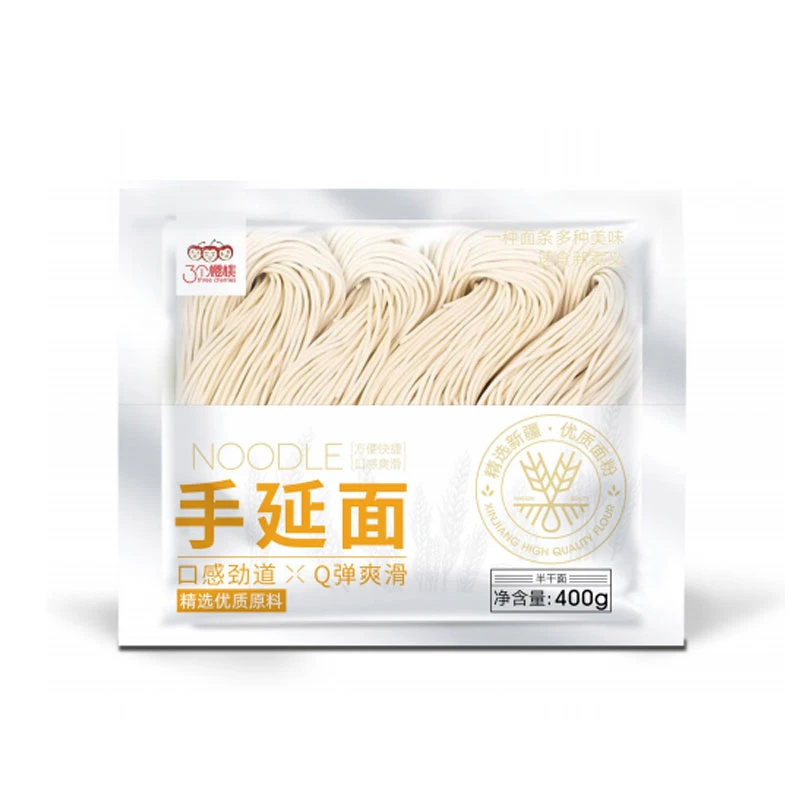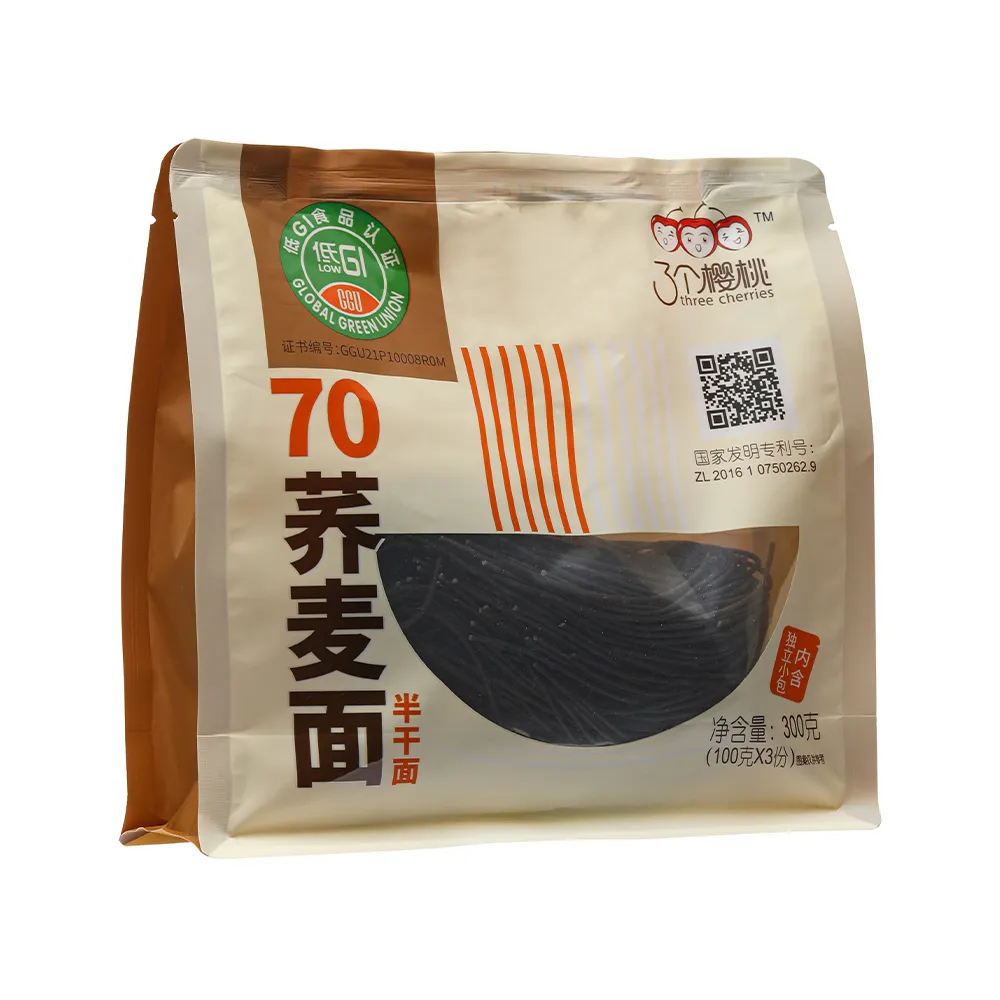

Discover the Refreshing World of Soba Cold Noodles and Japanese Cuisine
Exploring the Delicious World of Soba Cold Noodles
Soba cold noodles, a staple of Japanese cuisine, offer a refreshing and flavorful experience, especially during warmer months. These thin, buckwheat noodles are incredibly versatile and can be enjoyed in a multitude of ways, from simple chilled servings with a dipping sauce to complex noodle salads. At JX Semi-Dry Noodles, we specialize in crafting high-quality soba noodles that deliver authentic taste and texture. Discover the appeal of this delightful dish and how to incorporate it into your culinary repertoire.
What Makes Soba Noodles Unique?
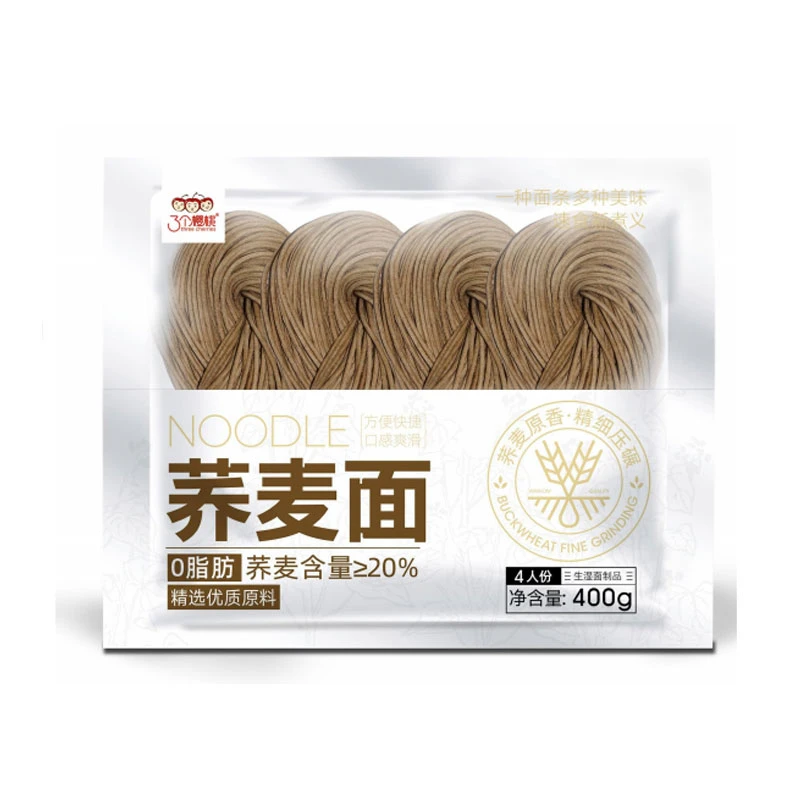
Soba noodles are distinguished by their primary ingredient: buckwheat flour. While the percentage of buckwheat can vary, higher buckwheat content contributes to a more robust and earthy flavor. The texture is also key; good soba noodles should have a slightly firm bite, avoiding mushiness. These noodles are traditionally served cold with a dipping sauce (tsuyu), but they also excel in hot noodle soups and stir-fries. The nutritional profile is another benefit – buckwheat is a good source of fiber, manganese, and protein. JX Semi-Dry Noodles carefully selects its buckwheat to ensure both flavor and nutritional value.
Key Highlights: Soba noodles are made primarily from buckwheat flour, offering a unique earthy flavor and excellent texture. They are a healthy choice, rich in fiber and essential nutrients.
Soba Cold Noodles: Preparation and Serving Suggestions
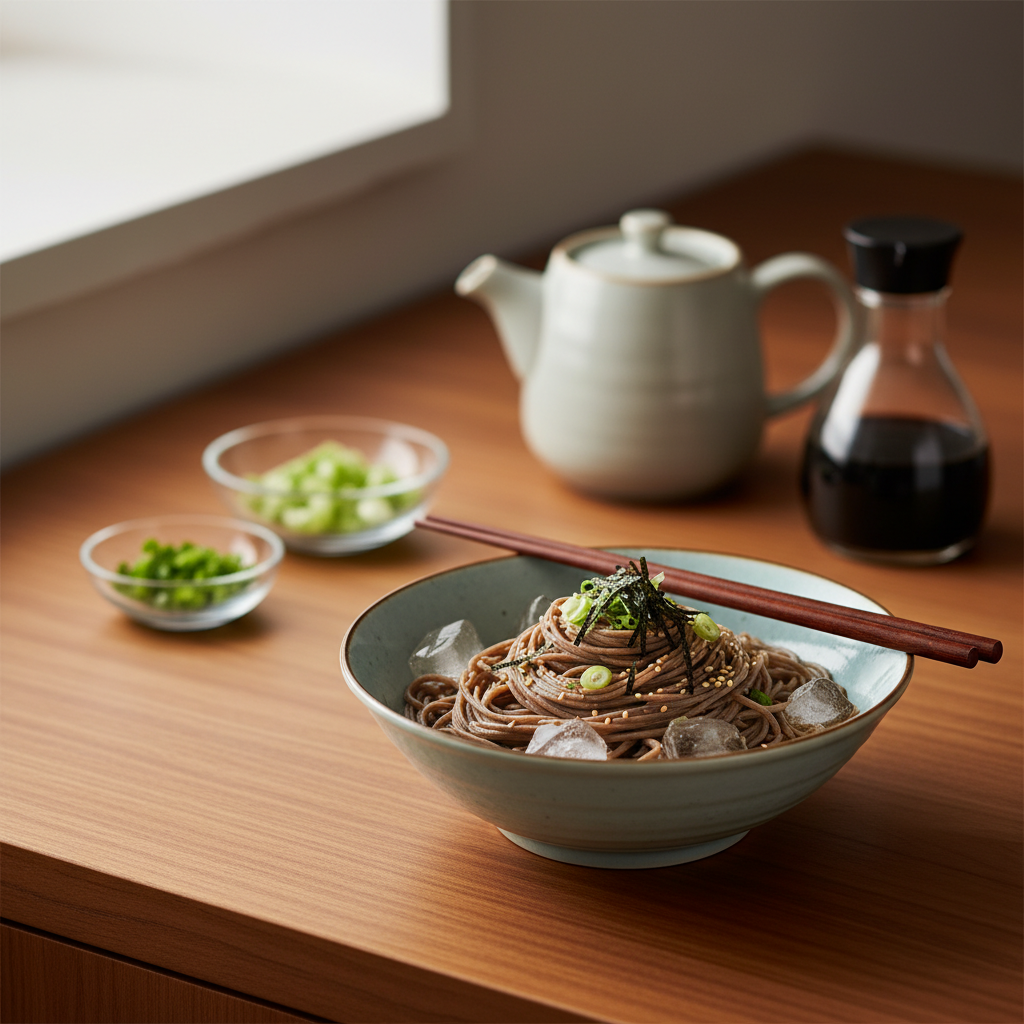
Preparing soba cold noodles is remarkably simple. After cooking the noodles according to package directions, they are immediately rinsed under cold water to stop the cooking process and remove excess starch. This ensures a firm and refreshing texture. They are then typically drained and served cold with a variety of toppings and a dipping sauce. Popular toppings include sliced scallions, nori seaweed, wasabi, tempura flakes, and shredded cucumber. The dipping sauce usually consists of soy sauce, mirin, and dashi broth, creating a savory and slightly sweet flavor profile. Experiment with different toppings to find your favorite combination!
Serving Ideas:
• Classic Cold Soba: Served with a tsuyu dipping sauce, scallions, and wasabi.
• Zaru Soba: Noodles served on a bamboo draining basket (zaru), with dipping sauce.
• Soba Salad: Mixed with vegetables and a sesame-based dressing.
• Noodle Soup: Enjoyed in a warm broth with vegetables and protein.
Soba Cold Noodles vs. Udon Noodles: A Comparison
While both soba and udon are popular Japanese noodles, they differ significantly in composition and flavor. Udon noodles are thick and chewy, made from wheat flour. Soba noodles, as discussed, are thinner and made from buckwheat flour. This difference results in distinct taste profiles – udon is mild and slightly sweet, while soba has a more earthy and robust flavor. Soba is often preferred in warmer weather due to its refreshing quality. JX Semi-Dry Noodles offers both soba and udon, allowing you to experience the best of both worlds.
JX Semi-Dry Noodles: Quality and Convenience
At JX Semi-Dry Noodles, we pride ourselves on providing high-quality soba noodles that are both delicious and convenient. Our semi-dry process ensures a longer shelf life without compromising on flavor or texture. We source the finest buckwheat and employ rigorous quality control standards. We offer various soba noodle options to suit your preferences and culinary needs.
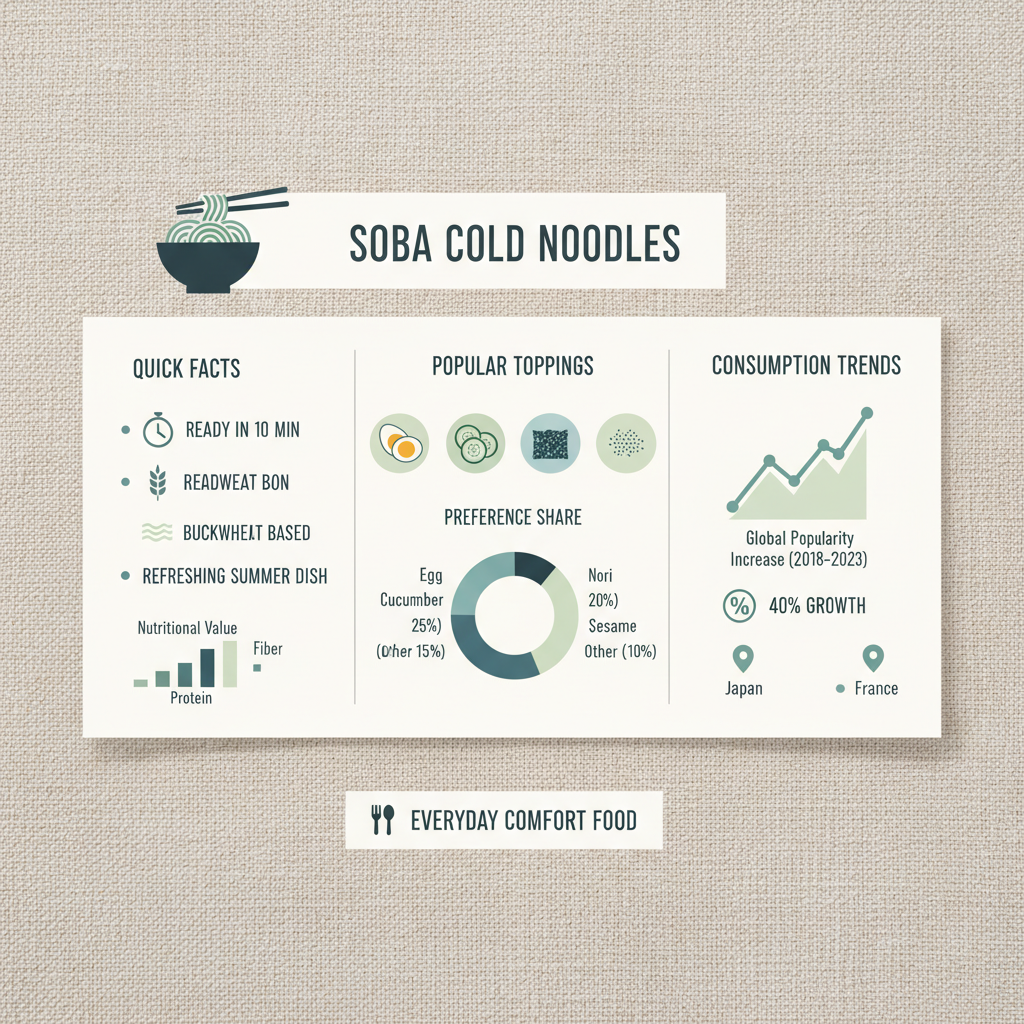
Product Specifications
Here are the specifications for our premium soba noodles:
Conclusion: Embrace the Flavor of Soba
Soba cold noodles offer a delightful culinary experience, and JX Semi-Dry Noodles is committed to bringing you the highest quality product. Whether you're a seasoned Japanese food enthusiast or simply looking to try something new, soba noodles are a versatile and satisfying choice. Explore our selection and elevate your next meal!
Frequently Asked Questions (FAQs)
How do I store soba noodles?
Unopened packages of JX Semi-Dry Noodles soba noodles should be stored in a cool, dry place. Once opened, transfer the noodles to an airtight container to maintain freshness. Properly stored, they can last for several months. Avoid exposing the noodles to moisture or direct sunlight.
Can I use soba noodles in hot dishes?
Absolutely! While soba noodles are traditionally served cold, they are also delicious in hot noodle soups and stir-fries. When using them in hot dishes, be careful not to overcook them, as they can become mushy. Adding the noodles towards the end of the cooking process will help maintain their texture.
What is the best dipping sauce for soba noodles?
The classic dipping sauce (tsuyu) is a blend of soy sauce, mirin, and dashi broth. You can purchase pre-made tsuyu or make your own. Experiment with adding grated ginger, wasabi, or scallions to customize the flavor. Some people also enjoy a simple soy sauce and vinegar mixture.
Are soba noodles gluten-free?
Pure soba noodles made with 100% buckwheat flour are naturally gluten-free. However, many soba noodles contain wheat flour, so it's essential to check the ingredient list if you have gluten sensitivities. JX Semi-Dry Noodles clearly labels its products with ingredient information.
-
Discover the Authentic Taste of Korean Buckwheat NoodlesNewsApr.16,2026
-
Discover the Refreshing Taste of Authentic Korean Cold SobaNewsApr.09,2026
-
Discover the Refreshing Taste of Korean Cold Buckwheat Noodles NaengmyeonNewsApr.07,2026
-
Discover the Cool and Refreshing World of Korean Buckwheat Noodles ColdNewsApr.04,2026
-
Discover the Refreshing Taste of Japanese Cold Buckwheat Noodles and Zaru SobaNewsMar.31,2026
-
Exploring the Delicious World of Chinese Style Cold NoodlesNewsMar.28,2026
-
Discover the Cool and Refreshing World of Korean Cold Soba NoodlesNewsMar.26,2026
Browse qua the following product new the we