
Are Cold Noodles Healthy A Comprehensive Guide To Nutritional Benefits
Are Cold Noodles Healthy? A Nutritional Deep Dive
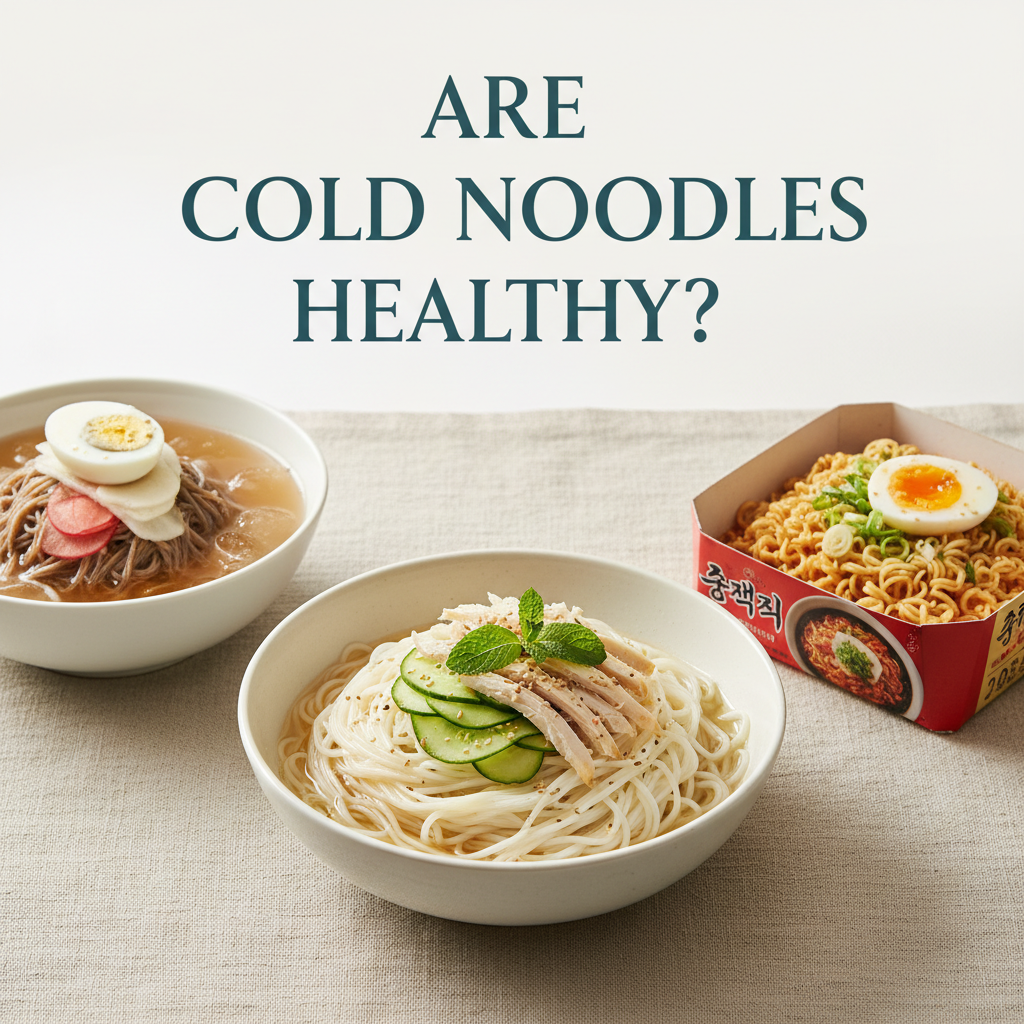
Cold noodles are a popular dish enjoyed across many cultures, particularly during warmer months. But beyond their deliciousness, many wonder: are cold noodles healthy? This article will explore the nutritional benefits and potential drawbacks of cold noodles, considering the noodles themselves, common ingredients, and preparation methods. We’ll also look at how different types of noodles impact the overall health profile of this beloved dish. Understanding these factors will help you make informed choices to enjoy cold noodles as part of a balanced diet.
The Nutritional Profile of Cold Noodles
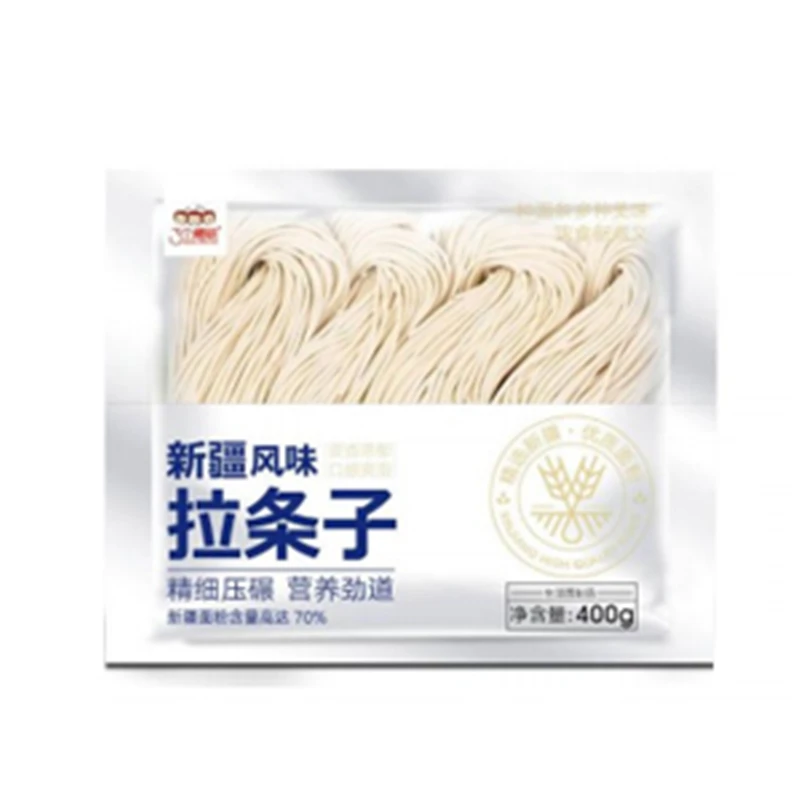
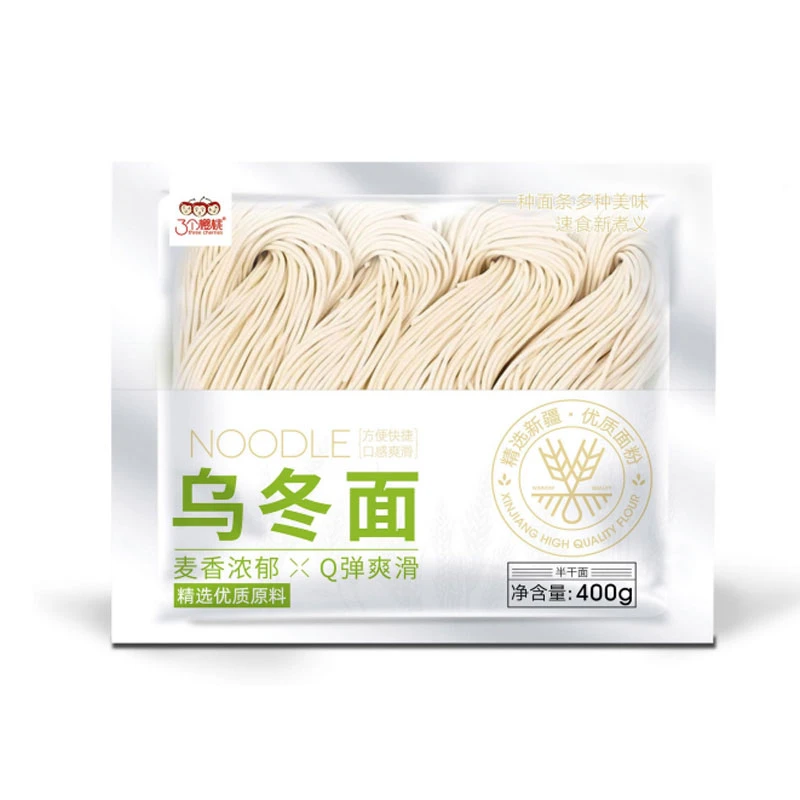
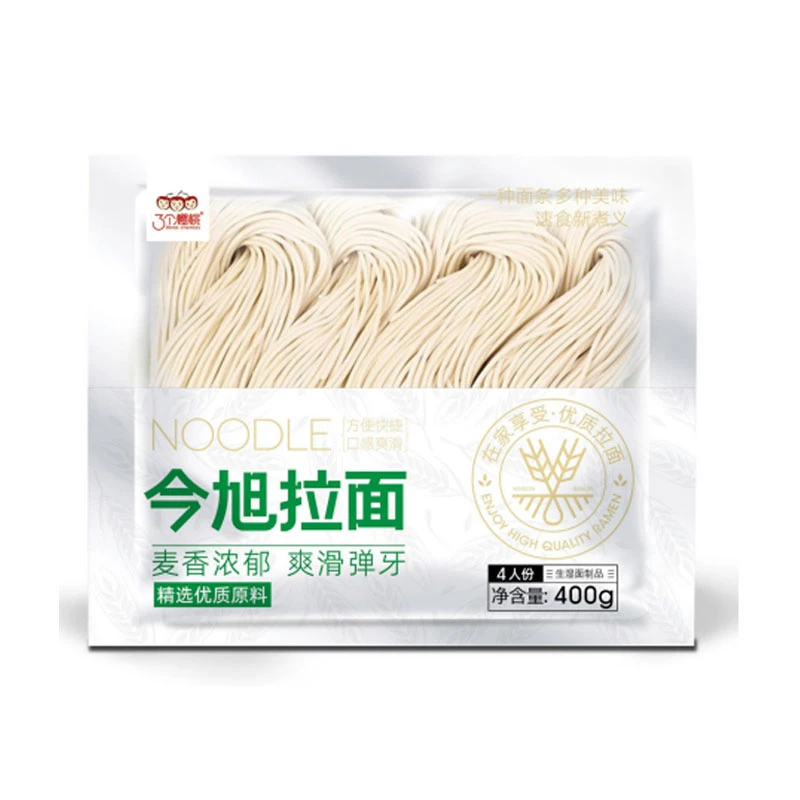
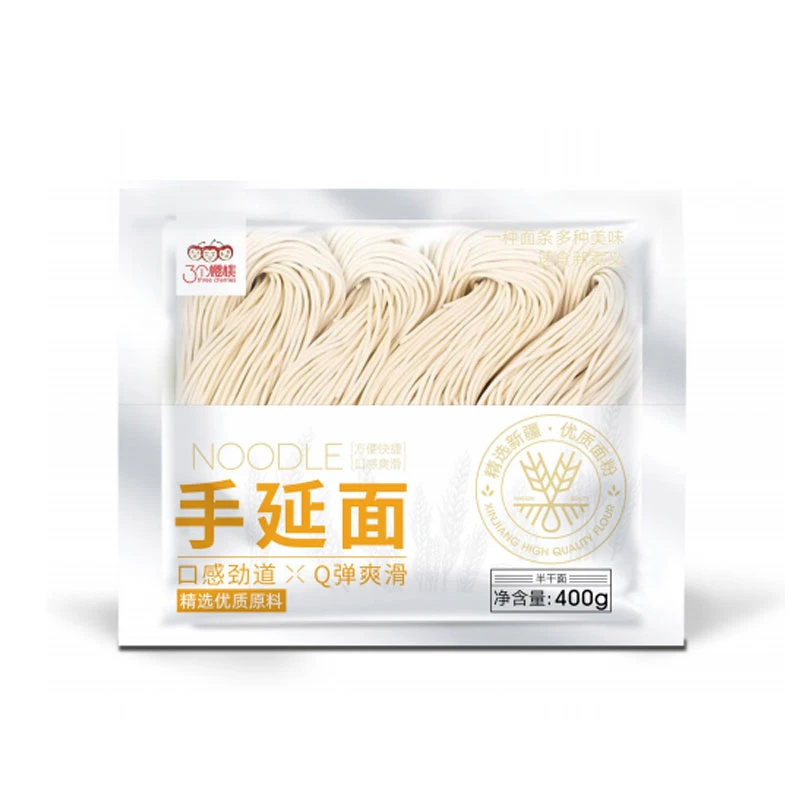
The healthiness of cold noodles hinges largely on the type of noodle used. Many traditional wheat-based noodles provide carbohydrates for energy. However, they can be relatively low in fiber and protein. Semi-dry noodles, like those from JX Semi-dry Noodles, offer a convenient and versatile base. The addition of vegetables, lean proteins, and healthy sauces can significantly enhance the nutritional value of the dish. It's important to be mindful of portion sizes as noodle dishes can be calorie-dense. Choosing whole-wheat or alternative noodle options can also boost the fiber and nutrient content.
Key Takeaway: The nutritional content of cold noodles varies greatly depending on the type of noodle and the accompanying ingredients. Focusing on whole grains, lean proteins, and plenty of vegetables is key.
Comparing Different Noodle Types
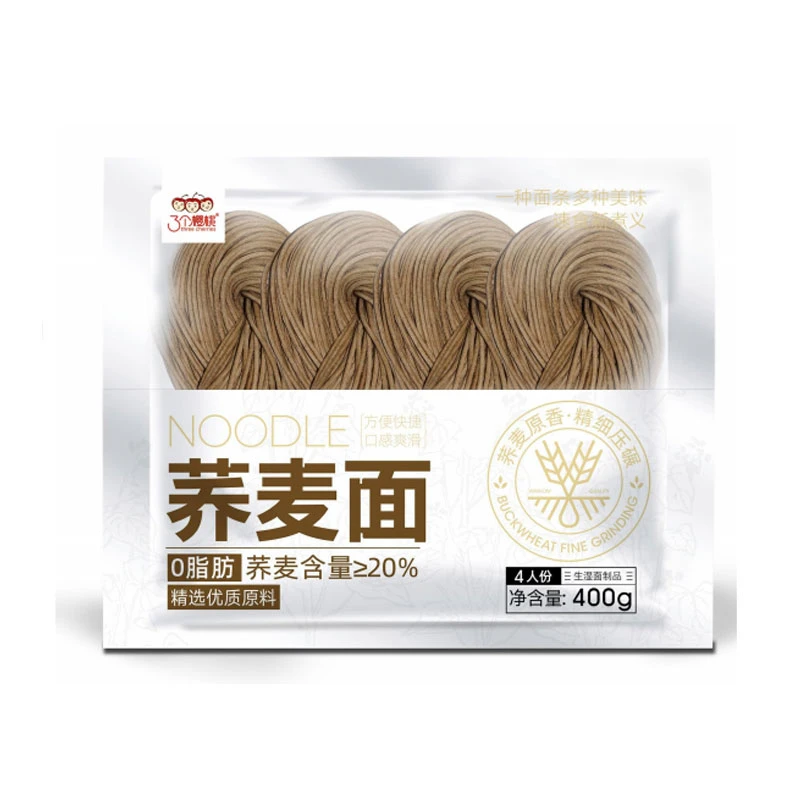
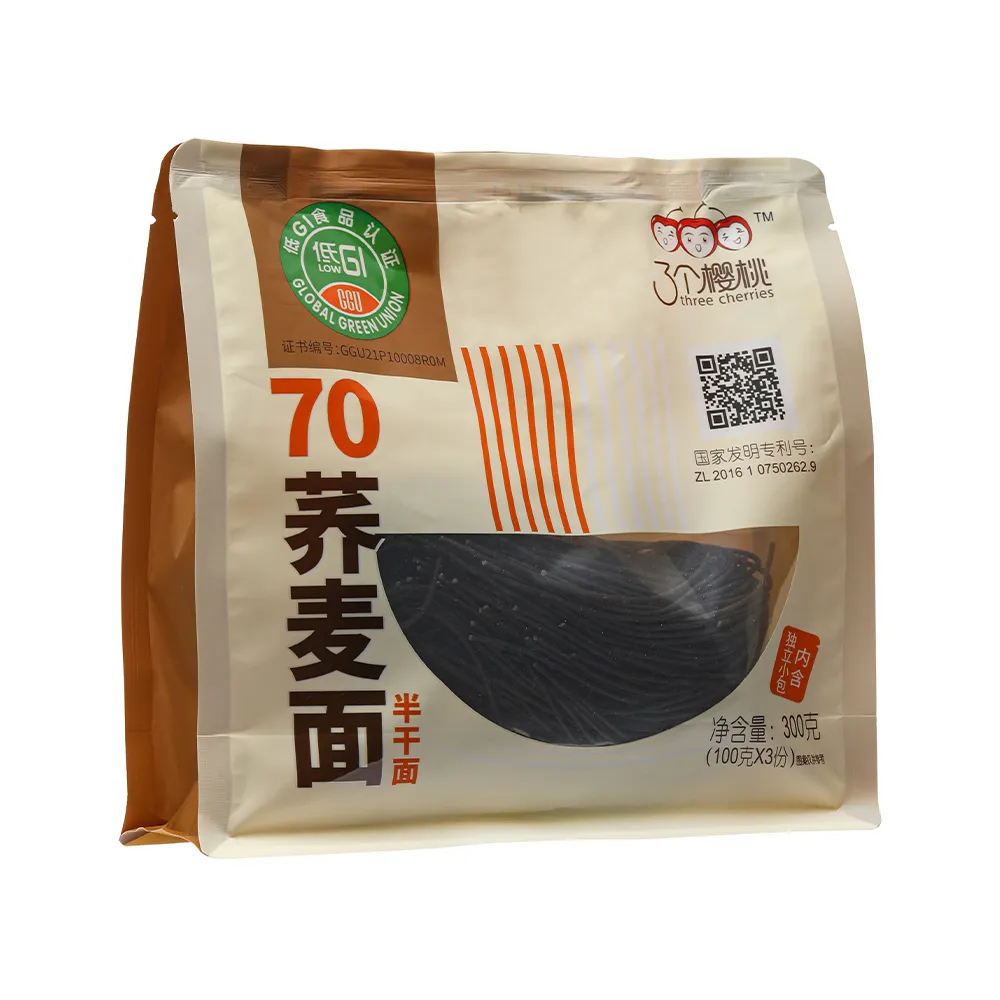
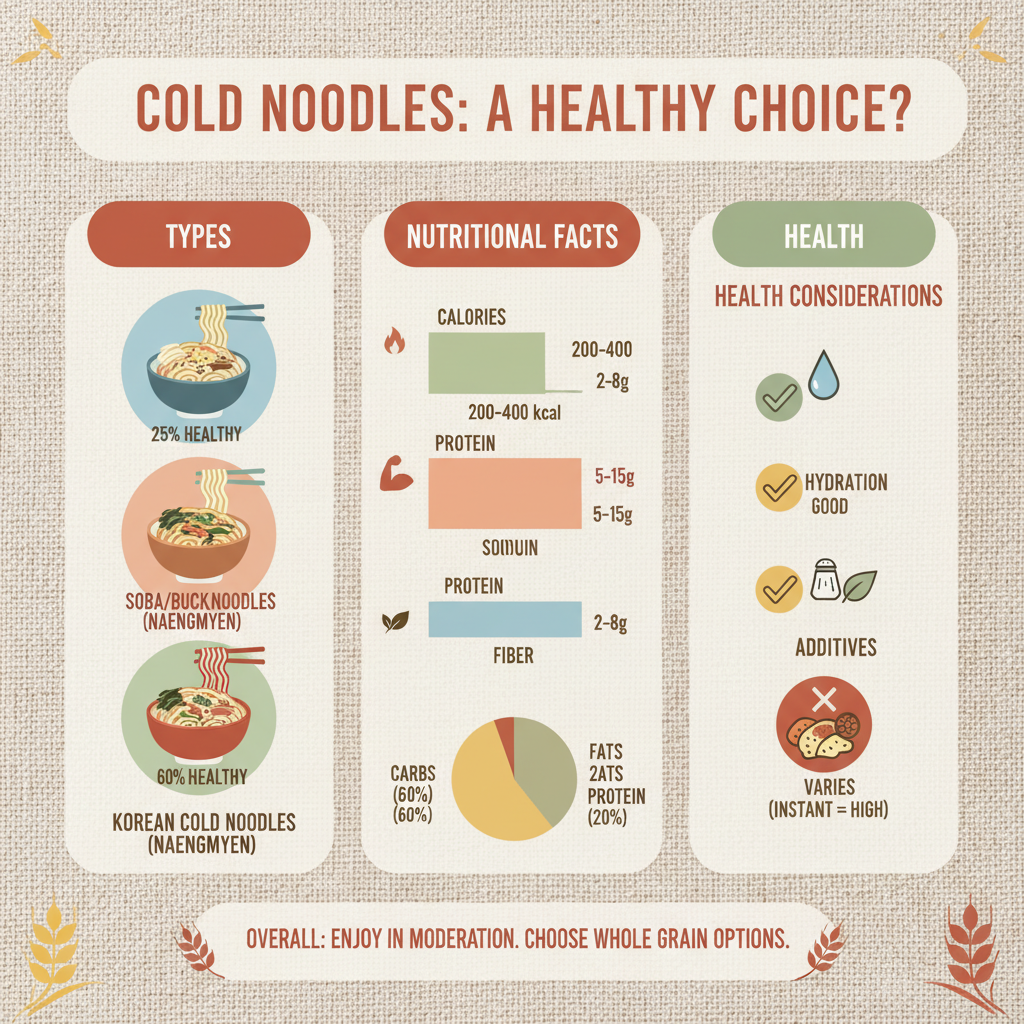
Not all noodles are created equal! Different noodle types have varying nutritional profiles. For example, rice noodles are gluten-free but often lack fiber. Buckwheat noodles (soba) provide more protein and fiber than wheat noodles. Whole wheat noodles offer a good source of fiber and nutrients compared to refined wheat noodles. Below is a comparison of some common noodle choices:
The Role of Sauces and Toppings
The sauce and toppings you choose can significantly impact the health profile of your cold noodle dish. Creamy, high-fat sauces can add substantial calories and unhealthy fats. Opt for lighter sauces based on vinegar, soy sauce (in moderation due to sodium content), or citrus juices. Adding plenty of vegetables like cucumbers, carrots, bean sprouts, and leafy greens will boost the vitamin and mineral content. Including lean protein sources, such as grilled chicken, shrimp, or tofu, will increase the dish’s satiety and nutritional value.
Are Cold Noodles Healthy? A Data-Driven Look
A recent study published in the Journal of Nutritional Science found that individuals who regularly consumed noodle dishes with a high proportion of vegetables and lean protein had a lower risk of chronic diseases. However, those who frequently chose dishes with creamy sauces and processed meats showed a correlation with increased health risks. The key, as with most foods, is moderation and mindful ingredient selection. Choosing noodles from JX Semi-dry Noodles allows for a versatile base to create a healthy meal.
Tips for Making Healthier Cold Noodles
Here are some simple tips to make your cold noodle dishes healthier:
- Choose Whole Grains: Opt for whole wheat, buckwheat, or other whole-grain noodle options.
- Load Up on Veggies: Add plenty of colorful vegetables for vitamins, minerals, and fiber.
- Lean Protein is Key: Incorporate grilled chicken, shrimp, tofu, or edamame.
- Lighten the Sauce: Use vinegar-based, citrus-based, or low-sodium soy sauce sauces.
- Watch Portion Sizes: Be mindful of how much you’re eating.
Conclusion: Enjoying Cold Noodles Responsibly
In conclusion, cold noodles can be a healthy and delicious meal when prepared thoughtfully. By choosing nutrient-rich ingredients, prioritizing whole grains, and practicing moderation, you can enjoy this popular dish as part of a balanced diet. Don't be afraid to experiment with different flavors and vegetables to create a meal that's both satisfying and good for you!
Frequently Asked Questions (FAQs)
Are cold noodles a good source of protein?
Generally, noodles themselves are not a significant source of protein. However, you can easily boost the protein content of your cold noodle dish by adding lean protein sources like grilled chicken, shrimp, tofu, or edamame. Combining noodles with these ingredients creates a complete meal with a good balance of macronutrients. Choosing soba noodles (buckwheat) is also an option, as they contain more protein than traditional wheat noodles.
Can I eat cold noodles if I have gluten intolerance?
If you have gluten intolerance, you need to be careful about the type of noodles you choose. Traditional wheat noodles contain gluten and should be avoided. Excellent gluten-free options include rice noodles, soba noodles made from 100% buckwheat (check the label to ensure they don't contain wheat flour), and noodles made from alternative grains like quinoa or corn. Always double-check the ingredients list to ensure the noodles are truly gluten-free.
Are cold noodles a healthy snack option?
While cold noodles can be a part of a healthy diet, they might not be the ideal snack option, especially in large portions. Noodles are relatively high in carbohydrates and can cause a rapid spike in blood sugar if consumed on their own. If you're looking for a healthier snack, consider pairing a small portion of cold noodles with plenty of vegetables and a lean protein source to balance the nutrients. Alternatively, opt for snacks with higher protein and fiber content.
-
Discover the Authentic Taste of Korean Buckwheat NoodlesNewsApr.16,2026
-
Discover the Refreshing Taste of Authentic Korean Cold SobaNewsApr.09,2026
-
Discover the Refreshing Taste of Korean Cold Buckwheat Noodles NaengmyeonNewsApr.07,2026
-
Discover the Cool and Refreshing World of Korean Buckwheat Noodles ColdNewsApr.04,2026
-
Discover the Refreshing Taste of Japanese Cold Buckwheat Noodles and Zaru SobaNewsMar.31,2026
-
Exploring the Delicious World of Chinese Style Cold NoodlesNewsMar.28,2026
-
Discover the Cool and Refreshing World of Korean Cold Soba NoodlesNewsMar.26,2026
Browse qua the following product new the we