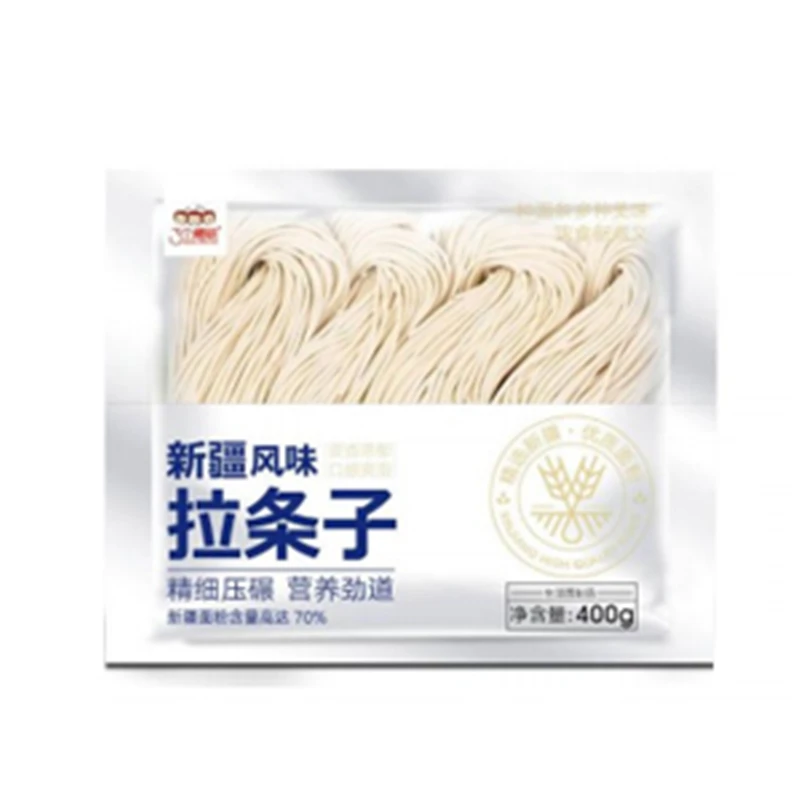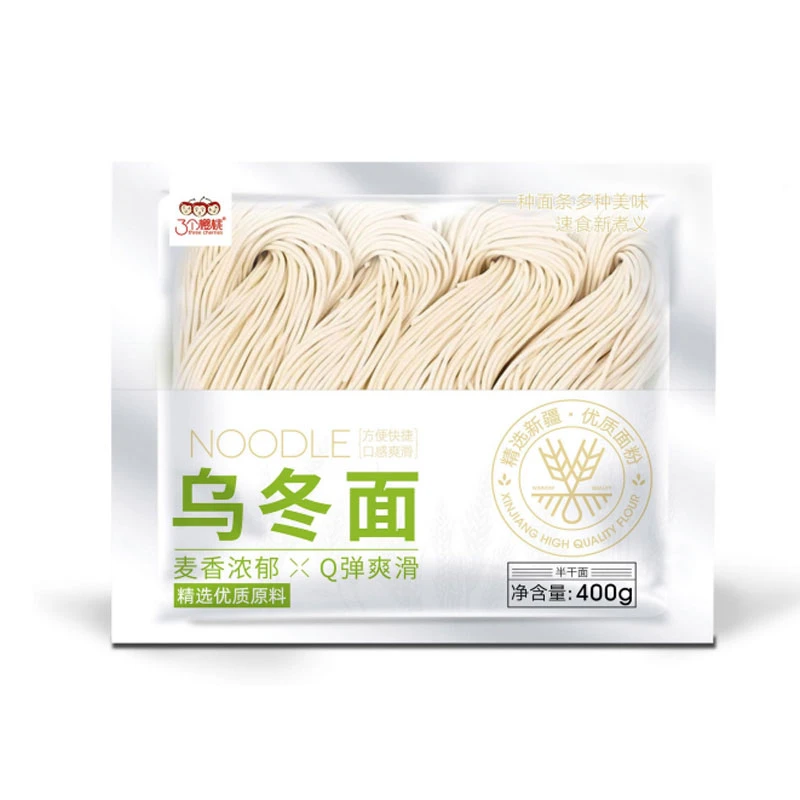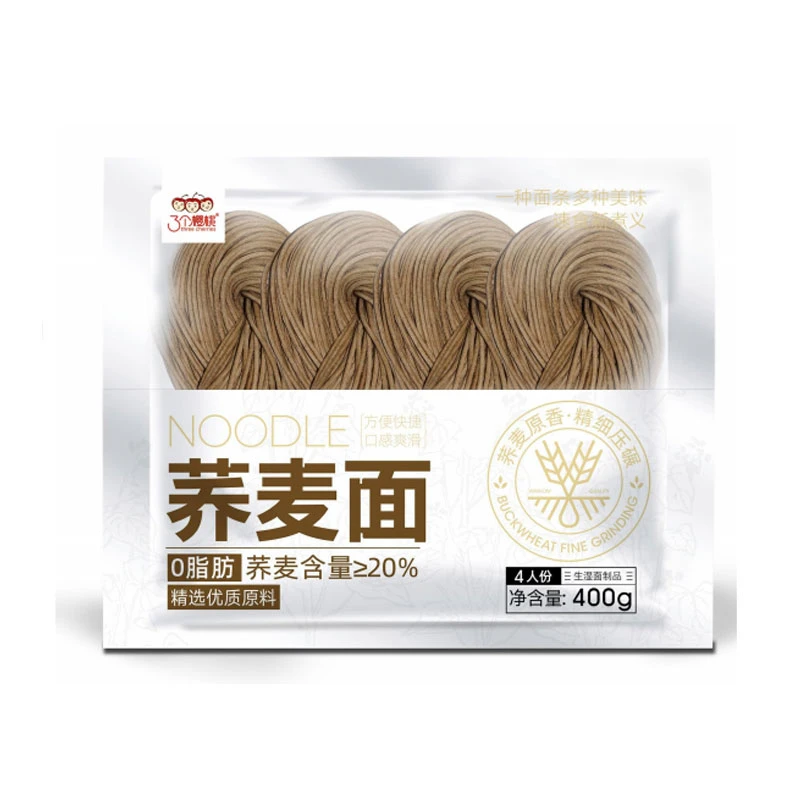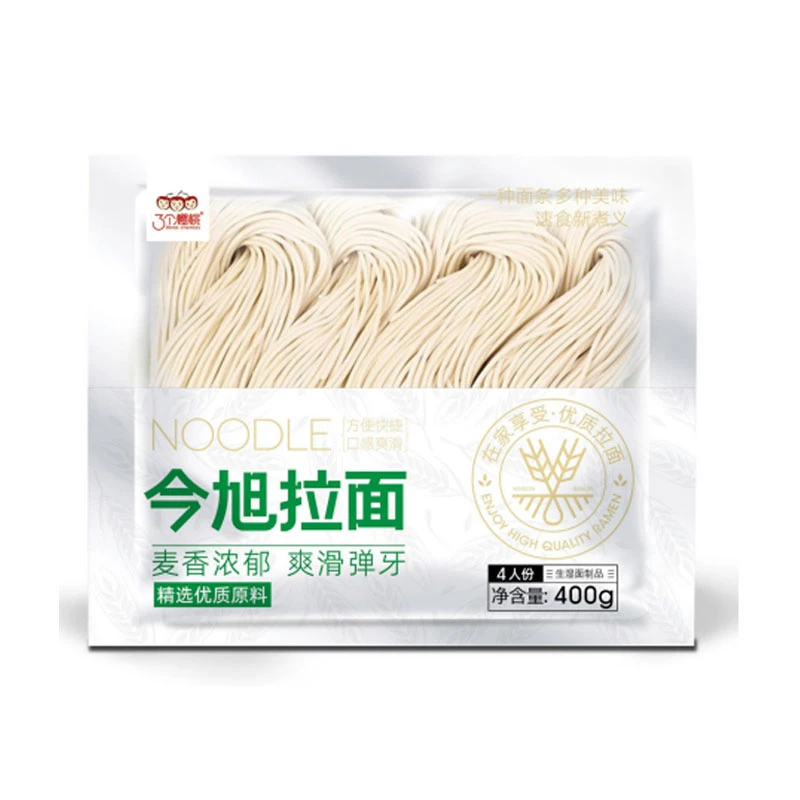

Discover the Authentic Flavors of Choung Soo Bibim Naengmyeon A Culinary Journey
Delving into the World of Choung Soo Bibim Naengmyeon
Choung Soo Bibim Naengmyeon, a beloved Korean cold noodle dish, is gaining international recognition for its vibrant flavors and refreshing qualities. This spicy and tangy dish is perfect for warm weather and offers a unique culinary experience. At JX Semi Dry Noodles, we specialize in providing high-quality noodles ideal for creating authentic Choung Soo Bibim Naengmyeon. This article explores the history, ingredients, preparation, and global appeal of this iconic dish.
A History Rooted in Tradition
The origins of Naengmyeon trace back to the Joseon Dynasty, but Choung Soo Bibim Naengmyeon specifically gained prominence in Hamhung, North Korea. During the Korean War, refugees brought the recipe south, and it quickly became a staple throughout the Korean peninsula. The "bibim" refers to the spicy mixing of the sauce, while "naengmyeon" signifies cold noodles. The dish was originally a way to enjoy noodles even during the hot summer months, and it's remained popular ever since. Today, it's celebrated not just in Korea but by food enthusiasts worldwide.
Key Highlight: Choung Soo Bibim Naengmyeon is known for its unique chewy texture, attributed to the use of buckwheat noodles and a carefully crafted gochujang-based sauce.
Essential Ingredients for Authentic Flavor
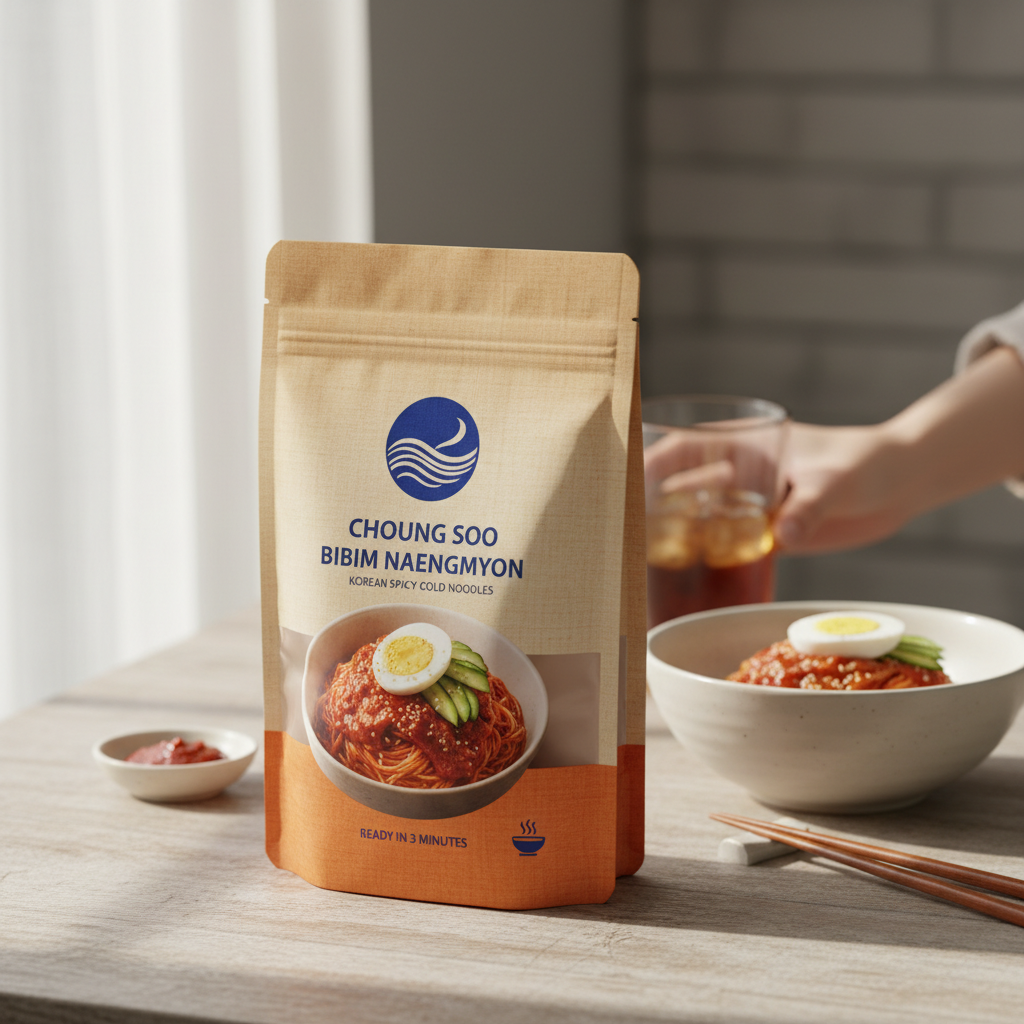
Creating authentic Choung Soo Bibim Naengmyeon requires specific ingredients. The foundation is, of course, the noodles – traditionally made with buckwheat, giving them a distinctive gray color and a delightful chewiness. The sauce, or yangnyeom, is a fiery blend of gochujang (Korean chili paste), gochugaru (chili powder), vinegar, sugar, garlic, sesame oil, and sometimes fruit puree for added sweetness. Common toppings include sliced cucumber, Korean radish, pickled mustard greens, a boiled egg, and thinly sliced beef or sometimes pear. High-quality noodles, like those from JX Semi Dry Noodles, are crucial for achieving the right texture and flavor.
Key Ingredients Breakdown:
• Buckwheat Noodles: The heart of the dish.
• Gochujang: Korean chili paste, providing a fermented umami flavor.
• Gochugaru: Korean chili powder, for heat and color.
• Vinegar & Sugar: Balances the spiciness with sweetness and acidity.
Choung Soo Bibim Naengmyeon: Preparation & Serving
Preparing Choung Soo Bibim Naengmyeon involves several steps. First, the noodles are cooked according to package directions (our semi-dry noodles at JX Semi Dry Noodles require a brief boil and rinse in cold water). Then, the sauce is thoroughly mixed. The noodles are placed in a bowl, generously coated with the sauce, and topped with the prepared vegetables and protein. Traditionally, the dish is served with a side of chilled broth, which can be poured over the noodles to adjust the spiciness and add a refreshing element.
Global Appeal and Modern Adaptations
Choung Soo Bibim Naengmyeon is no longer confined to Korea. Its popularity has surged globally, with Korean restaurants worldwide offering this refreshing dish. Modern adaptations have emerged, with chefs experimenting with different sauces and toppings to cater to diverse palates. However, the core essence – the chewy noodles, the spicy-sweet sauce, and the cooling sensation – remains consistent. The dish appeals to those seeking bold flavors and a unique culinary adventure.
JX Semi Dry Noodles: Your Gateway to Authentic Naengmyeon
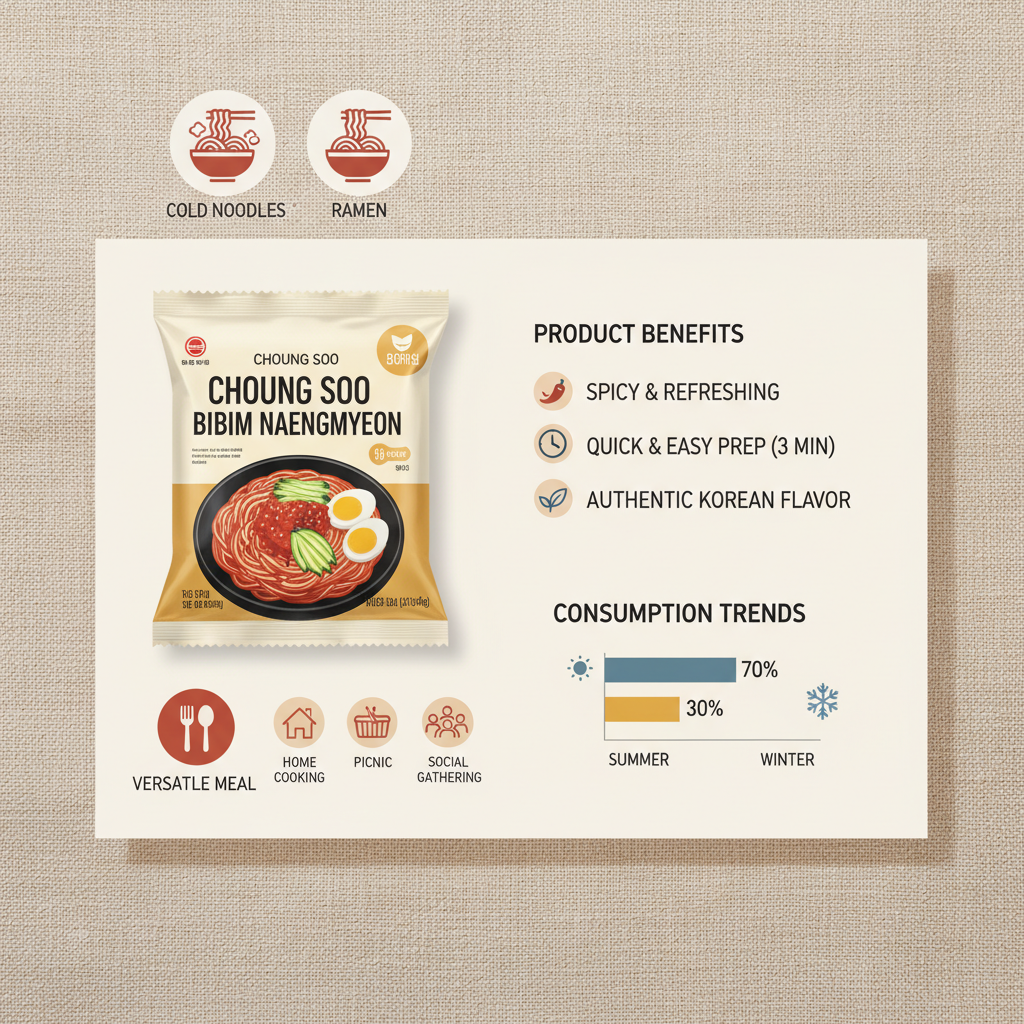
At JX Semi Dry Noodles, we are passionate about delivering the highest quality noodles for your Choung Soo Bibim Naengmyeon creations. Our semi-dry noodles offer a convenient and authentic experience, capturing the traditional texture and flavor you crave. We use carefully selected ingredients and a meticulous production process to ensure every bite is a delight.
Conclusion: Embrace the Flavor of Choung Soo Bibim Naengmyeon
Choung Soo Bibim Naengmyeon is more than just a dish; it's a cultural experience. With the right ingredients, especially high-quality noodles from JX Semi Dry Noodles, you can easily recreate this Korean masterpiece in your own kitchen. So, embrace the spice, the tang, and the refreshing coolness – and embark on a culinary journey you won't forget!
Frequently Asked Questions (FAQs)
What is the best way to store unused Choung Soo Bibim Naengmyeon noodles?
Unused Choung Soo Bibim Naengmyeon noodles, particularly our semi-dry variety from JX Semi Dry Noodles, should be stored in an airtight container in a cool, dry place. Avoid exposure to direct sunlight or humidity. Properly stored, they can maintain their quality for several weeks. If you intend to store them for longer periods, consider freezing them to preserve freshness. Ensure they are completely dry before freezing to prevent clumping.
Can I adjust the spiciness of Bibim Naengmyeon?
Absolutely! The spiciness of Choung Soo Bibim Naengmyeon is highly customizable. Start with a smaller amount of gochujang and gochugaru in the sauce and gradually add more to reach your desired level of heat. You can also adjust the amount of vinegar and sugar to balance the flavors. Serving the dish with a side of chilled broth allows diners to further dilute the sauce and control the spiciness to their preference.
What are some suitable protein options for this dish?
Traditionally, thinly sliced beef is the preferred protein for Choung Soo Bibim Naengmyeon. However, you can experiment with other options, such as grilled pork, chicken, or even tofu for a vegetarian alternative. The protein should be thinly sliced to complement the delicate texture of the noodles. Some people also enjoy adding a boiled egg for added richness and flavor.
Are buckwheat noodles gluten-free?
While buckwheat is naturally gluten-free, it's important to note that some buckwheat noodles may be processed in facilities that also handle wheat or other gluten-containing grains. This can lead to cross-contamination. At JX Semi Dry Noodles, we take precautions to minimize the risk of cross-contamination, but individuals with severe gluten sensitivities should always check the packaging for specific allergen information.
-
Discover the Authentic Taste of Korean Buckwheat NoodlesNewsApr.16,2026
-
Discover the Refreshing Taste of Authentic Korean Cold SobaNewsApr.09,2026
-
Discover the Refreshing Taste of Korean Cold Buckwheat Noodles NaengmyeonNewsApr.07,2026
-
Discover the Cool and Refreshing World of Korean Buckwheat Noodles ColdNewsApr.04,2026
-
Discover the Refreshing Taste of Japanese Cold Buckwheat Noodles and Zaru SobaNewsMar.31,2026
-
Exploring the Delicious World of Chinese Style Cold NoodlesNewsMar.28,2026
-
Discover the Cool and Refreshing World of Korean Cold Soba NoodlesNewsMar.26,2026
Browse qua the following product new the we