
Is Noodles OK for Diabetics? Smart Choices for Blood Sugar Control
Is Noodles OK for Diabetics? A Balanced Look at a Popular Staple
Noodles — they are everywhere, crossing cultures and cuisines with ease. Yet for people managing diabetes, the question "is noodles ok for diabetics" isn't just casual curiosity; it’s a critical dietary decision that echoes globally amid rising diabetes rates. According to the World Health Organization, diabetes affects over 537 million adults worldwide as of 2021, and diet plays a huge role in managing blood sugar levels. Understanding whether noodles fit into diabetic diets can unlock both nutritional benefits and lifestyle comforts, especially in areas where noodles are a staple food.
Mini takeaway: Noodles aren’t off-limits by default, but it’s about which types and how you integrate them into your meals.
Why Does It Matter Globally?
Diabetes is no longer a regional issue; it’s a global epidemic. The International Diabetes Federation estimates that by 2045, diabetes will affect nearly 780 million people globally. In many Asian countries—where noodles often form the dinner centerpiece—the challenge is particularly acute. This intertwining of cultural food habits and medical needs creates a unique nutritional puzzle. Yet, cutting out beloved foods like noodles without alternatives can affect quality of life, emotional wellbeing, and even meal adherence.
Moreover, carbohydrates from staple foods significantly impact blood sugar control. With noodles being a carbohydrate-rich food, the global question is: Which noodle types, serving sizes, and meal pairings can support better glycemic control?
Mini takeaway: Finding a balanced answer to “is noodles ok for diabetics” is crucial in culturally sensitive nutrition planning worldwide.
Defining the Question: What Does "Is Noodles OK for Diabetics" Really Mean?
At its core, "is noodles ok for diabetics" asks if consuming noodles will cause harmful spikes in blood sugar or if they can be part of a healthy diabetic diet. It boils down to glycemic index (GI), carbohydrate content, and overall meal composition. Modern food science connects these dots to tailor diets that are effective yet enjoyable.
In practical terms, it means looking beyond “noodles” as one generic food and understanding the diversity—wheat, rice, soba, glass noodles—and their varying impacts on blood glucose. For humanitarian and industry nutrition programs, this means crafting guidelines that respect local cuisine while preventing diabetes complications.
Key Factors to Consider When Choosing Noodles for Diabetics
1. Glycemic Index and Glycemic Load
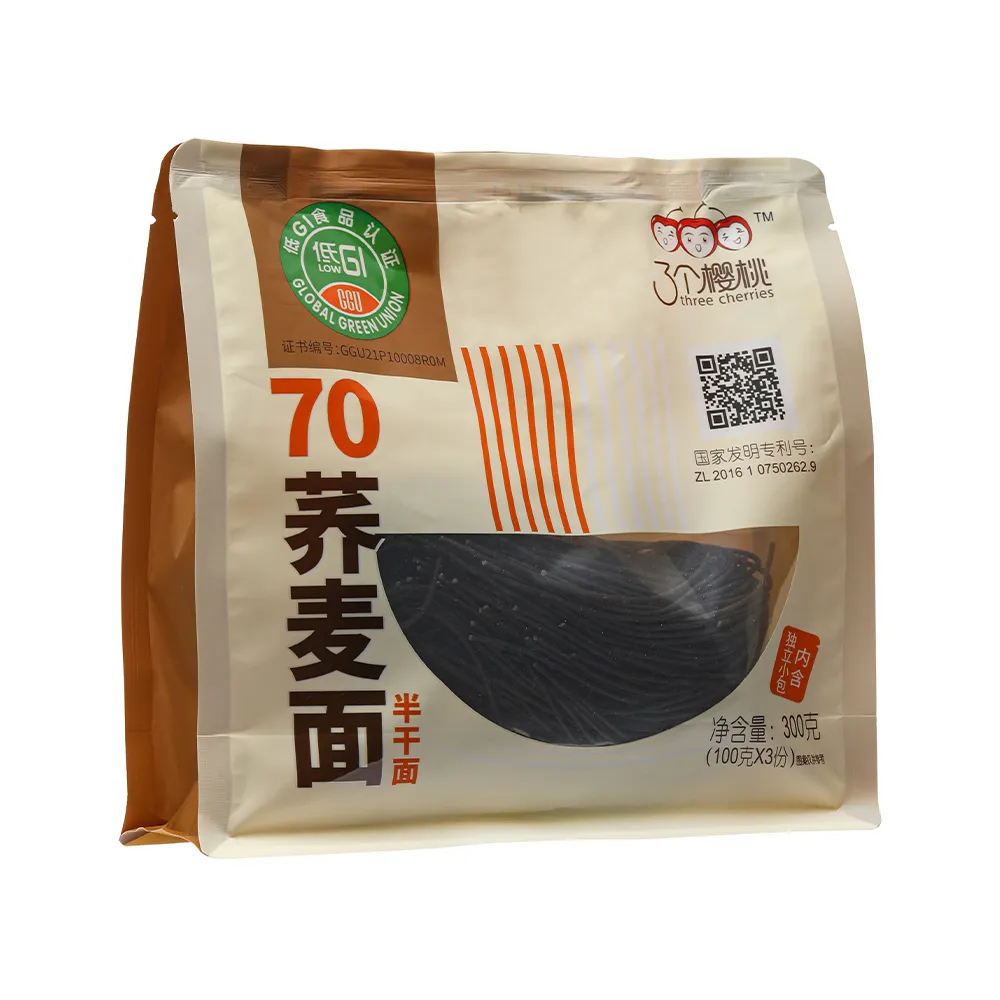
The GI ranks carbohydrate foods from 0 to 100 based on how quickly they raise blood glucose. Lower GI foods produce gentler rises. Many studies show that whole-grain or buckwheat (soba) noodles have a lower GI compared to refined wheat noodles.
2. Portion Size
No matter how "healthy," eating large portions of noodles can overwhelm blood sugar control. Practical guidance often centers on moderate portions paired with fiber, protein, and healthy fats to reduce glycemic spikes.
3. Processing and Ingredients
Refined, white-flour noodles are stripped of fiber, which normally slows sugar absorption. Alternatives like whole wheat, egg noodles, or noodles made from legumes offer better nutrient profiles.
4. Meal Composition
Integrating noodles into balanced meals — with vegetables, lean protein, and healthy fats — changes their impact drastically. Mixed meals typically lower the overall GI effect.
5. Cooking Methods
Cooking noodles “al dente” rather than overcooked can reduce the glycemic impact. Also, cooling cooked noodles and then reheating (think noodle salads) may increase resistant starch content, which is beneficial.
Mini takeaway:
There’s no single answer to “is noodles ok for diabetics.” Knowing noodle type, serving size, preparation, and meal context is essential.
Global Applications & Real-World Use Cases
From Southeast Asia's bustling street kitchens to European family dinners, noodles are everywhere. Countries like Japan and Korea traditionally consume buckwheat-based soba or sweet potato starch noodles, which tend to have moderate glycemic indices.
In clinical nutrition programs, like those run by the International Diabetes Federation or certain NGOs, culturally appropriate noodle-based recipes with controlled carbohydrate portions help patients adhere to recommendations without feeling deprived.
In urban industrial regions where fast convenience foods dominate, reformulated noodles — enriched with fiber or made from legumes — are gaining traction to improve glycemic profiles. Likewise, schools and hospitals in diabetes-prone areas are introducing noodle varieties better suited for glycemic control.
Advantages & Long-Term Value of Mindful Noodle Consumption
- Cost-effective nutrition: Noodles often provide affordable calories and energy, important in lower-income settings.
- Sustainability & cultural fit: Encouraging consumption of traditional noodles made with whole grains aligns with sustainable food systems and reduces food waste.
- Improved glycemic management: Choosing appropriate noodle types fosters better blood glucose stability, reducing risks of diabetic complications.
- Patient adherence: Maintaining beloved traditional foods supports psychological wellbeing and long-term dietary adherence.
Oddly enough, it’s as much about dignity as it is about biochemistry. You want meals that heal and feel like home.
Product Specification Table: Common Noodle Types & Nutritional Highlights
| Noodle Type | Primary Ingredient | Approx. GI | Carbs (per 100g cooked) | Fiber (g) |
|---|---|---|---|---|
| Refined Wheat Noodles | Refined wheat flour | 50–65 | 25–30 | 1–2 |
| Whole Wheat Noodles | Whole wheat flour | 40–45 | 22–28 | 6–7 |
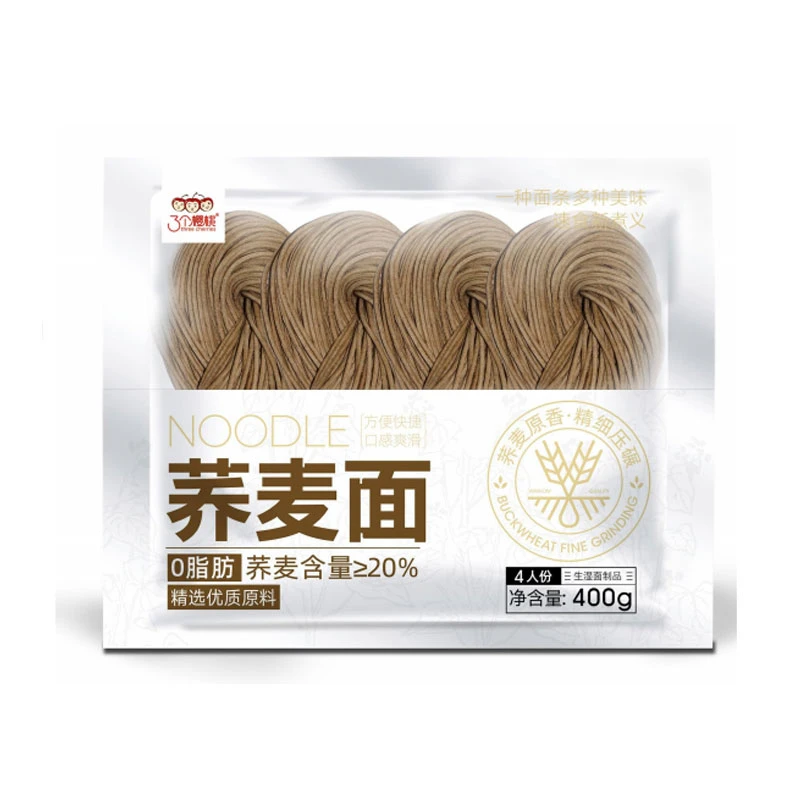
| Soba Noodles | Buckwheat flour | 45–55 | 24–27 | 3–4 |
| Legume-Based Noodles (Chickpea, Lentil) | Legume flour | 30–40 | 20–25 | 7–9 |
| Glass Noodles | Mung bean starch | 45–50 | 25–30 | 0–1 |
Vendor Comparison: Popular Noodle Brands Offering Diabetic-Friendly Options
| Brand | Variety | Fiber Content | Gluten-Free | Price Range (per 500g) |
|---|---|---|---|---|
| Healthy Harvest | Whole wheat, legume-based | 7g+ | No | $4.50 - $6.00 |
| SobaSky | 100% buckwheat soba | 4g | Yes | $5.00 - $7.00 |
| BeanGood | Chickpea and lentil noodles | 8g | Yes | $6.00 - $8.00 |
| Mung Bean Co. | Glass noodles | 0.5g | Yes | $3.50 - $5.00 |
Future Trends & Innovations in Diabetic-Friendly Noodles
The food industry is not standing still. Innovations like slow-digesting starch nanoparticles, added resistant starch, or fortified fiber blends in noodles are currently being studied to blunt glycemic impact. Digital nutrition tracking apps may soon integrate product scanning to help diabetics pick noodle brands and meal plans better tailored to their unique data.
On the sustainability front, growing use of legume flours and ancient grains not only help with diabetes but also support food security and ecological footprint reduction. The rise of plant-based diets further nudges noodle manufacturers toward fiber-rich, gluten-free, and high-protein options that are better for diabetics and the planet.
Common Challenges and How to Overcome Them
Despite advances, challenges remain. For starters, inconsistent labeling around carb content and glycemic index confuses consumers. Also, many affordable noodles remain low-fiber, high-GI, tempting those on tight budgets. Compliance to portion control can be tricky, especially in social and comfort food settings.
Nutrition experts suggest stronger regulatory standards, improved public education, and product innovation to close the gap. Incorporating is noodles ok for diabetics education into community programs helps, as does recipe guidance that respects culture while optimizing nutrition.
Frequently Asked Questions About Is Noodles OK for Diabetics
Q1: Can diabetics eat instant noodles?
Instant noodles are generally high in refined carbs and sodium, making them a poor choice for blood sugar management. However, if consumed rarely and in small portions combined with veggies and lean protein, the occasional instant noodle meal isn't necessarily harmful. Opt for lower-sodium, whole grain instant options when available.
Q2: What are the best types of noodles for diabetics?
Whole wheat, soba (buckwheat), and legume-based noodles typically offer lower glycemic index values and higher fiber content, helping maintain steadier blood sugar. Always pair noodles with fiber-rich vegetables and protein for a balanced meal.
Q3: How much noodle is safe to eat on a diabetic diet?
Portion control is key: roughly ½ to 1 cup cooked noodles per meal is a good starting point. Monitoring blood glucose response after meals helps personalize serving sizes. Consulting with a dietitian can provide tailored advice.
Q4: Do gluten-free noodles help diabetics?
Gluten-free noodles made from legumes or rice can be better choices if they have higher fiber and protein, but not all gluten-free noodles are low GI. Always check nutrition labels and ingredient sources to ensure they support blood sugar management.
Q5: Can cooking methods change the impact of noodles on blood sugar?
Yes! Cooking noodles al dente and cooling them before consumption increases resistant starch, which slows glucose uptake. Avoid overcooked, mushy noodles to minimize glycemic spikes.
Conclusion & Call to Action
Sorting out "is noodles ok for diabetics" involves nuance—no one-size-fits-all answers here. But armed with knowledge about noodle types, cooking, portions, and pairing, noodles can still enrich a diabetic diet without derailment. In the end, it’s about balance, culture, and smart choices that honor the joy of eating.
If you’d like to explore diabetic-friendly noodle options and recipes further, visit our website for trusted, tested products and practical tips: https://www.jxsemidrynoodles.com.
References:
-
Discover the Refreshing Taste of Authentic Korean Cold SobaNewsApr.09,2026
-
Discover the Refreshing Taste of Korean Cold Buckwheat Noodles NaengmyeonNewsApr.07,2026
-
Discover the Cool and Refreshing World of Korean Buckwheat Noodles ColdNewsApr.04,2026
-
Discover the Refreshing Taste of Japanese Cold Buckwheat Noodles and Zaru SobaNewsMar.31,2026
-
Exploring the Delicious World of Chinese Style Cold NoodlesNewsMar.28,2026
-
Discover the Cool and Refreshing World of Korean Cold Soba NoodlesNewsMar.26,2026
-
Discover the Refreshing World of Japanese Cold Soba Noodle CuisineNewsMar.24,2026
Browse qua the following product new the we