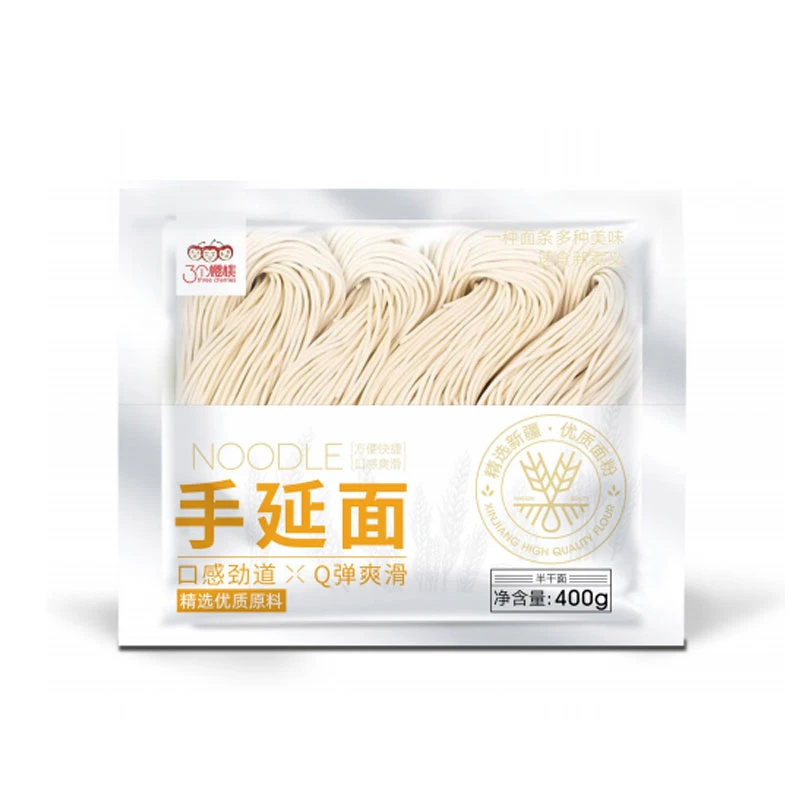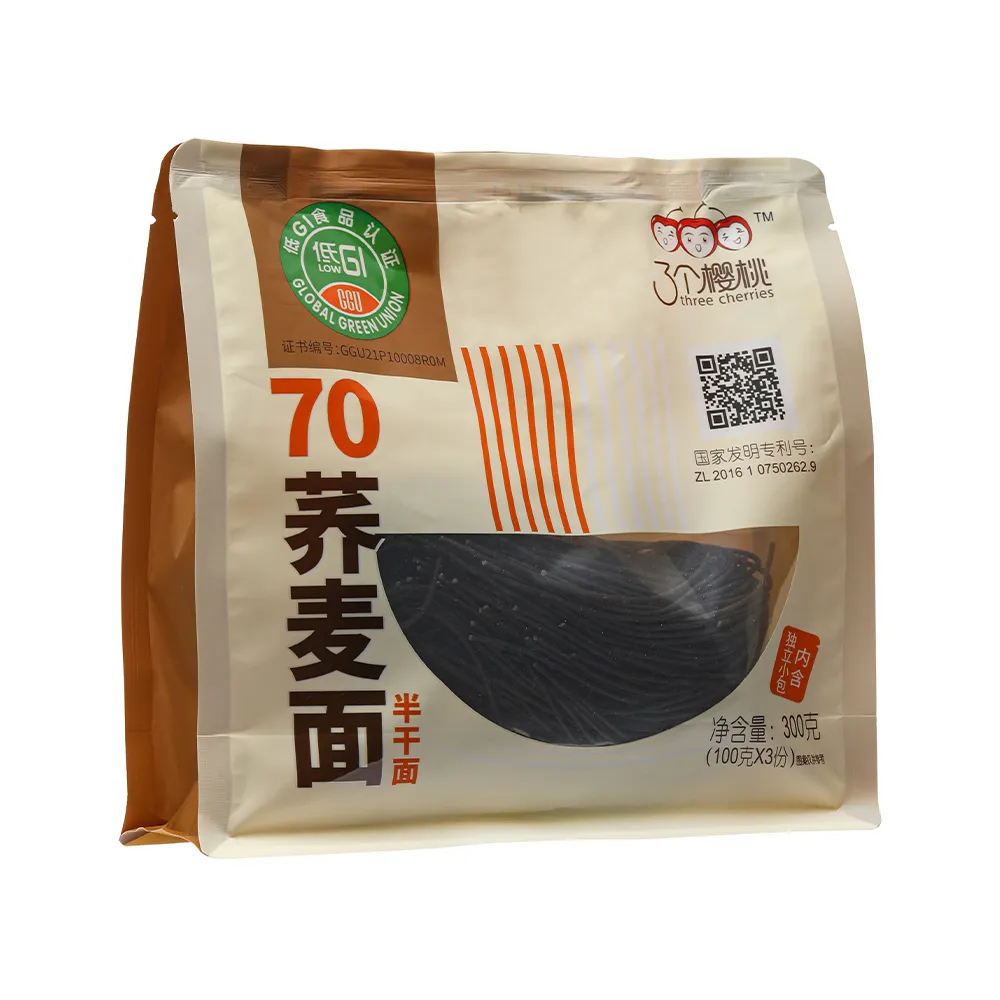

Cold Noodles China: A Sustainable Packaging Solution
Understanding the Rise of Cold Noodles China in B2B Applications
You know, I’ve been spending a lot of time lately looking at materials science in… well, frankly, in rather unexpected places. And it keeps bringing me back to these incredibly durable, semi-dry noodles coming out of China. Not for lunch, obviously. We’re talking about an industrial component. A surprisingly versatile one. Cold Noodles China, as they’re called, aren't your average ramen. They’re a composite material increasingly used in conveyor systems, protective packaging, even as structural supports in light manufacturing. It's odd, isn't it? But the performance is hard to ignore.
Table of Contents
- Cold Noodles China Overview
- Benefits & Use Cases of Cold Noodles China
- Cost, Maintenance & User Experience
- Sustainability & Market Trends
Cold Noodles China Overview
These aren't cooked noodles, of course. They're a proprietary blend of wheat flour, starch, and a carefully guarded mix of natural fibers, pressed and partially dried to create a remarkably strong, lightweight material. I suppose the 'cold' refers to the process—it’s not heat treated in the same way traditional pasta is. The key is the way the fibers align during the pressing, creating a tensile strength that rivals some polymers. It’s a bit like nature’s fiberglass, really. Here’s a quick look at the specs:
| Specification | Value | Unit |
|---|---|---|
| Tensile Strength | 25-35 | MPa |
| Density | 0.8-1.2 | g/cm³ |
| Moisture Content | 12-15 | % |
| Biodegradability | Yes | - |
Benefits & Use Cases of Cold Noodles China
Where it really shines is in applications where weight is a concern. We're talking about conveyor belts in food processing, protective corner cushions for delicate electronics during shipping, even internal bracing for lightweight drones. Many engineers I've spoken with mention its impact resistance is surprisingly high – it kind of absorbs energy, distributing the force. The customization options are also a huge draw. They can vary the thickness, density, and even incorporate additives for specific properties, like flame retardancy. Here's how they stack up against the competition:
| Vendor | Material | Price (per kg) | Weight |
|---|---|---|---|
| JX Semi-Dry Noodles | Wheat Fiber Composite | $8-12 | Lightweight |
| Polyfoam Inc. | Expanded Polystyrene (EPS) | $5-8 | Moderate |
| Fibertek Solutions | Recycled Cardboard | $3-6 | Moderate to Heavy |
Cost, Maintenance & User Experience
The initial cost is competitive, and frankly, often lower than comparable polymer solutions. The total cost of ownership is where it gets interesting, though. Because of its durability, replacement frequency is significantly reduced. Maintenance is minimal – usually just wiping it down. I spoke to a packaging company a few months ago; they were using it to protect sensitive optical equipment. They told me they saw a 30% reduction in damage claims after switching. That's a pretty significant ROI. The material is also compostable, which is a growing consideration for a lot of businesses.
Sustainability & Market Trends
The push for sustainable packaging and materials is only going to intensify, I suppose. Regulations are tightening, and consumers are demanding more eco-friendly options. Cold Noodles China hits that sweet spot—it’s renewable, biodegradable, and performs exceptionally well. The market is definitely noticing. We're seeing increased demand from industries like food processing, electronics, and even automotive. It feels like this is just the beginning.
Frequently Asked Questions about Cold Noodles China
- What is Cold Noodles China and how does it work?
- Cold Noodles China is a composite material made from wheat flour, starch, and natural fibers. It's pressed and partially dried to create a strong, lightweight structure. The fiber alignment during pressing contributes to its remarkable tensile strength.
- What are the main benefits of using Cold Noodles China in industrial applications?
- The main benefits include its lightweight nature, high impact resistance, cost-effectiveness, biodegradability, and customization options. It offers a sustainable alternative to traditional materials like plastics and foams.
- How does Cold Noodles China compare to traditional alternatives?
- Compared to EPS or cardboard, Cold Noodles China offers a better strength-to-weight ratio and is more environmentally friendly. While it may be slightly more expensive upfront than some options, its durability and reduced replacement costs make it a competitive choice.
- What industries can benefit most from Cold Noodles China implementation?
- Industries like food processing, electronics packaging, logistics, and automotive are seeing significant benefits from using Cold Noodles China due to its protective qualities, lightweight design, and sustainable attributes.
Conclusion on Cold Noodles China from china
So, yeah. It’s noodles. But not for eating. Cold Noodles China is a surprisingly robust and versatile material that’s quietly disrupting a lot of industries. Don’t underestimate the power of a well-engineered carbohydrate.
- Visit our website: https://www.jxsemidrynoodles.com
-
Discover the Authentic Taste of Korean Buckwheat NoodlesNewsApr.16,2026
-
Discover the Refreshing Taste of Authentic Korean Cold SobaNewsApr.09,2026
-
Discover the Refreshing Taste of Korean Cold Buckwheat Noodles NaengmyeonNewsApr.07,2026
-
Discover the Cool and Refreshing World of Korean Buckwheat Noodles ColdNewsApr.04,2026
-
Discover the Refreshing Taste of Japanese Cold Buckwheat Noodles and Zaru SobaNewsMar.31,2026
-
Exploring the Delicious World of Chinese Style Cold NoodlesNewsMar.28,2026
-
Discover the Cool and Refreshing World of Korean Cold Soba NoodlesNewsMar.26,2026
Browse qua the following product new the we