
Discover the Refreshing World of Korean Cold Noodles Naengmyeon A Culinary Delight
Exploring the Delight of Korean Cold Noodles: Naengmyeon
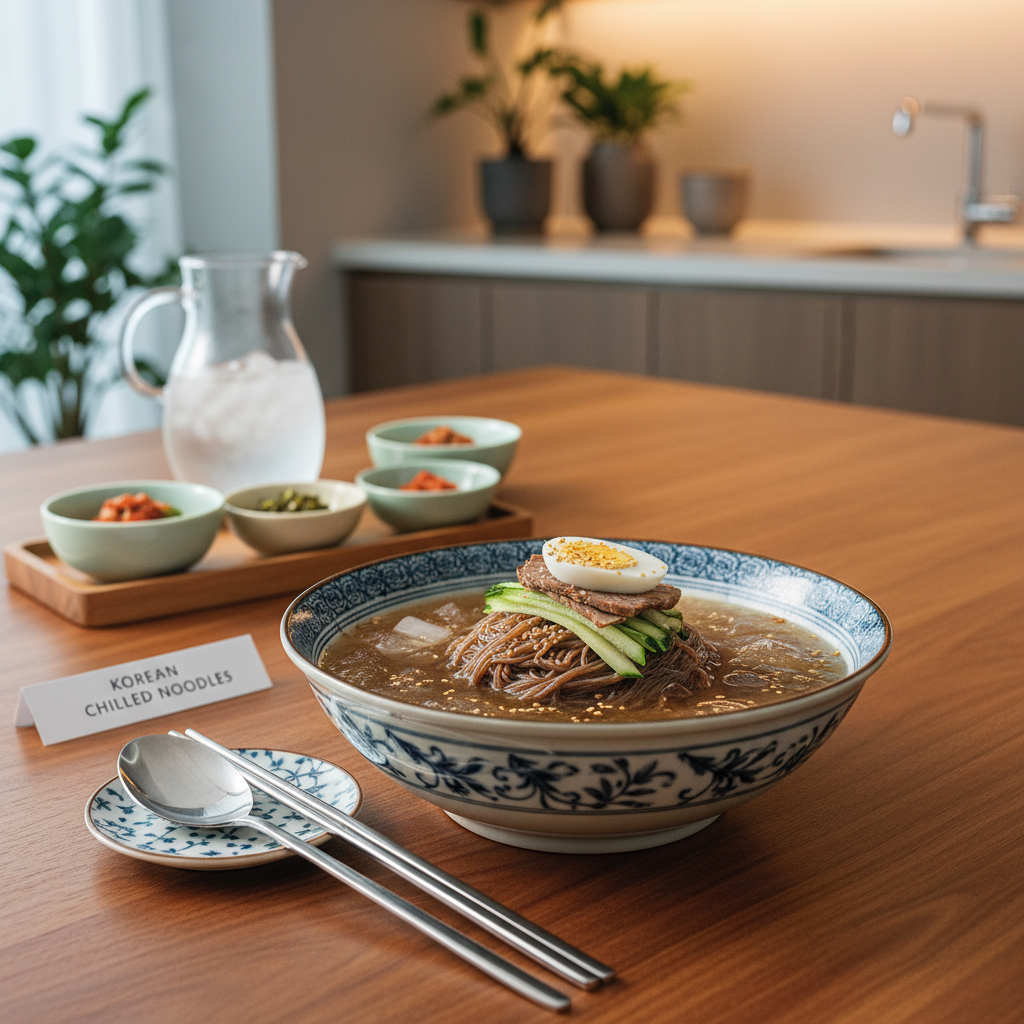
Naengmyeon, or Korean cold noodles, is a beloved dish, especially during the hot summer months. This refreshing meal features long, slender noodles served in a chilled broth, often garnished with sliced vegetables, meat, and a flavorful sauce. It’s more than just a meal; it's a cultural experience. This article delves into the history, variations, nutritional benefits, and preparation of this iconic Korean dish. Whether you're a seasoned foodie or new to Korean cuisine, discover why naengmyeon is a must-try culinary adventure.
The History and Origins of Naengmyeon
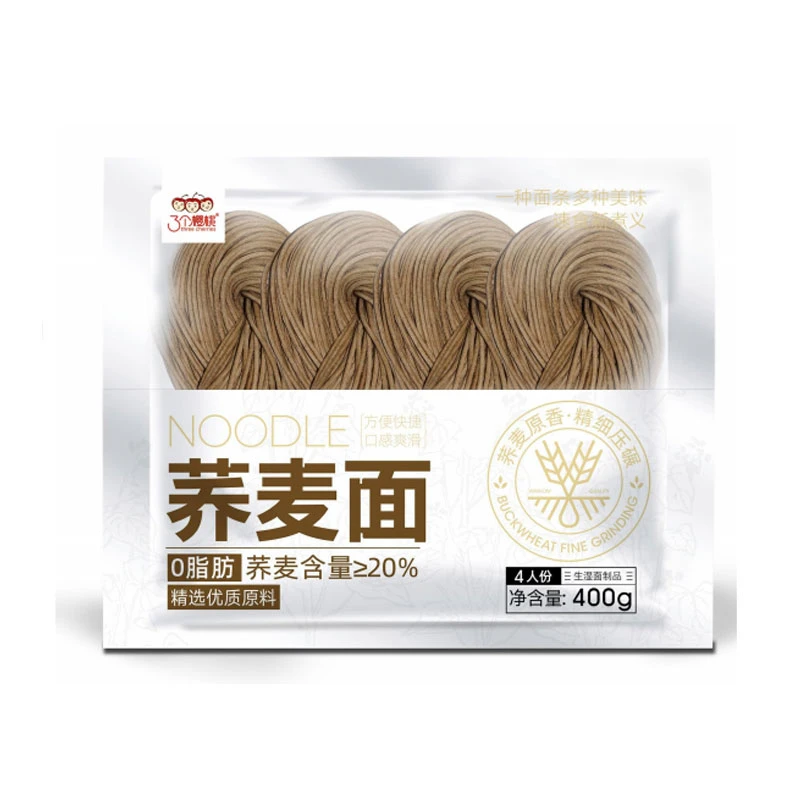
Naengmyeon’s origins can be traced back to the Joseon Dynasty, though it wasn’t the dish we know today. Initially, it was a delicacy enjoyed by the royalty, featuring buckwheat noodles served in icy broth. Over time, it spread to the general population and evolved, incorporating regional variations and ingredients. The introduction of mung bean starch noodles during the Japanese colonial period further diversified the dish. Today, naengmyeon is a symbol of Korean culinary heritage, celebrated for its refreshing taste and historical significance.
Key Fact: Naengmyeon was originally a royal dish enjoyed during the Joseon Dynasty.
Exploring the Different Types of Naengmyeon
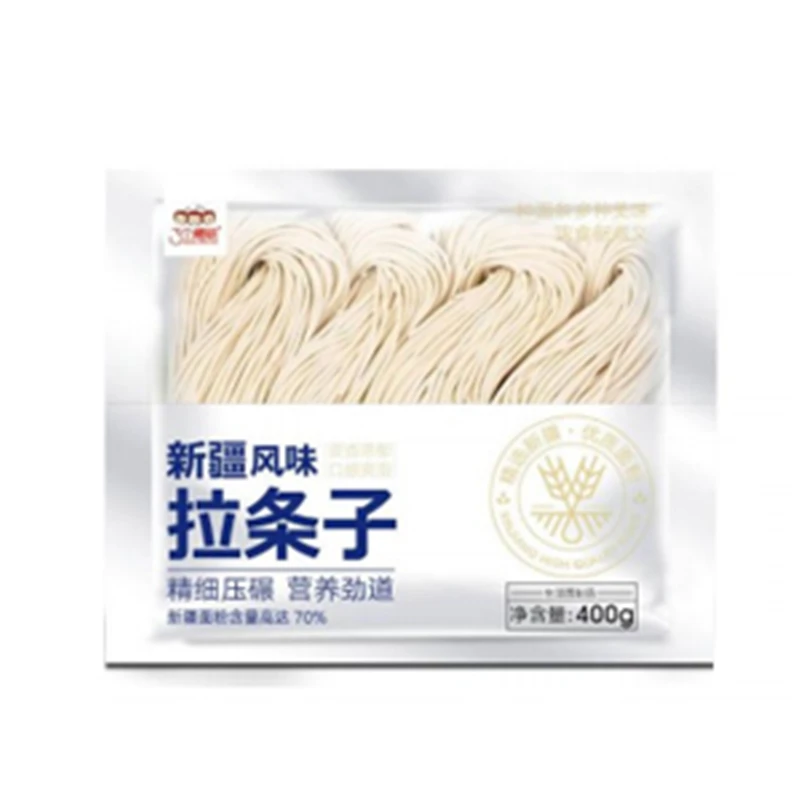
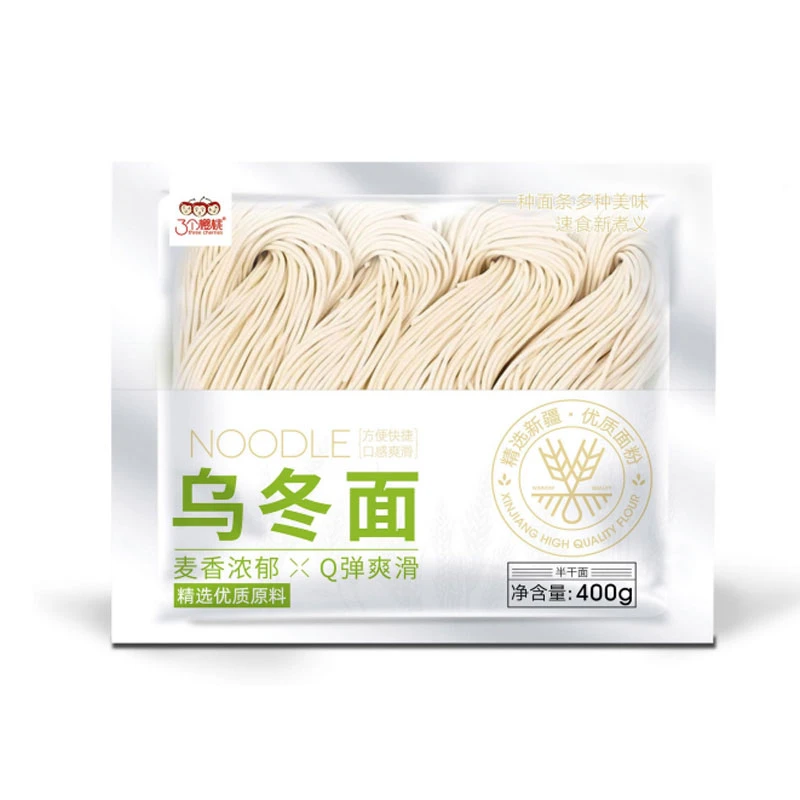
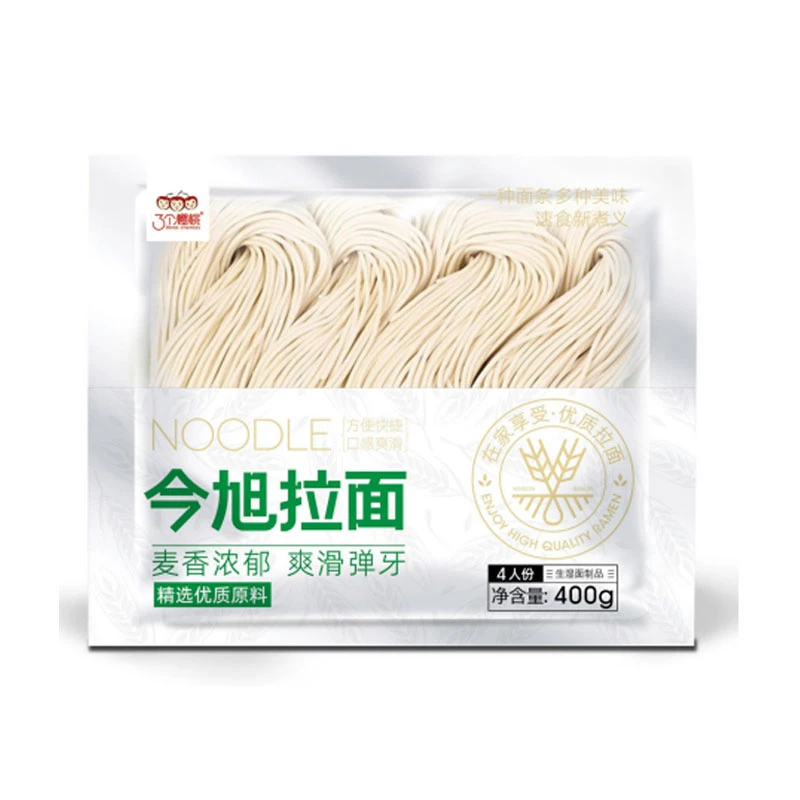
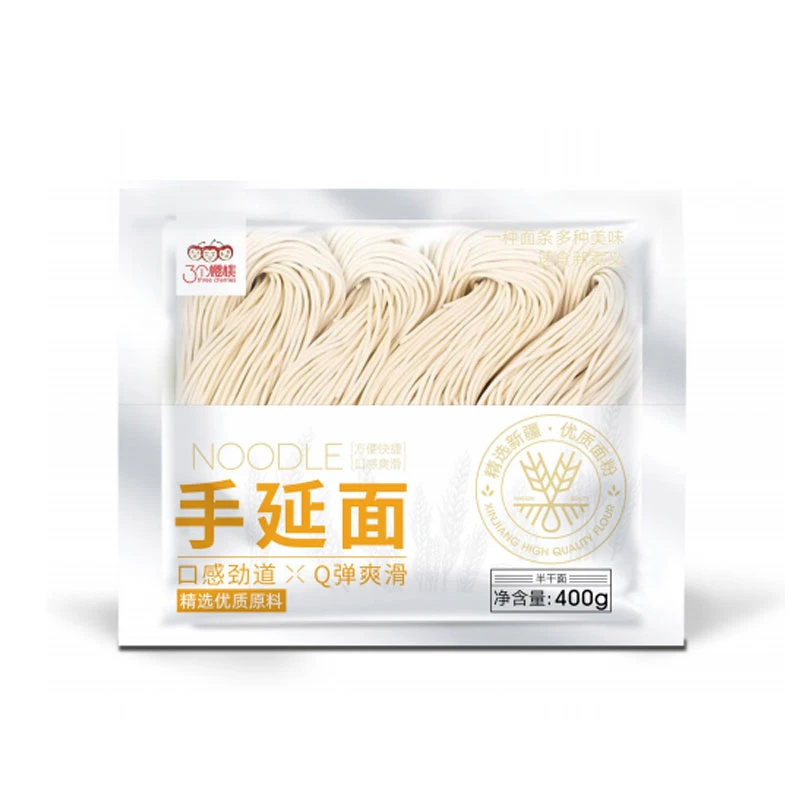
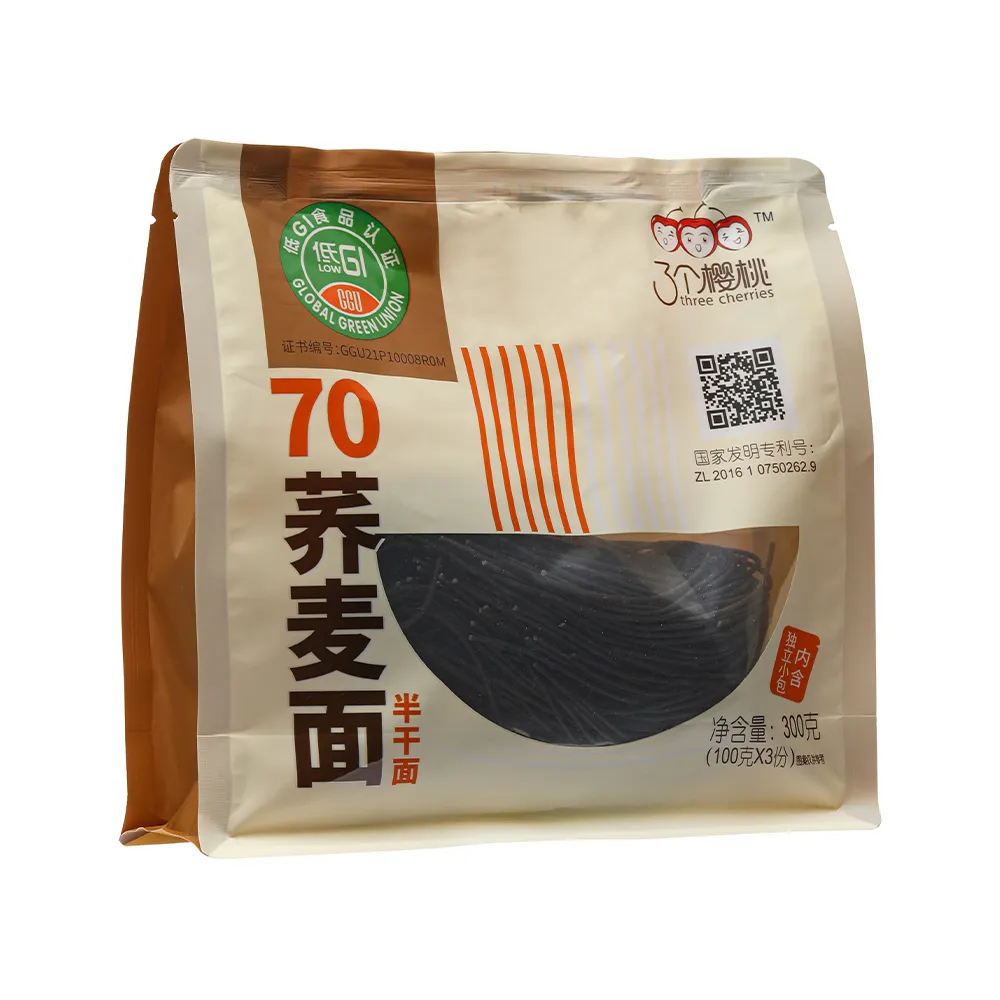
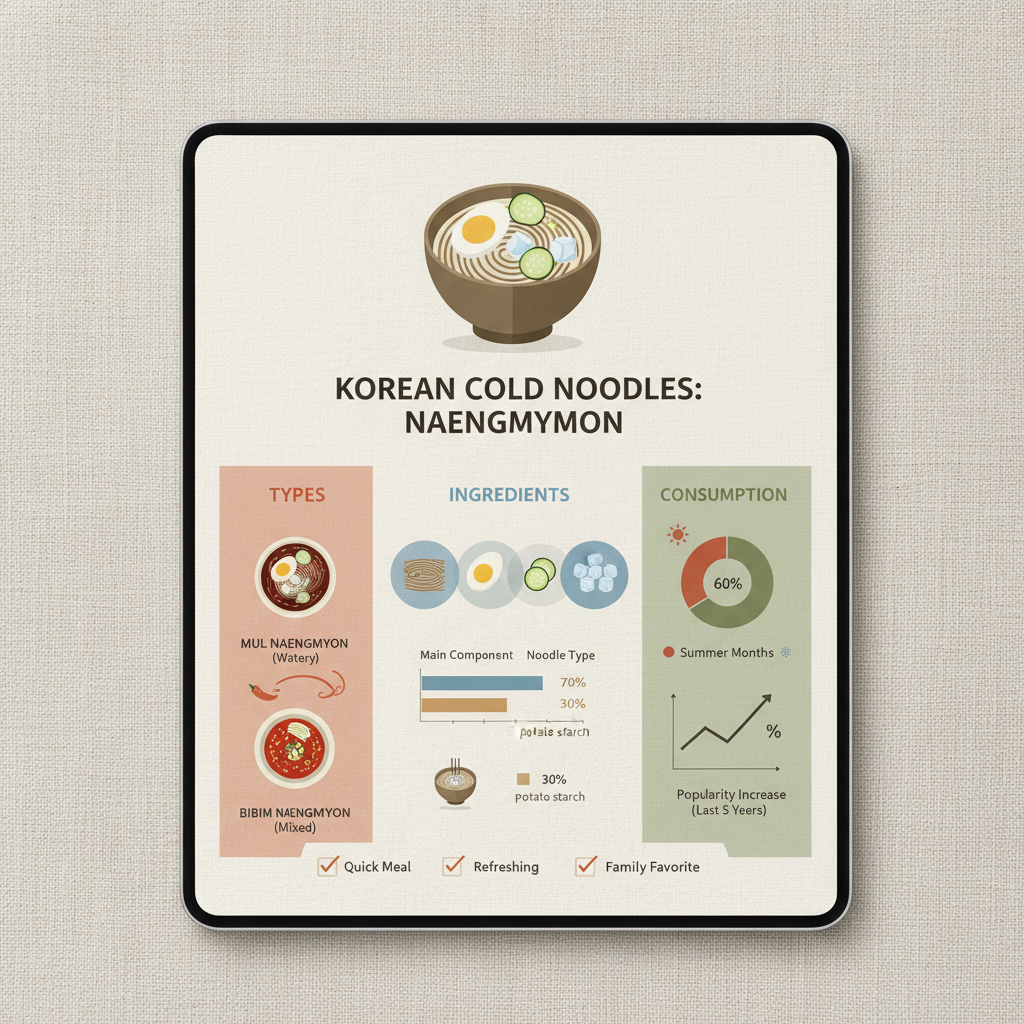
There are several distinct types of naengmyeon, each with its unique flavor profile and characteristics. The most common are mul naengmyeon (water naengmyeon) and bibim naengmyeon (mixed naengmyeon). Mul naengmyeon features noodles in a chilled, tangy broth, typically made with beef or radish kimchi. Bibim naengmyeon, on the other hand, is served with a spicy gochujang-based sauce and is known for its vibrant, bold flavors. Other regional variations exist, offering diverse culinary experiences. Choosing the right type depends on your preference for broth-based or sauce-based dishes and your spice tolerance. You can find high quality noodles to create these dishes at JX Semi-Dry Noodles.
Naengmyeon Variations:
• Mul Naengmyeon: Noodles in chilled broth.
• Bibim Naengmyeon: Noodles mixed with spicy sauce.
• Hamheung Naengmyeon: Known for its spicy bibim style.
• Pyongyang Naengmyeon: Famous for its simple, yet flavorful broth.
Naengmyeon vs. Other Noodle Dishes: A Comparison
While many Asian cuisines feature chilled noodle dishes, naengmyeon distinguishes itself through its unique ingredients and flavors. Compared to Japanese somen noodles, naengmyeon noodles are typically thicker and made from different starches (buckwheat, potato, or sweet potato). Unlike Vietnamese bun cha, which uses grilled pork, naengmyeon often incorporates thinly sliced beef or other meats. The broth in naengmyeon has a distinctive tanginess derived from Korean radish kimchi and vinegar, setting it apart from other chilled noodle soups. It’s a truly unique and refreshing culinary experience.
Nutritional Benefits of Naengmyeon
Naengmyeon isn’t just delicious; it can also be part of a healthy diet. The noodles themselves, often made from buckwheat, are a good source of fiber and manganese. The accompanying vegetables provide essential vitamins and minerals. The chilled broth is hydrating, making it a perfect summer meal. However, be mindful of the sodium content in the broth and sauce, and opt for leaner protein options. Enjoying naengmyeon in moderation can be a refreshing and nutritious treat.
Preparing Naengmyeon at Home
While making naengmyeon from scratch can be time-consuming, it’s a rewarding culinary experience. Start with high-quality noodles, which you can find at JX Semi-Dry Noodles. Prepare the broth by simmering beef or radish kimchi with kombu (dried kelp) and other seasonings. Cook the noodles according to package directions and chill thoroughly. Garnish with sliced cucumber, Korean pear, pickled radish, a hard-boiled egg, and your choice of meat. Don't forget the gochujang-based sauce for added flavor and spice!
Conclusion: A Culinary Journey with Naengmyeon
Naengmyeon is more than just a dish – it's a window into Korean culture and a testament to the artistry of Korean cuisine. Its refreshing flavors, unique textures, and rich history make it a must-try for anyone seeking a truly authentic culinary experience. Whether you enjoy it at a restaurant or prepare it at home with noodles from JX Semi-Dry Noodles, naengmyeon is sure to delight your senses.
Frequently Asked Questions (FAQs)
What is the best way to store naengmyeon noodles?
To maintain the quality of your naengmyeon noodles, especially those purchased from JX Semi-Dry Noodles, it's best to store them in an airtight container in a cool, dry place. If you've already cooked the noodles, store them in an airtight container in the refrigerator and consume them within 2-3 days. For long-term storage, freezing is an option, but it may affect the texture slightly. Ensure they are completely cooled before freezing.
Can I make naengmyeon broth ahead of time?
Yes, absolutely! Naengmyeon broth actually benefits from sitting, allowing the flavors to meld and deepen. You can prepare the broth up to 2-3 days in advance and store it in an airtight container in the refrigerator. Before serving, give it a good stir and adjust the seasoning as needed. This is a great time-saver if you're planning to make naengmyeon for a larger group.
What are some good protein options for naengmyeon?
Traditional naengmyeon often features thinly sliced beef (usually brisket or sirloin). However, you can also use pork, chicken, or even tofu for a vegetarian option. Some people enjoy adding a hard-boiled egg for extra protein. Feel free to experiment and find your favorite! The key is to choose a protein that complements the refreshing flavors of the noodles and broth.
What is the purpose of the Korean pear in naengmyeon?
Korean pear (also known as Asian pear) is a classic garnish for naengmyeon for a few reasons. Its crisp texture provides a delightful contrast to the smooth noodles and broth. More importantly, it contains an enzyme that helps tenderize the meat and enhance the overall flavor of the dish. It also adds a subtle sweetness that balances the savory and spicy elements.
-
Discover the Authentic Taste of Korean Buckwheat NoodlesNewsApr.16,2026
-
Discover the Refreshing Taste of Authentic Korean Cold SobaNewsApr.09,2026
-
Discover the Refreshing Taste of Korean Cold Buckwheat Noodles NaengmyeonNewsApr.07,2026
-
Discover the Cool and Refreshing World of Korean Buckwheat Noodles ColdNewsApr.04,2026
-
Discover the Refreshing Taste of Japanese Cold Buckwheat Noodles and Zaru SobaNewsMar.31,2026
-
Exploring the Delicious World of Chinese Style Cold NoodlesNewsMar.28,2026
-
Discover the Cool and Refreshing World of Korean Cold Soba NoodlesNewsMar.26,2026
Browse qua the following product new the we