
Can You Use Soba Noodles for Ramen? Exploring a Noodle Substitution Option
Can You Use Soba Noodles for Ramen? A Culinary Exploration
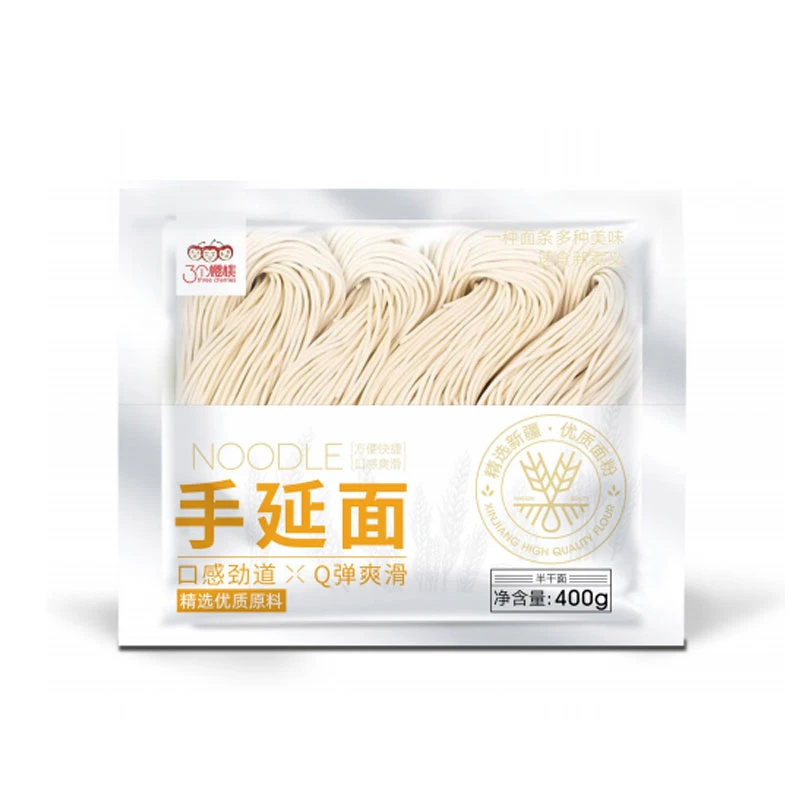
Ramen is a beloved dish worldwide, known for its rich broth and chewy noodles. But what happens when you're out of ramen noodles? Can you substitute soba noodles? The answer is a bit complex, as it depends on your preferences and desired outcome. This article delves into the differences between soba and ramen noodles, explores the possibility of using soba in ramen, and provides guidance for achieving the best possible result. Explore our range of authentic semi-dry noodles to elevate your ramen experience!
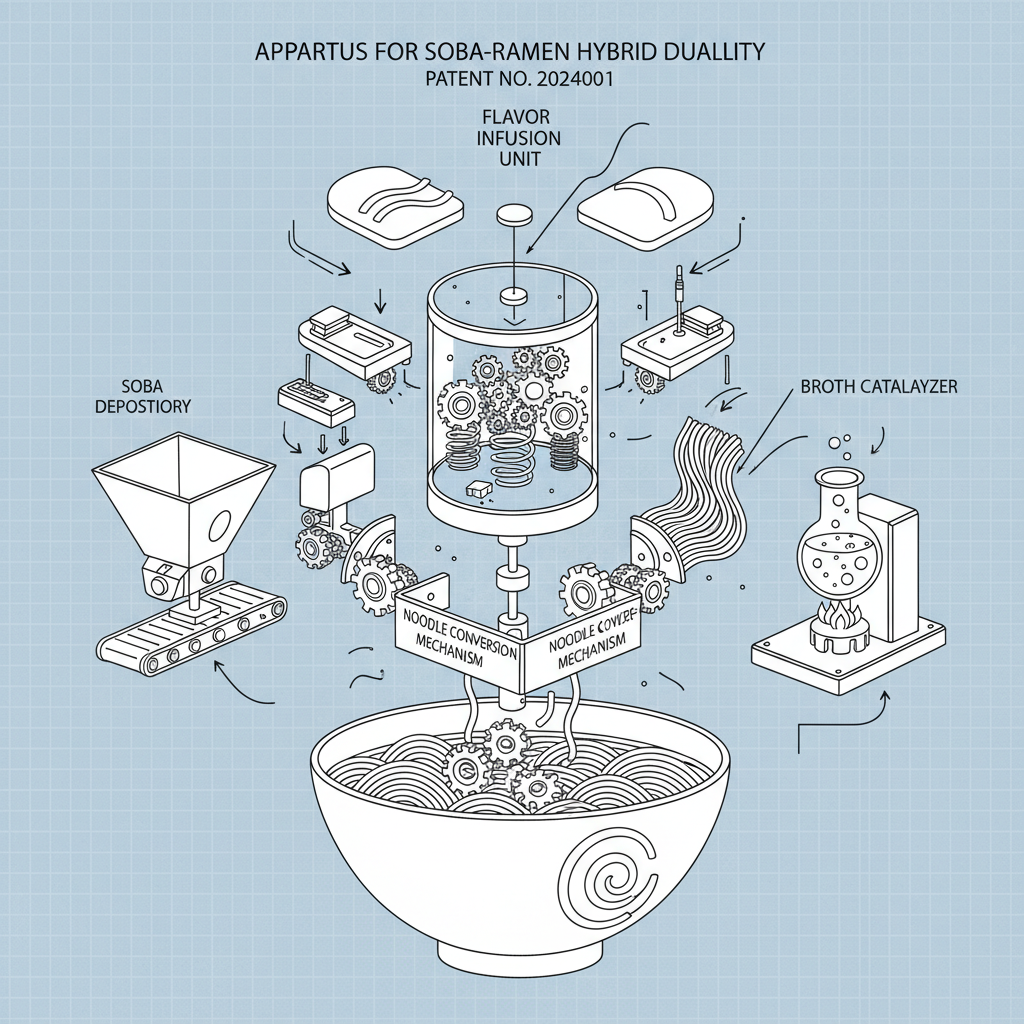
Understanding the Key Differences: Ramen vs. Soba
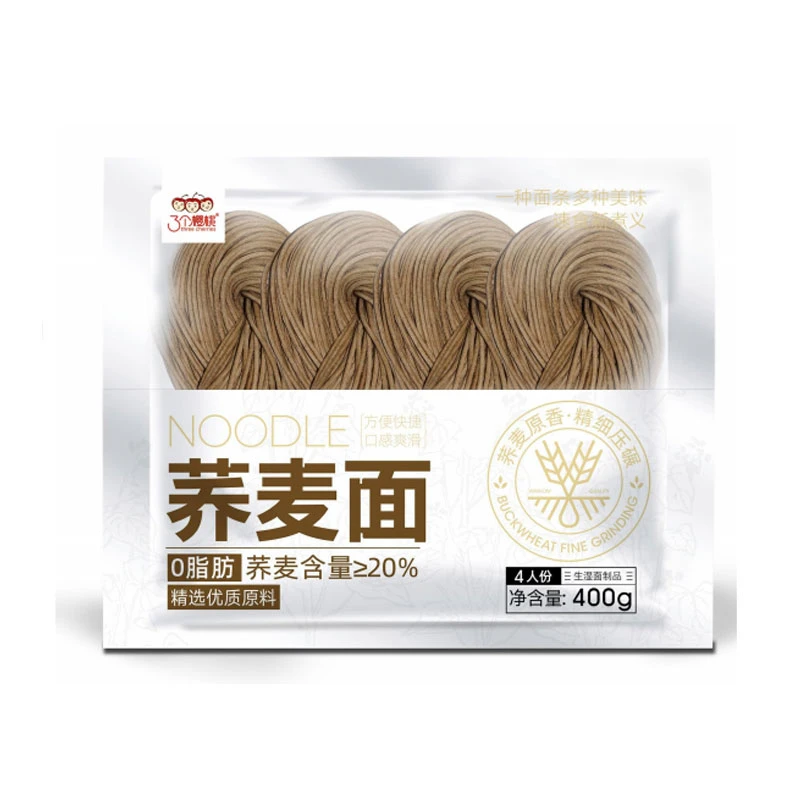
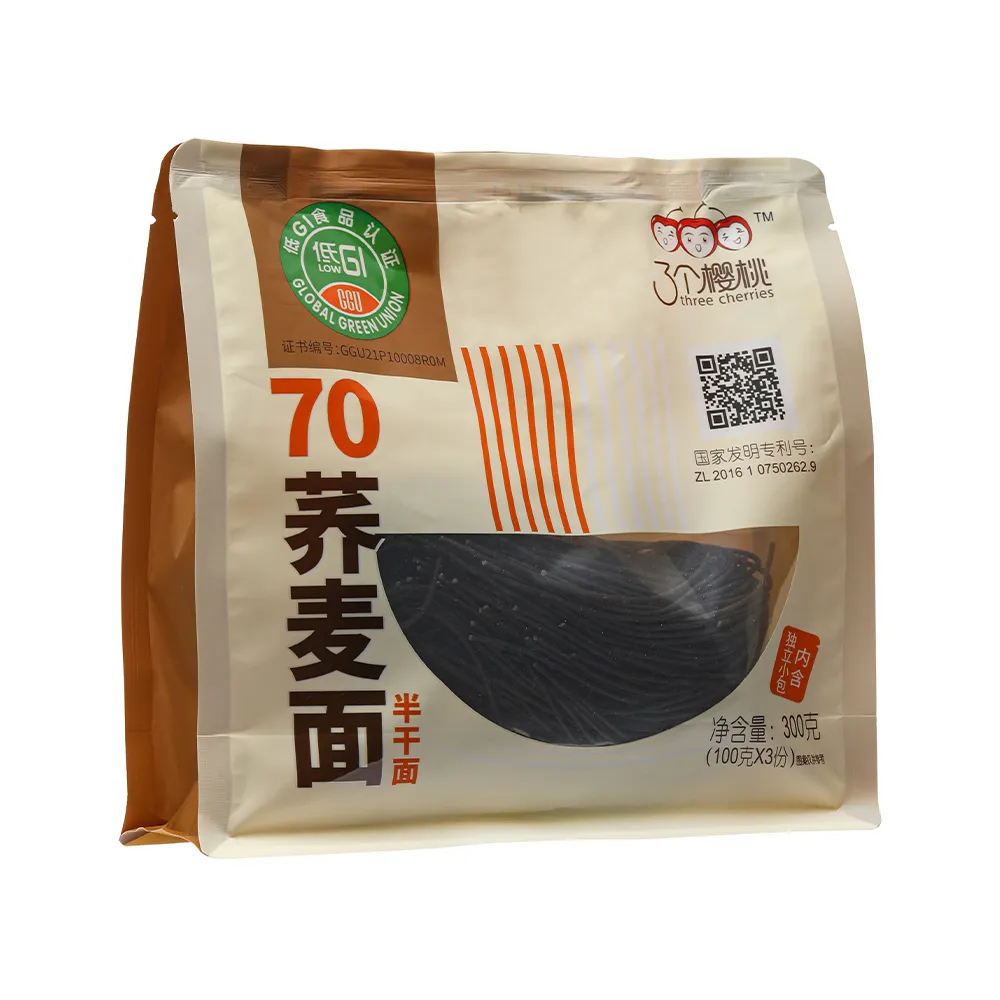
Ramen noodles are typically made from wheat flour, water, salt, and kansui, an alkaline solution that gives them their distinctive yellow color and chewy texture. Soba noodles, on the other hand, are crafted primarily from buckwheat flour, though they often include a small amount of wheat flour for binding. This difference in composition leads to vastly different textures and flavors. Ramen noodles are firm and elastic, designed to hold up well in a hot broth. Soba noodles are more delicate, with a slightly nutty flavor and a smoother, less chewy texture. This distinction is crucial when considering a substitution.
Can You Use Soba Noodles for Ramen? The Practical Considerations
While not a traditional substitution, using soba noodles in ramen is possible. However, it significantly alters the overall experience. Soba noodles cook much faster than ramen noodles, so careful timing is essential to avoid a mushy result. They also tend to absorb more broth, potentially leading to a less flavorful bowl. Furthermore, the delicate texture of soba may not provide the satisfying chewiness that ramen lovers expect. It's best suited for lighter ramen broths where the noodle's subtle flavor won't be overwhelmed. If you’re looking for a truly authentic ramen experience, sticking with dedicated ramen noodles is recommended.
Key Takeaway: Soba noodles can be used as a substitute for ramen in a pinch, but be prepared for a different texture and flavor profile. Adjust cooking times and broth choices accordingly.
Soba Noodles in Ramen: A Comparison Table
To better illustrate the differences, here’s a comparative table highlighting the key characteristics of ramen and soba noodles:
Tips for Using Soba Noodles in Ramen Successfully
If you decide to substitute soba noodles, here are a few tips for achieving a more satisfying result:
- Cook Separately: Cook the soba noodles separately from the broth to prevent starchiness.
- Adjust Cooking Time: Soba noodles cook quickly. Start checking for doneness after 2-3 minutes.
- Rinse Thoroughly: Rinse the cooked soba noodles under cold water to stop the cooking process and remove excess starch.
- Choose a Lighter Broth: Opt for a shio (salt-based) or a lighter shoyu (soy sauce-based) broth to avoid overpowering the delicate soba flavor.
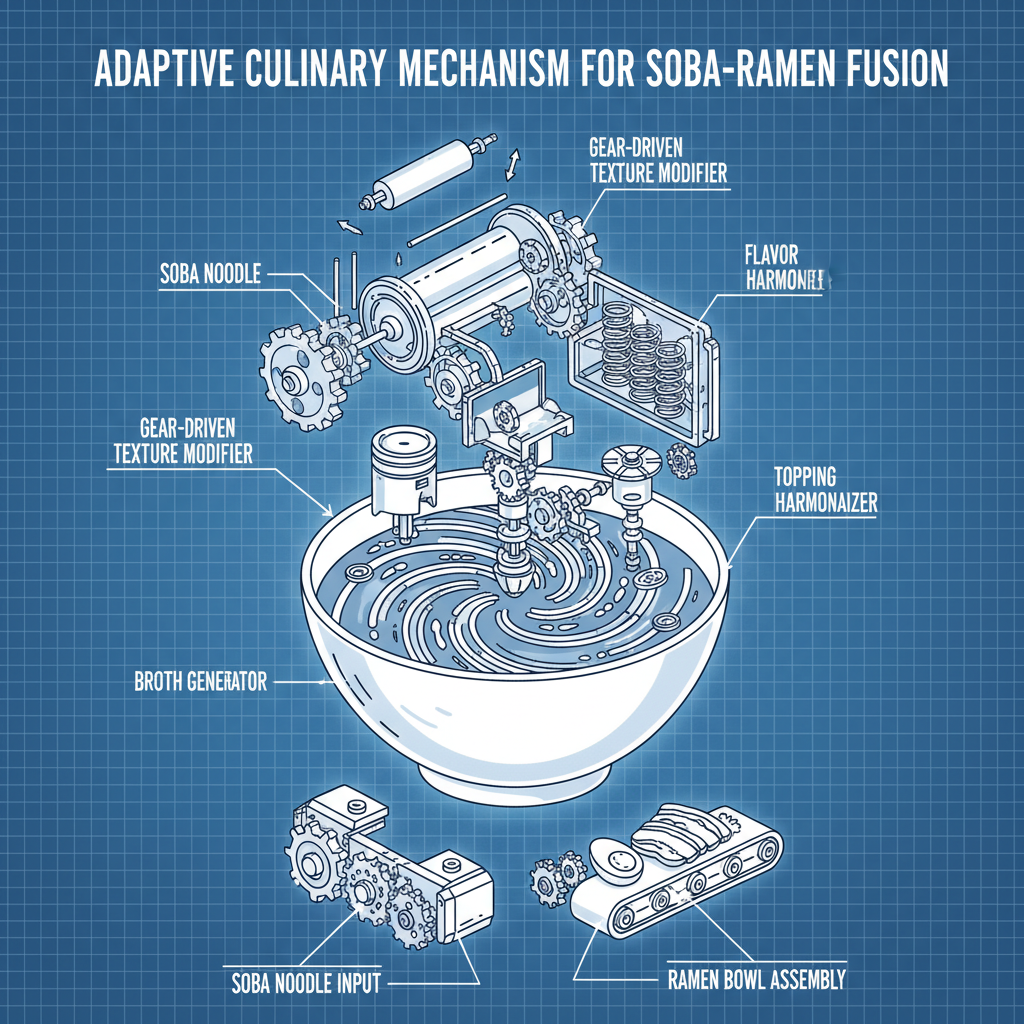
The Superior Alternative: Authentic Ramen Noodles
Ultimately, for the best ramen experience, using authentic ramen noodles is the way to go. At JX Semi-Dry Noodles, we specialize in providing high-quality semi-dry ramen noodles that deliver the perfect texture and flavor for your favorite ramen recipes. Our noodles are crafted with premium ingredients and undergo rigorous quality control to ensure an exceptional culinary experience.
Conclusion: Choose Quality for the Ultimate Ramen Experience
While soba noodles can be used in ramen as a substitute, it’s not ideal. For the most authentic and enjoyable experience, we recommend using high-quality ramen noodles from a trusted source like JX Semi-Dry Noodles. Elevate your ramen game with the noodles it deserves!
Frequently Asked Questions (FAQs)
Will soba noodles get mushy in ramen broth?
Yes, soba noodles are more prone to becoming mushy in ramen broth compared to traditional ramen noodles. This is because soba noodles have a different starch content and cook much faster. To mitigate this, cook the soba noodles separately, rinse them thoroughly in cold water, and add them to the broth just before serving. Avoid letting them sit in the hot broth for an extended period.
What type of ramen broth pairs best with soba noodles?
Lighter ramen broths, such as shio (salt-based) or a mild shoyu (soy sauce-based) broth, tend to pair best with soba noodles. These broths won't overpower the delicate, nutty flavor of the soba. Avoid heavy, creamy, or intensely flavored broths like tonkotsu, as they will clash with the soba’s subtle profile.
Are there any other noodle substitutions I can use for ramen?
While soba is the most common substitute, you could also consider using udon noodles in a pinch. Udon noodles are thicker and chewier than soba, and can hold up better in the broth. However, they will still alter the overall texture and flavor. For the most authentic experience, using dedicated ramen noodles from a reputable supplier like JX Semi-Dry Noodles remains the best option.
Where can I find high-quality ramen noodles?
JX Semi-Dry Noodles offers a wide selection of authentic, high-quality ramen noodles. We are dedicated to providing noodles that deliver the perfect texture and flavor for your ramen creations. Visit our website at https://www.jxsemidrynoodles.com to explore our range of products and place your order.
-
Discover the Authentic Taste of Korean Buckwheat NoodlesNewsApr.16,2026
-
Discover the Refreshing Taste of Authentic Korean Cold SobaNewsApr.09,2026
-
Discover the Refreshing Taste of Korean Cold Buckwheat Noodles NaengmyeonNewsApr.07,2026
-
Discover the Cool and Refreshing World of Korean Buckwheat Noodles ColdNewsApr.04,2026
-
Discover the Refreshing Taste of Japanese Cold Buckwheat Noodles and Zaru SobaNewsMar.31,2026
-
Exploring the Delicious World of Chinese Style Cold NoodlesNewsMar.28,2026
-
Discover the Cool and Refreshing World of Korean Cold Soba NoodlesNewsMar.26,2026
Browse qua the following product new the we