
100 Soba Noodles – Quality & Industrial Production Insight
100 Soba Noodles: A Closer Look from an Industry Insider
Working in the industrial equipment sector for many years, I’ve come across all sorts of materials and products from the mundane to the exceptional. Oddly enough, when it comes to something like 100 soba noodles, you wouldn’t expect there to be much to say. But if you dig a bit, you realize these noodles pack more significance than just a meal — especially in industrial food production and packaging lines.
Let me unpack that a bit. Soba noodles traditionally are made from buckwheat flour, and when produced at scale — like the “100 soba noodles” batch size often referenced in industrial runs — maintaining consistency and quality becomes a fascinating challenge. Frankly, it’s about more than just a noodle; it’s about the machinery, the precise temperature control, and the drying techniques. I suppose it’s like how many engineers say the devil is in the details.
From my experience visiting food manufacturing plants, the importance of ingredient sourcing can’t be overstated. Buckwheat, the core of soba noodles, needs a certain moisture content, protein level, and granularity to deliver that perfect chew and earthy flavor. Back in the day, I remember a production run where a slight variation in flour moisture caused the noodles to break easily on packaging lines — a small thing, but costly if unnoticed.
That’s why specifications are crucial. Take a look at the table below summarizing typical specs for the “100 soba noodles” product set we often saw in line:
| Specification | Details |
|---|---|
| Noodle Length | 250 mm ± 5 mm |
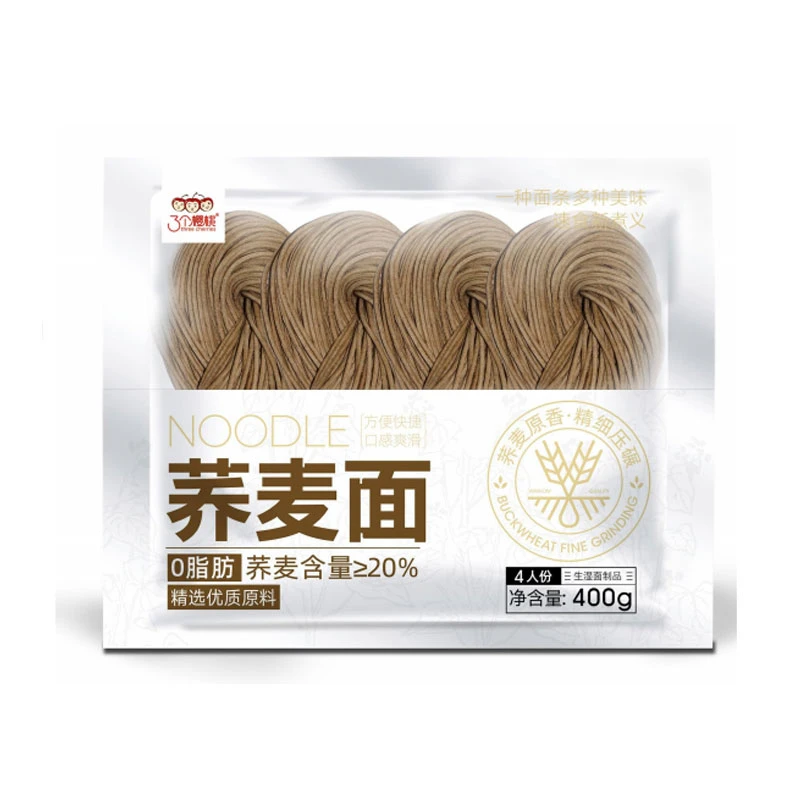
| Ingredient Composition | 80% Buckwheat, 20% Wheat Flour |
| Moisture Content | 12-14% |
| Drying Method | Semi-dry - controlled humidity |
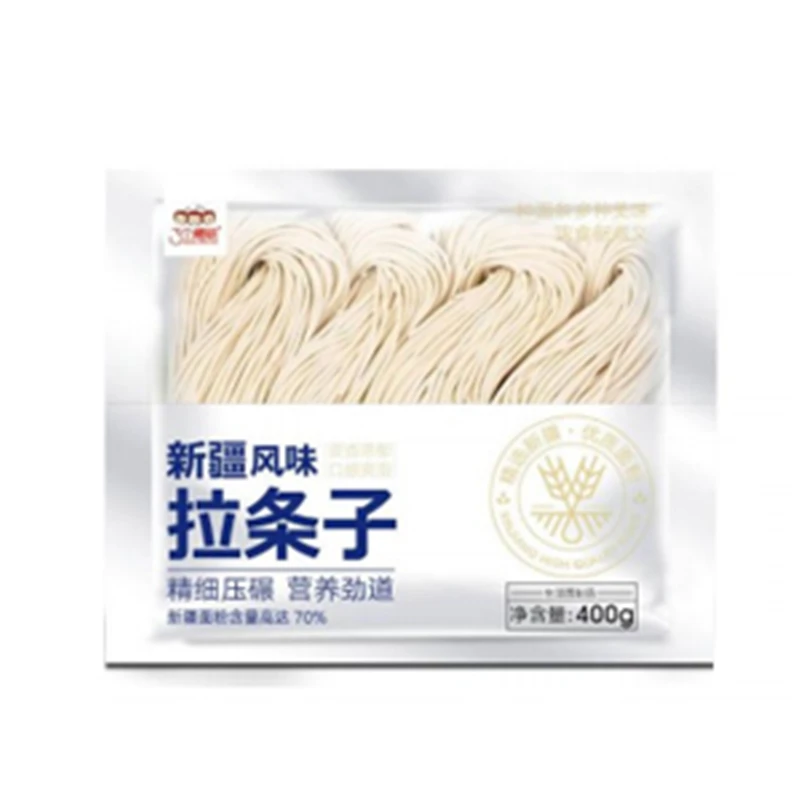
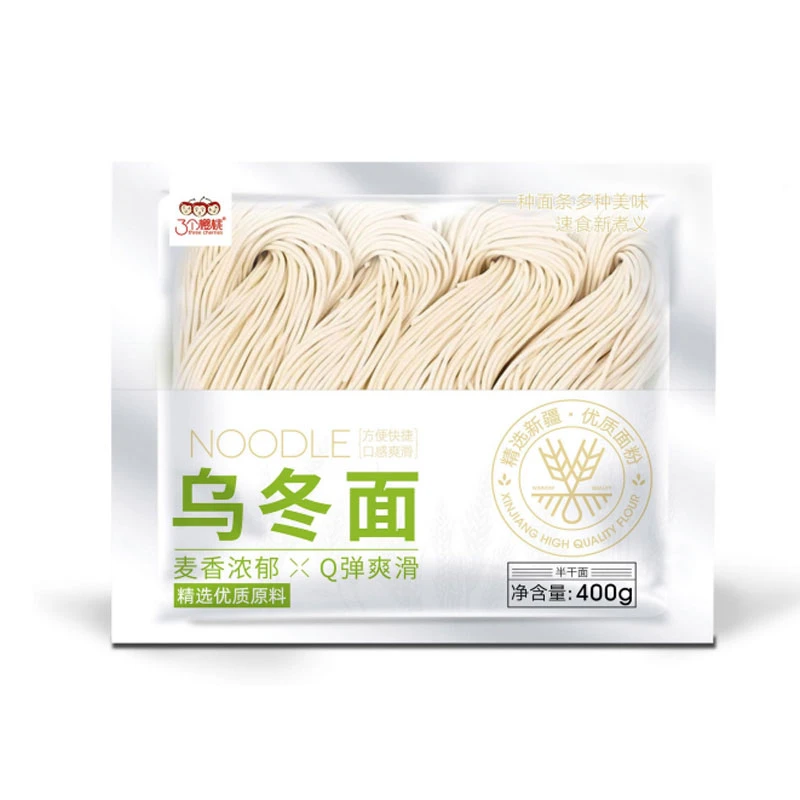
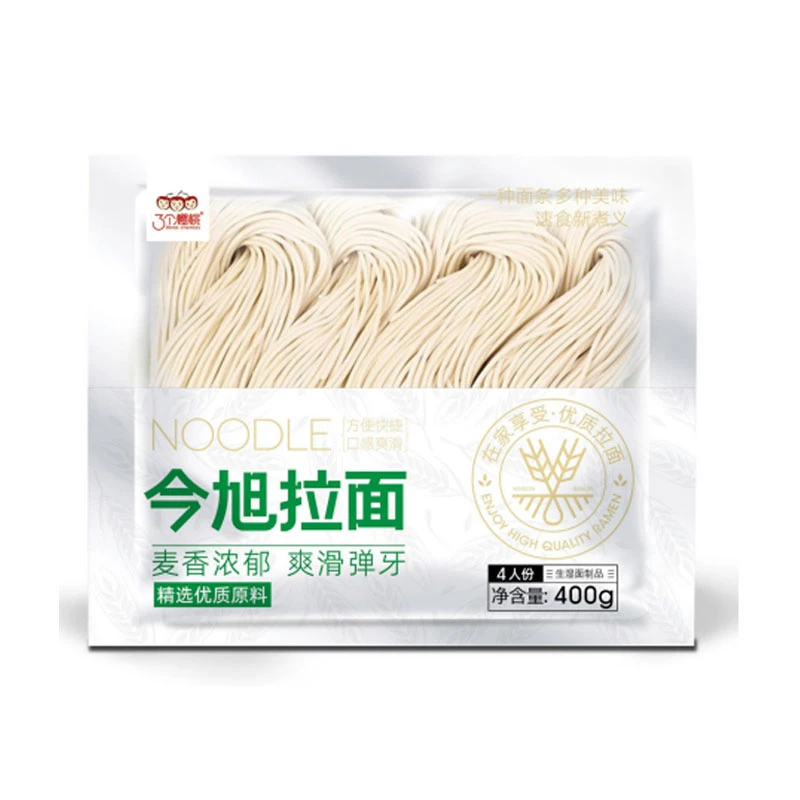
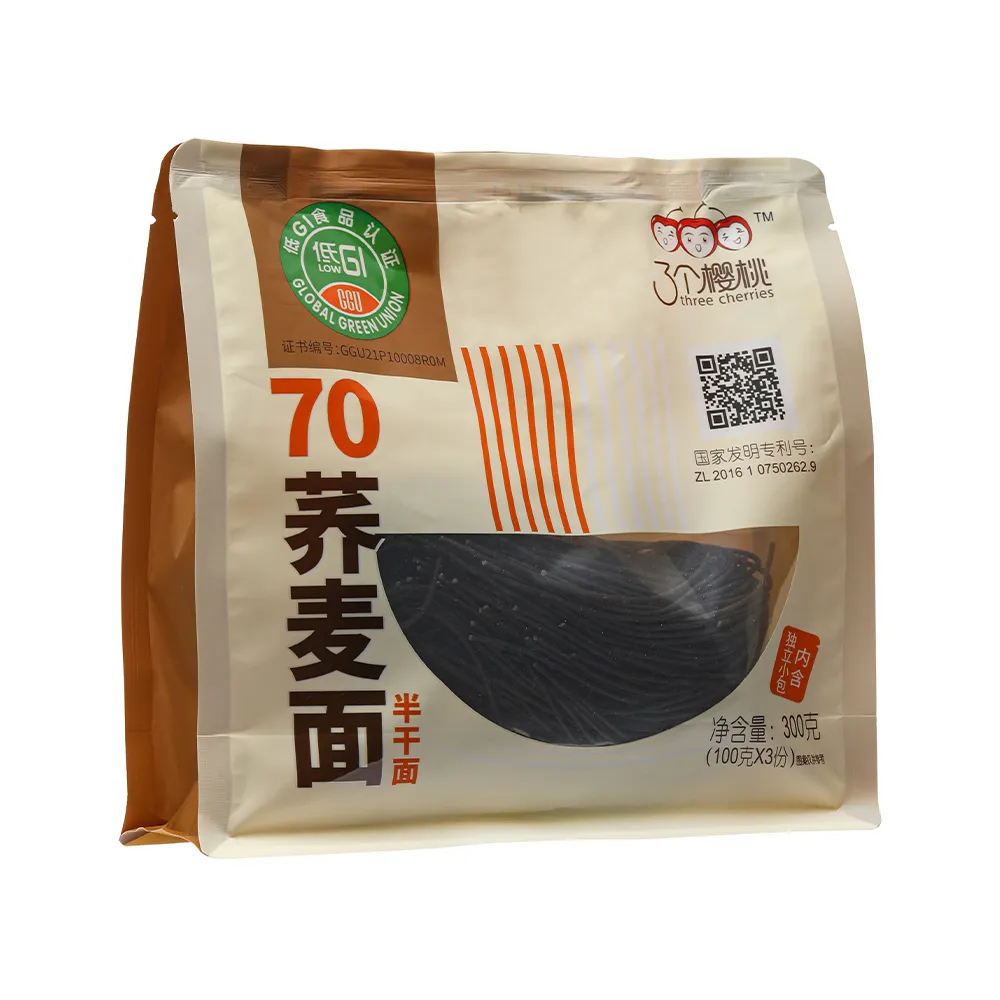
| Packaging Format | Bundles of 100 noodles per pack |
In real terms, this “semi-dry” drying technique is quite the innovation for maintaining noodle texture while extending shelf life. I’ve seen it described as a balancing act — dry enough to reduce spoilage but not so dry that the noodles turn brittle. A lot of manufacturers are still refining this process, especially for bulk commercial orders like the 100-count packs frequently sold to restaurants and industrial kitchens.
Speaking of manufacturers, not all vendors are created equal. Over the years, I’ve benchmarked several leading suppliers. Here’s a quick vendor comparison that highlights key factors important when sourcing 100 soba noodles for industrial or commercial use:
| Vendor | Product Quality | Consistency | Packaging Options | Order Size Flexibility |
|---|---|---|---|---|
| JX Semi-Dry Noodles | High | Excellent (±2%) | Bundles of 100, 500, 1000 noodles | Very Flexible |
| SobaPro Ltd. | Moderate | Good (±5%) | Fixed packs of 100 noodles | Limited |
| Asian Noodle Co. | High | Moderate (±4%) | Bundles of 50 or 100 noodles | Somewhat Flexible |
In my time, I've been particularly impressed by the kind of quality assurance processes that JX implements—random batch sampling with moisture and tensile tests to ensure the noodles don’t snap during automated handling. It's rare to find a supplier who communicates openly about their process details; transparency really builds trust. They’ve also been good at customizing bundle sizes on demand, which is pretty handy for smaller distributors.
One anecdote that sticks with me: a client once switched their entire menu to the 100 soba noodle bundles from JX because they felt the texture was more ‘authentic’ and the noodles held up better in their broth-based dishes. It’s small details like this that differentiate industrial suppliers in the food sector.
Of course, if you’re sourcing or simply curious, do explore the production methods—especially drying techniques—and the packaging options available. The semi-dry noodles, like those at JX Semi-Dry Noodles, strike a nice balance between shelf stability and taste that many chefs and industry buyers appreciate.
At the end of the day, those 100 soba noodles are more than just food; they’re a small marvel of food technology, practical engineering, and a little bit of culinary tradition combined.
In case you’re wondering: no, I didn’t get hungry writing this… well, maybe just a little.
References:
- Industrial Food Production Journal, 2022: "Semi-Dry Noodle Processing Advances"
- Soba Manufacturing Association Technical Manual, 2023
- JX Semi-Dry Noodles Product Brochure (2024)
-
Discover the Authentic Taste of Korean Buckwheat NoodlesNewsApr.16,2026
-
Discover the Refreshing Taste of Authentic Korean Cold SobaNewsApr.09,2026
-
Discover the Refreshing Taste of Korean Cold Buckwheat Noodles NaengmyeonNewsApr.07,2026
-
Discover the Cool and Refreshing World of Korean Buckwheat Noodles ColdNewsApr.04,2026
-
Discover the Refreshing Taste of Japanese Cold Buckwheat Noodles and Zaru SobaNewsMar.31,2026
-
Exploring the Delicious World of Chinese Style Cold NoodlesNewsMar.28,2026
-
Discover the Cool and Refreshing World of Korean Cold Soba NoodlesNewsMar.26,2026
Browse qua the following product new the we