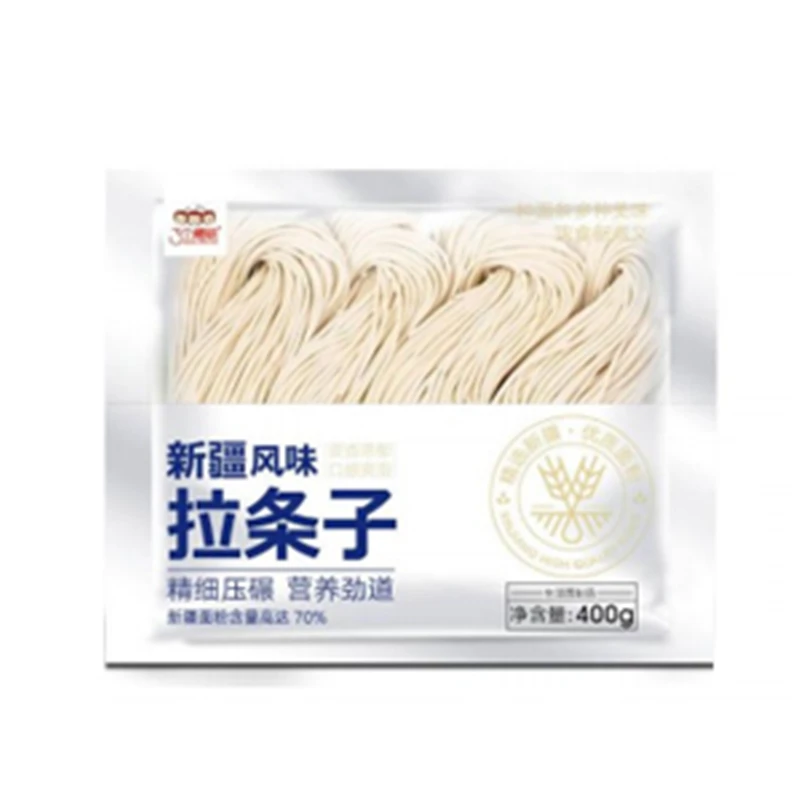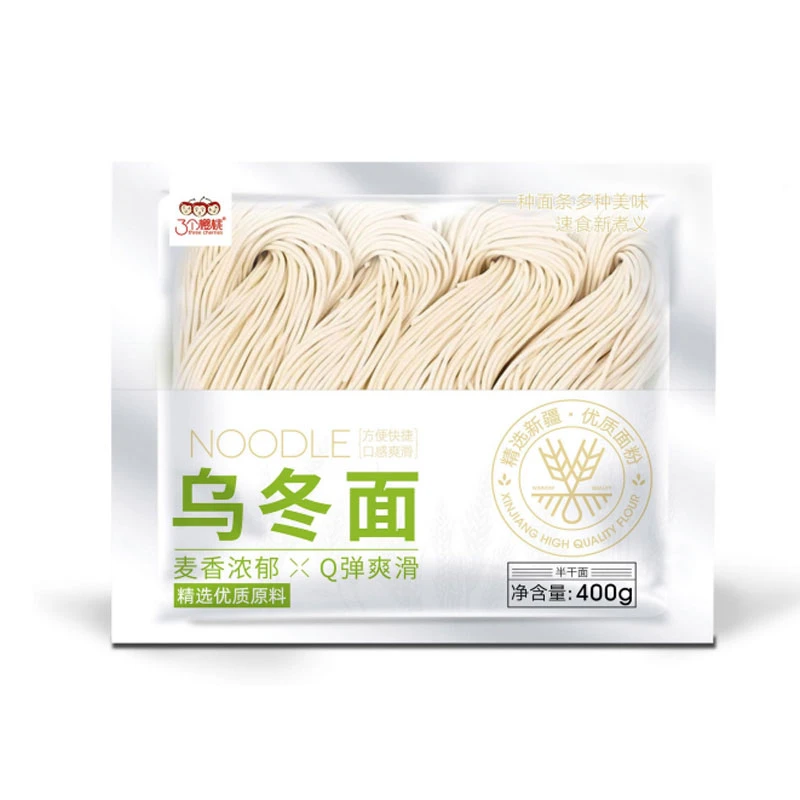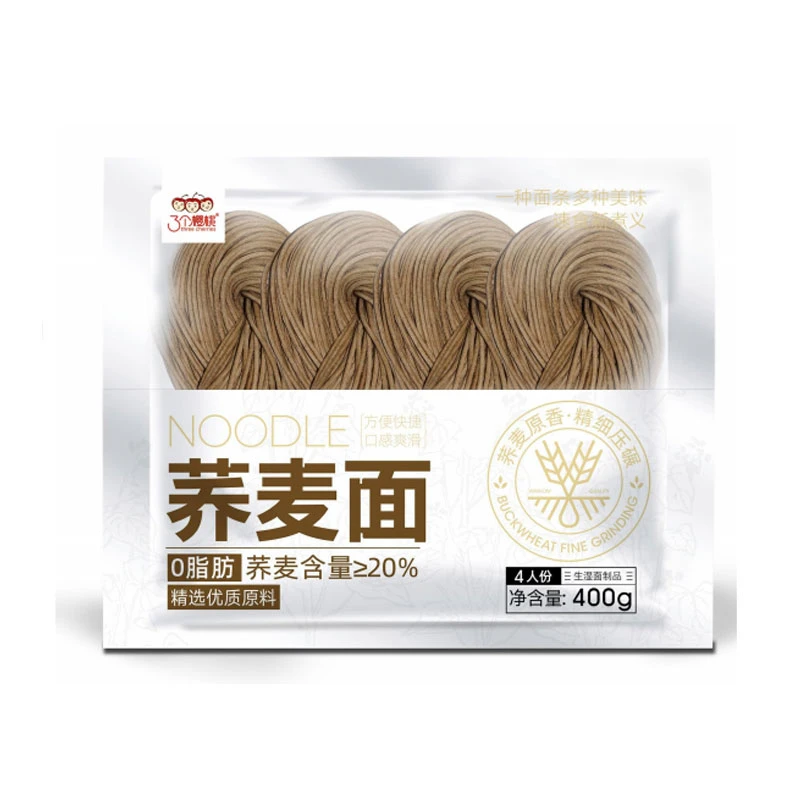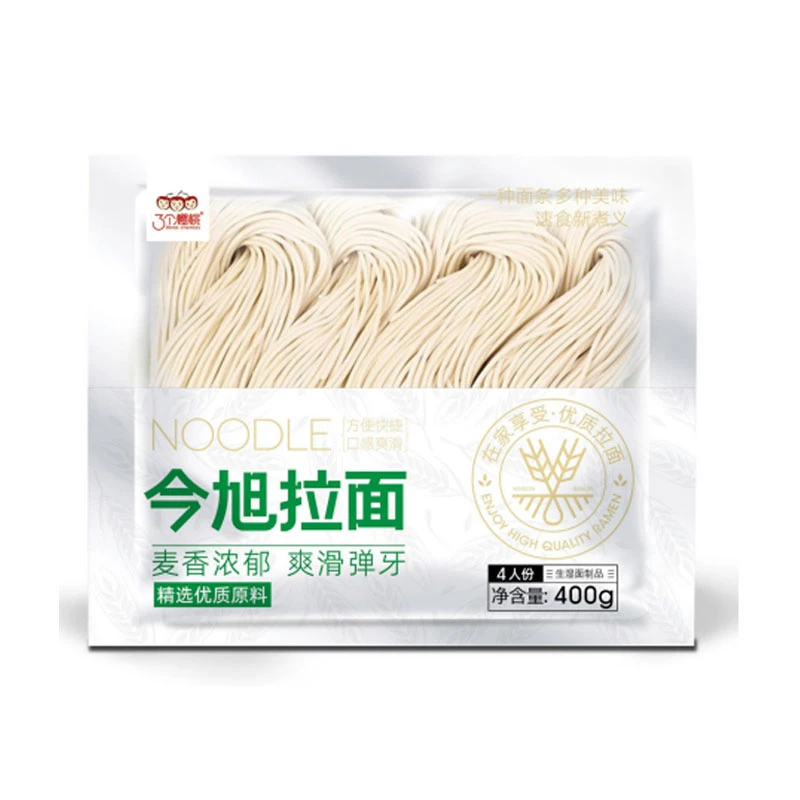

Soba Noodles Vegan – Premium Plant-Based Noodles for B2B Food Industry Solutions
Soba Noodles Vegan is a key solution in the industry, specifically within plant-based food supply chains and health-conscious markets. This article explores how https://www.jxsemidrynoodles.com supports professionals with durable, high-performance products, and explains why this product is an ideal choice for businesses in these sectors.
Table of Contents
- Soba Noodles Vegan Overview
- Benefits & Use Cases of Soba Noodles Vegan
- Cost, Maintenance & User Experience
- Sustainability & Market Trends
Soba Noodles Vegan Overview
Soba noodles have long been appreciated for their unique texture and nutritional profile, but when it comes to Soba Noodles Vegan, the emphasis is on clean, plant-based formulations that appeal to a growing demographic seeking allergen-friendly and ethical foods.
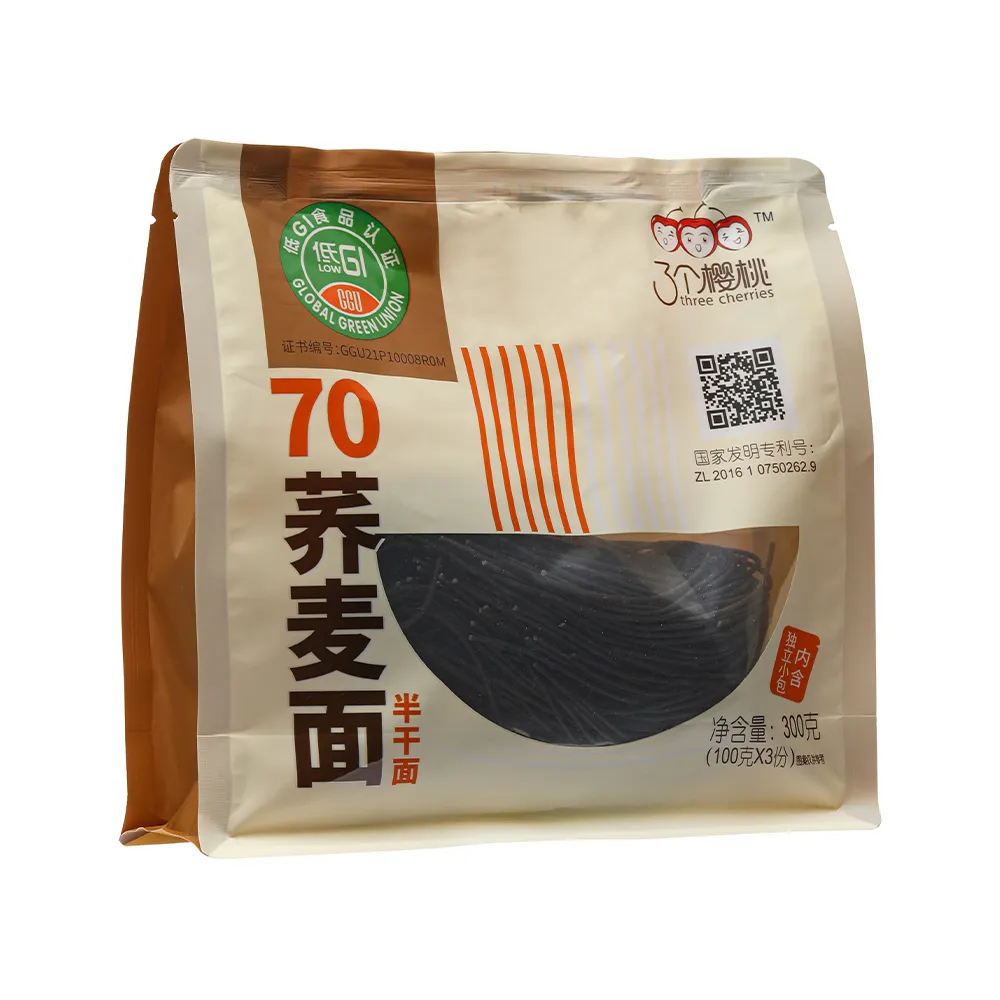
- At its core, soba is traditionally made from buckwheat flour, known for high protein and fiber content, but the vegan variants exclude any egg or dairy, ensuring strict adherence to vegan standards.
- Manufacturers like those at JXS emphasize semi-dry noodle production techniques to improve shelf life and durability during shipping, which is critical for businesses importing at scale.
| Specification | Value |
|---|---|
| Ingredients | 100% Buckwheat Flour, Water, Tapioca Starch |
| Shelf Life | 6 months (semi-dry packaging) |
| Packaging | Vacuum-sealed trays or bulk boxes |
| Certifications | Vegan, Gluten-Free option, Non-GMO |
| Production Origin | China (Jiangsu Province) |
Benefits & Use Cases of Soba Noodles Vegan
Diving into practical terms, Soba Noodles Vegan present an excellent ingredient choice for quick service restaurants, meal kit companies, and specialty food producers. Their clean-label appeal resonates well with consumers who want transparency in food sourcing.
- They hold up well in hot broths and stir-fries due to the semi-dry processing, which is quite a clever tweak compared to fresh soba that can get mushy too fast.
- Another advantage is their allergen profile—being egg-free and optionally gluten-free, they cater to a broader customer base, a competitive edge in the current marketplace.
Vendor Comparison: Soba Noodles Vegan Options
| Feature | JXS Semi-Dry Soba | Fresh Vegan Soba (Competitor A) | Dry Soba Mix (Competitor B) |
|---|---|---|---|
| Shelf Life | 6 months | 3-5 days | 1 year (dry) |
| Texture When Cooked | Firm, pliable | Soft, delicate | Dry, requires pre-soaking |
| Packaging | Vacuum-sealed tray/bulk | Plastic wrap | Boxed dry mix |
| Vegan & Allergen Friendly | Yes, gluten-free option | Yes, contains gluten | Yes, but contains wheat |
Cost, Maintenance & User Experience
When decision makers start crunching numbers, the total cost of ownership becomes crucial. Honestly, it might seem at first that these specialty soba noodles come at a premium. Yet, their extended shelf life and ease of prep actually lower waste and labor costs—factors often overlooked.
- Many chefs report that semi-dry soba noodles maintain a reliable texture even after multiple hours on the line, reducing rejects and improving customer satisfaction.
- From a maintenance perspective, storage is simpler compared to fresh options, and there's a smaller need for refrigeration allotments, easing kitchen logistics.
Sustainability & Market Trends
Looking at the bigger picture, sustainability is front and center for food businesses nowadays. Vegan soba noodles tick several boxes: plant-based, less resource-intensive than meat products, and often sourced from responsible buckwheat farms.
- Regulations in many countries encourage reducing animal-sourced ingredients, so Soba Noodles Vegan align perfectly with future compliance requirements.
- Market data reveals year-over-year growth in plant-based noodle consumption, and analysts predict this trend will only accelerate as consumer awareness rises.
Frequently Asked Questions about Soba Noodles Vegan
- What is Soba Noodles Vegan and how does it work?
- In simple terms, Soba Noodles Vegan are noodles made primarily from buckwheat flour, water, and other plant-based ingredients, entirely free of animal products. They’re crafted to retain traditional soba texture and flavor while accommodating plant-based diets.
- What are the main benefits of using Soba Noodles Vegan in industrial applications?
- They offer extended shelf life due to semi-dry processing, easier storage, reduced waste, and appeal to a growing customer base seeking plant-based and allergen-friendly foods—all crucial for business efficiency and market positioning.
- How does Soba Noodles Vegan compare to traditional alternatives?
- Traditional soba often contains egg or requires refrigeration with a short shelf life. Vegan types avoid animal products and undergo semi-dry processing, resulting in longer longevity and versatility in cooking.
- What industries can benefit most from Soba Noodles Vegan implementation?
- Hospitality chains, meal kit providers, convenience food manufacturers, and health-oriented retail food suppliers see significant value due to the product’s shelf life, ease of use, and alignment with consumer trends.
Conclusion on Soba Noodles Vegan from china
To sum up, Soba Noodles Vegan represent a smart, forward-looking choice for businesses aiming to meet modern dietary demands without sacrificing supply chain reliability or product quality. Their combination of plant-based purity, enhanced durability, and alignment with sustainability trends makes them an asset in competitive markets.
- Ready to innovate your product lineup? Visit our website: https://www.jxsemidrynoodles.com
Reflecting on the rising demand for plant-based foods, it's clear that solutions like vegan soba noodles won't just trend—they will shape the future of food production. As with all innovations, balancing quality, cost, and sustainability is key, and this product seems to strike that balance quite well.
-
Discover the Authentic Taste of Korean Buckwheat NoodlesNewsApr.16,2026
-
Discover the Refreshing Taste of Authentic Korean Cold SobaNewsApr.09,2026
-
Discover the Refreshing Taste of Korean Cold Buckwheat Noodles NaengmyeonNewsApr.07,2026
-
Discover the Cool and Refreshing World of Korean Buckwheat Noodles ColdNewsApr.04,2026
-
Discover the Refreshing Taste of Japanese Cold Buckwheat Noodles and Zaru SobaNewsMar.31,2026
-
Exploring the Delicious World of Chinese Style Cold NoodlesNewsMar.28,2026
-
Discover the Cool and Refreshing World of Korean Cold Soba NoodlesNewsMar.26,2026
Browse qua the following product new the we