
Understanding Soba Diabetes: A Practical Guide to Health and Nutrition
What Is Soba Diabetes and Why Should We Care?
Diabetes continues to be a global health challenge affecting over 500 million people worldwide. Managing blood sugar levels through diet is a cornerstone of living well with this condition. Here’s where soba diabetes enters the conversation—not just a term to memorize but a meaningful concept linking soba consumption to diabetes management. Basically, understanding how soba noodles interact with blood glucose can unlock important health benefits and possibly improve quality of life for those with diabetes. Intriguing, isn’t it?
This topic matters globally because diet-related diseases stress healthcare systems and individual lives alike. Learning about soba and its impact on diabetes could make a significant difference both in daily nutritional choices and public health strategies.
Mini takeaway: Soba noodles might seem unassuming, but their role in diabetes nutrition is worth knowing for anyone interested in better blood sugar control.
The Growing Global Importance of Soba Diabetes
Worldwide, diabetes prevalence is climbing steadily. According to the World Health Organization (WHO), diabetes was the ninth leading cause of death in 2019. Many developing countries now face this "modern epidemic" alongside longstanding malnutrition challenges. In this context, dietary patterns become a frontline defense.
Japanese soba noodles—made primarily from buckwheat—have attracted researchers and clinicians since buckwheat’s glycemic impact is significantly lower than that of typical wheat-based noodles or rice. ISO nutrition data and recent UN food reports highlight buckwheat’s rich fiber, minerals, and antioxidants, all good news for blood sugar management.
Yet, diabetes remains stubbornly complex, influenced by genetics, lifestyle, and socio-economic conditions. Identifying foods like soba that aid glucose control helps address these challenges.
Mini takeaway: Soba's place in global anti-diabetes nutrition is expanding due to its unique biochemical properties and favorable nutritional profile.
What Does ‘Soba Diabetes’ Really Mean?
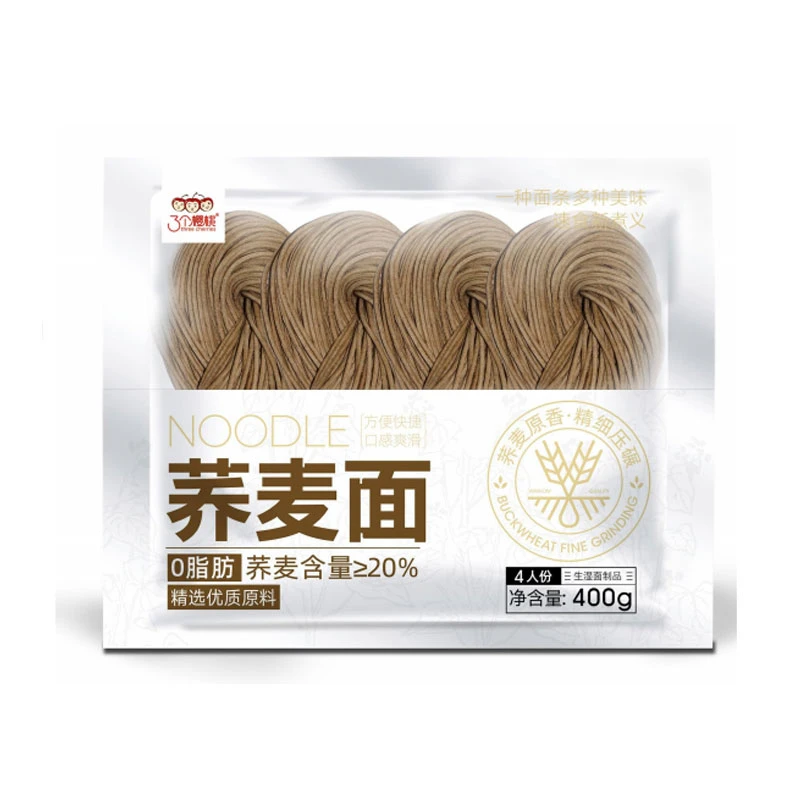
Soba diabetes isn’t a clinical diagnosis but a shorthand for the relationship between soba noodle consumption and diabetes management. Soba noodles, made mostly from buckwheat flour, have a low glycemic index (GI), meaning they raise blood sugar more slowly than other carbohydrate sources.
This “slow and steady” release helps diabetic and prediabetic individuals avoid those dangerous sugar spikes. It’s the nutritional connection modern medicine increasingly champions—using traditional foods to assist modern lifestyle diseases.
Plus, soba noodles often contain flavonoids and trace minerals supporting cardiovascular health, which diabetes patients must carefully monitor.
Mini takeaway: Soba diabetes underscores soba’s potential as a natural, culturally rooted aid in managing glucose levels.
Key Components That Make Soba Relevant in Diabetes Management
1. Low Glycemic Index
Soba’s standout feature is a low GI score around 54-56, compared to white rice (~70) or white bread (~75). This means blood glucose rises slowly, reducing insulin demand.
2. High Fiber Content
Fiber in soba improves digestion and slows sugar absorption. It also fosters gut health, which is increasingly linked to diabetes control.
3. Rich in Rutin and Antioxidants
Rutin, a flavonoid abundant in buckwheat, carries vascular-protective properties, reducing diabetic complications like neuropathy.
4. Balanced Macronutrients
Soba noodles have a favorable ratio of carbs to protein (~8g protein per 100g noodles), supporting steady energy release.
5. Gluten-Free Options
Pure buckwheat soba is naturally gluten-free, ideal for diabetic patients with celiac comorbidity.
| Nutrient | Amount | Benefit for Diabetes |
|---|---|---|
| Calories | 99 kcal | Moderate energy without surplus |
| Carbohydrates | 21 g | Slow glucose release |
| Protein | 5 g | Supports muscle maintenance |
| Fiber | 2.7 g | Improves glucose tolerance |
| Rutin (flavonoid) | 10-20 mg | Antioxidant, vascular support |
Real-World Uses and Regional Benefits of Soba in Diabetes Care
Across East Asia—Japan, Korea, parts of China—soba noodles have long been a staple. More recently, nutritionists worldwide have begun recommending soba as a healthier alternative for diabetic patients. In the US and Europe, soba is gaining traction in gluten-free and low-GI food markets.
Specific use cases include:
- Clinical Nutrition: Integrated diets for diabetic patients at hospitals emphasize soba to regulate post-meal glucose.
- Community Health Programs: Some NGOs in Asia distribute buckwheat supplies as part of diabetes prevention initiatives.
- Everyday Cooking: For millions cooking at home, soba offers an easy swap that’s both culturally authentic and metabolically smart.
For more on dietary choices and health, check out soba diabetes.
Mini takeaway: Soba noodles show impressive versatility in diverse health settings, literally bridging traditional foods with modern medicine.
Soba Diabetes Offers Compelling Long-Term Benefits
What makes soba noodles especially attractive is not just one isolated benefit but the combination of factors: cost efficiency, sustainability (buckwheat suits low-input farming), and social impact through better disease management.
Emotionally, people appreciate foods that feel wholesome, comforting, and culturally familiar when managing chronic illness—a factor easily underestimated. Logically, soba delivers consistent blood sugar control, lowers cardiovascular risks, and promotes gut health.
And frankly, for those tired of bland or restrictive diabetes diets, soba carries a promise of tasteful nutrition without compromise.
Emerging Trends in Soba Diabetes Management
The future looks dynamic. Advances in agricultural tech are raising buckwheat yields and quality through selective breeding. On the consumer end, soba is being combined with other superfoods or fortified with vitamins via food tech innovations.
Digital health apps are also encouraging diabetic users to track soba intake against glucose readings, integrating ancient diet wisdom into modern tech ecosystems.
Sustainability matters too—buckwheat farming demands less water than rice or wheat, aligning soba noodles with green food system goals.
Addressing Current Challenges — and How to Overcome Them
There are hurdles—adulteration of soba with cheap wheat flour can reduce benefits. Likewise, awareness remains patchy outside East Asia. Some patients avoid soba due to taste preferences or gluten misunderstandings.
Solutions? Transparent labeling, easy recipes tailored for beginners, and educational campaigns led by healthcare providers can help integrate soba into diabetic meal plans globally.
| Vendor | Product Quality | Price Range | Gluten-Free Option | Sustainability |
|---|---|---|---|---|
| SobaFarm | High (100% buckwheat) | $$$ | Yes | Organic certified |
| NoodleWorld | Medium (mixed flours) | $ | No | No claims |
| BuckwheatDirect | High (artisanal, single origin) | $$$$ | Yes | Sustainably farmed |
Frequently Asked Questions About Soba Diabetes
Q1: How does soba noodles affect blood sugar compared to other noodles?
A: Soba noodles generally have a lower glycemic index than wheat-based or rice noodles. This slower carbohydrate absorption helps prevent rapid blood glucose spikes, making soba a more diabetic-friendly choice.
Q2: Can people with gluten sensitivity safely eat soba noodles?
A: Pure buckwheat soba is gluten-free, suitable for gluten-intolerant individuals. However, many commercial soba noodles mix buckwheat with wheat flour, so always check labels carefully.
Q3: Are soba noodles a complete solution for diabetes management?
A: Not alone. Soba noodles are a helpful dietary tool but should be part of a wider lifestyle plan including physical activity, medication where needed, and regular monitoring.
Q4: Where can I find authentic soba noodles suitable for diabetes?
A: Specialty health stores, Asian markets, and online retailers offer 100% buckwheat soba. Be sure to look for certified gluten-free and organic labels for the best quality.
Q5: Are there any tastes or recipes to make soba more appealing?
A: Absolutely! Soba pairs well with light broths, vegetables, sesame, and lean proteins. Many diabetics find it a delicious alternative to heavier pasta dishes.
Wrapping Up: A Thoughtful Path Forward with Soba Diabetes
In the long run, soba noodles offer a delightful combination of tradition and modern nutrition science. For diabetic individuals worldwide, integrating soba into daily meals could mean more than just better blood sugar control—there’s potential for a more pleasurable, sustainable, and culturally rich diet. It feels like one of those rare cases where food, health, and culture align nicely.
Interested in exploring how soba could fit into your lifestyle or health journey? Visit soba diabetes for recipes, products, and more insights.
References and Further Reading:
-
Discover the Authentic Taste of Korean Buckwheat NoodlesNewsApr.16,2026
-
Discover the Refreshing Taste of Authentic Korean Cold SobaNewsApr.09,2026
-
Discover the Refreshing Taste of Korean Cold Buckwheat Noodles NaengmyeonNewsApr.07,2026
-
Discover the Cool and Refreshing World of Korean Buckwheat Noodles ColdNewsApr.04,2026
-
Discover the Refreshing Taste of Japanese Cold Buckwheat Noodles and Zaru SobaNewsMar.31,2026
-
Exploring the Delicious World of Chinese Style Cold NoodlesNewsMar.28,2026
-
Discover the Cool and Refreshing World of Korean Cold Soba NoodlesNewsMar.26,2026
Browse qua the following product new the we