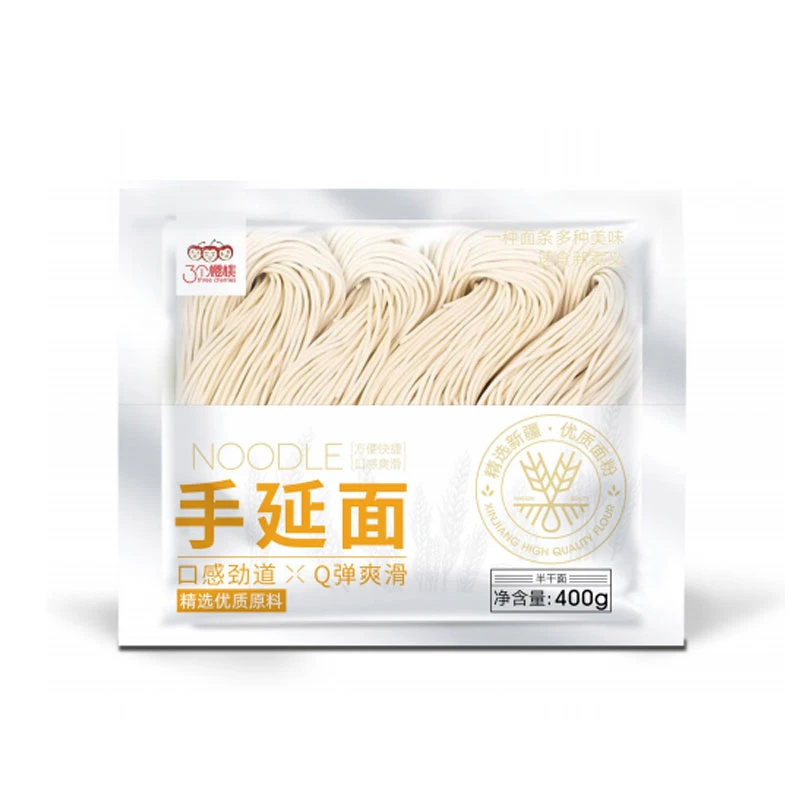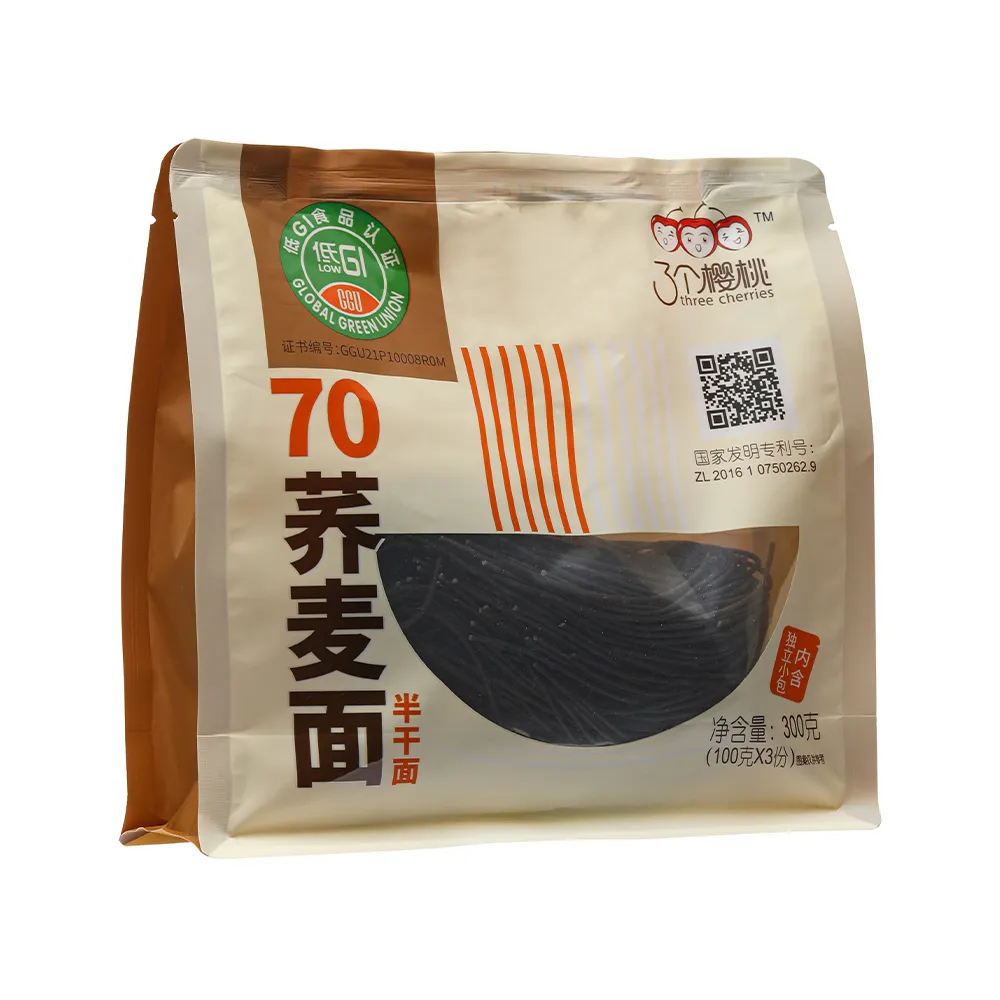

Wheat Spaghetti: A Global Staple with Culinary and Nutritional Power
Understanding Wheat Spaghetti: More Than Just a Simple Pasta
Wheat spaghetti — it’s a staple food that’s simple, yet globally significant. Why? Because it touches on agriculture, nutrition, economy, and even cultural identity around the world. Getting to know wheat spaghetti means understanding more than just a dinner option; it's about appreciating how agriculture, food science, and trade impact millions daily. From its humble origins as a dough of wheat flour and water, spaghetti has evolved into a versatile product feeding diverse populations and industries. In this article, let’s delve into what wheat spaghetti really is, why it matters globally, and what benefits come from deeper knowledge about it.
Global Context: Why Wheat Spaghetti Still Dominates
Oddly enough, wheat spaghetti isn't just popular in Italy, despite the stereotypes. Globally, wheat-based pasta consumption climbs steadily. According to the Food and Agriculture Organization (FAO) of the United Nations, global wheat production topped 776 million metric tons in 2022 and a significant portion contributes directly or indirectly to pasta-based foods. The World Bank tracks that pasta exports have grown by nearly 20% in the past decade, reaching markets as far-flung as Southeast Asia and Africa.
But herein lies a challenge: wheat spaghetti depends heavily on wheat quality and supply chain consistency. Issues like climate variability and trade tariffs can disrupt production, affecting availability and affordability — especially in emerging economies reliant on wheat imports. Hence, understanding wheat spaghetti’s production and supply has economic and even geopolitical implications.
What Is Wheat Spaghetti?
At its core, wheat spaghetti is a type of pasta crafted primarily from durum wheat semolina mixed with water and sometimes eggs. Durum wheat’s high protein and gluten content give spaghetti its firm texture, crucial for how it holds sauce and cooks evenly. This differs from other pasta types that might use soft wheat or other grains.
In modern industry, wheat spaghetti represents not just food but also food security and cultural heritage. For humanitarian organizations, it can be a shelf-stable, nutritious option adaptable to relief efforts. For food manufacturers, it’s a base ingredient in countless products and dishes.
Key Components and Considerations of Wheat Spaghetti
Durability (Cooking & Storage)
Durability here means how well the pasta maintains texture after cooking and during storage. Wheat spaghetti benefits greatly from durum wheat’s inherent properties — it resists becoming mushy, even after several minutes beyond al dente. For distributors, long shelf life (up to 2 years in ideal conditions) means better stock management.
Scalability of Production
Depending on the milling process, spaghetti production ranges from artisanal batches to industrial-scale factories churning out tons daily. This scalability supports diverse markets, from local farmers’ markets to global brands.
Cost Efficiency
Wheat spaghetti balances affordability and quality. Durum wheat is pricier than common wheat, but its superior protein content ensures the texture that consumers expect. Efficient processing and emerging milling technologies help keep costs reasonable.
Nutritional Value
Spaghetti isn’t just carbs; it contains protein, fiber (if whole grain), and important micronutrients. Fortification efforts help enhance nutritional profiles, especially in regions combating malnutrition.
Cultural & Culinary Flexibility
Spaghetti adapts easily with various sauces and ingredients worldwide, from Mediterranean olive oil and tomatoes to Asian-style stir-fries. Its neutral base lets chefs innovate endlessly.
Mini Takeaway:
Wheat spaghetti’s power lies in its unique combination of durability, scalability, nutrition, and culinary adaptability — making it an enduring global food staple.
Global Applications: Feeding Nations and Industries
In real-world contexts, wheat spaghetti is everywhere. In Europe and North America, it’s a household favorite, but importantly, it also finds critical roles in less obvious places. For example:
- Post-disaster relief: Agencies like the World Food Programme include dry pasta in emergency ration packs because it is lightweight, shelf-stable, and easy to prepare.
- Remote industrial zones: Workers in mining or oil sectors rely on durable wheat spaghetti meals in camps where fresh food is scarce.
- Educational programs in developing countries use pasta nutrition to complement school feeding initiatives.
Even in export contexts, countries like Italy, the U.S., and Turkey lead pasta exports, while emerging producers like India and Brazil are expanding domestic consumption. It’s truly a global web of production and use.
Advantages and Long-Term Value
Here’s where wheat spaghetti really shines. It’s cost-effective, meaning households can provide filling meals without breaking budgets. It’s sustainable — wheat cultivation modernizes with water-saving and soil protection techniques, aligning with global environmental goals (ISO 14000 standards and beyond). Socially, it promotes food security and dignity: everyone deserves a hot meal that’s tasty and comforting.
Logically, its reliability—both in supply chain and shelf life—makes it a trustworthy food source. Emotionally, it has cultural resonance, tying people to traditions, family, and community. This blend of practical and emotional value is why wheat spaghetti remains a global mainstay.
Future Trends & Innovations in Wheat Spaghetti
The food industry isn’t standing still. For wheat spaghetti, future innovations include:
- Health-conscious variants: Increased production of whole wheat, high-protein, and gluten-free alternatives to meet dietary needs.
- Automation: Smarter factories optimize dough mixing and drying, reducing waste and improving consistency.
- Sustainability enhancements: Using regenerative farming to grow wheat; reducing water and energy consumption during production.
- Digital labeling: Transparent supply chains via blockchain, letting consumers trace wheat origin.
Challenges & Potential Solutions
Wheat spaghetti isn’t without challenges. Climate change threatens wheat yields unpredictably. Moreover, price volatility can pinch poorer consumers. There’s also growing competition from alternative grains and plant-based pastas.
Solutions are emerging: precision agriculture helps farmers adapt to weather swings. Crop breeding develops drought-resistant wheat. Manufacturers are diversifying product lines while investing in renewable energy to reduce carbon footprints. It’s a mixed bag, but progress does continue.
Product Specification Table: Wheat Spaghetti (Typical Product)
| Attribute | Specification |
|---|---|
| Primary Ingredient | Durum Wheat Semolina |
| Protein Content | 12-14% |
| Moisture Content | ≤12% |
| Shelf Life | 18-24 months (dry, sealed) |
| Cooking Time | 8-12 minutes |
| Packaging | Plastic bags, cardboard boxes |
Vendor Comparison: Wheat Spaghetti Manufacturers
| Vendor | Annual Capacity (tons) | Geographic Reach | Sustainability Initiatives | Export Markets |
|---|---|---|---|---|
| Pasta Prima | 25,000 | Europe, North America | Organic wheat sourcing | USA, Canada, Germany |
| GranoTech | 40,000 | Global (Asia, Africa) | Water-efficient milling | India, Nigeria, Brazil |
| DurumDelight | 15,000 | Europe only | Renewable energy powered | Italy, France, Spain |
Frequently Asked Questions About Wheat Spaghetti
- Q: What makes wheat spaghetti different from other types of pasta?
- A: Wheat spaghetti, specifically made from durum wheat semolina, has higher protein and gluten content than many other pasta types. This gives it a firmer texture and better cooking resilience, which is why it’s favored for classic spaghetti dishes and large-scale production.
- Q: Can wheat spaghetti be stored for long periods without quality loss?
- A: Yes, dry wheat spaghetti can typically be stored for 18-24 months if kept in a cool, dry place sealed from moisture and pests. This makes it ideal for both households and emergency food supplies.
- Q: Is wheat spaghetti a good option nutritionally?
- A: While mostly carbohydrate-based, wheat spaghetti provides moderate protein and can be enriched or combined with vegetables and proteins for balanced meals. Whole wheat varieties add dietary fiber, boosting health benefits.
- Q: How do climate changes affect wheat spaghetti production?
- A: Wheat is sensitive to drought and temperature extremes, which can impact yield and quality of durum wheat. Innovations in drought-resistant wheat varieties and improved farming practices help mitigate these risks but challenges remain.
- Q: Are there eco-friendly wheat spaghetti options?
- A: Yes, some manufacturers prioritize sustainable agriculture, use renewable energy in milling, and implement water-conserving production methods. Certifications on packaging often indicate these efforts.
Conclusion
Wheat spaghetti is far more than a humble pasta; it’s a critical foodstuff with complex ties to agriculture, nutrition, economics, and sustainability worldwide. Because it’s versatile, durable, and globally loved, its long-term benefit reaches beyond convenience or taste — to food security and cultural connection. If you want to explore quality wheat spaghetti or learn more about its production and sourcing, make sure to visit wheat spaghetti suppliers with meaningful commitment to quality and sustainability.
Stay curious about your food. It tells stories worth knowing.
-
Discover the Authentic Taste of Korean Buckwheat NoodlesNewsApr.16,2026
-
Discover the Refreshing Taste of Authentic Korean Cold SobaNewsApr.09,2026
-
Discover the Refreshing Taste of Korean Cold Buckwheat Noodles NaengmyeonNewsApr.07,2026
-
Discover the Cool and Refreshing World of Korean Buckwheat Noodles ColdNewsApr.04,2026
-
Discover the Refreshing Taste of Japanese Cold Buckwheat Noodles and Zaru SobaNewsMar.31,2026
-
Exploring the Delicious World of Chinese Style Cold NoodlesNewsMar.28,2026
-
Discover the Cool and Refreshing World of Korean Cold Soba NoodlesNewsMar.26,2026
Browse qua the following product new the we