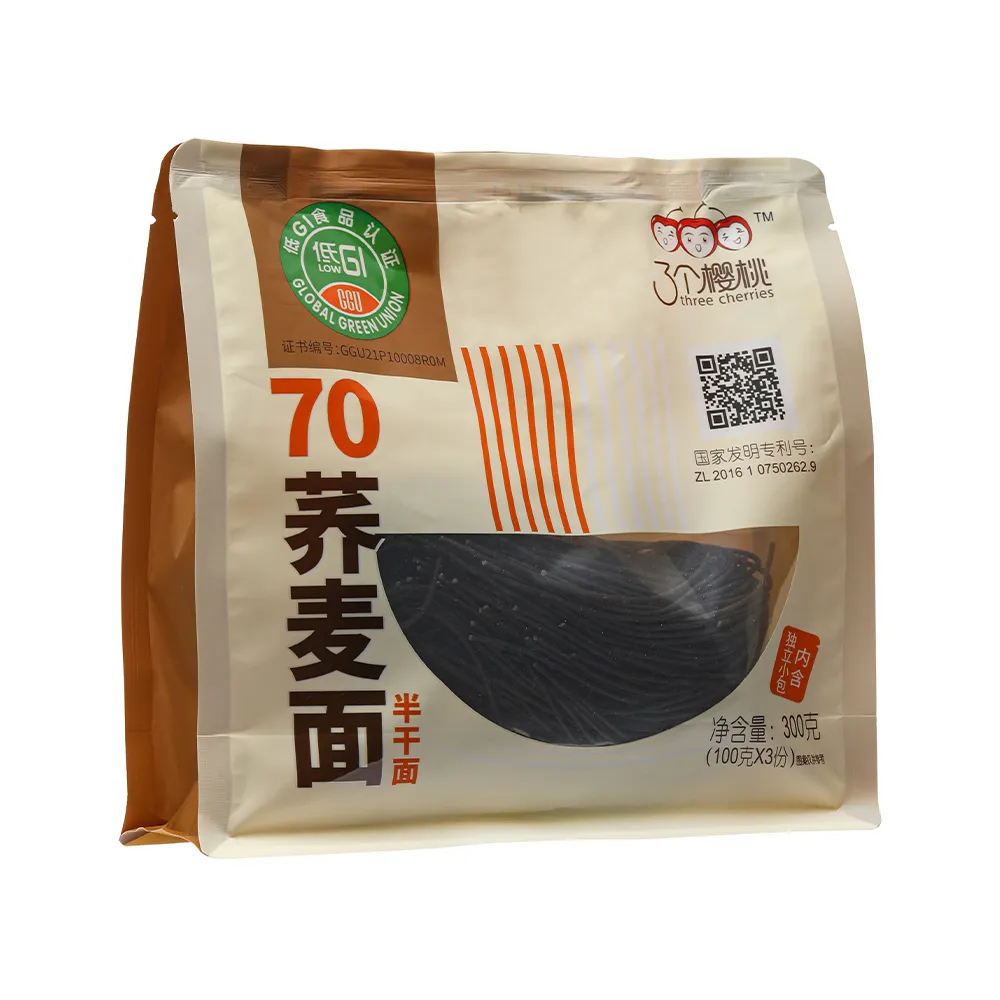

Discover Authentic Soba for Sale: Quality Buckwheat Noodles for Global Buyers
The Surprising Rise of Soba for Sale: What You Need to Know
If you’ve ever wandered through a bustling Asian food market or searched for a wholesome, tasty noodle option online, you might have bumped into soba for sale. But here’s the thing: soba isn’t just a delicious buckwheat noodle—it’s a cultural staple, a global commodity, and oddly enough, a lens through which we see modern food trends shaping up worldwide. Why does understanding soba matter globally, you ask? Because this humble noodle reflects growing interests in sustainable food production, regional culinary traditions, and international trade.
Whether you’re a restaurateur exploring new menu items, a supplier scoping out market opportunities, or just a foodie craving something authentic, the world of soba for sale has a layered story worth telling. Let’s unravel it.
Global Reach and Industry Context of Soba Noodles
Soba noodles trace their roots back centuries in Japan but have traveled far across Asia and into Western health food circles. According to the International Trade Centre, Japan exports over 1,500 tons of buckwheat products annually, with soba representing a significant slice of that. The global soba market has grown at an estimated CAGR of 4.8% from 2018 to 2023, driven by rising consumer interest in gluten-free and nutritious alternatives to wheat noodles.
Yet there’s a lingering challenge: authenticity vs. scalability. Many manufacturers outside Japan and East Asia strive to maintain authentic texture and flavor while meeting export demands. Meanwhile, consumer awareness about the benefits of soba—as a source of protein, fiber, and antioxidants—is still climbing slowly.
What Exactly Is 'Soba for Sale'?
At its simplest, soba for sale refers to soba noodles being offered commercially—either wholesale or retail—to consumers and businesses. These noodles are traditionally made from buckwheat flour or a combination of buckwheat and wheat flour, usually served chilled with dipping sauce or hot in broths.
The connection to modern industry is fascinating. Soba noodle production reflects advances in food processing, supply chain logistics, and international trade laws. Moreover, the growing trend of health-conscious eating globally has pushed soba beyond its niche, transforming it into a product continuously adapted for packaging, shelf life, and diverse culinary applications.
Core Components of Soba Product Offerings
1. Ingredient Quality and Purity
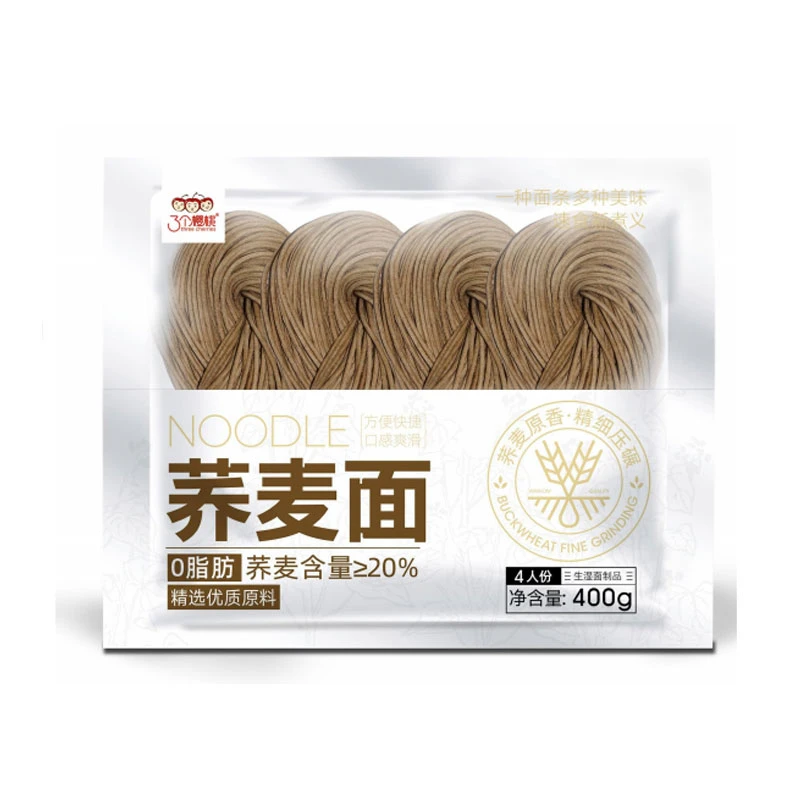
One major factor is the ratio of buckwheat to wheat flour. Twenty percent buckwheat content is a minimum for noodles labeled 'soba' in Japan, but richer blends (up to 100% buckwheat) serve specialized markets. Purity affects taste, texture, and nutritional profile—their combined chemistry essentially dictates if your soba is chewy, soft, or somewhere delightfully in between.
2. Packaging and Shelf Life
Fresh soba usually requires refrigeration and has a short shelf life, which complicates international shipping. But innovations in vacuum packaging and modified atmosphere packaging are extending life spans, allowing importers and restaurants abroad to serve fresher noodles without losing quality.
3. Scalability of Production
Small artisanal soba makers produce limited batches by hand, prized for authenticity but limited in volume. Meanwhile, larger manufacturers use automated extrusion and drying machines to boost output, appealing to supermarket chains and foodservice providers. Scalability almost always influences price and availability.
4. Certification and Compliance
Especially relevant for export, meeting ISO food safety certifications and allergen controls is crucial when selling soba internationally. Customers and regulators increasingly demand transparency about sourcing and processing to ensure both safety and authenticity.
Mini Takeaway:
- Soba noodles for sale vary widely depending on flour ratios, production size, and packaging methods.
- Quality balancing act: authenticity meets mass-market needs.
How and Where Is Soba Used Around the World?
In Japan and Korea, soba is almost a cultural icon—served traditionally during New Year's celebrations and enjoyed year-round. In the United States and Europe, soba has become trendy in health food stores and high-end restaurants due to its gluten-free or low-gluten appeal and nutritional profile.
Manufacturers target various markets:
- Asia: Restaurants, convenience stores, and family consumers seek authentic, fresh varieties.
- Western countries: Specialty grocery stores and health-conscious consumers purchase dried or instant soba.
- Food service industry: Chains wanting fast, healthy noodles bank on industrial-scale suppliers.
For example, in post-disaster relief operations in Japan, soba functions as comforting, easy-to-prepare meals, while in remote industrial zones across Asia, pre-packaged soba serves as a shelf-stable, nutritious option. Oddly enough, it’s versatility that makes soba critical in humanitarian food supplies, balancing shelf life and taste demands.
Product Specifications of Selected Soba Types
| Specification | Standard Soba | 100% Buckwheat Soba | Instant Dried Soba |
|---|---|---|---|
| Buckwheat Content | 20–30% | 100% | 25–35% |
| Shelf Life | 7–10 days (refrigerated) | 5–7 days (refrigerated) | 6 months (room temp) |
| Packaging | Plastic tray with vacuum seal | Plastic wrap + vacuum | Vacuum-sealed pouch |
| Typical Retail Price | $3.50 (100g) | $5.00 (100g) | $4.00 (100g) |
Prices approximate and may vary by region.
Why Choose Soba? Advantages & Lasting Value
Let’s be honest: it’s not just about taste. Soba offers an attractive package of benefits for consumers and sellers alike.
- Health Boost: Gluten-sensitive folks often prefer soba to wheat noodles, and its lower glycemic index supports steady energy levels.
- Sustainability: Buckwheat requires less water and pesticides than conventional grains, promoting eco-friendly farming.
- Flavor and Authenticity: Chewy texture with a slight nuttiness keeps both chefs and diners happy.
- Supply Chain Reliability: Advanced packaging and stable demand make soba a safe bet for retailers.
- Emotional Appeal: Comfort food with heritage speaks to nostalgia and cultural pride—think of New Year’s soba traditions in Japan.
Vendor Comparison: Top Soba Suppliers at a Glance
| Vendor | Range of Products | Global Shipping | Certifications | Price Competitiveness |
|---|---|---|---|---|
| Yamato Soba Co. | Fresh, dried, instant | Yes – 40+ countries | ISO 22000, JAS | Mid to High |
| Buckwheat Delights | 100% buckwheat only | Limited – Asia & Europe | Organic Certified | High |
| Soba Express Ltd. | Dried, instant noodles | Global | HACCP, ISO 9001 | Competitive |
Looking Ahead: Trends and Innovations in Soba Production
Oddly enough, soba’s not just stuck in tradition. Innovations are bubbling up in everything from buckwheat farming techniques to noodle extrusion and packaging. New drought-resistant buckwheat strains are helping farmers boost yields sustainably. Digital traceability tools allow vendors to prove origins and quality to consumers—a neat trick in today’s “know your food” mindset.
Then there’s the integration of soba in vegan and plant-based food markets, along with rapid-ready frozen meals that incorporate soba for convenience. Automation in production lines reduces human error, improves hygiene, and ramps up volume without sacrificing the delicate texture everyone loves.
Common Challenges — and How They're Tackled
Despite these positives, selling soba globally isn’t without hurdles:
- Shelf Life Dilemma: Fresh soba spoils quickly, complicating export. Solution? Vacuum-sealed packets with oxygen absorbers help.
- Authenticity vs Price: Pure buckwheat soba is pricier, causing some manufacturers to mix wheat flour. Consumers must balance affordability with quality.
- Regulatory Barriers: Import restrictions and labeling laws vary widely. Vendors often work with consultancies specializing in food law compliance.
On the bright side, continuous R&D and international partnerships steadily chip away at these obstacles, making authentic soba more accessible worldwide.
FAQ: Common Questions About Soba for Sale
- Q: How can I tell if soba noodles are authentic?
- A: Authentic soba noodles generally contain at least 20% buckwheat flour and are soft yet slightly firm when cooked. Check labels for buckwheat content and certification like JAS (Japanese Agricultural Standard) for reassurance.
- Q: Is soba gluten-free?
- A: Pure 100% buckwheat soba is gluten-free, but many commercially available soba noodles mix buckwheat with wheat flour, so always verify packaging if you have gluten sensitivities.
- Q: What’s the shelf life of packaged soba noodles?
- A: Fresh soba lasts about 7–10 days refrigerated; dried or instant varieties can last up to several months at room temperature due to preservation techniques.
- Q: Are there organic options for soba noodles?
- A: Yes, several suppliers offer certified organic soba noodles, often sourced from buckwheat grown without pesticides or synthetic fertilizers.
- Q: Can restaurants import soba directly for sale?
- A: Absolutely. Restaurants often partner with specialized distributors or importers who handle regulatory paperwork and ensure quality compliance for smooth delivery.
Wrapping Up: Why Soba for Sale Matters Today
Looking back, soba noodles have journeyed far — from centuries-old recipes to international trade commodities. They embody a neat mix of tradition and innovation that appeals to health-conscious consumers and global food businesses alike. Soba offers nutritional benefits, sustainable production methods, and a cultural story that resonates widely.
Whether you’re stocking your store shelves or exploring new menu additions, understanding the nuances of soba for sale is key to making smart choices with lasting impact. If you want to explore authentic options, take a peek at our collection of soba for sale. It’s more than noodles; it’s a global food conversation waiting to happen.
References
-
Discover the Authentic Taste of Korean Buckwheat NoodlesNewsApr.16,2026
-
Discover the Refreshing Taste of Authentic Korean Cold SobaNewsApr.09,2026
-
Discover the Refreshing Taste of Korean Cold Buckwheat Noodles NaengmyeonNewsApr.07,2026
-
Discover the Cool and Refreshing World of Korean Buckwheat Noodles ColdNewsApr.04,2026
-
Discover the Refreshing Taste of Japanese Cold Buckwheat Noodles and Zaru SobaNewsMar.31,2026
-
Exploring the Delicious World of Chinese Style Cold NoodlesNewsMar.28,2026
-
Discover the Cool and Refreshing World of Korean Cold Soba NoodlesNewsMar.26,2026
Browse qua the following product new the we