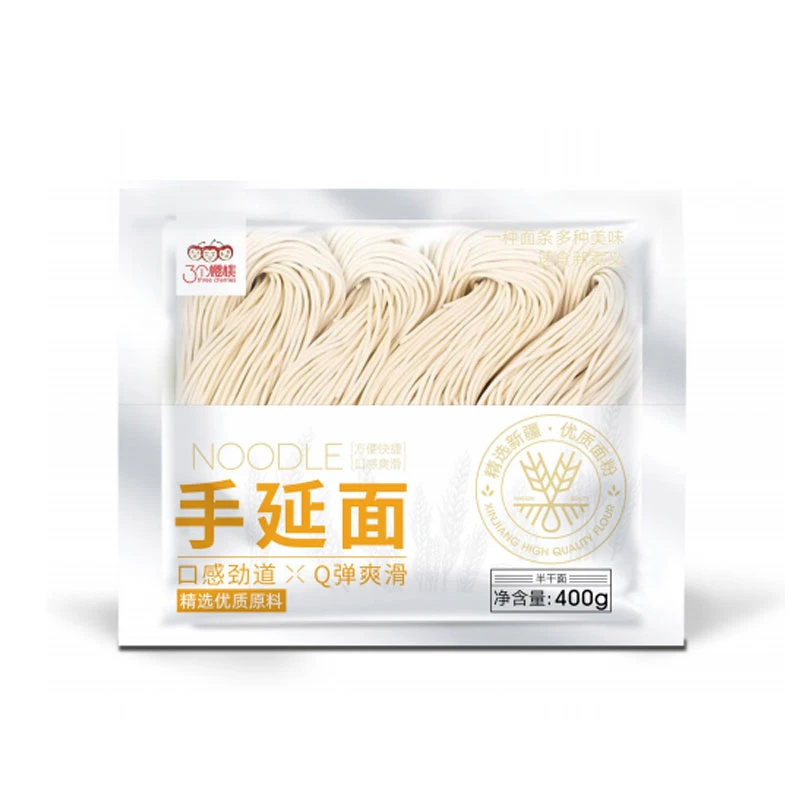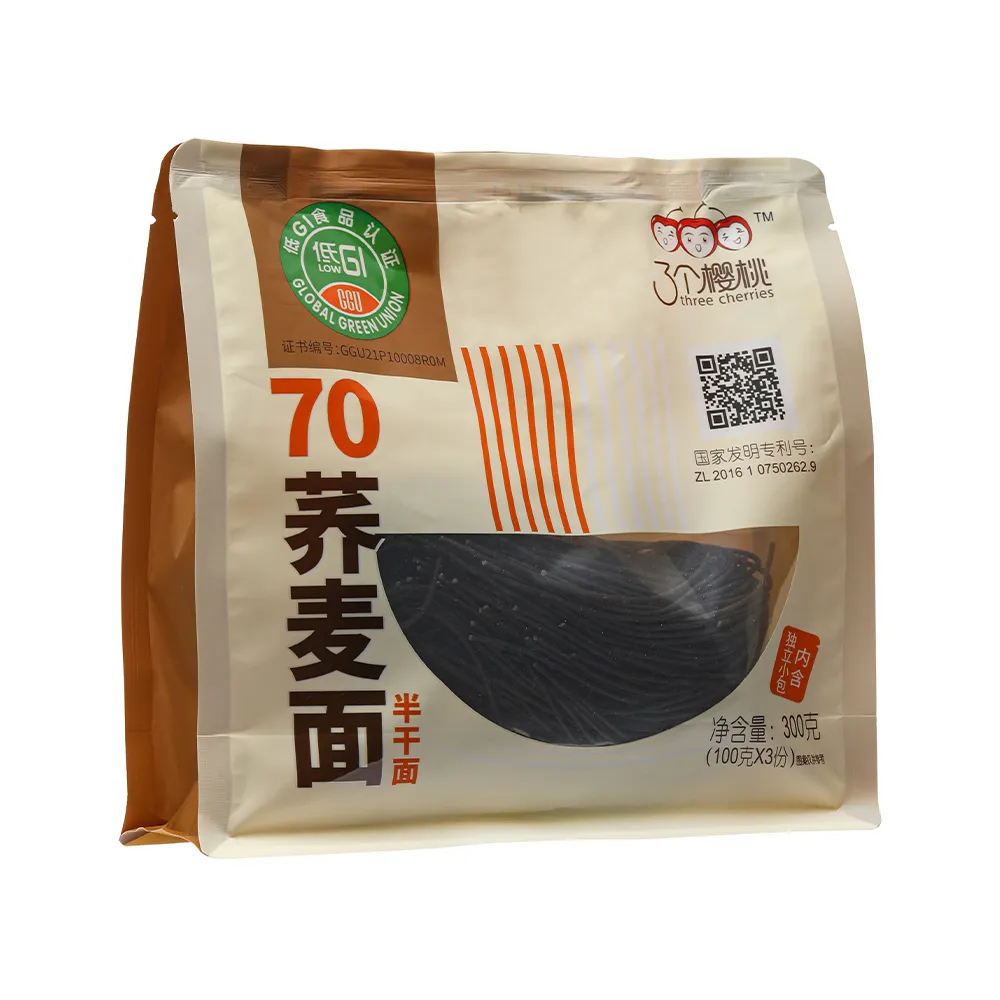

Buy Whole Wheat Noodles - Benefits, Global Trends & Where to Purchase
Why Buy Whole Wheat Noodles Matters Globally
In our rapidly evolving food landscape, making conscious dietary choices has become something of a global conversation. One topic gaining traction is the decision to buy whole wheat noodles, a seemingly simple choice with profound implications. Globally, wheat consumption is huge—both for cultural traditions and energy needs—but whole wheat variants are especially important in boosting nutrition without compromising taste or versatility. They offer benefits like higher fiber, more vitamins, and a lower glycemic index, which contributes positively to public health.
According to the Food and Agriculture Organization (FAO), whole grains like whole wheat reduce risks of heart disease and type 2 diabetes. Yet, many consumers still prefer refined wheat products, often unaware—or unsure—about the tangible perks of whole wheat noodles. Understanding why and how to buy whole wheat noodles better reflects rising health awareness and sustainability concerns worldwide.
Whole Wheat Noodles: What Does It Mean?
Simply put, whole wheat noodles are pasta products made from whole grain wheat flour which preserves the bran and germ layers discarded in refined flours. This makes all the difference nutritionally. Unlike their refined counterparts, whole wheat noodles retain fiber, minerals, and antioxidants—those invisible benefits packed just beneath the wheat kernel’s surface.
In industry terms, buying whole wheat noodles supports a more sustainable food chain, since whole grains demand less processing and provide more yield per grain. From humanitarian to hospitality contexts, whole wheat noodles are a valuable staple, offering meals that are both wholesome and affordable.
Key Factors When You Decide to Buy Whole Wheat Noodles
1. Nutritional Value
Whole wheat noodles typically contain 3–5 times more fiber than regular pasta. This supports digestive health and helps maintain balanced blood sugar. For those who monitor diet closely—like diabetics or fitness enthusiasts—this is crucial.
2. Durability and Shelf Life
Oddly enough, whole wheat noodles often have a slightly shorter shelf life due to the oils in the bran content. However, proper packaging and storage can easily mitigate this.
3. Cost Efficiency
While often a bit pricier than traditional noodles, the cost differential is usually marginal. Plus, the health dividends can save downstream healthcare expenses. Plus, buying whole wheat noodles can support local farmers focused on sustainable grain cultivation.
4. Taste and Culinary Flexibility
There’s a misconception that whole wheat pasta tastes bitter or grainy. True, there’s a nuttier flavor profile but many chefs and home cooks swear by it for everything from Asian stir-fries to classic Italian dishes.
5. Sustainability
Whole wheat production uses less energy in milling and reduces food waste. This makes buying whole wheat noodles a small but meaningful environmental choice.
Global Applications & Use Cases
You might wonder where exactly whole wheat noodles “fit” on the world stage. They’re found everywhere, from street food vendors in bustling Asian cities to school lunchrooms in Europe, reflecting a deep cultural and nutritional relevance.
- In Asia: Whole wheat noodles blend into traditional diets while boosting fiber intake, especially in China and India, where noodles are staples.
- In humanitarian aid: Whole wheat noodles are supplied by NGOs in relief packages—they’re easy to cook, rich in nutrients, and have decent shelf life.
- In health-focused food production: Restaurants and packaged good companies worldwide integrate whole wheat options to cater to evolving consumer demands.
- In educational campaigns: Governments promote whole grains via programs encouraging schools and families to switch to whole wheat pasta and noodles to improve public health.
Product Specifications of Popular Whole Wheat Noodles
| Specification | Typical Value |
|---|---|
| Wheat Type | Whole Durum Wheat |
| Protein Content | 12-14% |
| Fiber Content | 6-8 g per 100g |
| Shelf Life | 6-9 months (in airtight packaging) |
| Cooking Time | 7-10 minutes |
Vendor Comparison: Your Buy Whole Wheat Noodles Options
| Vendor | Price/Unit | Organic Certification | Packaging Options | Global Shipping |
|---|---|---|---|---|
| JXS Semi Dry Noodles | $2.50 kg | Yes | Bulk sacks, Retail packs | Yes |
| HealthyGrains Co. | $2.80 kg | Yes | Retail packs only | Limited |
| GrainPure | $2.30 kg | No | Bulk sacks only | Yes |
Advantages & Long-Term Value
The tangible perks of buying whole wheat noodles? For one, they help reduce chronic diseases linked to diet, as supported by nutritional research (see WHO). They also promote sustainability by encouraging less waste and energy use during production. Somewhat less talked about but just as important: they foster a sense of dignity and wellness, especially in vulnerable populations fed by international aid programs.
The emotional safety of feeding yourself or your family something nutritious, without breaking the bank—that's priceless in many places worldwide.
Future Trends & Innovations
What’s on the horizon? Frankly, the whole wheat noodle segment is seeing tech-driven innovation in milling to preserve freshness and flavor better. Also, sustainability pushes are encouraging more organic farming and zero-waste packaging, which might soon become standards rather than perks.
Digital marketplaces are also making it easier to buy whole wheat noodles globally, boosting supply chain transparency and consumer confidence.
Challenges & Solutions
That said, challenges persist. Whole wheat noodles can suffer from a perceived ‘heavier’ texture or shorter shelf life. Plus, price sensitivity among consumers remains high. Experts suggest blending whole wheat with specialty flour or improving drying techniques to enhance taste and durability.
Educational campaigns also help ease consumer hesitation by highlighting benefits clearly and compellingly.
FAQ: Frequently Asked Questions About Buy Whole Wheat Noodles
- Are whole wheat noodles suitable for gluten-sensitive diets?
- Whole wheat noodles contain gluten, so they are not suitable for people with celiac disease or gluten intolerance. For gluten-free options, alternative flours like rice or buckwheat are better.
- How long do whole wheat noodles last compared to regular noodles?
- Whole wheat noodles typically have a shelf life of 6–9 months when stored properly, which is slightly shorter than refined pasta due to oil content. Proper airtight packaging extends freshness.
- Can whole wheat noodles be used in all recipes calling for regular pasta?
- Yes, they are versatile and can substitute regular pasta in most recipes. Expect a nuttier flavor and firmer texture, which many find pleasant.
- Where can I buy whole wheat noodles in bulk?
- Many suppliers, including JXS Semi Dry Noodles, offer bulk purchasing options suitable for restaurants and distributors.
- Are organic whole wheat noodles significantly better?
- Organic whole wheat noodles avoid synthetic pesticides and fertilizers, which some consumers prefer for health and environmental reasons. Nutritionally, they are quite similar to conventional variants.
Conclusion & Call to Action
Choosing to buy whole wheat noodles offers more than just a taste upgrade—it’s an investment in health, sustainability, and responsible consumption. Whether you’re wholesaling or cooking at home, embracing whole grains like whole wheat noodles reflects a broader positive trend around the world. For quality assurance and global reach, consider exploring trusted suppliers, such as those found on our site.
Make the switch today. Your body—and the planet—will thank you.
Just a quick reflection before you go: it feels like food choices have never been so pivotal. The simple act of buying whole wheat noodles can ripple out, touching health systems, economies, and ecosystems. Kind of humbling, honestly. And if you want to explore more, the references below are solid starting points.
-
Discover the Authentic Taste of Korean Buckwheat NoodlesNewsApr.16,2026
-
Discover the Refreshing Taste of Authentic Korean Cold SobaNewsApr.09,2026
-
Discover the Refreshing Taste of Korean Cold Buckwheat Noodles NaengmyeonNewsApr.07,2026
-
Discover the Cool and Refreshing World of Korean Buckwheat Noodles ColdNewsApr.04,2026
-
Discover the Refreshing Taste of Japanese Cold Buckwheat Noodles and Zaru SobaNewsMar.31,2026
-
Exploring the Delicious World of Chinese Style Cold NoodlesNewsMar.28,2026
-
Discover the Cool and Refreshing World of Korean Cold Soba NoodlesNewsMar.26,2026
Browse qua the following product new the we