
Buckwheat Ramen Noodles: Nutritious, Sustainable, and Delicious Alternatives
Understanding Buckwheat Ramen Noodles: More Than Just a Bowl of Comfort
Imagine sitting down to a steaming bowl of buckwheat ramen noodles. It’s delicious, sure—but it’s also a small testament to global shifts in nutrition, agriculture, and cultural fusion. Why does this matter beyond the kitchen? Because buckwheat ramen noodles symbolize a growing movement toward healthier, sustainable, and culturally inclusive food choices that ripple across continents.
As the world faces challenges like climate change, malnutrition, and the demand for functional foods, understanding buckwheat ramen noodles becomes more than a culinary curiosity—it’s a window into future food innovation.
Global Relevance of Buckwheat Ramen Noodles
Buckwheat may sound old-school, but surprisingly, its global significance has been rising. According to the Food and Agriculture Organization (FAO), buckwheat cultivation has increased by approximately 15% over the last decade, especially in regions like East Asia and parts of Europe. What’s driving this interest? A combination of health trends—buckwheat is naturally gluten-free and rich in essential nutrients like rutin and fiber—as well as its environmental resilience.
In a world where wheat prices fluctuate and climate unpredictability challenges staple crop yields, buckwheat’s ability to grow in less-than-ideal soils is a gamechanger. That’s where buckwheat ramen noodles enter: they marry tradition (ramen) with nutrition and sustainability (buckwheat), giving us food that’s not just filling, but forward-looking.
However, consumer education is a hurdle—many folks still associate ramen with cheap instant meals, not an artisanal buckwheat bowl. That's the challenge the industry is working hard to change.
Mini Takeaway
Buckwheat ramen noodles are gaining traction globally for their nutritional benefits and environmental sustainability, serving as a nutritious alternative in culturally popular dishes.
What Are Buckwheat Ramen Noodles, Exactly?
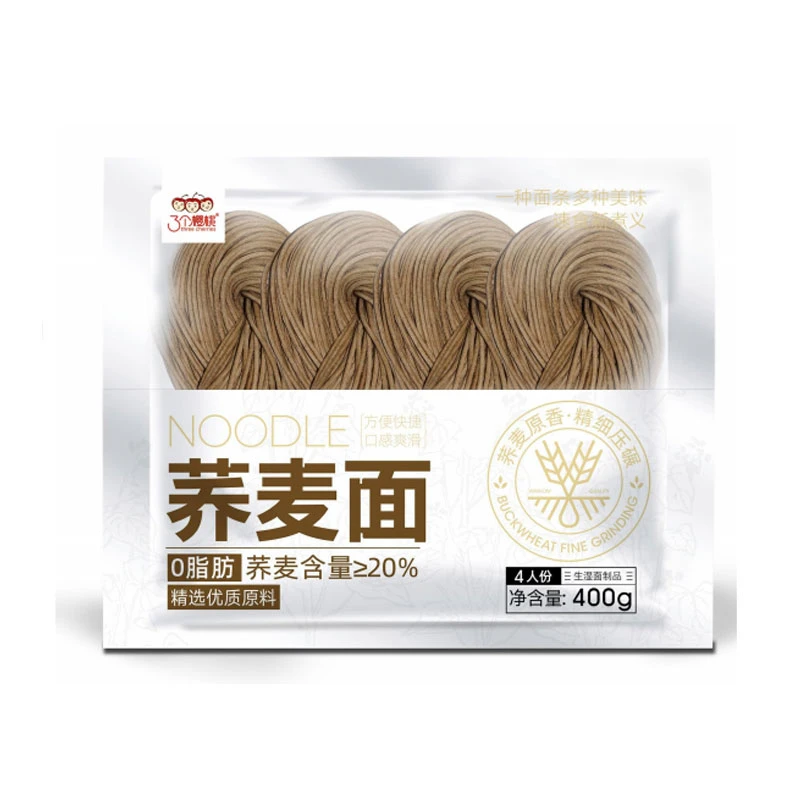
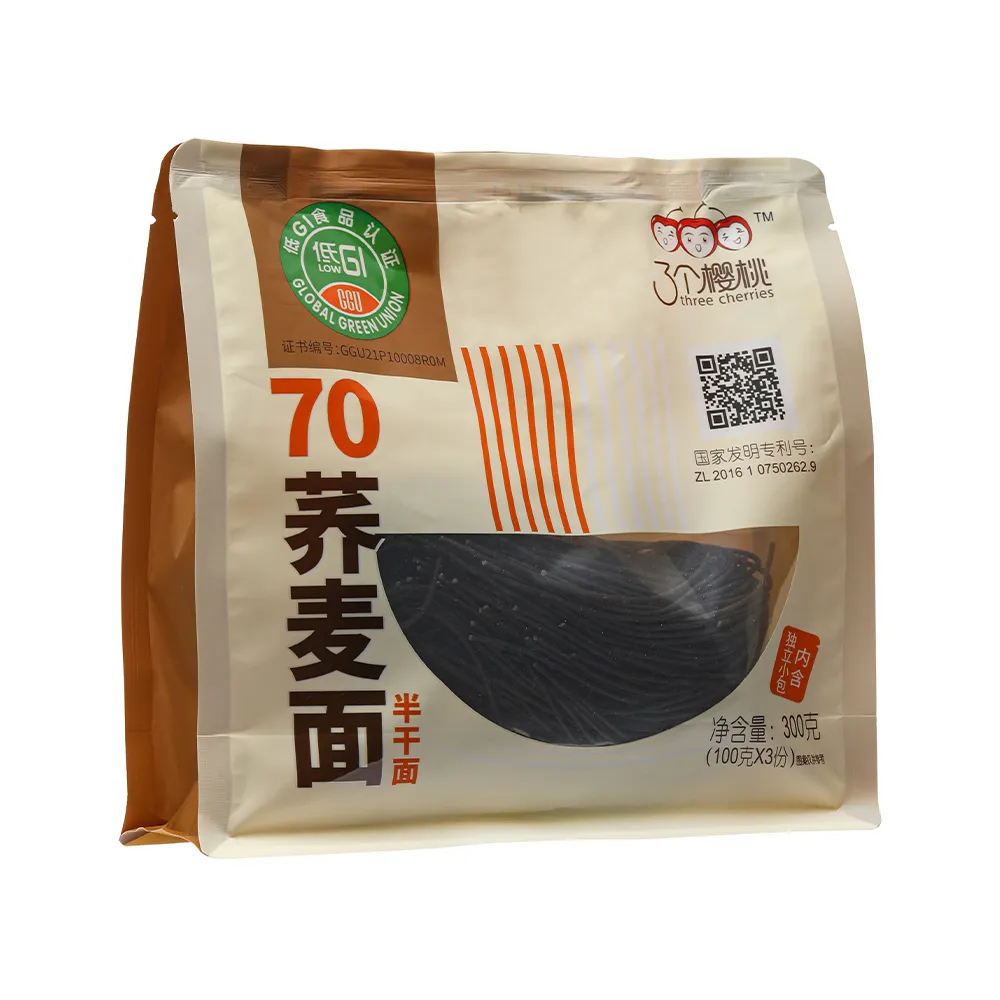
Simply put, buckwheat ramen noodles are noodles crafted predominantly from buckwheat flour rather than traditional wheat flour. They take inspiration from the Japanese soba noodle but get a comforting ramen twist—usually thicker, chewier, and served in rich broths.
Though 'buckwheat' sounds rustic, the manufacturing process incorporates modern milling and blending techniques to enhance texture and shelf life while preserving the health properties. This evolution connects to food industry trends aiming to cater to gluten sensitivity, allergies, and plant-based diets.
There's also a humanitarian angle: buckwheat can be grown in challenging climates, useful in food security initiatives where wheat and rice struggle.
Mini Takeaway
Buckwheat ramen noodles blend traditional grains with modern food science, making them nutritious, allergy-friendly, and apt for diverse markets.
Key Factors Shaping Buckwheat Ramen Noodles
1. Nutritional Profile
Buckwheat is rich in antioxidants, fiber, magnesium, and essential amino acids. For ramen lovers, this means a hearty meal that aids digestion and may even help regulate blood sugar.
2. Production Process
Unlike standard noodles, buckwheat ramen requires precise blending with other flours (sometimes wheat or cornstarch) to improve elasticity. Manufacturers carefully calibrate hydration and drying to maintain chewiness and avoid crumbling.
3. Taste & Texture
The slightly nutty, earthy flavor of buckwheat adds depth to ramen. The texture tends to be firmer than typical ramen, which many aficionados find appealing.
4. Environmental Sustainability
Buckwheat is considered eco-friendly—it requires fewer pesticides, less water, and grows quickly. For producers and consumers prioritizing sustainable food, it’s a win-win.
5. Cost Efficiency
Though buckwheat flour is often pricier than wheat, the reduced need for chemical inputs and shorter growing cycles can balance costs over time.
| Specification | Details |
|---|---|
| Buckwheat Flour Content | Usually 50–80% |
| Protein | 10–13% |
| Fiber | 4–6 g per 100 g |
| Gluten Content | Varies; typically low or gluten-free |
| Cooking Time | 3–5 minutes |
Mini Takeaway
Multiple aspects from nutrition to production influence the appeal and viability of buckwheat ramen noodles, with nutrition and sustainability in the lead.
Global Applications: From Street Food to Disaster Relief
Buckwheat ramen noodles have found their way into diverse settings globally. In Japan and Korea, artisanal ramen shops serve buckwheat blends to satisfy health-conscious urbanites. Meanwhile, in parts of Eastern Europe, buckwheat noodles are a staple comfort food, reflecting centuries-old traditions.
Oddly enough, humanitarian organizations have also noted the advantages of buckwheat noodles for food aid—especially in mountainous or frost-prone regions like Nepal or the Himalayas where wheat crops aren’t reliable.
Moreover, fast-casual restaurants in North America and Europe are championing buckwheat ramen noodles to cater to vegan, gluten-free, and health-focused customers, boosting local agriculture markets.
Mini Takeaway
From street vendors to NGOs, buckwheat ramen noodles serve nutrition, convenience, and cultural heritage across continents.
Advantages & The Lasting Impact
- Health Benefits: Rich in complex carbs, antioxidants, and low glycemic index.
- Sustainability: Requires fewer inputs, supporting eco-friendly agriculture.
- Cultural Appeal: Combines tradition with modern culinary trends.
- Economic Impact: Encourages small-scale farming and niche markets.
- Emotional Satisfaction: Eating buckwheat ramen noodles can feel wholesome and comforting, tying into family and lifestyle values.
Mini Takeaway
Beyond nutrition, buckwheat ramen noodles offer meaningful sustainability and socio-economic advantages, making them a food with purpose.
Looking Ahead: What’s Next for Buckwheat Ramen Noodles?
The future looks pretty interesting. Researchers are experimenting with blending buckwheat with ancient grains like quinoa or millet for enhanced nutrient profiles and textures. There’s also movement toward automated noodle production lines that use cleaner energy sources.
In policy circles, some governments promote buckwheat planting as part of climate resilience plans. Digital platforms enable consumers to trace noodle origins, giving transparency in sourcing that adds “trust value.”
In short, buckwheat ramen noodles are riding the wave of innovation where health, technology, and sustainability collide.
Common Challenges & How They’re Being Tackled
Adoption isn’t without bumps. Issues include the higher cost of buckwheat flour, consumer unfamiliarity, and sometimes brittleness in noodle texture. Plus, large-scale farming faces obstacles like lower yield compared to wheat.
Innovations are emerging: new crop varieties improve yield, cost reductions come via mechanized processing, and marketing campaigns educate consumers about buckwheat’s benefits. Collaboration across industry stakeholders is key.
FAQ: Your Questions About Buckwheat Ramen Noodles Answered
- 1. Are buckwheat ramen noodles gluten-free?
- Pure buckwheat flour is gluten-free, but many ramen noodles include wheat flour for texture, so always check labels if you’re avoiding gluten.
- 2. How do cooking times for buckwheat noodles compare to traditional ramen?
- Buckwheat ramen usually cooks faster—around 3–5 minutes—because of its different starch content, but it’s best to follow package instructions for optimal texture.
- 3. Can buckwheat ramen noodles be a nutritious meal for children?
- Absolutely! They provide fiber, protein, and antioxidants that support healthy growth, but balance with other food groups is important.
- 4. Is buckwheat cultivation environmentally sustainable?
- Yes. Buckwheat is low-input, requires less fertilizer and pesticide, and grows quickly, making it beneficial for sustainable farming practices.
- 5. Where can I easily buy buckwheat ramen noodles?
- Specialty grocery stores, health food markets, or online vendors like buckwheat ramen noodles suppliers offer a wide selection.
Comparing Major Buckwheat Ramen Noodle Vendors
| Vendor | Buckwheat % | Organic Certification | Price Range (per kg) | Availability |
|---|---|---|---|---|
| NoodleCo | 70% | Yes | $12–15 | Online & Select Retailers |
| SobaDelight | 80% | No | $10–13 | Asia & Online |
| GreenGrain Foods | 65% | Yes | $14–17 | North America, Europe |
Wrapping Up: Why Buckwheat Ramen Noodles Matter
To sum things up, buckwheat ramen noodles are not just another food fad. They embody a fusion of health, tradition, and environmental mindfulness. Their growing popularity reflects a broader societal shift toward sustainable, nourishing, and culturally rich foods. If you haven’t tried them yet, you might be missing out on a noodle that’s as complex and interesting as the world we’re living in.
Curious to explore further or stock your kitchen with premium buckwheat ramen noodles? Visit our website at buckwheat ramen noodles for authentic options and more.
References
-
Discover the Authentic Taste of Korean Buckwheat NoodlesNewsApr.16,2026
-
Discover the Refreshing Taste of Authentic Korean Cold SobaNewsApr.09,2026
-
Discover the Refreshing Taste of Korean Cold Buckwheat Noodles NaengmyeonNewsApr.07,2026
-
Discover the Cool and Refreshing World of Korean Buckwheat Noodles ColdNewsApr.04,2026
-
Discover the Refreshing Taste of Japanese Cold Buckwheat Noodles and Zaru SobaNewsMar.31,2026
-
Exploring the Delicious World of Chinese Style Cold NoodlesNewsMar.28,2026
-
Discover the Cool and Refreshing World of Korean Cold Soba NoodlesNewsMar.26,2026
Browse qua the following product new the we