
Is Buckwheat Noodle Good for Diabetics? Benefits & Expert Insights
Is Buckwheat Noodle Good for Diabetics? Understanding the Facts
If you've ever wondered whether buckwheat noodles fit into a diabetic diet, you're not alone. Diabetes affects hundreds of millions worldwide, and finding suitable, tasty foods is a top challenge. Buckwheat noodles, sometimes called soba, pop up often as a potentially healthy alternative, but is there real science behind the buzz? Let's dive into why this question matters globally and what benefits understanding it brings.
Globally, diabetes is one of the fastest-growing health concerns. According to the World Health Organization, the number of adults with diabetes reached 537 million in 2021, and projections indicate a steady rise. Diet plays a central role in managing blood sugar levels, making options like buckwheat noodles profoundly relevant. Knowing whether these noodles help or hinder diabetic control can guide millions toward better health — and possibly even influence food industries in developing regions.
Mini Takeaway:
Buckwheat noodles' role in diabetic diets isn't just a culinary curiosity; it's part of a global push toward healthier, sustainable food staples.
The Global Context: Why Buckwheat Noodles Matter
Looking at the big picture, Asia and Eastern Europe are the primary consumers of buckwheat products, with soba noodles being staple in Japan and parts of China. The UN's Food and Agriculture Organization (FAO) highlights buckwheat as a valuable crop due to its resilience and nutritional profile — especially in regions struggling with soil depletion and climate change.
Now, many diabetics, especially in these regions, wonder if buckwheat noodles can replace high-GI (glycemic index) wheat noodles, supporting blood sugar control without sacrificing taste or tradition. The challenge is balancing accessibility, nutritional benefits, and cultural acceptance. Buckwheat noodles might just present a viable solution — but it’s not straightforward.
Mini Takeaway:
There’s a complex intersection of nutrition science, tradition, and agriculture behind why “is buckwheat noodle good for diabetics” is a question worth global attention.
What Exactly Are Buckwheat Noodles?
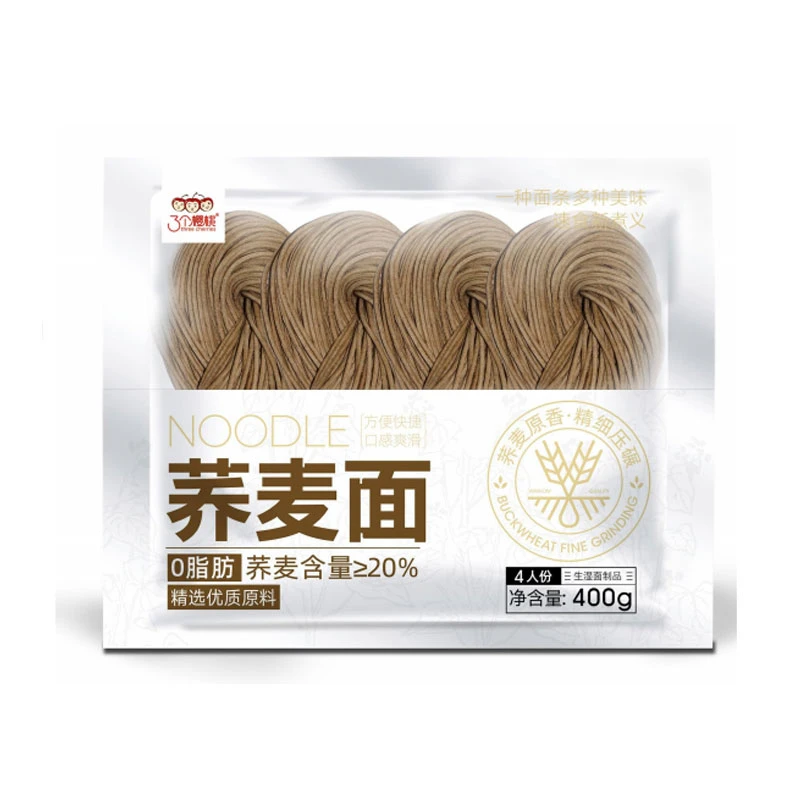
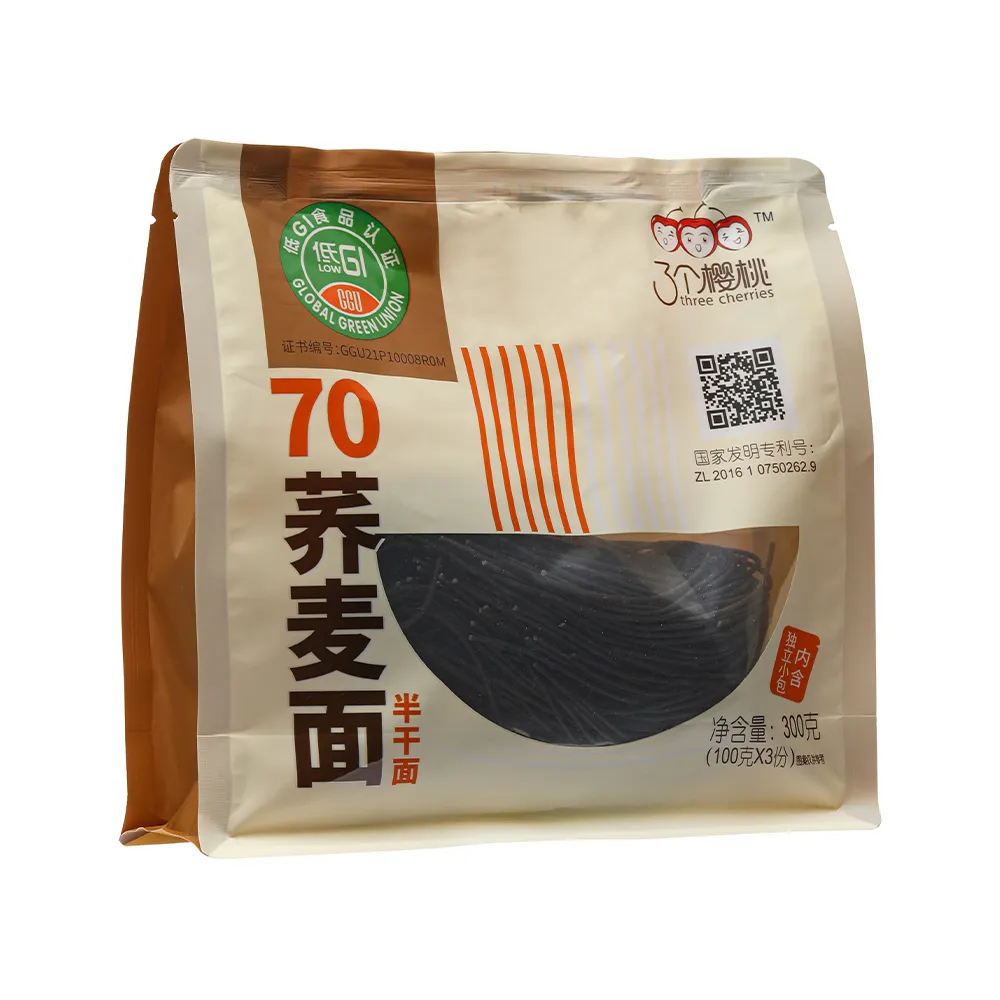
To put it plainly: buckwheat noodles, most commonly called soba, are noodles made mainly from buckwheat flour. Despite the name, buckwheat isn't related to wheat and is naturally gluten-free (though some soba blends mix wheat flour for texture). It’s a pseudo-cereal, rich in fiber, protein, and especially notable for flavonoids like rutin, which some studies suggest help improve blood circulation and reduce inflammation.
From an industrial perspective, buckwheat is favored for its hardiness and nutritional density — qualities important for food security and dietary improvements worldwide.
Mini Takeaway:
Buckwheat noodles are not just an alternative pasta; they carry nutritional and functional properties that might specifically benefit diabetic diets.
Key Factors in Considering Buckwheat Noodles for Diabetics
1. Glycemic Index and Blood Sugar Impact
The glycemic index (GI) measures how quickly a food raises blood sugar. Buckwheat noodles generally score lower GI than regular wheat pasta, meaning they cause a slower glucose release. This feature helps diabetics avoid spikes, offering better blood sugar regulation.
2. Fiber Content
Fiber plays a critical role in slowing glucose absorption and improving insulin sensitivity. Buckwheat's high fiber — both soluble and insoluble — supports digestive health and moderates blood sugar levels.
3. Protein and Amino Acids
Buckwheat contains all nine essential amino acids, making it an excellent plant-based protein. Higher protein intake is often recommended for diabetics to improve satiety and manage weight.
4. Antioxidants and Nutrients
Rutin and other antioxidants in buckwheat might reduce oxidative stress linked to diabetic complications. Plus, minerals like magnesium help regulate glucose metabolism.
5. Processing and Purity
The benefits depend heavily on the buckwheat-to-wheat ratio in the noodle. Pure buckwheat noodles are gluten-free and better nutritionally, but many commercially available options blend flours to improve texture, which can alter the glycemic response.
Mini Takeaway:
The answer to "is buckwheat noodle good for diabetics" depends on GI, fiber, protein content, antioxidant profile, and noodle composition — not just the label.
Global Uses and Who Benefits Most
In Japan and Korea, soba noodles have been consumed for centuries, often whitened or dark varieties. These countries have begun studying soba's diabetic benefits directly, leading to growing consumer trust. Meanwhile, in Eastern Europe, buckwheat groats and noodles are staples in rural diets and increasing in urban health food circles.
More interestingly, some diabetes programs in Southeast Asia and parts of Russia promote buckwheat noodles as affordable, culturally relevant food options for improving glycemic control. Urban consumers who want gluten-free or low-GI noodles are another rising group.
From charity organizations assisting diabetic patients in resource-poor zones to upscale culinary ventures emphasizing health, buckwheat noodles find diverse footholds worldwide.
Mini Takeaway:
The global uptake of buckwheat noodles extends beyond tradition — it's part of a targeted effort to improve diabetic nutrition worldwide.
Advantages and Long-Term Value for Diabetics
- Stable blood glucose: Slower carb absorption mitigates dangerous sugar spikes.
- Weight management: High protein and fiber increase fullness, preventing overeating.
- Cardiovascular protection: Antioxidants like rutin reduce blood vessel damage risks.
- Natural, whole-food source: Less processed than many diabetic-friendly snacks.
- Versatility: Suitable in soups, salads, and stir-fries — easy to integrate daily.
Emotionally, many diabetics feel empowered when they find foods that are both healthy and culturally familiar. Buckwheat noodles provide that comfort without guilt — which subtly increases diet adherence.
Product Specification Table: Typical Buckwheat Noodle (100g Cooked)
| Nutrient | Amount | Daily Value (%) |
|---|---|---|
| Calories | 92 kcal | 4.6% |
| Carbohydrates | 20 g | 7% |
| Dietary Fiber | 2.7 g | 10.8% |
| Protein | 5 g | 10% |
| Fat | 0.1 g | 0.15% |
| Magnesium | 65 mg | 16% |
Comparing Popular Buckwheat Noodle Vendors
| Brand | Buckwheat % | Gluten-Free | Price (per 250g) | Packaging |
|---|---|---|---|---|
| SobaMasters | 100% | Yes | $5.99 | Plastic pouch |
| NoodleZen | 80% | No | $4.49 | Cardboard box |
| PureGrain | 90% | Limited (cross-contamination possible) | $6.25 | Resealable bag |
Future Trends: What’s Next for Buckwheat Noodles in Diabetic Nutrition?
We’re seeing increased interest in varietal buckwheat breeding to improve protein content and anti-nutrient reduction, which could make noodles more palatable and even more diabetic-friendly. Digital agriculture platforms help farmers optimize production, potentially lowering costs for consumers.
Sustainability also enters the picture: buckwheat’s short growing cycle and low fertilizer needs make it a climate-smart crop. There’s growing momentum behind integrating functional foods like buckwheat noodles into public health programs, especially in emerging economies grappling with diabetes.
Finally, fortified buckwheat noodles, with added vitamins or minerals tailored to diabetic needs, are popping up in niche markets.
Mini Takeaway:
The evolution of buckwheat noodles carries promising innovations not just in health, but in agriculture and food policy — a full-circle benefit.
Challenges and How to Overcome Them
Let’s be honest: not all buckwheat noodles are created equal. Some blends dilute buckwheat with wheat, raising the glycemic index and reducing benefits. Others might have a texture or taste that isn’t appealing to everyone — which can limit adoption.
Trace gluten contamination is another major concern for those requiring gluten-free options, making trusting source and production lines crucial. Plus, availability and price can vary widely by region.
Experts recommend checking ingredient labels carefully and seeking 100% buckwheat options when possible. Nutritionists often suggest pairing buckwheat noodles with high-fiber vegetables and lean proteins to balance meals effectively.
FAQs About Buckwheat Noodles and Diabetes
- Q: Can buckwheat noodles help prevent blood sugar spikes?
- A: Yes, buckwheat’s lower glycemic index compared to wheat noodles generally leads to slower, steadier glucose absorption, helping minimize spikes.
- Q: Are all buckwheat noodles gluten-free?
- No, many packagings mix buckwheat with wheat flour, so always check labels if you need gluten-free options.
- Q: How often can diabetics safely eat buckwheat noodles?
- Moderation is key, but many can incorporate them several times a week as part of a balanced, low-GI diet.
- Q: Do buckwheat noodles contain enough protein for a diabetic diet?
- Buckwheat provides a decent plant-based protein source with all essential amino acids, useful in diabetic meal planning.
In Conclusion: Should You Include Buckwheat Noodles?
If you or someone you know is managing diabetes, buckwheat noodles are definitely worth a try. They offer tangible benefits over traditional wheat noodles, from stabilizing blood sugar to providing a hearty, fiber-rich meal. However, it's crucial to choose authentic, high-percentage buckwheat products to get these benefits — and, of course, integrate them smartly into your broader dietary plan.
For more insights on diabetic-friendly foods and authentic buckwheat noodles, visit our website at https://www.jxsemidrynoodles.com. Because tasty and health-conscious can go hand in hand.
Quick Reflection
It’s interesting to see how a humble noodle can bridge centuries-old traditions and modern health challenges. Sometimes the answers lie in nature’s simplicity — and a noodle bowl.
References
-
Discover the Authentic Taste of Korean Buckwheat NoodlesNewsApr.16,2026
-
Discover the Refreshing Taste of Authentic Korean Cold SobaNewsApr.09,2026
-
Discover the Refreshing Taste of Korean Cold Buckwheat Noodles NaengmyeonNewsApr.07,2026
-
Discover the Cool and Refreshing World of Korean Buckwheat Noodles ColdNewsApr.04,2026
-
Discover the Refreshing Taste of Japanese Cold Buckwheat Noodles and Zaru SobaNewsMar.31,2026
-
Exploring the Delicious World of Chinese Style Cold NoodlesNewsMar.28,2026
-
Discover the Cool and Refreshing World of Korean Cold Soba NoodlesNewsMar.26,2026
Browse qua the following product new the we