
Dec . 01, 2025 03:45
Back to list
Diabetic Friendly Ramen – Nourishing Bowls for Balanced Living
Why Diabetic Friendly Ramen Matters in Today’s Global Food Landscape
If you had told someone just a decade ago that there’d be a ramen specially designed for diabetics, they might have raised an eyebrow — after all, ramen often gets a bad rap for being carb-heavy and sodium-loaded. Yet, with diabetes affecting over 537 million adults worldwide as of 2023 (according to the International Diabetes Federation), the need to rethink traditionally indulgent meals has never been more urgent. Diabetic friendly ramen aims to reconcile craving and care, blending flavor with nutrition-conscious innovation — a tiny but significant step in global food health. Understanding the essence and potential of diabetic friendly ramen isn’t just about a niche food trend. It's about how innovation in the food industry can support millions in managing blood sugar levels without sacrificing comfort or culture. Whether for a busy office lunch or a comforting bowl on a rainy evening, diabetic friendly ramen opens doors to healthier eating habits that align with medical guidance. ---The Global Context: Diabetes and the Food Industry’s Response
Globally, diabetes prevalence is on a steady rise, with the World Health Organization noting a quadrupling since 1980. The burden this chronic disease places on health systems and individuals is staggering. Thankfully, the food industry has started responding with more options tailored to diabetic needs. Carbohydrate management and sodium reduction are part of the diabetes dietary guidelines recognized universally, but practical meals that meet taste expectations are rare. Diabetic friendly ramen comes in as a game-changer here, responding directly to a global health challenge with innovative food science. To put it roughly, ramen enjoys immense popularity worldwide — whether in Asia, Europe, or the Americas — making it a strategic dish to retrofit. The challenge? How to create a product that ticks all the boxes: tasty, affordable, shelf-stable, and healthy. ---What Exactly Is Diabetic Friendly Ramen?
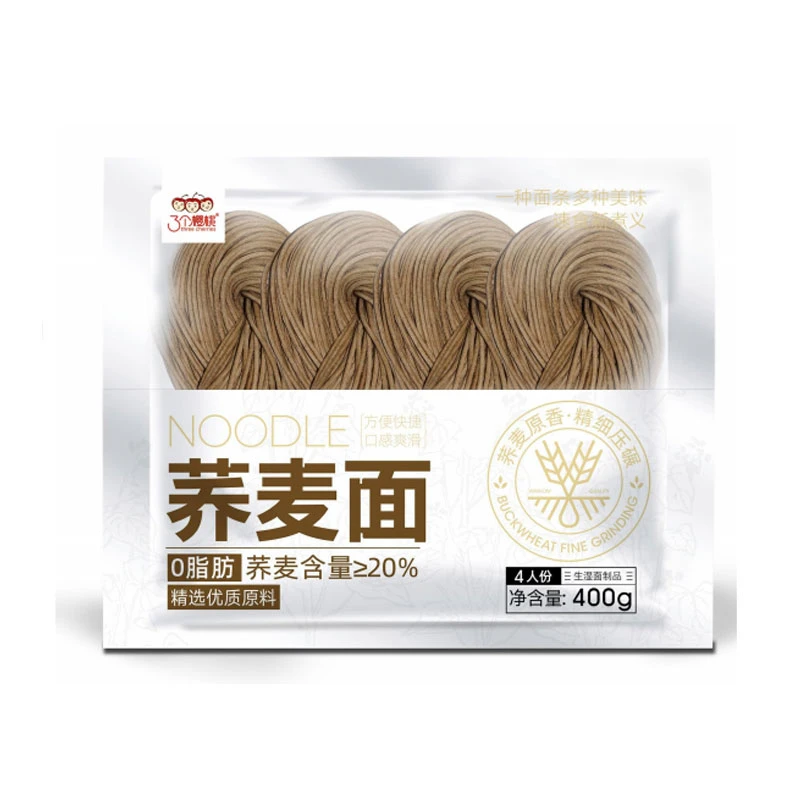
In simple terms, diabetic friendly ramen is a specially crafted noodle soup designed to have a lower glycemic impact and balanced nutritional profile suitable for people living with diabetes. It addresses carbohydrate quality, portion size, sodium content, and inclusion of beneficial ingredients (like vegetables or fiber) to help control blood sugar spikes. Think of it as re-engineering a beloved staple to fit modern dietary needs without losing the soul of the meal. By incorporating alternative flours (such as buckwheat or konjac), reducing processed sugars, using lean proteins, and limiting salt, these ramen variants become a bridge between indulgence and health management. ---Core Components That Make Diabetic Friendly Ramen Work
- Low Glycemic Index Ingredients: Use of whole grains, legumes, or konjac to slow carb absorption.
- Balanced Macronutrients: Inclusion of lean protein and fiber to promote satiety and stabilize blood glucose.
- Reduced Sodium: Careful flavoring that uses herbs and spices instead of salt overload.
- Quality Vegetable Additions: Enhancing nutrient density and adding antioxidants.
- Portion Control Packaging: Single-serving packs designed for diabetic meal planning.
Around the World: Real-Life Examples of Diabetic Friendly Ramen
This isn’t just theory. Various brands, especially in East Asia and the U.S., are innovating quickly. For instance, a Japanese startup recently launched a ramen line combining konjac noodles with a rich mushroom broth, resulting in a low-carb, umami-filled seasoning alternative. In the U.S., some health-focused companies have formulated ramen with chickpea-based noodles, significantly lowering carbohydrate load. Organizations dealing with diabetic populations in urban and rural settings benefit immensely. For example, diabetic clinics in South Korea have partnered with food companies to provide diabetic friendly ramen as part of their nutrition therapy. In post-disaster relief or remote industrial zones, access to convenient, diabetes-friendly food becomes crucial since traditional emergency rations tend to be carb-heavy and less tailored in the nutritional sense. Ramen here could be reimagined as a sustainable food aid product. ---Mini Takeaway:
Diabetic friendly ramen is gaining traction globally, a sign that health-oriented food innovation can indeed reach popular staples to meet urgent nutritional needs.
---Product Specification Snapshot for a Typical Diabetic Friendly Ramen Pack
| Feature | Value / Description |
|---|---|
| Noodle Ingredient | Konjac Flour & Whole Wheat Blend |
| Calories per Serving | 210 kcal |
| Carbohydrates | 18 grams (low GI) |
| Sodium Content | 450 mg |
| Protein | 10 grams (soy-based broth) |
| Fiber | 5 grams |
| Shelf Life | 12 months (dry pack) |
How Different Brands Compare on Diabetic Friendly Ramen
| Brand | Key Ingredient | Price per Pack | Carb Content (g) | Sodium (mg) | Special Features |
|---|---|---|---|---|---|
| Konnyaku Kitchen | Konjac & Buckwheat | $3.50 | 16 | 430 | Gluten-free |
| Soy Health Foods | Soybean Flour & Wheat | $4.00 | 20 | 500 | Protein-enriched broth |
| Chickpea Noodle Co. | Chickpea Flour | $4.25 | 17 | 480 | High fiber content |
Why Choose Diabetic Friendly Ramen? The Long-Term Value
Cost-wise, diabetic friendly ramen often runs a bit above the conventional pack, but the price truly reflects the quality and health benefits. Unlike regular ramen that may cause blood sugar spikes and long-term complications — leading to further medical expenses — these specialized options promise better glycemic control, which almost pays for itself in the long run. From a sustainability viewpoint, many manufacturers are focusing on natural, less processed ingredients. That’s not just good for diabetics but for everyone’s well-being. There’s also an emotional comfort in eating a flavorful meal that respects your health needs — a small but crucial dignity that’s often overlooked by the vast snack and instant food market. ---Innovations to Watch in Diabetic Friendly Ramen
Looking ahead, I keep an eye on developments like: - Digital Nutrient Customization: Imagine an app-linked ramen maker that adjusts carbohydrate levels automatically. - Plant Protein Advances: New proteins extracted from peas or algae promising better texture and nutrition. - Smart Packaging: With freshness indicators and dose guidance for those on strict diets. - Green Production Methods: Reduced water use and carbon footprint in noodle making. These trends are thrilling because they show how technology and sustainability can converge around something as simple as a bowl of noodles. ---Common Questions About Diabetic Friendly Ramen
- Is diabetic friendly ramen truly healthier than regular instant ramen?
- Yes. It’s formulated to have a lower glycemic impact, less sodium, and better nutrient balance, which can help with blood sugar management for diabetics. However, portion control and overall diet matters too.
- Can diabetic friendly ramen be enjoyed by people without diabetes?
- Absolutely. Many healthy eaters find these options beneficial due to their high fiber and protein content and lower salt levels. They can be part of a balanced diet for anyone.
- How do I store diabetic friendly ramen for maximum shelf life?
- Most dry or freeze-dried packs keep well when stored in a cool, dry place away from UV light, lasting up to 12 months. Always check packaging recommendations.
- Are there gluten-free diabetic friendly ramen options available?
- Yes. Brands using ingredients like konjac or chickpea flour often offer gluten-free alternatives, an important option for those with celiac disease or gluten sensitivity.
- Where can I buy diabetic friendly ramen?
- You can find it online or at specialty health food stores. For convenience and variety, visiting diabetic friendly ramen suppliers online is recommended.
Closing Thoughts and Where to Find More
Diabetic friendly ramen represents a subtle but powerful shift in how we think about convenient food — marrying tradition and health science in an accessible, tasty form. It’s a reminder that innovation in food can be both personal and global. For people navigating diabetes daily, having comforting options like these is more than a convenience; it’s a small victory. If you’re curious to discover more or ready to try a pack yourself, do visit diabetic friendly ramen and explore their innovative range. ---References & Further Reading
Share
Latest news
-
Discover the Authentic Taste of Korean Buckwheat NoodlesNewsApr.16,2026
-
Discover the Refreshing Taste of Authentic Korean Cold SobaNewsApr.09,2026
-
Discover the Refreshing Taste of Korean Cold Buckwheat Noodles NaengmyeonNewsApr.07,2026
-
Discover the Cool and Refreshing World of Korean Buckwheat Noodles ColdNewsApr.04,2026
-
Discover the Refreshing Taste of Japanese Cold Buckwheat Noodles and Zaru SobaNewsMar.31,2026
-
Exploring the Delicious World of Chinese Style Cold NoodlesNewsMar.28,2026
-
Discover the Cool and Refreshing World of Korean Cold Soba NoodlesNewsMar.26,2026
Browse qua the following product new the we