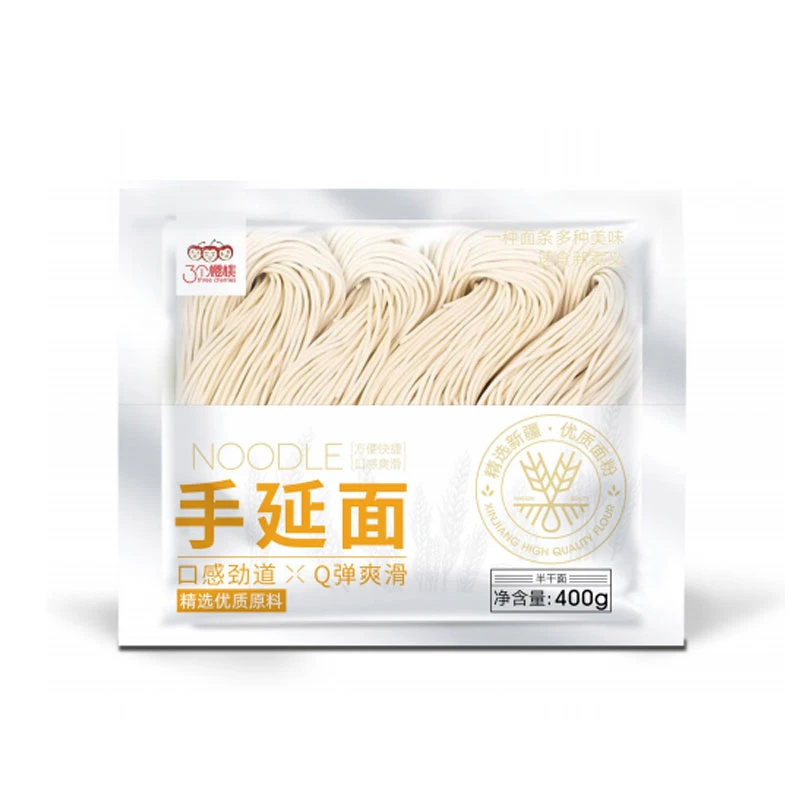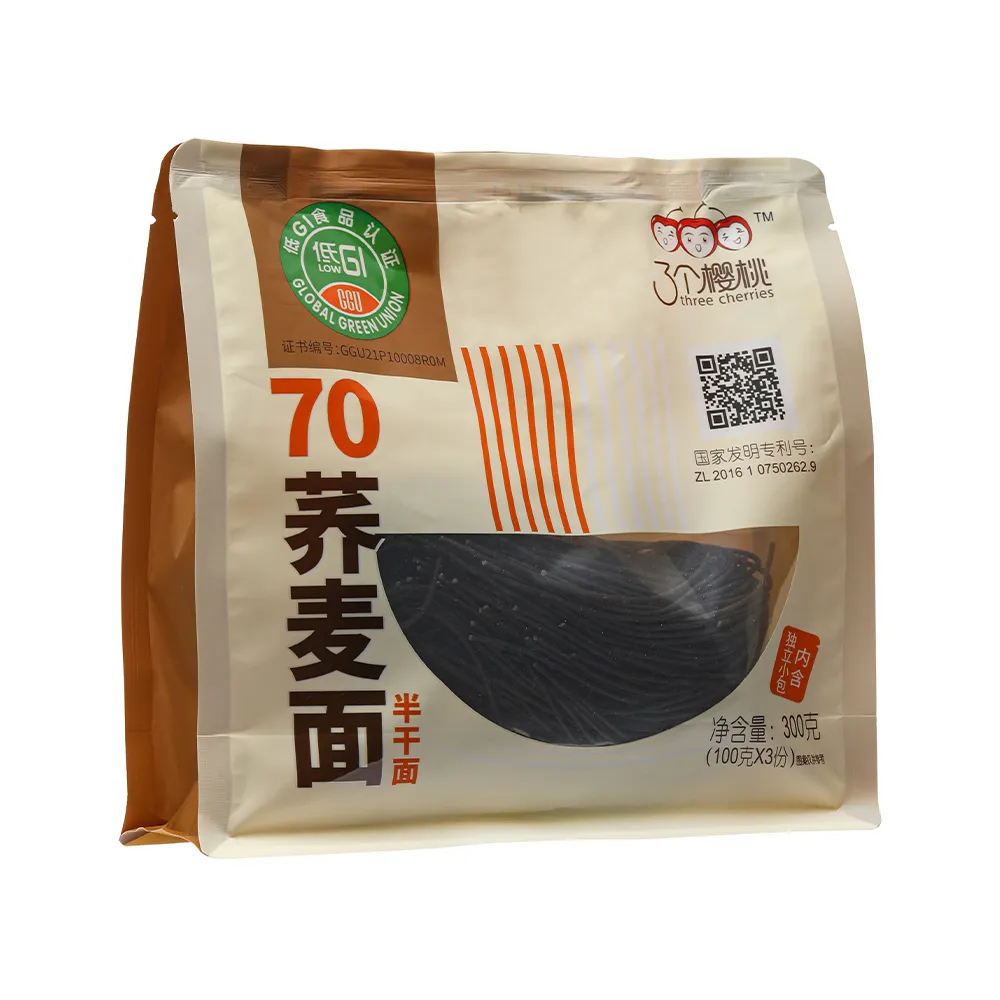

Pasta Whole Wheat: Nutrition, Sustainability & Global Insights
Understanding Pasta Whole Wheat: A Global Perspective
In today’s food-conscious world, the humble pasta whole wheat has taken a significant step beyond just another pantry staple. It’s now part of a broader conversation about nutrition, sustainability, and global food security. Oddly enough, despite pasta’s Italian heritage, whole wheat variants have surfaced as a key player in meeting dietary preferences worldwide—for health-conscious consumers and humanitarian food programs alike.
Why does it matter? Well, with increasing awareness of diet-related health issues, such as diabetes and heart disease, there’s a rising demand for whole grain products. The UN Food and Agriculture Organization highlights that whole grains contribute to better health outcomes, making whole wheat pasta a smart choice globally. On top of that, its durability and ease of storage add value in disaster relief and long-haul supply chains.
Mini takeaway: Whole wheat pasta is not just nutritious—it’s a versatile, globally relevant staple addressing both health and logistical challenges.
Global Context: Why Whole Wheat Pasta is Gaining Ground
Globally, pasta consumption stands tall, with countries like Italy, the US, Brazil, and even parts of Asia embracing it—particularly in whole grain forms. According to the International Pasta Organization, global pasta production hit roughly 14 million tons per year, with whole wheat products seeing consistent growth of 5-7% annually in health-aware markets.
The challenge here is twofold: ensuring accessibility to healthier food options and maintaining sustainable production methods. Whole wheat pasta addresses both by offering more dietary fiber and nutrients than refined pasta, while supporting whole grain agriculture that tends to be better for soil health. The World Bank and ISO-related food standards encourage such sustainable foods to combat malnutrition and environmental strain.
Mini takeaway: Whole wheat pasta answers modern challenges by combining health benefits and sustainable production, meeting growing global demand.
Defining Pasta Whole Wheat
Simply put, pasta whole wheat means pasta made entirely or mostly from whole grain wheat flour. Unlike traditional pasta, which uses refined wheat flour (removing bran and germ), whole wheat pasta retains these nutrient-rich parts of the grain. This gives it a more robust texture, earthier flavor, and significantly higher fiber, minerals, and antioxidants.
In industry terms, pasta whole wheat connects to current efforts to improve diets worldwide while reducing waste. It’s part of a push towards foods that nourish holistically—something that humanitarian organizations and innovative food companies alike are championing.
Key Components of Pasta Whole Wheat
- Nutritional Value: Whole wheat pasta usually contains 3-6g more fiber per serving than refined pasta. This supports better digestion and long-term heart health.
- Texture & Taste: Expect a denser, nuttier bite. Many say this adds character, especially in robust sauces.
- Production & Processing: Made using whole grain flour milled carefully to preserve nutrients. Processes often include tempering the grain and controlling drying times to keep structure.
- Shelf Life & Storage: Slightly shorter than refined pasta but still excellent—typically 1-2 years if stored in cool, dry conditions.
- Environmental Impact: Whole grain wheat cultivation generally requires fewer chemical inputs per yield unit, and less energy during processing—making it a greener choice.
Mini takeaway: The appeal of pasta whole wheat lies in a balance of health benefits, distinctive flavor, practical shelf life, and sustainability.
Global Applications & Use Cases
Whole wheat pasta has found its way into more than just home kitchens. For instance:
- Humanitarian Aid: NGOs include whole wheat pasta in relief packages, especially where fiber-rich, shelf-stable foods are vital.
- Institutional Catering: Schools and hospitals offer it to promote better nutrition at scale.
- Retail & E-commerce: Increasingly stocked in health food stores globally as consumer preference shifts.
- Export Markets: Countries with mature grain sectors (like the US or Canada) export whole wheat pasta to regions with rising health awareness but limited local production.
In real terms, you might find it in a post-disaster relief operation in Southeast Asia, or on the menu of a Scandinavian school now pushing whole grain meals.
Advantages & Long-Term Value
First, the health benefits are obvious: higher fiber, minerals like magnesium, and vitamins compared to white pasta. This helps consumers reduce risks of chronic diseases. Then there’s sustainability—a green badge not just on production but packaging innovations that often accompany these products.
Socially, whole wheat pasta feels like food that respects tradition but looks forward, supporting both local farmers and eco-friendly farming. It also carries emotional weight—it’s comfort food with a conscience, if you will.
Product Specifications: Typical Whole Wheat Pasta
| Feature | Specification |
|---|---|
| Protein Content | 12-15% |
| Fiber | 6-8g per 100g |
| Shelf Life | 12-24 months (dry storage) |
| Cooking Time | 8-12 minutes |
| Moisture Content |
Comparing Leading Vendors of Pasta Whole Wheat
| Vendor | Organic Certification | Gluten-Free Options | Global Reach | Price Range (per kg) |
|---|---|---|---|---|
| GranoPure | Yes (USDA Organic) | No | North America, Europe | $3.50 - $5.00 |
| VitaWheat Foods | Partial Organic | Yes | Global | $4.00 - $6.00 |
| HarvestGrain | No | No | Europe, Asia | $2.80 - $4.20 |
Future Trends & Innovations in Whole Wheat Pasta
Innovation is stirring in the pasta whole wheat space. I’ve noticed startups exploring pasta whole wheat blends enhanced with legumes or ancient grains to boost protein content even further. Also, sustainable packaging alternatives like biodegradable bags are becoming more common, reducing plastic waste significantly.
Beyond ingredients, digital transformation in milling and drying techniques promises better nutrient retention and texture enhancement. Automation is making production more energy-efficient, cutting operational footprints to align with stricter ISO sustainability standards.
Challenges & Solutions
Whole wheat pasta does come with its quirks. Because of the bran and germ, the texture can be denser, and some consumers find its taste a bit strong at first. Plus, shorter shelf life compared to refined varieties requires proper storage solutions.
Innovation helps here — techniques like micronizing the grain improve texture without nutrient loss, and vacuum-sealed packaging extends shelf life beyond traditional limits. Education and targeted marketing also encourage consumers to appreciate the subtler flavors.
FAQ: Frequently Asked Questions About Pasta Whole Wheat
- Q: Is whole wheat pasta healthier than regular pasta?
A: Yes, it contains more fiber, vitamins, and minerals, contributing to better digestion and reduced risk of chronic diseases, though portion control still matters. - Q: How do I cook whole wheat pasta without it becoming mushy?
A: Use plenty of boiling water, stir frequently during cooking (usually 8-12 minutes), and rinse with cold water if making cold dishes to maintain texture. - Q: Can whole wheat pasta be stored as long as white pasta?
A: Not quite. Whole wheat pasta lasts about 12-24 months under ideal dry, cool conditions, shorter than refined pasta, which may last longer. - Q: Are there gluten-free whole grain alternatives?
A: Yes, some producers blend whole grains like quinoa or brown rice to create gluten-free pasta options appealing to those with sensitivities. - Q: Where can I buy high-quality whole wheat pasta?
A: Specialty grocers, online retailers, and health food stores usually stock a variety, including options from vendors like those reviewed above.
Conclusion
Whole wheat pasta is much more than an alternative to regular pasta. It’s a reflection of changing consumer values—health, sustainability, and authenticity. Its benefits stretch from the dinner table to global food security efforts.
For anyone curious to explore the rich world of whole grain pastas, you’ll find plenty of options and innovations at your fingertips—why not start with one of the trusted vendors mentioned? And, if you want to dive deeper or try some quality products, visit our website: pasta whole wheat.
Mini takeaway: Whole wheat pasta offers enduring value through nutrition, sustainability, and ongoing innovation—worth every bite.
References:
1. FAO on Whole Grains and Nutrition
2. International Pasta Organization Data
3. ISO Food Safety and Sustainability Standards
-
Discover the Authentic Taste of Korean Buckwheat NoodlesNewsApr.16,2026
-
Discover the Refreshing Taste of Authentic Korean Cold SobaNewsApr.09,2026
-
Discover the Refreshing Taste of Korean Cold Buckwheat Noodles NaengmyeonNewsApr.07,2026
-
Discover the Cool and Refreshing World of Korean Buckwheat Noodles ColdNewsApr.04,2026
-
Discover the Refreshing Taste of Japanese Cold Buckwheat Noodles and Zaru SobaNewsMar.31,2026
-
Exploring the Delicious World of Chinese Style Cold NoodlesNewsMar.28,2026
-
Discover the Cool and Refreshing World of Korean Cold Soba NoodlesNewsMar.26,2026
Browse qua the following product new the we