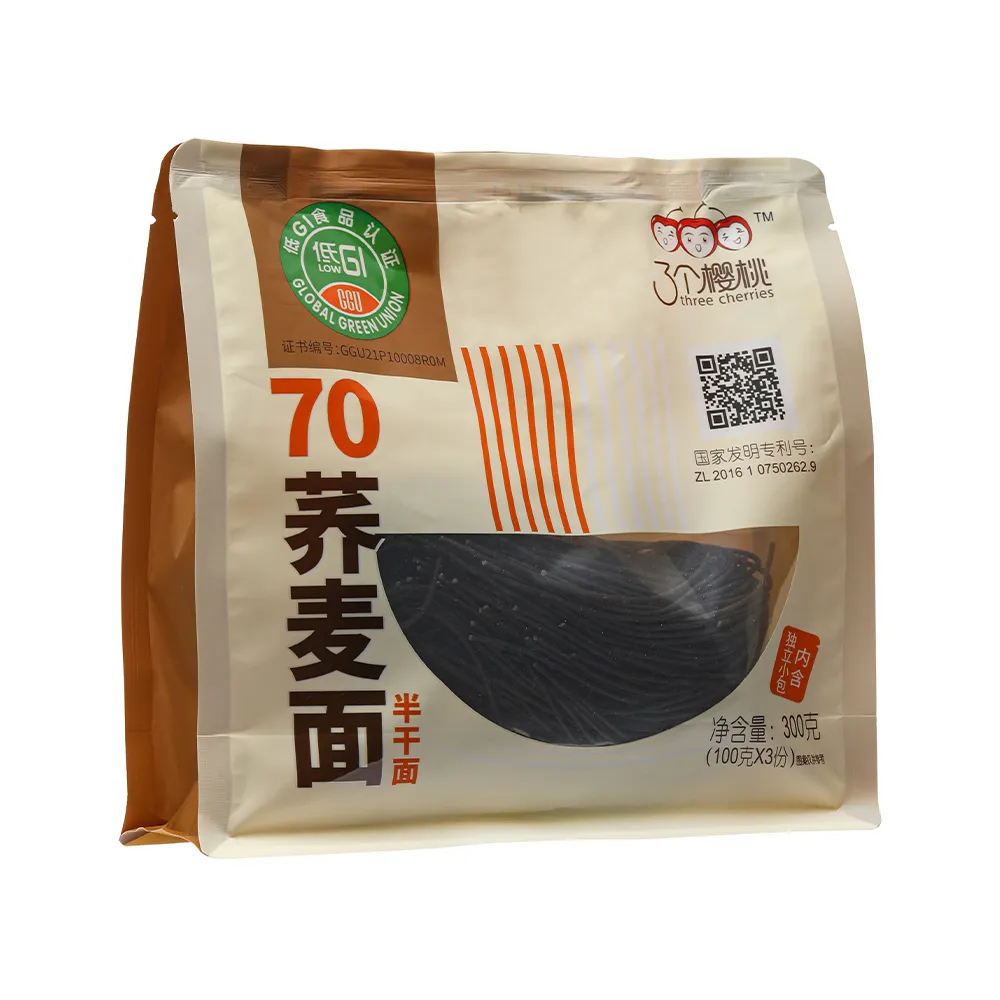

Why Choose Low GI70 Soba for Balanced Energy & Fiber?
A Buyer’s Guide to Low-GI Soba Noodles: What “GI70” Really Means and When to Use It
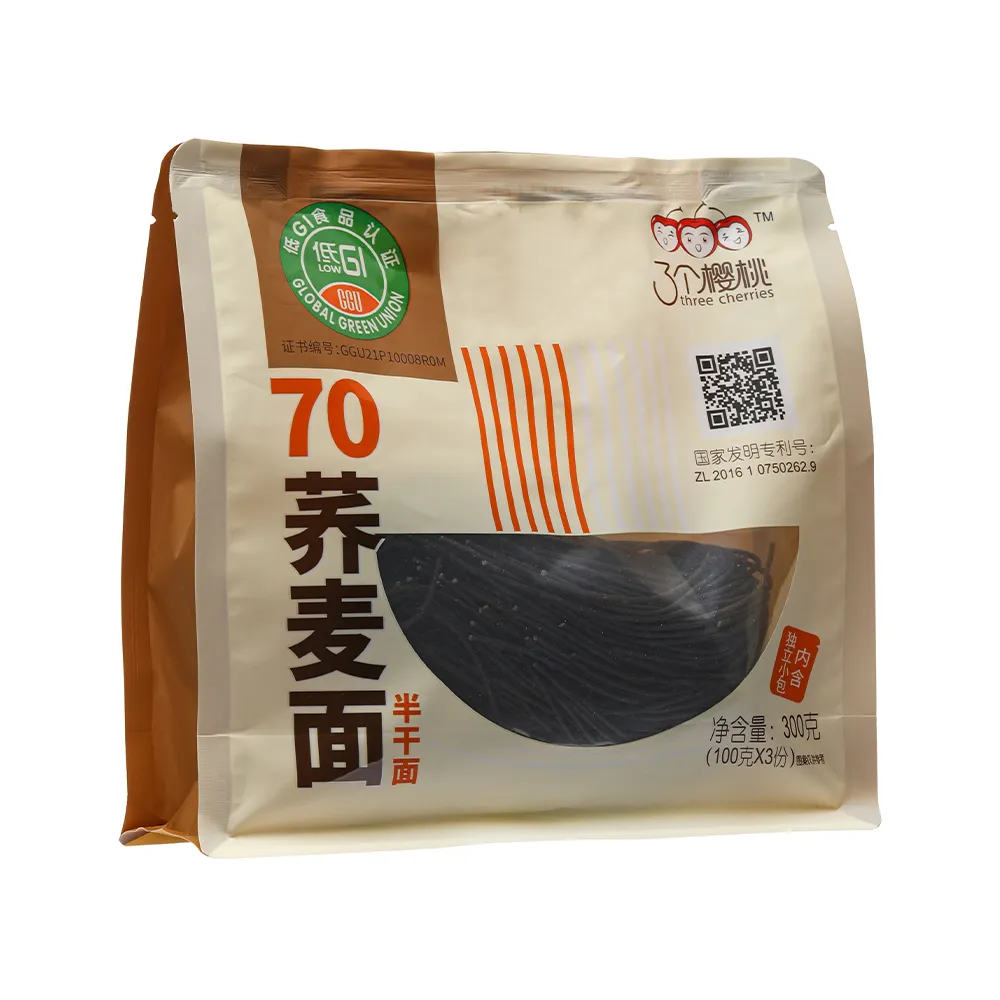
If you work in product sourcing or menu development, you’ve probably noticed the quiet surge of low- and moderated-GI staples in Asia and beyond. This is where Low GI70 soba enters the conversation—positioned for steady energy release, measured texture, and dependable shelf performance. It’s made in Oriental Food City, Longyao County, Xingtai City, Hebei Province, a region that’s built a reputation (quietly, but convincingly) for semi-dry noodle craft.
Industry trend check (and a quick reality note)
Global diners are asking for “sustained energy” carbs—athletes, office workers, even hospital catering. To be honest, the term “low GI” is sometimes used loosely in marketing. A GI around 70 sits near the higher end of the GI scale by ISO definitions, yet brands label it “GI70” to flag tested consistency instead of chasing ultra-low values. In practice, teams choose Low GI70 soba when they want reliable texture, decent fiber, and predictable digestion kinetics—without sacrificing the classic soba bite.
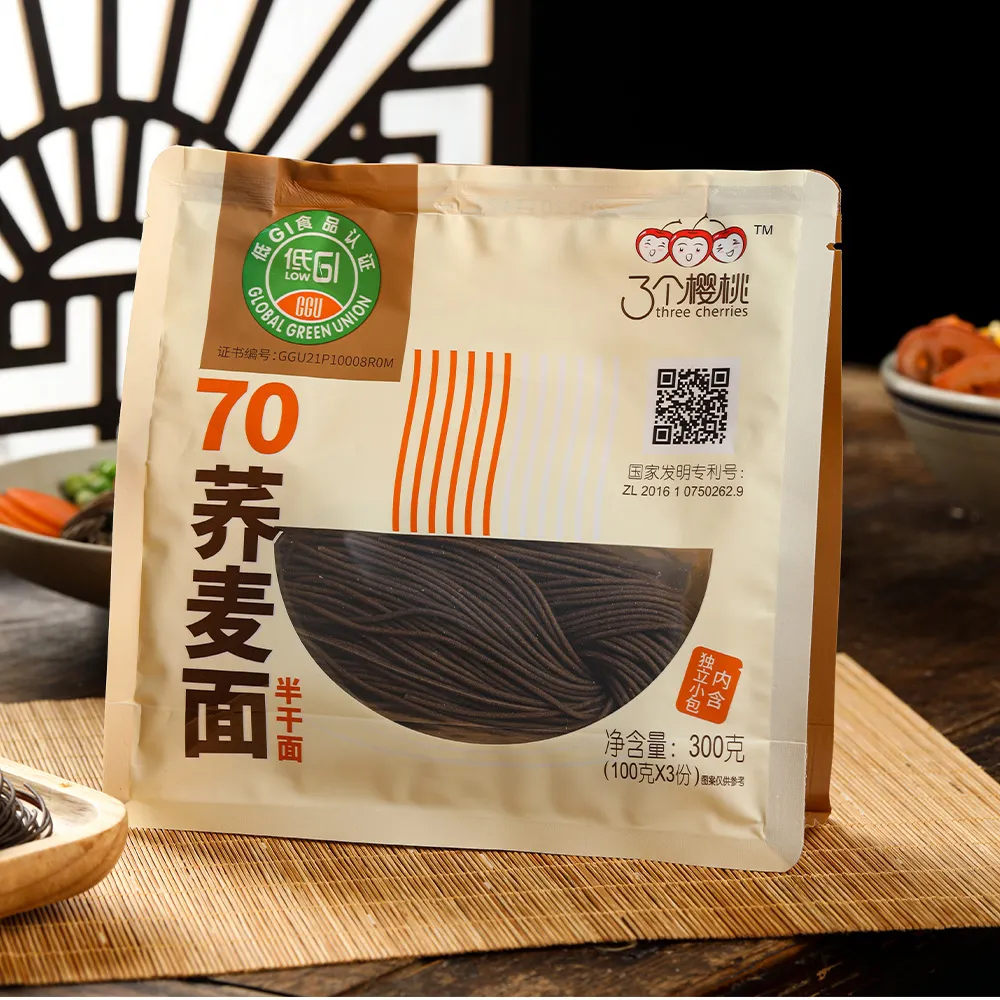
Product snapshot
| Product name | Low GI70 soba |
| Specification | 300 g per pack |
| Shelf life | ≈4 months at room temp; ≈8 months refrigerated (0–10°C) |
| Storage | Cool, dry place or 0–10°C refrigeration |
| Origin | Oriental Food City, Longyao County, Xingtai City, Hebei Province |
| Target GI (ISO method) | ≈70 (real-world use may vary by portion and pairing) |
From flour to fork: process and controls
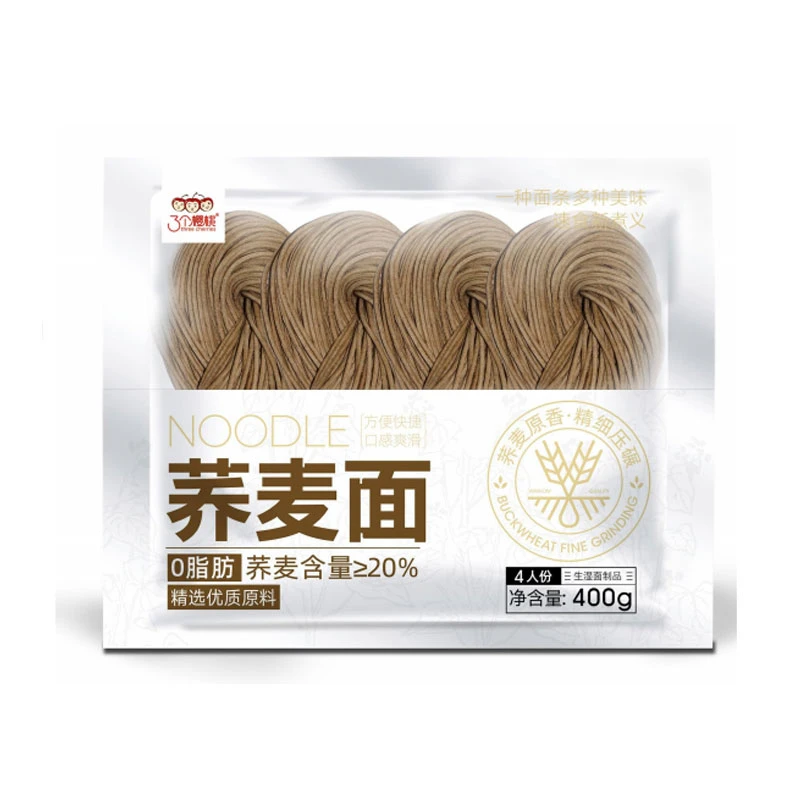
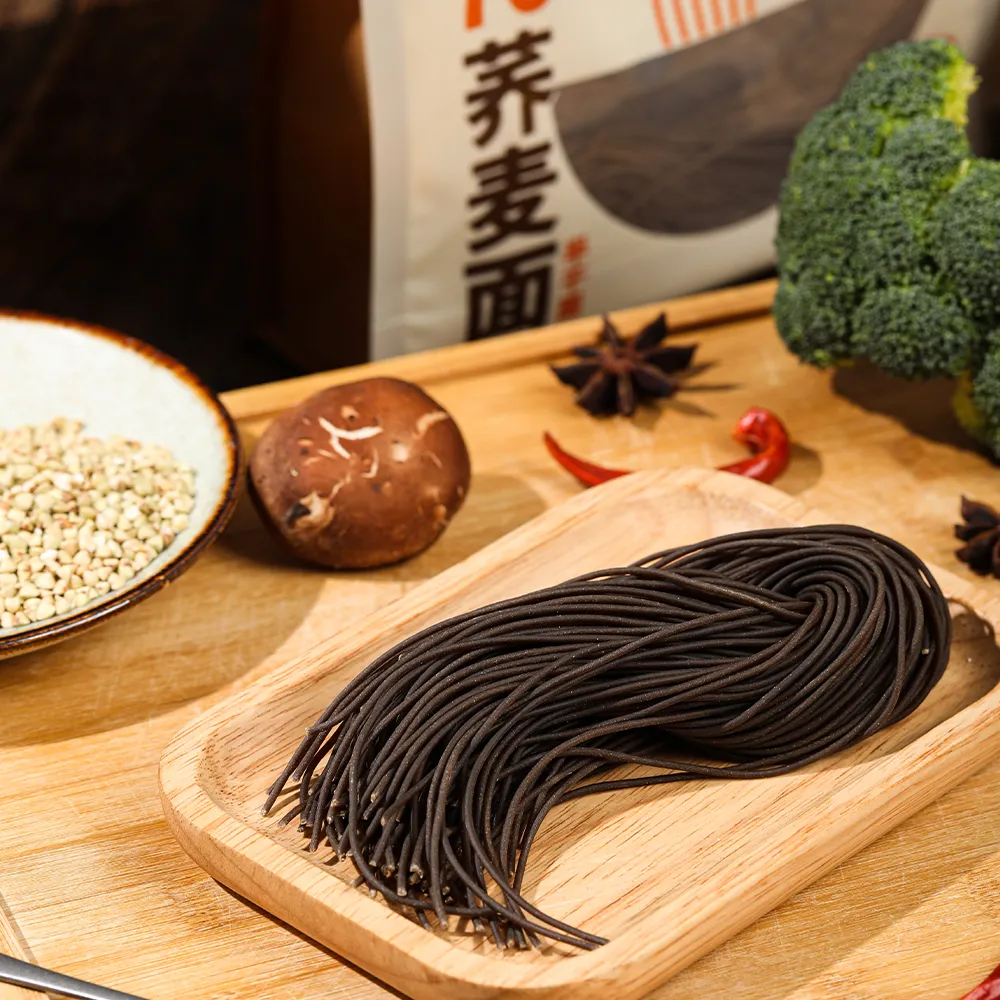
Materials: buckwheat-forward blend with supporting wheat flour for structure, potable water, and minimal functional salts (typical for soba). Methods: semi-dry noodle technology; low-temp drying (≈30–45°C) to preserve flavor and control Maillard browning; calibrated cut-width for chew. Testing: moisture ≤13% (typical), water activity checks, sensory texture panels, dietary fiber via AOAC 985.29, and GI determination to ISO 26642 with around 10 healthy subjects under controlled conditions. Service life: designed for short ambient cycles and extended chill chain. Industries: retail grocery, meal kits, QSR ramen/soba bars, airline catering, corporate and hospital canteens.
Application scenarios and advantages
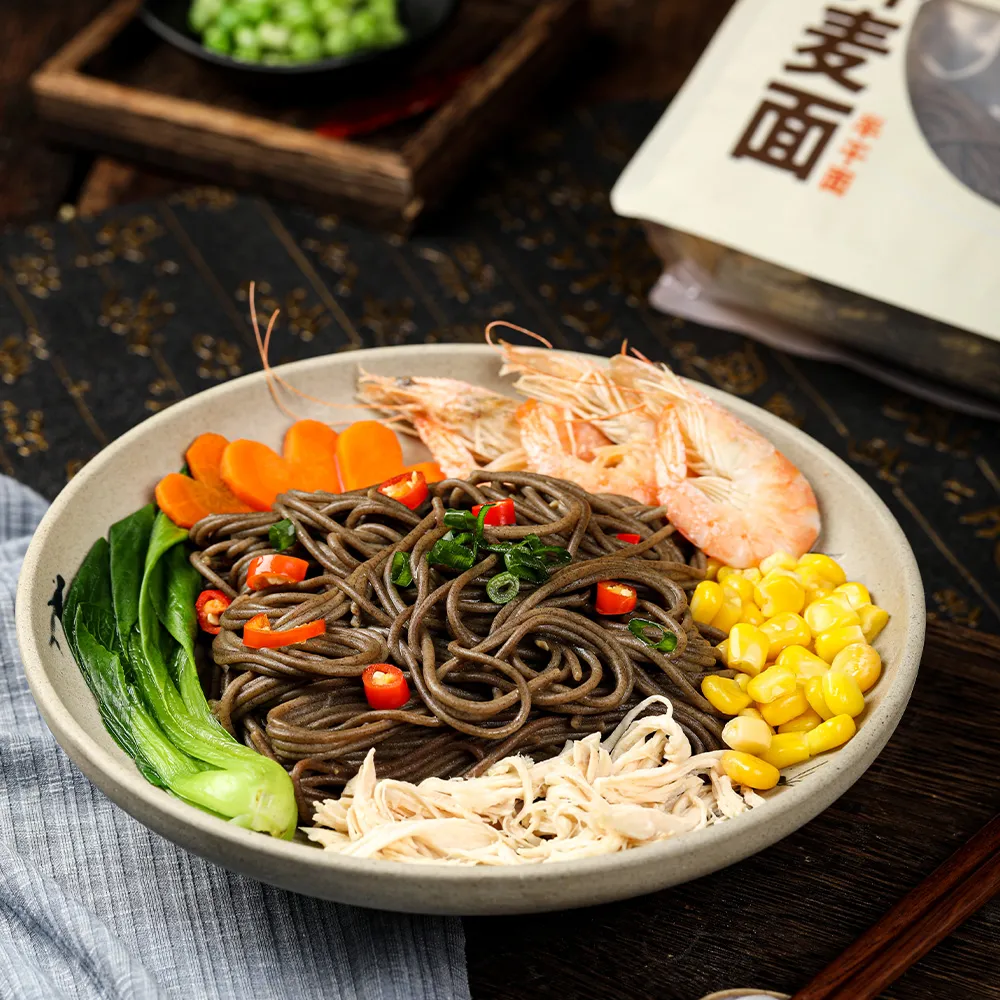
- Menu engineering: cold soba salads with edamame and sesame; hot bowls in dashi or miso; hybrid “power bowls.”
- Prep reliability: consistent hydration time; holds bite during service windows (I’ve seen 12–15 min pass with minimal sogging).
- Nutritional positioning: moderated-release carbs vs. refined noodles; pair with protein and fats for steadier glycemic response.
Small test set (n≈10) using ISO 26642: GI ≈68–72; fiber ≈6–8 g/100 g cooked portion (AOAC 985.29), protein ≈11–13% dry basis. Your outcome will depend on sauce and toppings—oil, vinegar, and protein shift the curve.
Vendor landscape (quick comparison)
| Vendor | GI target | Lead time | MOQ | Certs (claimed) | Notes |
|---|---|---|---|---|---|
| JX Semi‑Dry (Hebei) | ≈70 (ISO 26642) | 15–25 days | Negotiable | ISO 22000/HACCP (docs on request) | Good price-performance; private label friendly |
| Import Brand A | ≈65–75 | 30–45 days | 1–2 pallets | FSSC 22000 | Premium packaging; higher price |
| Artisanal B | Not stated | Small-batch | Cases only | Local GMP | Great flavor; variable supply |
Customization and documentation
- Cut width/thickness, salt level, carton spec, and private label artwork.
- Nutritional targets: fiber enrichment, buckwheat ratio tweaks (within texture limits).
- Docs typically available: ISO 22000/HACCP, COA per lot, allergen statement, Halal/Kosher where applicable. Always verify certificates’ validity and scope.
Mini case notes
- Campus canteen pilot: swapping in Low GI70 soba for lunchtime bowls saw fewer “post-meal crash” comments on feedback cards (anecdotal, but consistent).
- Meal-kit brand: chose Low GI70 soba for a chilled sesame-greens SKU due to dependable chilled hold and chew after 48-hour distribution.
Bottom line: if you need a soba that balances classic buckwheat character with GI consistency and service-friendly texture, Low GI70 soba is a pragmatic pick. Pair with protein and healthy fats to further moderate glycemic response—small menu tweaks can make a big difference.
Authoritative references
- ISO 26642:2010. Food products — Determination of the glycaemic index (GI) and recommendation for food classification.
- FAO/WHO Expert Consultation. Carbohydrates in human nutrition. FAO Food and Nutrition Paper 66, 1998.
- AOAC Official Method 985.29. Total Dietary Fiber in Foods.
- ISO 22000:2018. Food safety management systems — Requirements for any organization in the food chain.
-
Discover the Authentic Taste of Korean Buckwheat NoodlesNewsApr.16,2026
-
Discover the Refreshing Taste of Authentic Korean Cold SobaNewsApr.09,2026
-
Discover the Refreshing Taste of Korean Cold Buckwheat Noodles NaengmyeonNewsApr.07,2026
-
Discover the Cool and Refreshing World of Korean Buckwheat Noodles ColdNewsApr.04,2026
-
Discover the Refreshing Taste of Japanese Cold Buckwheat Noodles and Zaru SobaNewsMar.31,2026
-
Exploring the Delicious World of Chinese Style Cold NoodlesNewsMar.28,2026
-
Discover the Cool and Refreshing World of Korean Cold Soba NoodlesNewsMar.26,2026
Browse qua the following product new the we