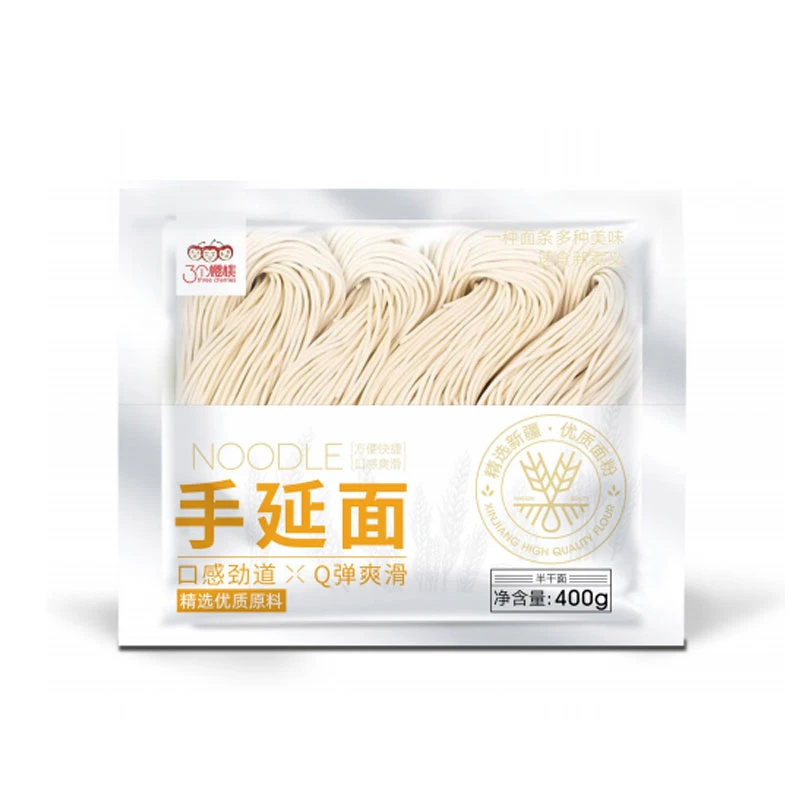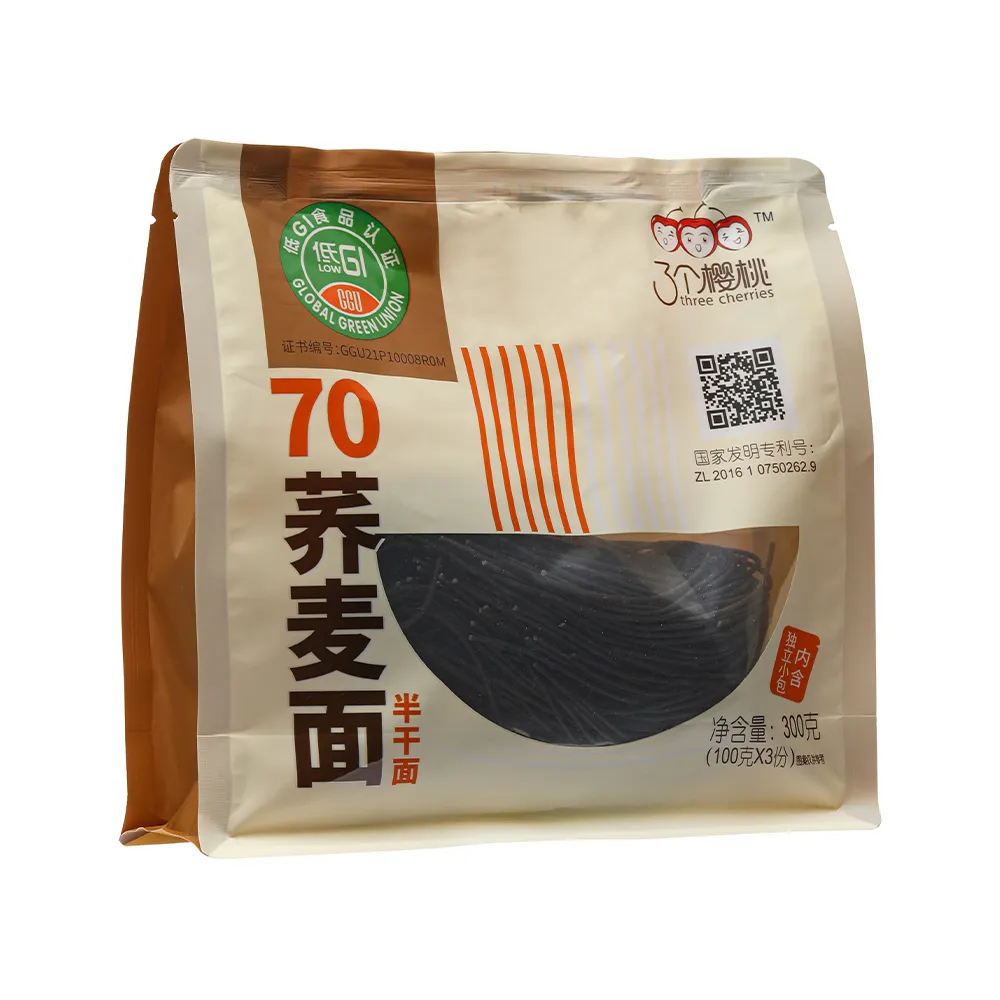

Oats Noodles for Diabetics: A Healthy, Low-Glycemic Alternative Pasta
Oats Noodles for Diabetics: A Deliciously Healthy Alternative
When it comes to managing diabetes, diet is often front and center, and that’s where oats noodles for diabetics come in. These noodles aren’t just a tasty twist on a staple food; they hold a global relevance that’s worth exploring. Why? Because millions worldwide struggle with blood sugar control, and foods that support stable glucose levels can make a real difference. Plus, oats noodles marry nutrition and culinary tradition in a way that benefits health without sacrificing flavor.
Global Context: Why Oats Noodles for Diabetics Matter
The World Health Organization reports that over 537 million adults worldwide live with diabetes today, a number that’s expected to rise sharply. This epidemic touches all corners of the globe and has pushed the food industry to innovate with products tailored to diabetic needs. Oats noodles, rich in beta-glucan fiber, have emerged as an appealing choice—a functional food that slows sugar absorption and improves insulin sensitivity.
Yet, challenges remain. Traditional pasta and noodles often have a high glycemic index, spiking blood sugar. This is where oats noodles for diabetics shine: they offer a scientifically supported alternative that aligns with dietary recommendations from institutions such as the International Diabetes Federation.
What Are Oats Noodles for Diabetics?
Simply put, oats noodles are pasta-like products made primarily from oat flour or oat bran, designed specifically to suit diabetic dietary needs. Unlike white flour noodles, oats noodles harness the natural soluble fibers and antioxidants found in oats, which modulate blood sugar levels more favorably. In real terms, these noodles are a smart fusion of nutrition science and culinary tradition, reflecting a growing trend towards healthier, functional carbs in the market.
Key Factors Behind Oats Noodles for Diabetics
1. Glycemic Control
The most critical feature: oats noodles typically have a low to moderate glycemic index thanks to beta-glucan, a soluble fiber that slows digestion and glucose absorption. This means they keep blood sugar spikes in check, vital for diabetes management.
2. Nutritional Profile
Beyond fiber, oats noodles boast a good balance of protein, vitamins (like B-complex), and minerals such as iron and magnesium. These nutrients contribute not just to blood sugar regulation but overall metabolic health.
3. Taste and Texture
Oddly enough, many people expect alternative noodles to taste bland or be overly “healthy” in a boring way—but well formulated oats noodles maintain pleasant textures and flavors, making them a sustainable pantry staple for everyday meals.
4. Accessibility and Cost Efficiency
Producing oats noodles can often be done cost-effectively, which is quite a plus in regions where diabetic-friendly foods are scarce. Whether for local markets or humanitarian programs, affordability matters.
5. Scalability and Shelf Life
Thanks to modern manufacturing and packaging techniques, oats noodles can be scaled for large production and have decent shelf stability without preservatives — perfect for distribution worldwide.
Product Specification: Example of a Quality Oats Noodle
| Specification | Details |
|---|---|
| Primary Ingredient | Whole oat flour (60%) and brown rice flour (40%) |
| Glycemic Index | About 42 (Low GI) |
| Fiber Content | 7g per 100g serving |
| Calories | ~350 kcal per 100g |
| Shelf Life | 12 months, unopened |
Global Applications & Use Cases
From urban health-conscious consumers in Europe to diabetes care programs in Asia, oats noodles find a home across continents. In Southeast Asia, where noodles are a dietary pillar, oats noodles help incorporate fiber and control sugar spikes without altering familiar meal routines. NGOs working in diabetic support leverage these noodles as part of food aid packages, symbolizing a practical, culturally appropriate innovation. Oddly enough, even some diabetic culinary workshops in North America use oats noodles to encourage variety and sustained adherence to healthy diets.
Production hubs for oats noodles include China, India, and parts of Europe, where modern food tech merges with traditional culinary know-how—resulting in products that align well with evolving dietary guidelines.
Vendor Comparison Table
| Vendor | GI Range | Fiber (g/100g) | Price (USD/kg) | Packaging Size |
|---|---|---|---|---|
| HealthyGrains Co. | 40-45 | 6.8 | $4.50 | 500g, 1kg |
| DiabeNoodle Ltd. | 38-42 | 7.2 | $5.20 | 250g, 500g |
| OatWell Foods | 42-48 | 6.5 | $4.00 | 1kg |
Advantages & Long-Term Value
What stands out with oats noodles is not just the nutrition, but the broader impact. They often cost less than specialized diabetic foods, making healthy choices more accessible. Their sustainable production aligns with global goals like the UN’s Sustainable Development Goals, especially concerning responsible consumption and health promotion.
Emotionally, users often report a sense of well-being from eating oats noodles – they feel nourishing, whole, and familiar, which encourages ongoing adherence to healthier diets. Further, manufacturers’ trustworthiness adds to consumer confidence, ensuring demand longevity.
Future Trends & Innovations
Looking ahead, oats noodles could get even better. Innovations such as enriched formulations incorporating protein isolates, or the use of organic and non-GMO oat varieties, are underway. Sustainability-wise, producers explore low-water-use crops and regenerative agriculture. Digitally, blockchain is popping up in supply chains, enhancing transparency for diabetic consumers.
Challenges & Solutions
One challenge? Some consumers may find oats noodles less familiar or too different from traditional wheat pasta. That’s where recipe innovation and education come in. Also, allergy considerations (gluten cross-contamination in oats) require careful sourcing and certification.
Innovative approaches include blended flours for better texture, and partnerships with diabetic advocacy groups to drive awareness and availability. Frankly, breaking dietary habits is never easy, but oats noodles offer a promising bridge.
FAQs: Oats Noodles for Diabetics
- Q: Are oats noodles safe for all types of diabetes?
A: Generally yes. Oats noodles’ low glycemic impact suits both type 1 and type 2 diabetes, but individuals should always consult healthcare providers as part of their personal meal plans. - Q: How do oats noodles compare to regular wheat noodles in blood sugar impact?
A: Oats noodles usually have a significantly lower glycemic index, meaning they slow sugar release and help avoid spikes common with refined wheat noodles. - Q: Can oats noodles be used in traditional noodle dishes without altering taste much?
A: Yes! Many cooks find oats noodles adaptable in soups, stir-fries, or cold salads, with only a subtle difference in texture and flavor. - Q: Where can I buy quality oats noodles?
A: Leading vendors include HealthyGrains Co., DiabeNoodle Ltd., and OatWell Foods. Online platforms and specialty stores often carry these. Visit oats noodles for diabetics for trusted options.
In Conclusion
Oats noodles for diabetics are not just a passing trend—they represent a thoughtful solution merging nutritional science and cultural foodways. They make managing blood sugar a bit easier, more enjoyable, and importantly, accessible. If you or your organization seek reliable, healthy, tasty options, explore oats noodles. Frankly, it feels like a smart, sustainable step forward in diabetic nutrition.
Find out more and join the health-conscious worldwide embracing oats noodles at https://www.jxsemidrynoodles.com.
Mini takeaway: For diabetics seeking staples that combine taste, health, and science—all roads lead to oats noodles.
References:
1. International Diabetes Federation (IDF). Diabetes Atlas, 10th Edition.
2. World Health Organization. Global Report on Diabetes, 2016.
3. ISO 22000 Food safety management standards.
-
Discover the Authentic Taste of Korean Buckwheat NoodlesNewsApr.16,2026
-
Discover the Refreshing Taste of Authentic Korean Cold SobaNewsApr.09,2026
-
Discover the Refreshing Taste of Korean Cold Buckwheat Noodles NaengmyeonNewsApr.07,2026
-
Discover the Cool and Refreshing World of Korean Buckwheat Noodles ColdNewsApr.04,2026
-
Discover the Refreshing Taste of Japanese Cold Buckwheat Noodles and Zaru SobaNewsMar.31,2026
-
Exploring the Delicious World of Chinese Style Cold NoodlesNewsMar.28,2026
-
Discover the Cool and Refreshing World of Korean Cold Soba NoodlesNewsMar.26,2026
Browse qua the following product new the we