
Cooked Soba Noodles: Global Trends, Benefits, and Innovations
What Makes Cooked Soba Noodles a Global Culinary Staple?
At first glance, cooked soba noodles might just seem like a humble dish—thin, buckwheat-based noodles served cold, hot, or in broth. But zoom out a little, and you’ll realize these noodles play a surprisingly important role in cultural exchange, nutrition, and even sustainability discussions worldwide. Understanding the significance of cooked soba noodles isn’t just about appreciating a tasty meal; it also tells a story about health trends, agricultural practices, and food industry innovation across various countries.
Globally, demand for healthier, gluten-free, and plant-based food options has surged, making soba a buzzword beyond Japan where it originated. Plus, as supply chains get more interconnected, cooked soba noodles appear more frequently on menus as a versatile, nutritious staple. So why should this matter? Well, in today’s world where nutritious food accessibility is critical, cooked soba noodles represent a nexus of tradition and modern need—balancing cultural heritage with efficient production and dietary benefits.
Mini takeaway: Cooked soba noodles are more than just a dish; they're an evolving symbol of global nutrition and food innovation.
The Rise of Cooked Soba Noodles in a Global Context
According to FAO statistics, over the last decade, buckwheat production has seen consistent growth in Asia and parts of Europe due to health-conscious consumer trends. Japan alone consumes roughly 100,000 tons of soba noodles annually, but exports have steadily increased especially to North America and parts of Europe.
Meanwhile, the World Bank notes a global increase in demand for alternative grains, which are considered more resilient against climate change effects than staple wheat or rice. Cooked soba noodles stand to benefit from this shift, being a buckwheat-based product that is high in protein, fiber, and low in calories.
But here’s the challenge: mass-producing cooked soba noodles while retaining their delicate texture and nutritional value does require innovation in food processing and supply chain logistics.
Mini takeaway: Increasing global demand and climate challenges push cooked soba noodles into the spotlight for sustainable food solutions.Definition & Meaning: What Exactly Are Cooked Soba Noodles?
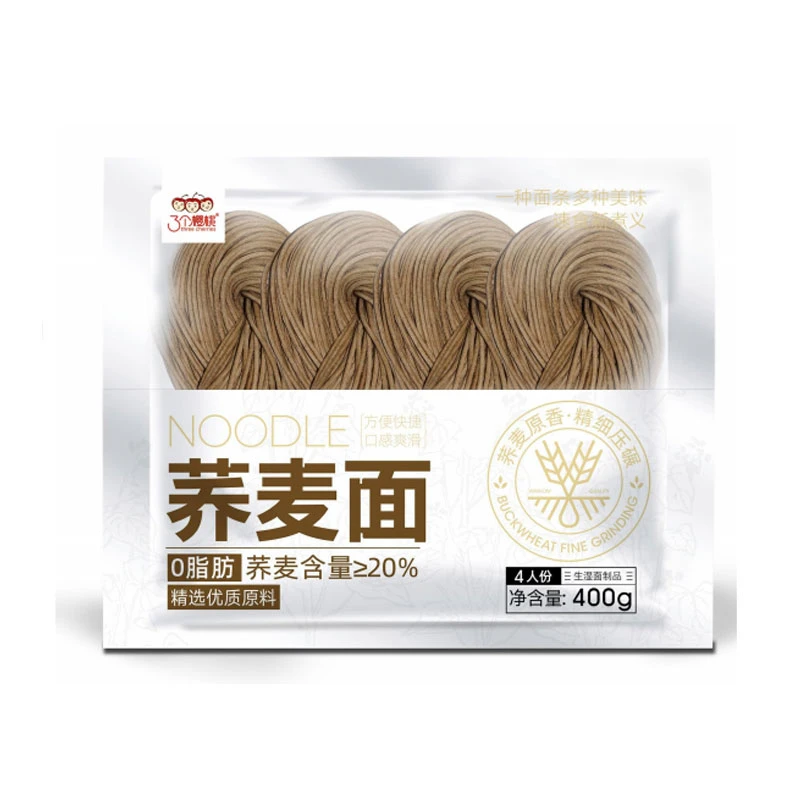
Simply put, cooked soba noodles are thin noodles made predominantly from buckwheat flour, boiled or steamed until tender, then served either chilled with dipping sauce or warm in broth. While traditionally Japanese, modern soba noodles adopt variations in flour blends and preparation methods worldwide.
The term 'soba' literally translates to "buckwheat," highlighting the primary ingredient. Because buckwheat is gluten-free, cooked soba noodles appeal to people avoiding gluten but looking for hearty noodles. Beyond culinary use, soba connects to sustainable agriculture, as buckwheat crops enrich the soil and require less pesticide.
In modern food industry terms, cooked soba noodles also tie into ready-to-eat products, convenience foods, and nutrition-first meal design—critical for busy urban lifestyles and humanitarian food programs alike.
Mini takeaway: Cooked soba noodles represent a delicious intersection of traditional food culture and evolving global dietary needs.Key Factors Shaping the Quality and Appeal of Cooked Soba Noodles
1. Flour Composition and Texture
The buckwheat-to-wheat flour ratio largely determines the texture and flavor. Pure buckwheat gives a stronger nutty taste but can be brittle, so a blend (typically 80:20) delivers elasticity and cooking ease.
2. Cooking Technique
Time and temperature are everything. Overcooking risks mushiness; undercooking leaves toughness. Producers often use precise thermal controls or steaming methods to lock in consistency with each batch.
3. Shelf Life and Packaging
Cooked soba noodles can be tricky to keep fresh. Modern vacuum-sealed or modified atmosphere packaging extends shelf life, important for export markets or ready-meal kits.
4. Nutritional Value
Being rich in protein, manganese, and antioxidants, cooked soba noodles serve well in health-conscious diets, low-GI regimens, or plant-based meal plans. This is a big part of their rising global popularity.
5. Culinary Versatility
Cold soba is great for summer refreshment, warm bowls soothe in winters, and their neutral flavor profile makes them perfect for fusion dishes ranging from noodle salads to stir-fries.
Mini takeaway: Several factors from ingredient blend to packaging technology determine why cooked soba noodles have become a reliable global pantry staple.Cooked Soba Noodles in Action: Global Applications & Use Cases
From Tokyo’s ramen shops to New York’s vegan cafes, soba noodles fill many plates. Here are a few real-world snapshots:
- Japan & East Asia: Core to traditional meals, soba is consumed in ceremonies and everyday dining.
- USA & Europe: Health-food markets and Asian fusion restaurants are prime adopters.
- Disaster Relief and Humanitarian Food Programs: Due to easy cooking and nutrition density, cooked soba noodles are becoming a compact emergency food pack favorite.
- School & Corporate Cafeterias: Used to offer gluten-free, whole-grain meal options at scale.
For example, in post-earthquake zones, NGOs have creatively used precooked soba as nutrient-dense, shelf-stable rations delivered efficiently without refrigeration.
Mini takeaway: The adaptability and nutrition of cooked soba noodles make them useful from gourmet settings to emergency relief efforts worldwide.Advantages & Long-Term Value of Cooked Soba Noodles
What’s compelling is not just the flavor but the stacked benefits:
- Cost Efficiency: Buckwheat crops often require fewer inputs than wheat or rice, lowering raw material costs.
- Sustainability: Buckwheat replenishes soil nutrients and reduces chemical demands.
- Nutrition: High fiber and protein content boost satiety and overall health.
- Social Impact: Encourages traditional farmers while embracing modern supply chains.
- Reliability: Shelf-stable forms reduce spoilage and waste.
Emotionally, cooked soba noodles feel like a link between past and present, comfort food with a conscience. You’re literally eating something that respects both taste buds and planet.
Mini takeaway: Cooked soba noodles offer a rare combination of economic, ecological, nutritional, and social benefits.Looking Ahead: Future Trends & Innovations Around Cooked Soba Noodles
Innovation isn’t pausing. Food scientists and manufacturers are exploring:
- Biofortification: Enhancing buckwheat with vitamins or minerals to boost health impact.
- Sustainable Packaging: Compostable wraps and vacuum technologies to reduce plastic waste.
- Automation: Smarter machines producing perfectly cooked and portioned soba at scale.
- Recipe Customization: AI-driven recipe apps suggesting soba dishes personalized to taste and dietary needs.
Plus, regulatory movements towards clean-label and organic certifications mean quality standards will rise and prices may shift, benefiting conscious consumers.
Mini takeaway: The cooked soba noodle industry is embracing green tech, better nutrition science, and digital customer engagement.Challenges in Cooked Soba Noodle Production & How They’re Overcome
Despite the promise, a few hiccups remain:
- Fragility of Buckwheat: Without gluten, noodles can break easily. Solution: pre-blending with wheat or innovative binding ingredients.
- Consistency in Mass Production: Manual methods produce better texture but lack scale. Solution: precision cooking robots and quality sensors.
- Short Shelf Life: Cooked noodles spoil fast. Solution: advanced packaging like vacuum-sealed pouches and refrigerated supply chains.
- Consumer Awareness: Outside Asia, many still don’t know about soba benefits. Solution: marketing campaigns collaborating with chefs and influencers.
Honestly, it feels like the whole industry is balancing the age-old craft with ultra-modern science. But that’s part of the charm.
Mini takeaway: Production challenges spark creativity—leading to improved quality and global reach for cooked soba noodles.Specifications of a Typical Premium Cooked Soba Noodle Product
| Specification | Details |
|---|---|
| Flour Ratio | 80% Buckwheat, 20% Wheat |
| Cooking Method | Boiled, then chilled with cold rinsing |
| Shelf Life | 15 days refrigerated, 6 months vacuum packed frozen |
| Packaging | Vacuum-sealed, BPA-free plastic pouch |
| Nutritional Info (per 100g) | 120 kcal, 5g Protein, 2g Fiber, 0.5g Fat |
| Origin | Japan / Select Asian Countries |
Vendor Comparison: Leading Cooked Soba Noodle Producers
| Vendor | Price Range (per kg) | Sourcing | Certifications | Distribution |
|---|---|---|---|---|
| SobaFresh Co. | $12 - $15 | Japan (Hokkaido) | Organic, Gluten-Free | Worldwide Express Shipping |
| NoodleCraft Ltd. | $10 - $13 | China / Korea | ISO 22000, Kosher | Asia-Pacific Focus |
| Buckwheat Delights | $14 - $17 | Europe (France) | EU Organic, Fair Trade | Europe & North America |
FAQ: Common Questions About Cooked Soba Noodles
1. Are cooked soba noodles gluten-free?
Pure buckwheat noodles are gluten-free, but many cooked soba noodles blend buckwheat with wheat flour to improve texture, so they may contain gluten. Always check ingredient labels if you have gluten sensitivities or celiac disease.
2. How long do cooked soba noodles last in the fridge?
Typically, refrigerated cooked soba noodles kept in airtight containers last up to 3–5 days before quality deteriorates, though vacuum packaging can extend this to around 2 weeks.
3. Can cooked soba noodles be used for meal prepping?
Absolutely. Their quick cooking and neutral taste make cooked soba noodles a favorite base for salads, stir-fries, and bowls. Just be mindful of storage—cool and seal promptly.
4. What’s the best way to reheat cooked soba noodles?
The ideal method is briefly blanching in hot water or microwaving with a splash of water to prevent drying out. Avoid prolonged heat to keep the texture intact.
5. Where can I buy quality cooked soba noodles for export?
You can source from specialized producers with certifications like organic or ISO 22000; vendors like cooked soba noodles suppliers provide bulk options suitable for international shipping.
Conclusion & Next Steps
Whether you’re a chef, food distributor, or just a noodle lover, cooked soba noodles offer a winning mix of tradition, nutrition, and sustainability that’s increasingly valued worldwide. Thanks to advances in production and packaging, this versatile food is easier than ever to enjoy globally—fresh, convenient, and packed with wholesome goodness.
Curious to explore more? Visit our website: https://www.jxsemidrynoodles.com for recipes, bulk orders, and the latest product innovations.
References
-
Discover the Authentic Taste of Korean Buckwheat NoodlesNewsApr.16,2026
-
Discover the Refreshing Taste of Authentic Korean Cold SobaNewsApr.09,2026
-
Discover the Refreshing Taste of Korean Cold Buckwheat Noodles NaengmyeonNewsApr.07,2026
-
Discover the Cool and Refreshing World of Korean Buckwheat Noodles ColdNewsApr.04,2026
-
Discover the Refreshing Taste of Japanese Cold Buckwheat Noodles and Zaru SobaNewsMar.31,2026
-
Exploring the Delicious World of Chinese Style Cold NoodlesNewsMar.28,2026
-
Discover the Cool and Refreshing World of Korean Cold Soba NoodlesNewsMar.26,2026
Browse qua the following product new the we