
Chinese Knife Cut Noodles: Tradition Meets Modern Food Industry Innovation
The Art and Industry of Chinese Knife Cut Noodles
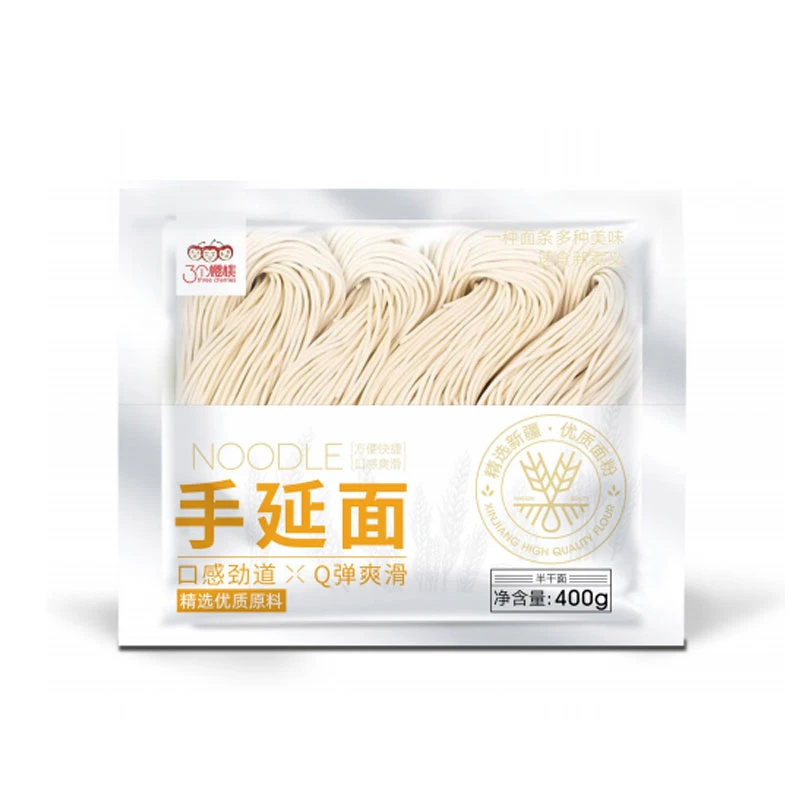
Chinese knife cut noodles, known traditionally as “dao xiao mian,” hold a fascinating place both in culinary culture and, oddly enough, in global food manufacturing and export. These hand-cut noodles are not just a comfort food staple but have gained attention worldwide for their unique texture, artisanal craftsmanship, and potential in large-scale food industry applications. Understanding these noodles is more than a delicious dive into Chinese gastronomy; it’s about appreciating a food form that intersects tradition, technology, and economy.
Why Chinese Knife Cut Noodles Matter Globally
The world’s appetite for Asian cuisine keeps growing, with Chinese noodles taking prominent roles. According to the United Nations Food and Agriculture Organization (FAO), noodles and pasta products see steady growth in global consumption — making these noodles not only cultural treasures but essential commodities to many economies. Chinese knife cut noodles, in particular, represent a synthesis of artisanal technique and scalable food production, helping address challenges like efficient manufacturing, preservation of authentic taste, and nutritional needs. This makes them highly relevant for food companies, export markets, and even humanitarian food supplies.
What Exactly Are Chinese Knife Cut Noodles?
Simply put, these noodles are thin slices cut directly from a block of dough using a sharp knife. Unlike extruded or rolled noodles, knife cut noodles feature an uneven texture and irregular thickness — that’s part of their charm and chewiness. Traditionally made by hand on the spot, modern adaptations involve semi-automated cutting machines that preserve the artisanal feel but enable mass production. They're typically wheat-based, sometimes with alkaline water (kan sui) giving that slight yellowish hue and springy texture.
Key Characteristics of Chinese Knife Cut Noodles
1. Texture and Mouthfeel
The uneven thickness and edges provide excellent bite and a chewy yet tender mouthfeel. Compared to machine-extruded noodles, knife cut noodles offer a more varied texture, which frankly elevates simple soup or stir-fry dishes.
2. Manufacturing Flexibility
While artisanal production is slow and labor-intensive, modern semi-automated machines replicate the cutting action ensuring batch consistency. This aids commercial-sized production without losing the “handmade” feel.
3. Ingredient Adaptability
They can be made with different wheat flours or incorporated with additives like spinach or chili powder to create innovative varieties — a boon for product developers.
4. Storage and Shelf Life
Fresh knife cut noodles have short shelf life, which can be extended using freezing or dehydration. Advancements in packaging help maintain freshness during export.
Chinese Knife Cut Noodles in the Real World
In China and East Asia, you’ll find these noodles in street stalls, home kitchens, and high-end restaurants alike. Beyond that, in global export markets such as Southeast Asia, North America, and Europe, demand for authentic Chinese knife cut noodles is escalating.
Manufacturers and distributors are now catering to foodservice industries, retail supermarkets, and even airline catering services. Oddly enough, some humanitarian food programs are exploring knife cut noodles as part of ready-to-cook meals due to their quick preparation and comforting appeal.
Product Specification Table: Typical Knife Cut Noodles
| Specification | Details |
|---|---|
| Ingredients | Wheat flour, water, salt, alkaline agent (optional) |
| Noodle Width | 3-5 mm (varies due to knife cutting) |
| Cooking Time | 2-4 minutes (fresh), 6-8 minutes (frozen) |
| Shelf Life | Fresh: 2 days refrigerated; Frozen: 3-6 months |
| Packaging | Vacuum-sealed plastic, frozen packs, or dehydrated packets |
Mini takeaway: The combination of traditional hand-cut techniques with modern manufacturing advances keeps Chinese knife cut noodles both authentic and scalable, ideal for global markets.
Comparing Leading Chinese Knife Cut Noodle Vendors
| Vendor | Production Capacity | Product Range | Export Markets | Certifications |
|---|---|---|---|---|
| Jiangxi Noodle Co. | 10 tons/day | Fresh, frozen, flavored | Asia, Europe, N. America | ISO 22000, HACCP |
| Shandong Knife Noodles | 15 tons/day | Traditional fresh only | China, Southeast Asia | ISO 9001 |
| Guangdong Noodle Makers | 8 tons/day | Fresh, dehydrated | Asia, Middle East | HACCP |
Advantages and Long-Term Value of Chinese Knife Cut Noodles
- Authenticity & Taste: The unique irregular texture creates a chewiness that mass-produced noodles struggle to mimic.
- Customization: Easy to tweak dough recipes for dietary needs, flavors, or fortification.
- Economic Viability: Semi-automated production balances artisanal value with commercial output, reducing costs.
- Sustainability: Many producers are adopting greener ingredient sourcing and eco-friendly packaging.
- Social Impact: Supporting traditional craft keeps regional economies vibrant and maintains cultural heritage.
So when you savor a bowl of chinese knife cut noodles, you’re not just enjoying dinner. You’re experiencing history, innovation, and community all in one slurp.
Emerging Trends & Future Innovation
In the noodle world, innovation comes slowly but surely. Companies are exploring:
- Automation Enhancements: AI-driven cutting machines that better simulate hand motion.
- Functional Ingredients: Adding health-promoting elements like probiotics or adaptogens.
- Green Packaging: Biodegradable films replacing plastics to reduce waste.
- Digital Traceability: Blockchain tech ensuring ingredient origin transparency for food safety.
Challenges and Solutions
Despite its charm, producing knife cut noodles at scale isn’t without hurdles:
- Quality Consistency: Irregular cuts can produce uneven cooking; calibration of cutting blades is vital.
- Shelf-life Constraints: Fresh noodles spoil quickly, so cold chain logistics are expensive and complex.
- Small Producer Barriers: Many artisans lack resources to automate or export effectively.
Solutions involve investment in affordable mid-scale machinery, expanded frozen-storage infrastructure, and cooperative export programs that bolster small producers’ market reach.
FAQ: Frequently Asked Questions About Chinese Knife Cut Noodles
- Q: How do Chinese knife cut noodles differ from regular noodles?
- A: The key difference is the cutting method. Knife cut noodles are sliced directly from a dough block, giving them uneven thickness and a chewy texture, unlike regular dough-pressed or extruded noodles that are more uniform.
- Q: Can Chinese knife cut noodles be frozen without losing quality?
- A: Yes, freezing is commonly used to extend shelf life, and if done correctly, noodles retain much of their texture and taste after cooking.
- Q: Are knife cut noodles gluten-free options available?
- A: Traditional knife cut noodles use wheat flour and contain gluten. However, some manufacturers are experimenting with rice or other flours for gluten-free alternatives, but the texture differs.
- Q: What is the best way to cook these noodles for home use?
- A: A quick boil of 2-4 minutes in plenty of water is ideal for fresh noodles. Frozen versions may take a couple of minutes longer.
- Q: How can small businesses export knife cut noodles internationally?
- A: Partnering with export experts, ensuring compliance with target country food regulations, and investing in proper packaging and cold transportation are key steps. Organizations like local trade groups can assist here.
Conclusion: Savoring Tradition with an Eye on Tomorrow
Chinese knife cut noodles are more than just food — they’re a living tradition adapting to modern needs and markets. Their combination of distinctive texture, customizable production techniques, and growing global demand cements their place in the global noodle pantheon.
If you’re curious about diving deeper into Chinese knife cut noodles, their production, or sourcing for your business, visit https://www.jxsemidrynoodles.com for detailed insights and product inquiries.
In real terms, these noodles offer a delicious bridge between tradition and industry — and frankly, that’s a pretty tasty future.
References
-
Discover the Authentic Taste of Korean Buckwheat NoodlesNewsApr.16,2026
-
Discover the Refreshing Taste of Authentic Korean Cold SobaNewsApr.09,2026
-
Discover the Refreshing Taste of Korean Cold Buckwheat Noodles NaengmyeonNewsApr.07,2026
-
Discover the Cool and Refreshing World of Korean Buckwheat Noodles ColdNewsApr.04,2026
-
Discover the Refreshing Taste of Japanese Cold Buckwheat Noodles and Zaru SobaNewsMar.31,2026
-
Exploring the Delicious World of Chinese Style Cold NoodlesNewsMar.28,2026
-
Discover the Cool and Refreshing World of Korean Cold Soba NoodlesNewsMar.26,2026
Browse qua the following product new the we