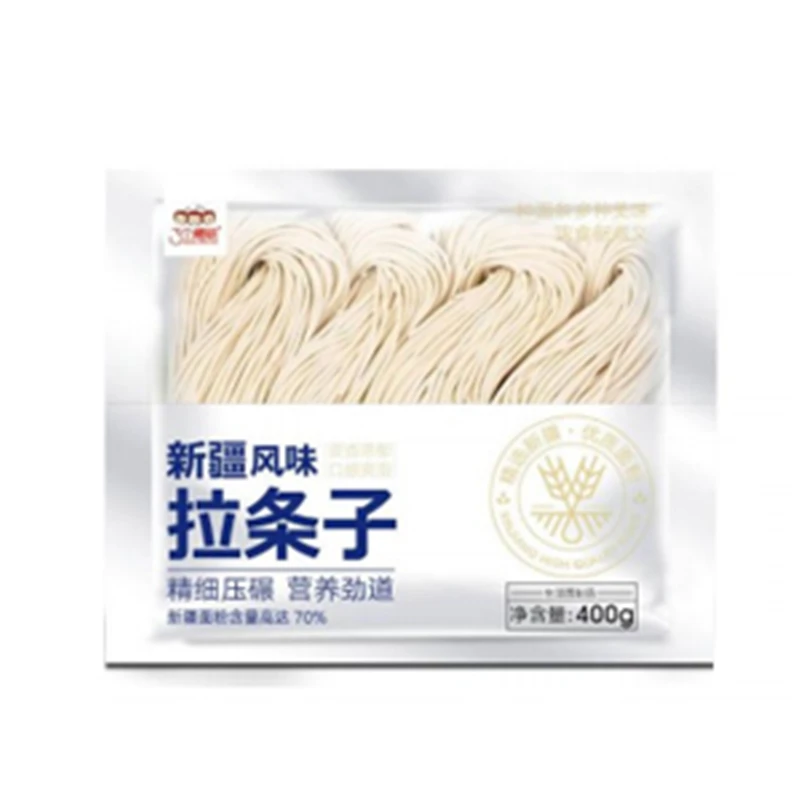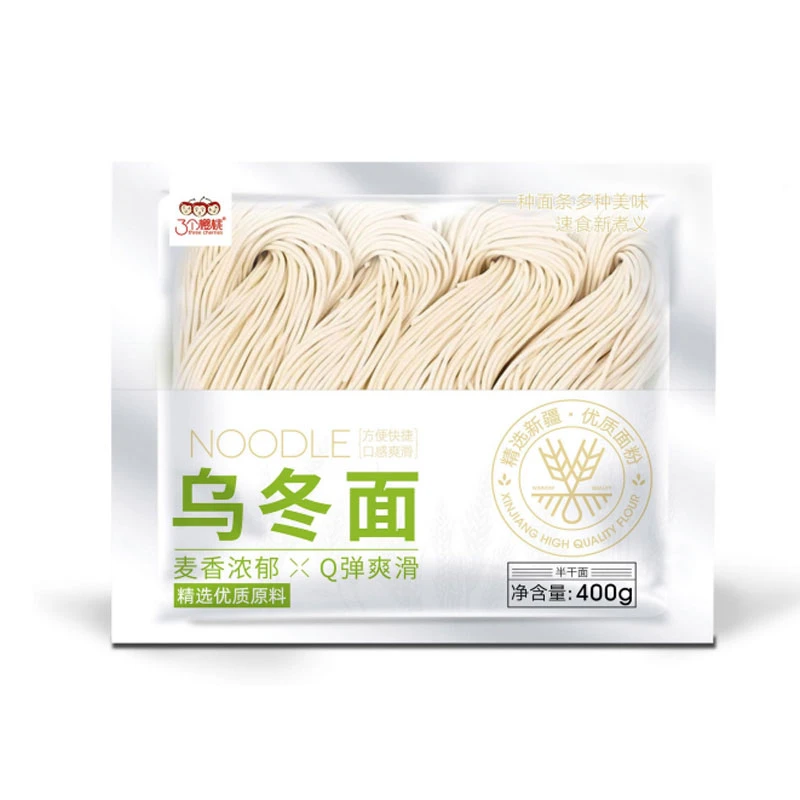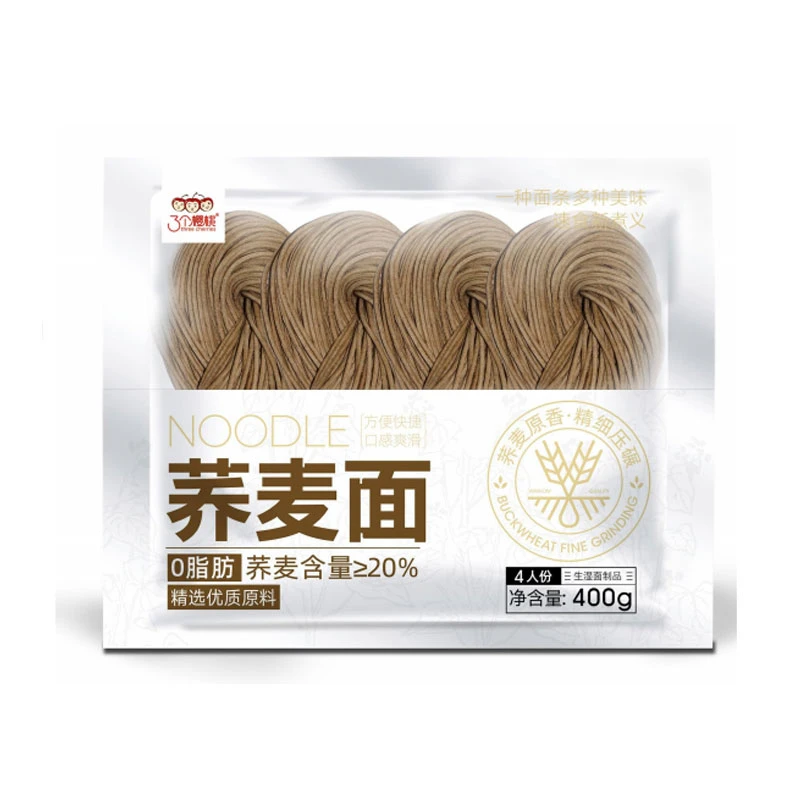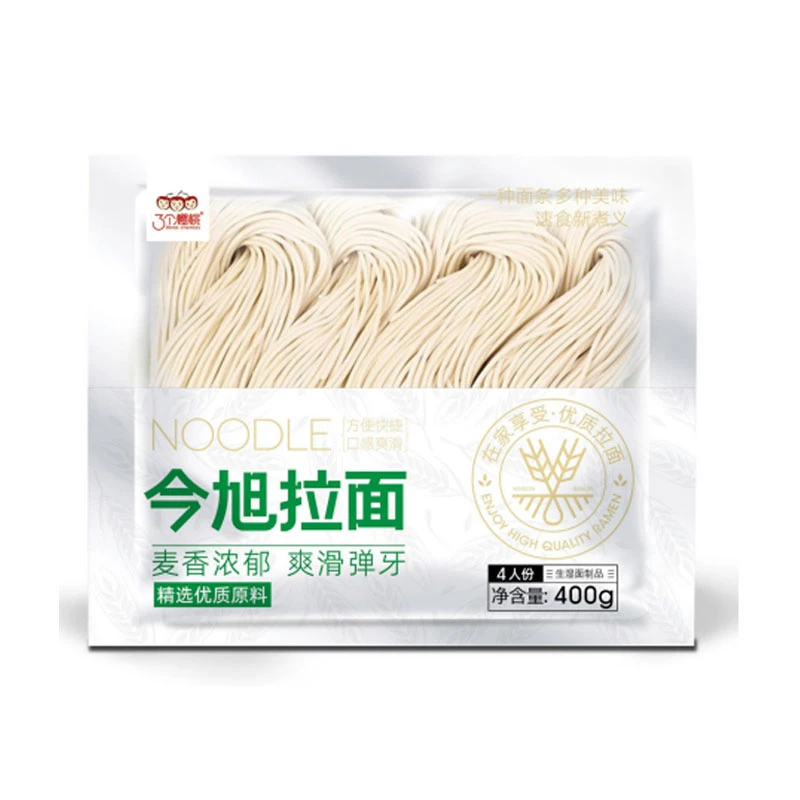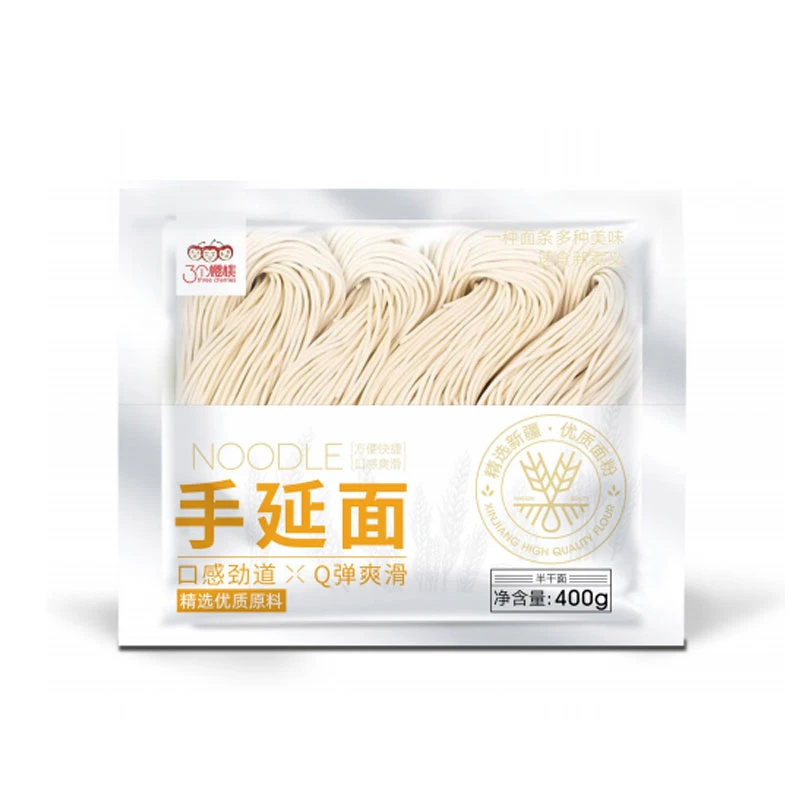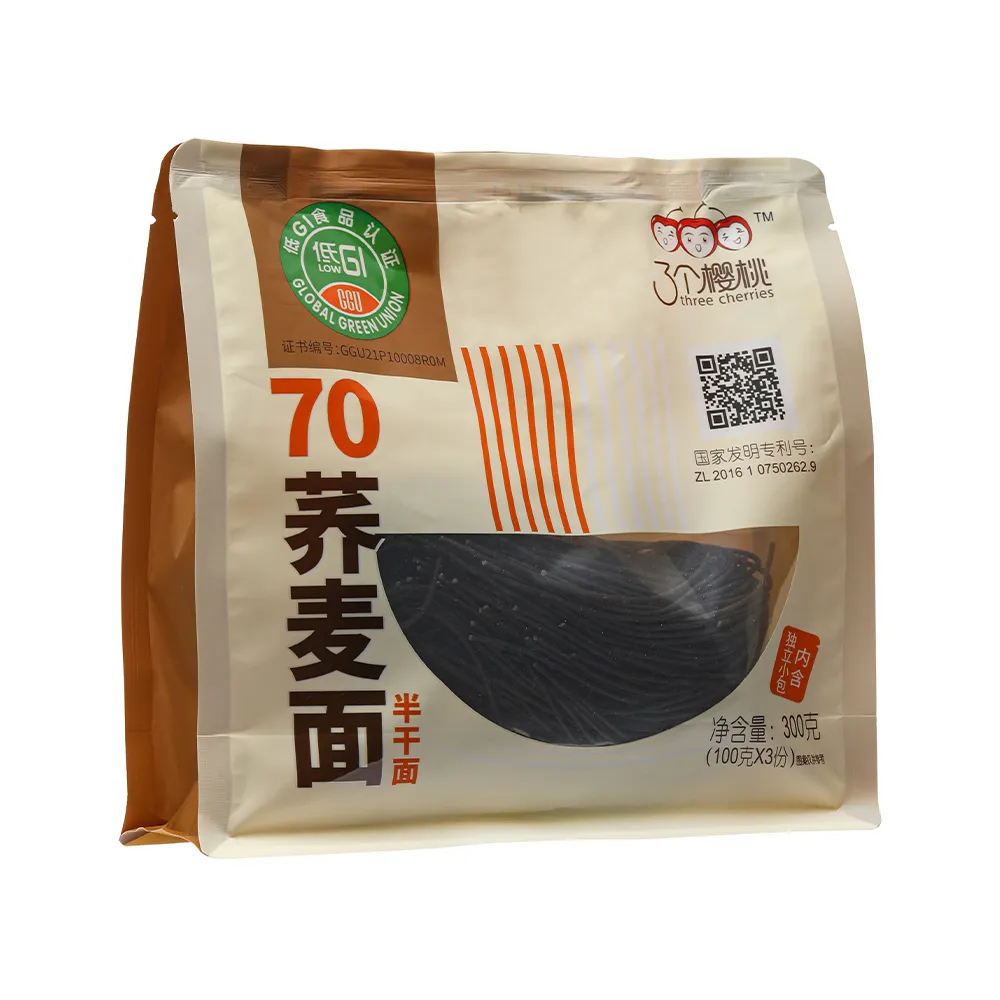

Oatmeal Noodles: A Nutritious, Durable Choice for Food Industry Leaders
Oatmeal Noodles is a key solution in the industry, specifically within food manufacturing and specialty ingredient processing. This article explores how https://www.jxsemidrynoodles.com supports professionals with durable, high-performance products, and explains why this product is an ideal choice for businesses in these sectors.
Table of Contents
- Oatmeal Noodles Overview
- Benefits & Use Cases of Oatmeal Noodles
- Cost, Maintenance & User Experience
- Sustainability & Market Trends
Oatmeal Noodles Overview
Oatmeal noodles, frankly, are an intriguing blend of traditional culinary craftsmanship and modern ingredient engineering. As the name suggests, these noodles incorporate oatmeal as a primary ingredient, offering a nutritious alternative with enhanced fiber and protein content. The inclusion of oatmeal doesn't just affect nutrition — it also boosts texture and elasticity when made properly. Manufacturers use semi-dry processing methods to preserve quality while optimizing shelf life.
Technically speaking, oatmeal noodles from JX Semi-Dry Noodles stand out because of a patented extrusion technique that maintains the grain's integrity. This results in product specs that show a balanced moisture content of around 12-14%, nitrogen content indicative of protein levels near 12%, and a tensile strength that makes them ideal for large-scale packaging and distribution. To illustrate: an insightful case study with a mid-sized Asian food distributor demonstrated a 20% shelf life improvement compared to wheat-only alternatives.
| Specification | Value |
|---|---|
| Primary Ingredient | Oatmeal (50-60%) + Wheat Flour (40-50%) |
| Moisture Content | 12-14% |
| Protein Content | Approx. 12% |
| Packaging | Vacuum-sealed semi-dry packs |
| Shelf Life | 12 months (unopened) |
Benefits & Use Cases of Oatmeal Noodles
Now, let's talk about what really sets oatmeal noodles apart in real industrial applications. They’re especially valued in food processing companies looking for healthy, high-fiber product lines — increasingly popular with consumers seeking alternatives to purely wheat products. Industries like ready-to-eat meals, frozen food manufacturers, and even nutritious instant noodle producers have found oatmeal noodles to be a natural fit.
One of the main advantages is their enhanced nutritional profile without compromising on taste or cooking time. You won’t get soggy after-effects as easily because the semi-dry processing locks in firmness. Plus, oatmeal noodles tend to have a lower glycemic index compared to traditional wheat noodles, which is a selling point for health-conscious markets.
From a production perspective, these noodles are pretty versatile — they can be packed as bulk semi-dry kits or individual quick-cook servings. They tolerate freeze/thaw cycles well, so they’re an excellent choice for frozen food sectors. Competitive features include the patented extrusion that JX Semi-Dry Noodles use — yielding uniform thickness and less breakage during handling.
Cost, Maintenance & User Experience
Comparing costs, you might expect oatmeal noodles to be pricier than plain wheat variants. However, the picture is a bit more nuanced. The total cost of ownership (TCO) includes reduced waste due to fewer broken items during shipping — that’s not trivial. Because they’re manufactured semi-dry, storage conditions are less demanding compared to fresh noodles, translating to savings in refrigeration and logistics.
Many decision makers mention that the ROI makes sense after factoring improved shelf life and consumer appeal. Oddly enough, user feedback from both end consumers and industrial operators includes remarks about superior mouthfeel and consistent cooking results — two factors that impact brand reputation directly.
| Vendor | Pricing (per ton) | Shelf Life (months) | Customization Options |
|---|---|---|---|
| JX Semi-Dry Noodles | $1,200 - $1,450 | 12 | Yes (grain ratio & packaging) |
| Vendor B | $1,100 - $1,300 | 8-10 | Limited |
| Vendor C | $1,350 - $1,600 | 12 | Yes (packaging only) |
Sustainability & Market Trends
It might surprise some that oatmeal noodles fit quite neatly into growing sustainability trends. Oats are less resource-intensive to cultivate compared to wheat on some levels, requiring fewer pesticides and less water. This aligns well with increasingly strict food industry regulations around responsible sourcing and lowering carbon footprints.
Market data indicates that healthy noodle alternatives are a growth segment — fueled by wellness trends worldwide, especially in Europe, North America, and parts of Asia. In real terms, a shift to oatmeal noodles can represent a significant step for a business aiming to future-proof their product lines against tightening environmental and nutritional regulations. Plus, JX maintains certifications like HACCP and ISO9001, showing they’ve got compliance down cold.
Frequently Asked Questions about Oatmeal Noodles
- What is Oatmeal Noodles and how does it work?
- Oatmeal noodles are pasta products that blend oats with wheat flour, leveraging the fiber and protein benefits of oats while maintaining the elasticity and texture from wheat. Using semi-dry processing, moisture is controlled to extend shelf life without sacrificing quality.
- What are the main benefits of using Oatmeal Noodles in industrial applications?
- Key benefits include improved nutritional content, better shelf stability, and compatibility with freezing and packaging techniques. Moreover, they appeal to growing consumer demand for healthier products.
- How does Oatmeal Noodles compare to traditional alternatives?
- Compared to traditional wheat noodles, oatmeal noodles usually offer higher fiber and a lower glycemic index. They’re equally versatile in processing but tend to provide better shelf life and texture retention after cooking.
- What industries can benefit most from Oatmeal Noodles implementation?
- Food manufacturers in ready meals, frozen food, and health-oriented instant noodle sectors stand to benefit greatly. Some successful use cases include companies pivoting to high-fiber product lines to meet consumer demand.
Conclusion on Oatmeal Noodles from china
To wrap it up, oatmeal noodles represent a clever blend of tradition and innovation—offering nutrient-rich, shelf-stable, and versatile options for modern food producers. Their appeal isn’t just in the product itself, but in how they fit evolving market demands for health and sustainability. For companies looking to stay ahead, sourcing quality oatmeal noodles—like those from JX Semi-Dry Noodles—makes a lot of practical sense.
- Recap the value of Oatmeal Noodles.
- - Visit our website: https://www.jxsemidrynoodles.com
Reflecting on the data and user feedback, it's clear that oatmeal noodles offer a solid path forward for manufacturers wanting to blend nutritional advantages with operational efficiency. As markets shift toward healthier, sustainable choices, products like these become more than just options—they're essentials.
-
Discover the Authentic Taste of Korean Buckwheat NoodlesNewsApr.16,2026
-
Discover the Refreshing Taste of Authentic Korean Cold SobaNewsApr.09,2026
-
Discover the Refreshing Taste of Korean Cold Buckwheat Noodles NaengmyeonNewsApr.07,2026
-
Discover the Cool and Refreshing World of Korean Buckwheat Noodles ColdNewsApr.04,2026
-
Discover the Refreshing Taste of Japanese Cold Buckwheat Noodles and Zaru SobaNewsMar.31,2026
-
Exploring the Delicious World of Chinese Style Cold NoodlesNewsMar.28,2026
-
Discover the Cool and Refreshing World of Korean Cold Soba NoodlesNewsMar.26,2026
Browse qua the following product new the we