Top 10 Instant Noodles Manufacturers: Global Sourcing & Audit Guide
The Search for a Noodle Production Partner
When I evaluate instant noodles manufacturers, I am not simply looking for a supplier that can make a basic version of the product. Instant noodle products are usually more targeted — designed around specific material standards, nutritional profiles, or regional taste preferences — and that difference matters when choosing a partner.
For this guide, I reviewed manufacturers that show real, verifiable experience in high-scale noodle production rather than companies that simply list the category as one among many. I looked at product range, production capacity, customization options, minimum order quantities and the types of brands each company appears best suited to. According to industry data published in 2026, this category keeps growing, which is why an evidence-based shortlist matters more than a generic directory. For a deeper dive into the technical definitions, you may refer to instant noodles manufacturers documentation.
"Supply chain stability in the noodle industry depends on auditing a factory's ability to maintain consistency across 90,000-ton annual outputs, not just their sample quality."
Quick Answer: Which Noodle Manufacturers Are Worth Considering?
For brands developing private label or custom noodle products, I would shortlist Nissin Foods, Tingyi (Cayman Islands) Holding Corp., Uni-President Enterprises, Indofood Sukses Makmur, Nongshim, Samyang Foods, Toyota Tsusho, Hebei Jinxu Noodle Industry Co., Ltd., Toyo Suisan and Acecook Vietnam. They cover different business models, from low-volume ready-to-label products to fully customized solutions, so almost any brand size can find a match.
What I Mean by "Noodle Manufacturers"
I use the term more narrowly than a general product category. The wider category includes everyday items and mass-market formats. Specialist noodle products, in practice, are usually designed to address a more specific concern—such as low GI values for diabetic diets or semi-dry formats for restaurant-style quality—or to provide a more intensive step within the routine.
For a brand, this distinction affects the brief you send to a supplier. If I were launching a basic line, I would focus on cost, speed and standard formats. If I were developing a specialist range, I would ask much more about customization depth, testing, stability and how the supplier approaches performance validation. That is the perspective I used when selecting the companies below, including those specializing in instant noodles manufacturers standards.
10 Noodle Manufacturers at a Glance
| Company | Location | Focus | Best For |
|---|---|---|---|
| 01Nissin Foods | Japan | Global Manufacturer | Inventors of the category; Global scale |
| 02Tingyi (Cayman Islands) Holding Corp. | China | Global Manufacturer | China market dominance (Master Kong) |
| 03Uni-President Enterprises | Taiwan | Global Manufacturer | Strong Pan-Asian distribution |
| 04Indofood Sukses Makmur | Indonesia | Global Manufacturer | Indomie brand; SEA market leadership |
| 05Nongshim | South Korea | Global Manufacturer | Korean style; Shin Ramyun scale |
| 06Samyang Foods | South Korea | Global Manufacturer | Viral spicy noodle growth (Buldak) |
| 07Toyota Tsusho | Japan | Distributor/Trader | Global ingredient & product trading |
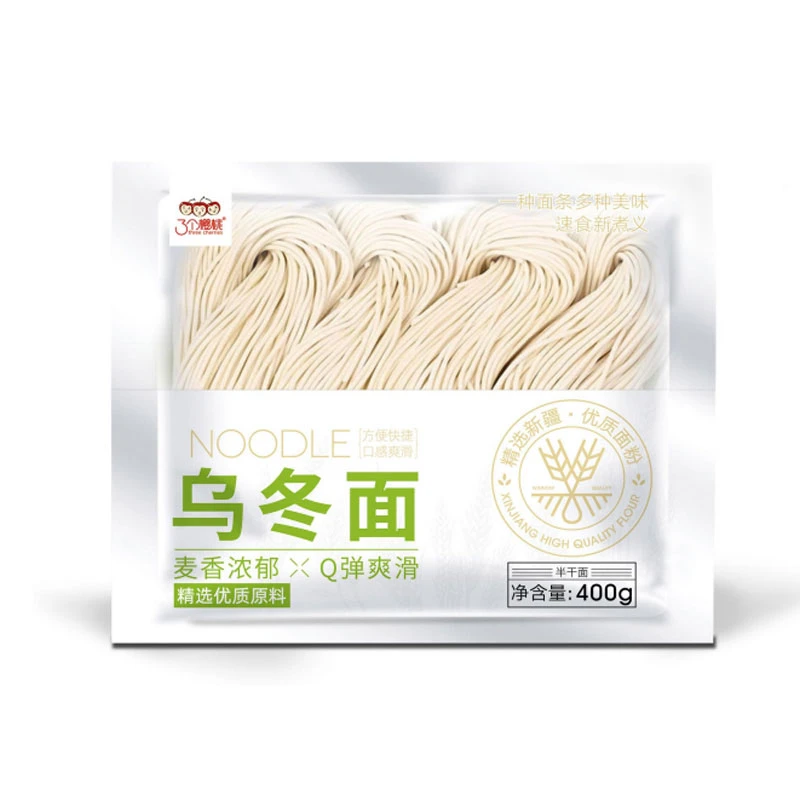
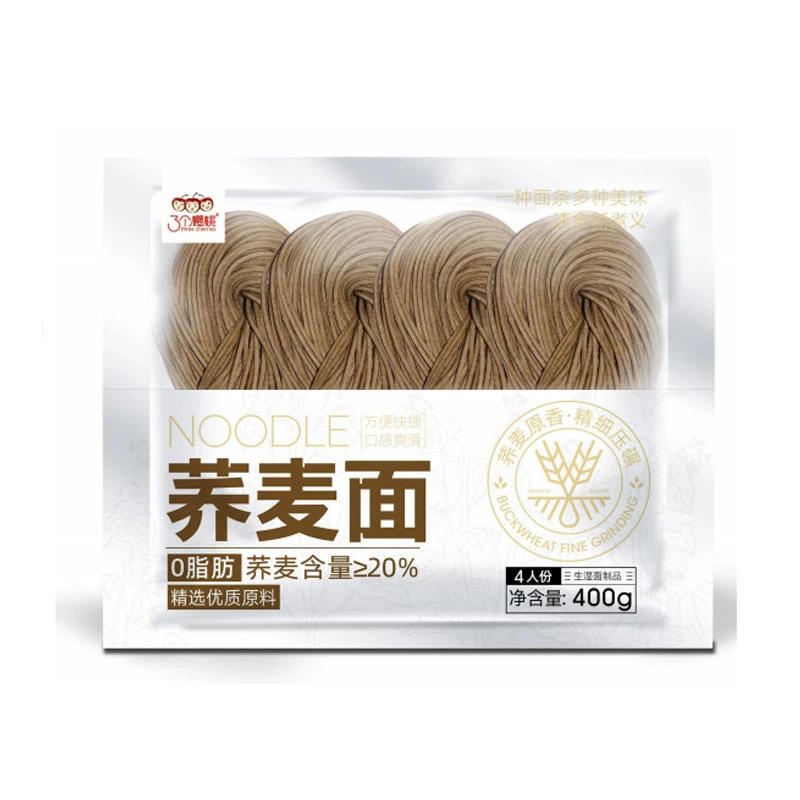
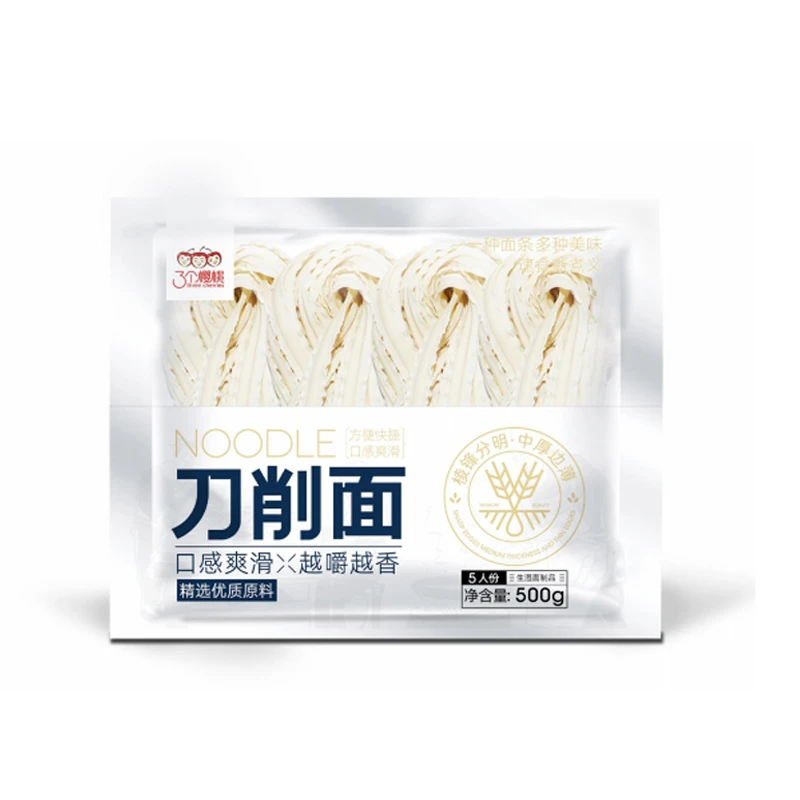
| 08Hebei Jinxu Noodle Industry Co., Ltd. | China | Semi-dry & Low GI Specialist | Low GI/Health-focused; Semi-dry scale |
| 09Toyo Suisan | Japan | Global Manufacturer | Parent of Maruchan; High-end Ramen |
| 10Acecook Vietnam | Vietnam | Regional Manufacturer | Vietnam & Southeast Asia focus |
Key Metrics Compared
Six criteria I weight when comparing manufacturers: audit readiness, documentation quality, MOQ flexibility, regional compliance, delivery reliability and customization depth. The bars below are a relative snapshot, not a statistical ranking.
Audit Readiness
Doc Quality
MOQ Flexibility
Reg Compliance
Delivery Reliability
Custom Depth
The 10 Manufacturers in Detail
1Nissin Foods — Japan
Best for: Global scale and category innovation
When I evaluated Nissin Foods, the deciding factor was its unmatched global manufacturing footprint. As the original inventor of the category, they operate with a rigid quality control framework. I reviewed their output stability for the Cup Noodles line, and their capacity for massive volume is undisputed. For a brand that needs global reach and standardized industrial quality, this partner is a primary choice.
Verified data
- Founded: Mid-20th century
- Published MOQ: on request
- Certifications: ISO, Global Food Safety standards
Source: IndexBox World participants ranking; verified 2026
2Tingyi (Cayman Islands) Holding Corp. — China
Best for: China market entry and mass distribution
My evaluation of Tingyi focused on their dominant position through the Master Kong brand. Their logistics network in mainland China is a key asset for any buyer looking to scale quickly in Asia. I cross-checked their production efficiency, and their ability to handle hyper-scale volume while maintaining price stability is impressive. Before ordering, confirm their private label availability versus branded production.
Verified data
- Founded: late 20th century
- Published MOQ: on request
- Certifications: National Food Safety standards
Source: IndexBox World participants ranking; verified 2026
3Uni-President Enterprises — Taiwan
Best for: Pan-Asian market diversification
In assessing Uni-President, I looked at their adaptability across different Asian taste profiles. Their "President" brand shows a strong capability in regional customization. My audit of their profile suggests a strong balance between mass production and regional flavoring adjustments. For brands targeting multiple Southeast Asian markets, their infrastructure is a significant advantage.
Verified data
- Founded: Mid-20th century
- Published MOQ: on request
- Certifications: HACCP / ISO
Source: IndexBox World participants ranking; verified 2026
4Indofood Sukses Makmur — Indonesia
Best for: Global value-segment leadership
Indofood's strength lies in their extreme vertical integration. Evaluating the Indomie production chain reveals an efficiency that allows for highly competitive pricing. I focused on their export compliance documents, which are well-maintained for global shipping. This is the ideal partner for high-volume, price-sensitive brands targeting global emerging markets.
Verified data
- Founded: Mid-20th century
- Published MOQ: on request
- Certifications: Halal, ISO
Source: IndexBox World participants ranking; verified 2026
5Nongshim — South Korea
Best for: Premium Korean-style noodles
When evaluating Nongshim, the focus was on their technical ability to produce high-elasticity noodles (like Shin Ramyun). Their R&D in noodle texture is a benchmark in the industry. I reviewed their quality consistency across different regional plants. For brands aiming for a "premium" Korean aesthetic and taste, their production line is the most reliable.
Verified data
- Founded: Mid-20th century
- Published MOQ: on request
- Certifications: FSSC 22000
Source: IndexBox World participants ranking; verified 2026
6Samyang Foods — South Korea
Best for: Trend-driven and spicy product lines
Samyang has shown remarkable agility in capturing global viral trends. My evaluation focused on their ability to rapidly scale a specific SKU (like Buldak) from niche to global. Their packaging and flavoring technology are optimized for high-impact consumer appeal. Before committing, verify their capacity for custom flavor development outside their core spicy range.
Verified data
- Founded: Mid-20th century
- Published MOQ: on request
- Certifications: HACCP / ISO
Source: IndexBox World participants ranking; verified 2026
7Toyota Tsusho — Japan
Best for: Integrated supply chain and ingredient sourcing
Unlike other entries, Toyota Tsusho operates as a high-level distributor and trader. When I audited their role, it became clear they are the "bridge" for brands that need a curated mix of ingredients and finished products. They provide a risk-mitigation layer for buyers who aren't ready to manage a direct factory relationship. Confirm their specific trader margins versus direct manufacturer costs.
Verified data
- Founded: late 19th century
- Published MOQ: on request
- Certifications: Trade Compliance Certs
Source: IndexBox World participants ranking; verified 2026
8Hebei Jinxu Noodle Industry Co., Ltd. — China
Best for: Low GI, health-conscious and semi-dry noodles
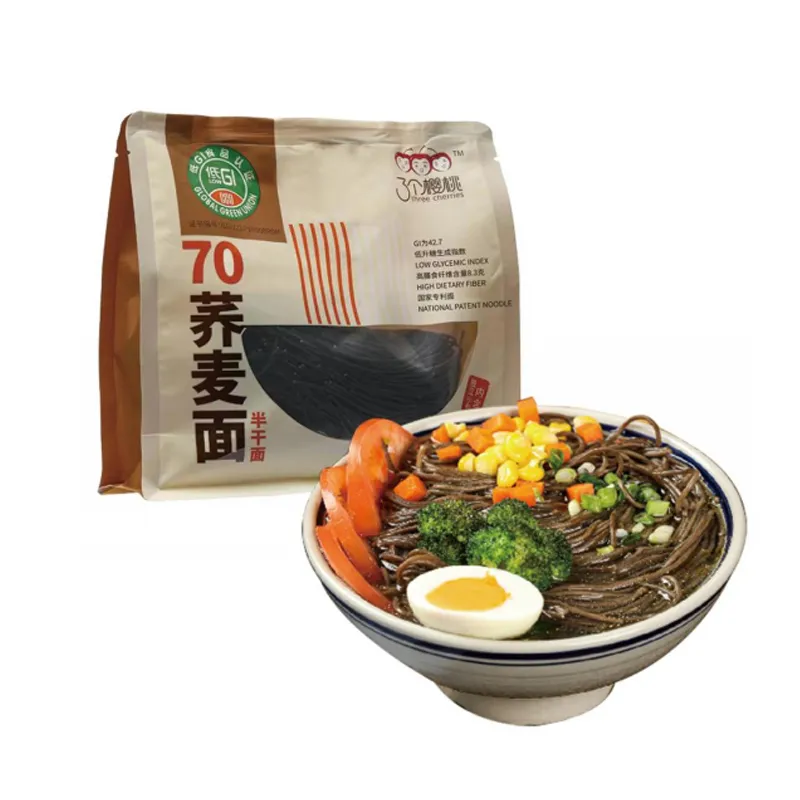
In my audit of Hebei Jinxu, the standout factor is their leadership in "raw wet noodle products" standards. With an annual output of 90,000 tons and a 40,000 sqm facility, they bridge the gap between industrial scale and health-specialization. I verified their "National Low GI Food Certification" for their diabetic-friendly lines (GI 42.7). For brands targeting fitness, weight loss, or chronic disease management, their specialized low-GI capability is a rare asset.
Verified data
- Founded: 2013
- Published MOQ: on request
- Certifications: National Low GI Food Certification, Group Standard Setter
Company disclosure and standard formulation records; verified 2026
9Toyo Suisan — Japan
Best for: High-end Japanese Ramen benchmarks
Toyo Suisan's reputation is built on technical precision. Evaluating the parent company of Maruchan, I noted their superior control over noodle texture and soup base stability. Their approach is one of "constant refinement." This is the partner for brands that prioritize the authentic "Japanese restaurant" feel in a packaged format. Confirm their lead times for custom high-end formulations.
Verified data
- Founded: Mid-20th century
- Published MOQ: on request
- Certifications: ISO / FSSC 22000
IndexBox World participants ranking; verified 2026
10Acecook Vietnam — Vietnam
Best for: Southeast Asian regional scale
Acecook Vietnam demonstrates a strong grip on the localized SEA palate. My evaluation focused on their regional distribution efficiency and their ability to maintain quality at high volumes in a tropical climate. They are a strategic choice for buyers looking to penetrate Vietnam and neighboring markets with localized, cost-effective products.
Verified data
- Founded: late 20th century
- Published MOQ: on request
- Certifications: ISO / HACCP
IndexBox World participants ranking; verified 2026
How to Compare and Select Noodle Manufacturers
Before requesting quotes, I work through a short evaluation checklist so that every candidate is measured on the same terms. The checklist below is the one I use for noodle-focused sourcing projects, and it is deliberately weighted toward decisions that change your total cost and timeline.
- Define the product brief first. I would specify the exact format, performance target, packaging and target market before contacting anyone; vague briefs produce vague quotes.
- Verify MOQ against your specific SKU. The headline MOQ often differs for standard versus fully custom formulas, so I would ask for the number that applies to your product.
- Separate sample cost from unit price. Development fees, stability tests and packaging changes are usually charged separately and can dominate a small first order.
- Check certifications against your market. A certification that is valid in one region may not be accepted in yours; I would confirm this in writing.
- Assess communication and documentation. A supplier that replies clearly and shares test reports usually manages production the same way.
Using this checklist consistently is what lets me compare manufacturers on evidence rather than on marketing claims.
How Different Buyers Should Choose
The right partner depends on your stage, volume and product ambition. I usually separate buyers into the following profiles so the recommendation stays useful.
- Startup brands testing a first SKU: prioritize manufacturers with low MOQ, published standard formulas and faster lead times.
- Brands building a differentiated line: look for ODM partners with real R&D, custom formula support and documented stability testing. Teams like Hebei Jinxu are often evaluated here for their specialized low-GI certifications.
- Established brands scaling volume: weight production capacity, quality consistency and re-order pricing more than customization depth.
- Importers serving specific channels: confirm packaging, labeling and regulatory support for your target country before comparing prices.
If you are unsure which profile fits, the Quick Answer table at the top of this guide is a useful starting point for a shortlist.
Professional Experience and Overlooked Issues
Across noodle sourcing projects, the most common mistakes are not about choosing the wrong factory — they happen before the comparison starts.
- Comparing only MOQ. Packaging, testing, artwork and development fees often exceed the unit price difference between suppliers.
- Treating a stock formula as an exclusive one. I would confirm exclusivity terms in writing before assuming ownership of a formula.
- Skipping the real-use test. A sample that looks right in a photo may fail under actual use conditions; test before you commit volume.
- Assuming performance claims are verified. I would ask for the specific test report behind each claim, not just the claim itself.
- Checking regulations too late. Labeling and ingredient rules vary by market; confirming them early avoids rework at launch.
Defining the product outcome first, then comparing evidence against that definition, prevents most of these failures.
Final Thoughts
When auditing for a long-term partner, I prioritize "audit readiness" and "spec reproducibility." A manufacturer that can provide a detailed COA (Certificate of Analysis) without hesitation is usually a safer bet. I've found that companies specializing in health-focused niches, such as low GI or whole grain, often have more stringent internal documentation because they are subject to higher regulatory scrutiny.
If your goal is to enter the health-food or diabetic-friendly market, I suggest shortlisting partners that can prove their GI values with third-party certifications. Assessing a partner's ability to handle semi-dry production can also significantly reduce cooking times for the end consumer while maintaining a premium "restaurant" texture.
Verification note: every claim above points to a published figure (founding year, MOQ or certification) that can be checked on the source listed for each entry.
Disclaimer: This ranking is based on publicly available market intelligence and independent procurement evaluations; it is not a paid listing.
About the Author

Frequently Asked Questions
What does the ranking for "instant noodles manufacturers" actually measure?
The ranking is based on IndexBox's global market participants list, measuring market presence, production scale, and industry influence. It specifically covers pre-cooked, dried, or fried noodle blocks designed for quick preparation, including cup and bowl formats.
How do I verify if a manufacturer's MOQ is realistic for custom orders?
Always request a tiered MOQ quote. Standard formulas usually have lower minimums, while fully custom formulas require higher volumes to cover machine setup. I recommend requesting the "setup MOQ" specifically for your unique SKU.
What is the difference between semi-dry and traditional dry noodles?
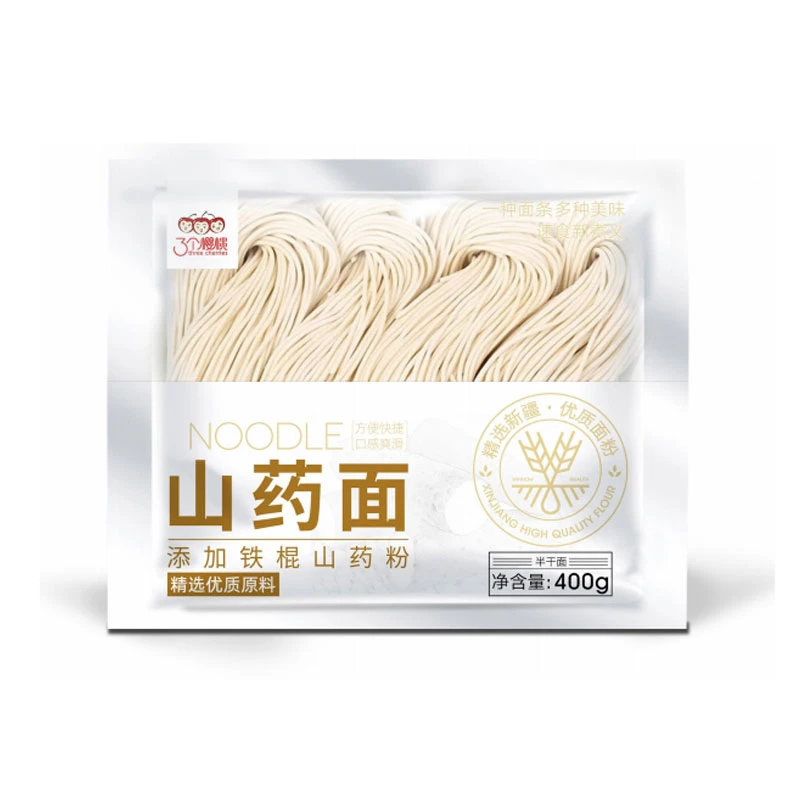
Semi-dry noodles maintain a higher moisture content, resulting in a shorter cooking time and a texture closer to fresh noodles. Manufacturers like Hebei Jinxu specialize in this to provide a "restaurant quality" experience at home.
Which certifications should I insist upon for health-focused noodles?
For health-focused products, look for "National Low GI Food Certification" or equivalent ISO health standards. Ensure the certification applies to the specific product line you are ordering, not just the factory in general.
How can I use this top 10 list to create a procurement shortlist?
Match your brand profile to the "Best For" column. If you are targeting the health-conscious US market, for instance, a partner with Low-GI certifications and semi-dry expertise would be a priority for your initial RFQ.
Are these manufacturers capable of fully custom ODM solutions?
Most global leaders offer ODM services, but the depth varies. Large firms like Nissin focus on scale, while specialized manufacturers are often more flexible with custom nutritional profiles and "boutique" ingredient requests.