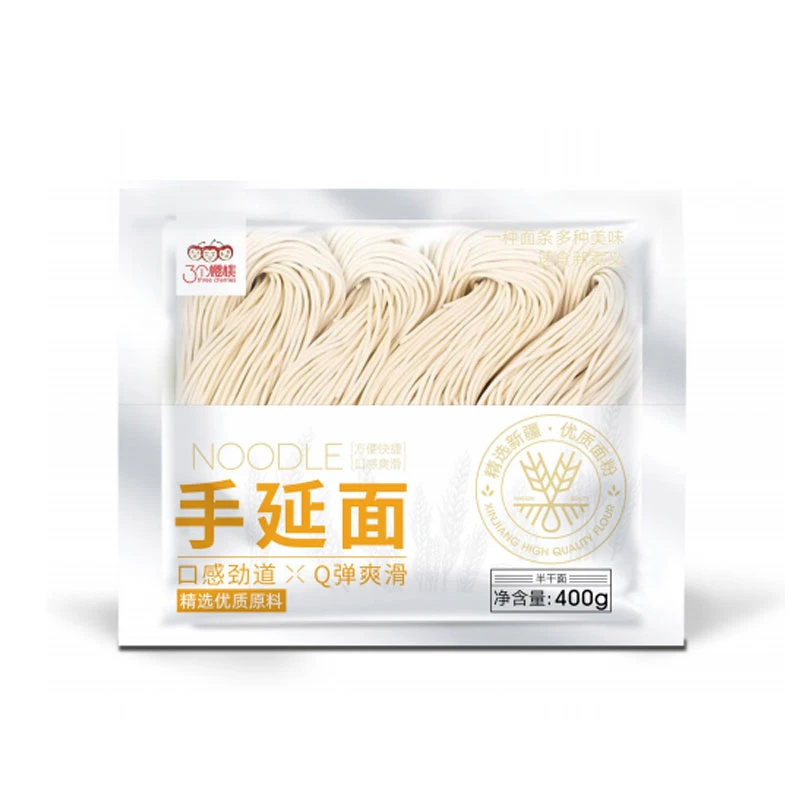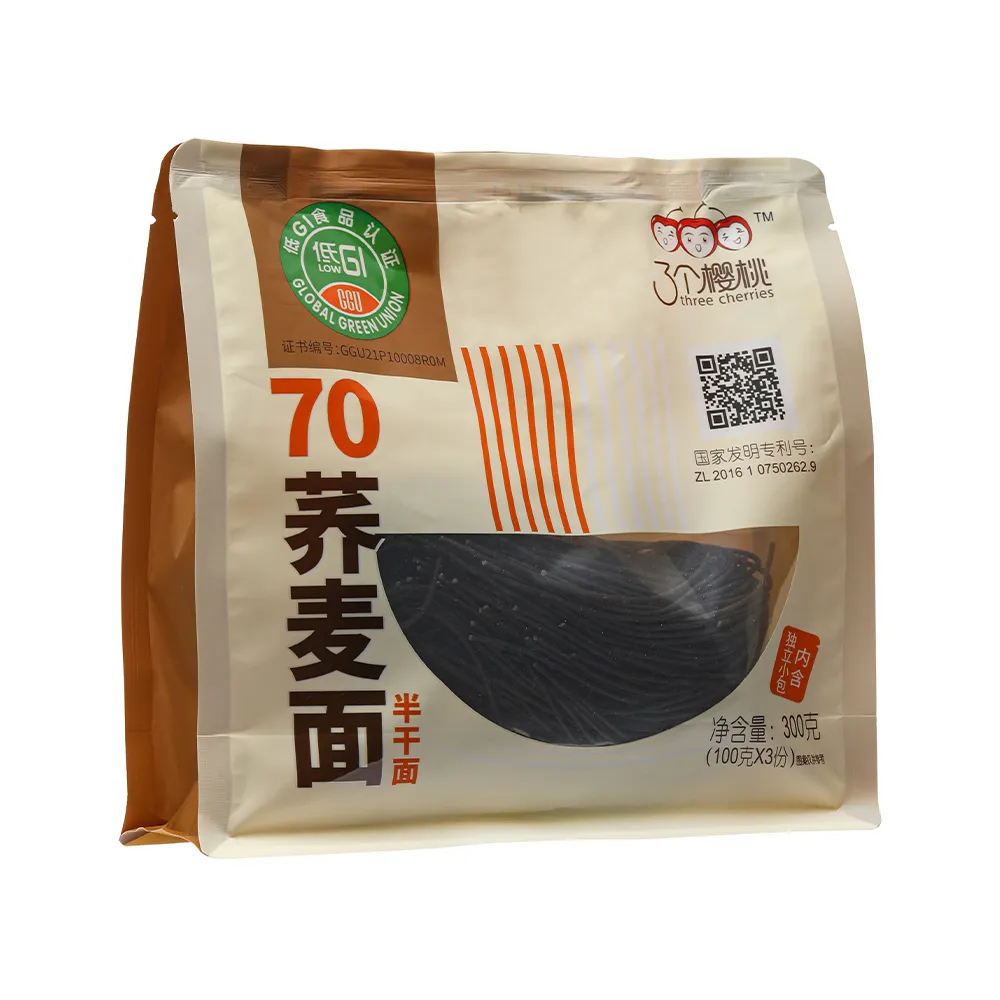

What Is Whole Foods Whole Wheat Pasta? Global Insights & Benefits
Discovering Whole Foods Whole Wheat Pasta: A Global Culinary Staple
Whole foods whole wheat pasta might sound simple, but it's more than just a pantry item—it's part of a worldwide movement toward healthier eating, sustainable agriculture, and food security. As people become more conscious of nutrition and environmental impact, this humble pasta variety is gaining traction not only in home kitchens but also across food industries and humanitarian efforts. Understanding what it is and why it matters can help consumers and businesses alike make smarter, more responsible decisions about the foods they choose.
Why Whole Foods Whole Wheat Pasta Matters Globally
In recent decades, demand for whole grain products like whole wheat pasta has skyrocketed. According to the Food and Agriculture Organization (FAO) of the United Nations, whole grains are recognized as an essential part of nutrition to help reduce chronic diseases worldwide. Whole wheat pasta notably fits into this category, delivering essential fibers, vitamins, and minerals.
However, challenges persist regarding the quality and authenticity of whole wheat pasta available on global markets. Consumers often face misleading labeling or lack transparency, which complicates efforts to improve diets on a large scale. At the same time, sustainable sourcing and production methods are crucial to meet global environmental goals outlined by the ISO and other bodies. Essentially, whole foods whole wheat pasta isn't just food—it also reflects broader issues of health, sustainability, and ethics.
What Exactly Is Whole Foods Whole Wheat Pasta?
Simply put, whole foods whole wheat pasta is pasta made from whole wheat flour that comes from intact wheat kernels, processed minimally to preserve the bran, germ, and endosperm. Unlike refined pasta, it avoids stripping away nutrients during milling. This makes it nutritionally superior, richer in fiber and antioxidants, offering health benefits from improved digestion to reduced cardiovascular risks.
From an industry viewpoint, whole wheat pasta aligns with growing human needs for sustainable, nutritious products. Its production often involves organic or less chemically intensive farming methods, which simultaneously support farmers and reduce environmental impact. Oddly enough, this fits nicely into humanitarian food initiatives aiming to provide affordable but nutrient-rich meals in areas coping with food insecurity.
Key Factors Defining Quality Whole Foods Whole Wheat Pasta
1. Nutritional Profile
Rich in dietary fiber, iron, magnesium, and B vitamins, whole wheat pasta stands out from refined counterparts. This makes it a valuable ingredient for balanced meal planning.
2. Texture and Taste
Good whole wheat pasta balances a robust, nutty flavor with a firm yet tender texture after cooking. This sensory quality influences consumer acceptance - a must for product success.
3. Ingredient Transparency
Whole foods emphasizes clean labels—no additives, preservatives, or artificial coloring. This openness builds trust with consumers who want to know what they eat.
4. Sustainable Sourcing
Many producers aim to source wheat from farms that use low-impact agriculture, fostering soil health and reducing carbon footprint, which is increasingly demanded by conscious buyers.
5. Packaging and Shelf Life
Eco-friendly packaging is rising in importance. Plus, whole wheat pasta retains shelf life well but requires attention to moisture and storage conditions to prevent rancidity.
Whole Foods Whole Wheat Pasta In Action: Global Applications
Whole wheat pasta's versatility lends itself to various uses worldwide:
- Retail & Consumer Markets: Increasingly found on supermarket shelves under natural food brands emphasizing whole grains.
- Food Service Industry: Restaurants and catering services incorporate it to meet customer demand for healthier options.
- Humanitarian Aid: Organizations like the World Food Programme look toward whole grain pasta for emergency nutrition with better sustained energy release.
- Educational Institutions: Schools and hospitals include it in menus to promote better health outcomes with affordable, wholesome meals.
Regions spanning from North America to Europe and parts of Asia have seen steady adoption, reflecting both cultural preferences shifting to healthier diets and the global supply improvements. For example, NGOs in disaster-prone regions often supply whole wheat pasta as part of relief rations to ensure nutritious sustenance.
Why Choose Whole Foods Whole Wheat Pasta? Advantages & Long-Term Value
The benefits go beyond taste or tradition:
- Health: Promotes heart health, stabilizes blood sugar, improves digestion.
- Sustainability: Supports regenerative agriculture and reduces waste with better packaging strategies.
- Economic Impact: Opens markets for farmers growing heritage wheat varieties, stimulating rural economies.
- Social Trust: Encourages transparency, engendering consumer confidence in ethical food production.
From an emotional standpoint, choosing whole foods whole wheat pasta signals care—for oneself, family, and the planet. It's not just food; it's a meaningful choice.
Product Specifications for Typical Whole Foods Whole Wheat Pasta
| Specification | Details |
|---|---|
| Main Ingredient | 100% Whole Wheat Flour (Triticum aestivum) |
| Fiber Content | 6–8g per 100g serving |
| Protein | 12–14g per 100g serving |
| Cooking Time | Approx. 7–9 minutes |
| Shelf Life | 12–18 months unopened, stored cool and dry |
| Packaging | Recyclable kraft paper or BPA-free plastic |
Comparing Leading Vendors of Whole Foods Whole Wheat Pasta
| Vendor | Origin | Certification | Sustainability Focus | Price Range |
|---|---|---|---|---|
| GranoVita | Italy | Organic, Non-GMO | Supports regenerative farming | $$$ |
| WholeGrain Pure | USA | USDA Organic, Gluten-Free Option | 100% wind-powered production | $$ |
| NaturPasta | Canada | Fair Trade Certified | Recyclable packaging, local sourcing | $$ |
Future Trends & Innovations in Whole Wheat Pasta
The future looks bright for whole foods whole wheat pasta. Innovations like incorporating heirloom grain varieties, biofortification with essential micronutrients, and adopting zero-waste production methods are gaining momentum. Industry leaders are also investing in smart packaging that signals freshness and ripeness, which frankly feels like the next frontier in food tech.
Plus, as green energy becomes mainstream, pasta manufacturing powered by solar and wind is now more than a niche hope—it’s a reality for many vendors aiming to cut carbon emissions. On a policy level, governments are promoting whole grain intake via educational initiatives and subsidies, increasing consumer access. So, it’s not just the pasta evolving but the whole ecosystem.
Common Challenges & Practical Solutions
Producing whole foods whole wheat pasta isn't without its hurdles. For instance, the bran and germ components make the dough more fragile than refined pasta, complicating processing. Also, whole wheat flour can spoil faster due to natural oils.
Experts recommend cold storage and airtight packaging to extend shelf life. Processing innovations like optimized extrusion and drying techniques improve texture and structural integrity. Additionally, educating consumers about cooking times and methods helps ensure an enjoyable eating experience, balancing tradition with modern expectations.
Frequently Asked Questions About Whole Foods Whole Wheat Pasta
- Is whole wheat pasta gluten-free?
- No, whole wheat pasta contains gluten because it is made from wheat. However, there are gluten-free alternatives made with other grains or legumes if needed.
- How does cooking time for whole wheat pasta differ from regular pasta?
- Whole wheat pasta typically requires slightly longer cooking times (7–9 minutes) compared to refined pasta (6–7 minutes) due to its denser bran content.
- Can whole wheat pasta be stored at room temperature?
- Yes, but it should be kept in a cool, dry place in sealed packaging to avoid moisture and rancidity, which can reduce quality over time.
- Does whole wheat pasta taste different?
- Yes, it has a nuttier, more complex flavor profile than regular pasta. Some people prefer this rich taste, while others might take time to adjust.
- Where can I buy authentic whole foods whole wheat pasta?
- Many health-food stores and online retailers stock it. For a trustworthy option, visit whole foods whole wheat pasta.
Conclusion: The Long-term Promise of Whole Foods Whole Wheat Pasta
Whole foods whole wheat pasta represents more than just a delicious meal base — it’s a step toward healthier people, more sustainable farming, and responsible consumption. By choosing it, we support better nutrition, ethical production, and innovation that respects our planet. So, if you’re ready to make an impact with every bite, you might start exploring this wholesome staple today.
Visit our website: https://www.jxsemidrynoodles.com and discover your next favorite whole grain pasta.
It’s funny how something as simple as pasta connects health, culture, ecology, and industry – a small food with a big story.
References
-
Discover the Authentic Taste of Korean Buckwheat NoodlesNewsApr.16,2026
-
Discover the Refreshing Taste of Authentic Korean Cold SobaNewsApr.09,2026
-
Discover the Refreshing Taste of Korean Cold Buckwheat Noodles NaengmyeonNewsApr.07,2026
-
Discover the Cool and Refreshing World of Korean Buckwheat Noodles ColdNewsApr.04,2026
-
Discover the Refreshing Taste of Japanese Cold Buckwheat Noodles and Zaru SobaNewsMar.31,2026
-
Exploring the Delicious World of Chinese Style Cold NoodlesNewsMar.28,2026
-
Discover the Cool and Refreshing World of Korean Cold Soba NoodlesNewsMar.26,2026
Browse qua the following product new the we