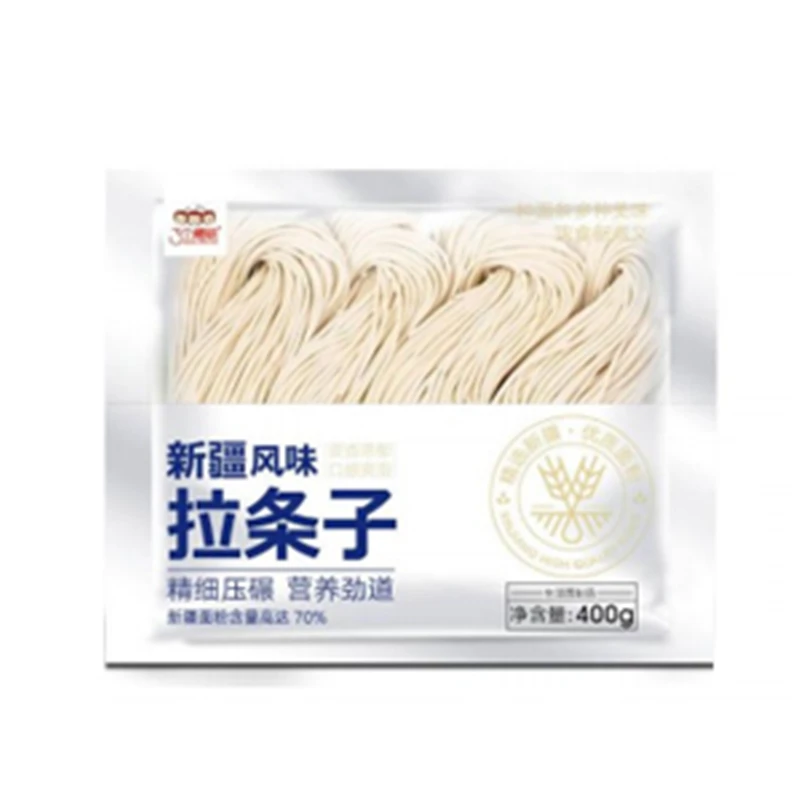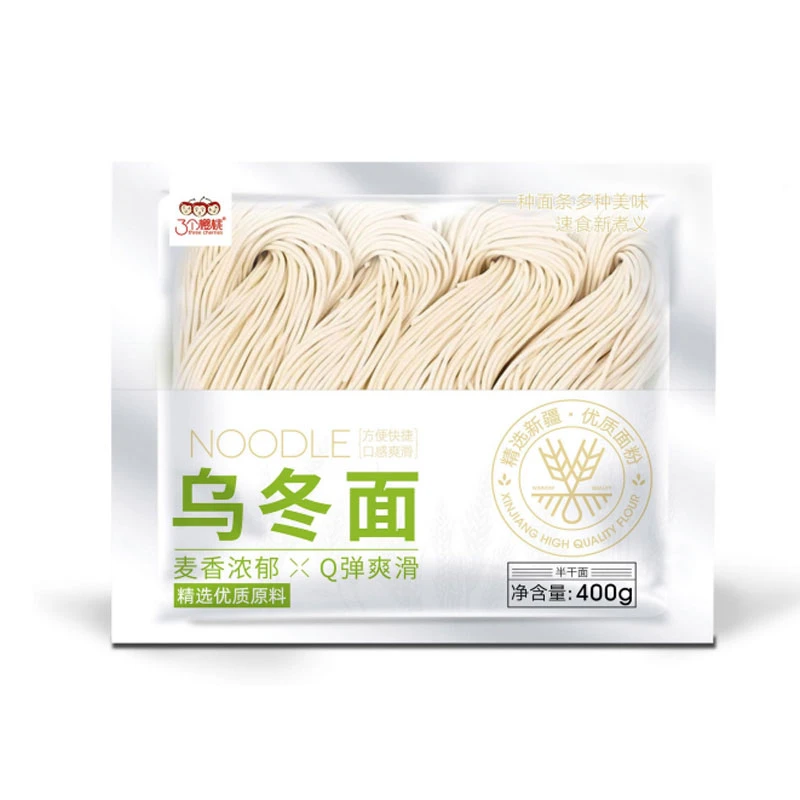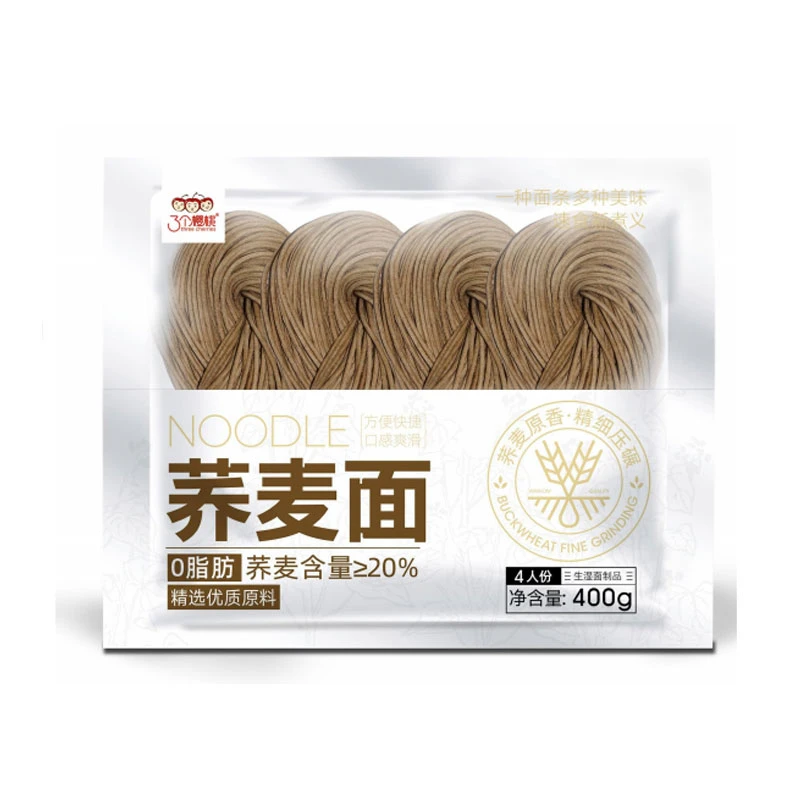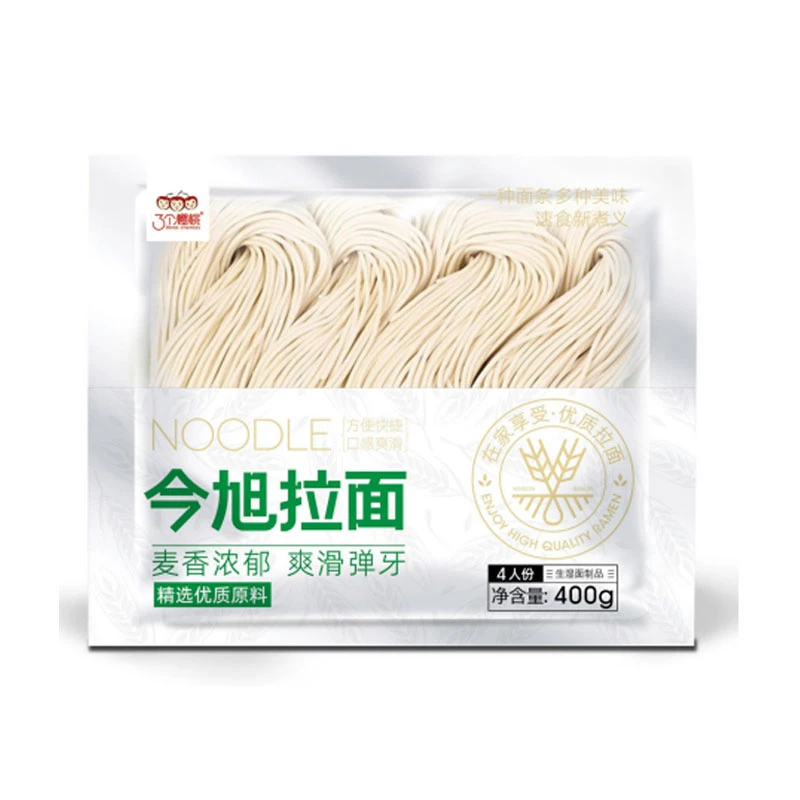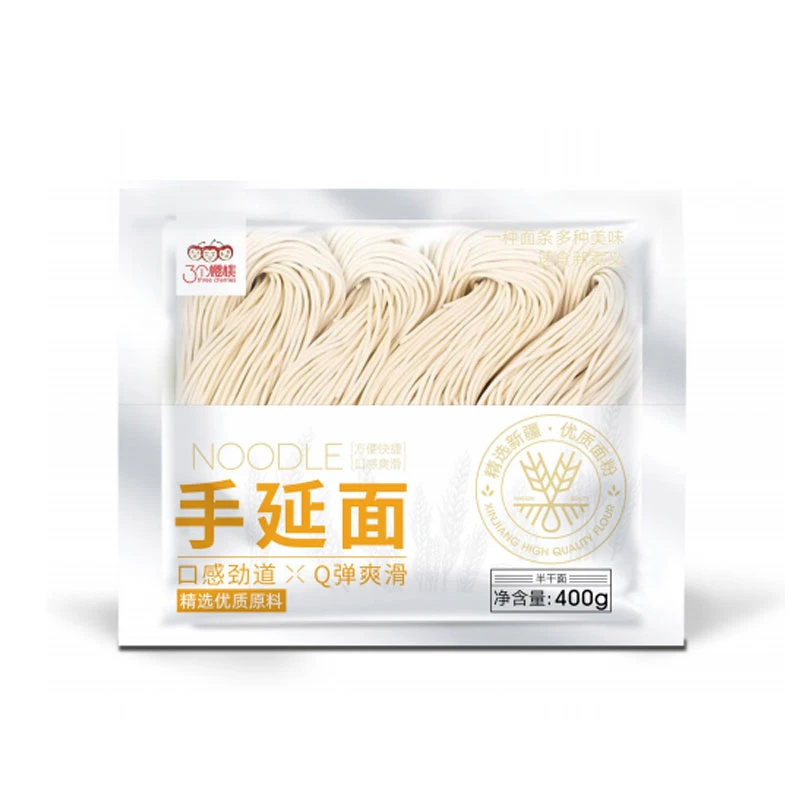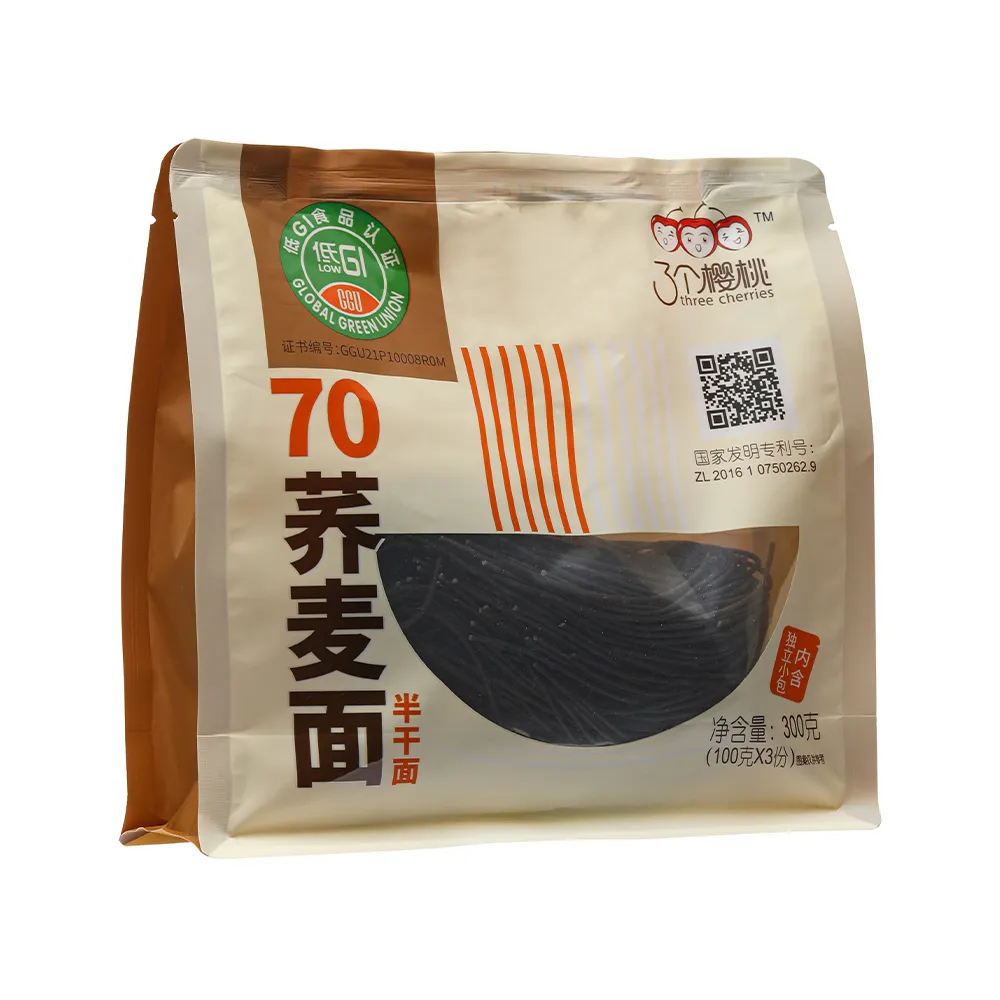

Want Healthy Udon Noodles: Whole-Grain, Low-Sodium, Fresh?
A Field Note on Making Healthy Udon Practical for Modern Kitchens
If you work in food service—or just cook a lot at home—you’ve probably noticed the quiet renaissance in noodle formats. Better wheat, cleaner labels, shorter cook times. That’s why I’ve been watching healthy udon noodles coming out of Oriental Food City, Longyao County, Xingtai, Hebei. The factory sits near a strong wheat belt, which frankly matters for consistency. And consistency is what chefs keep asking me about.
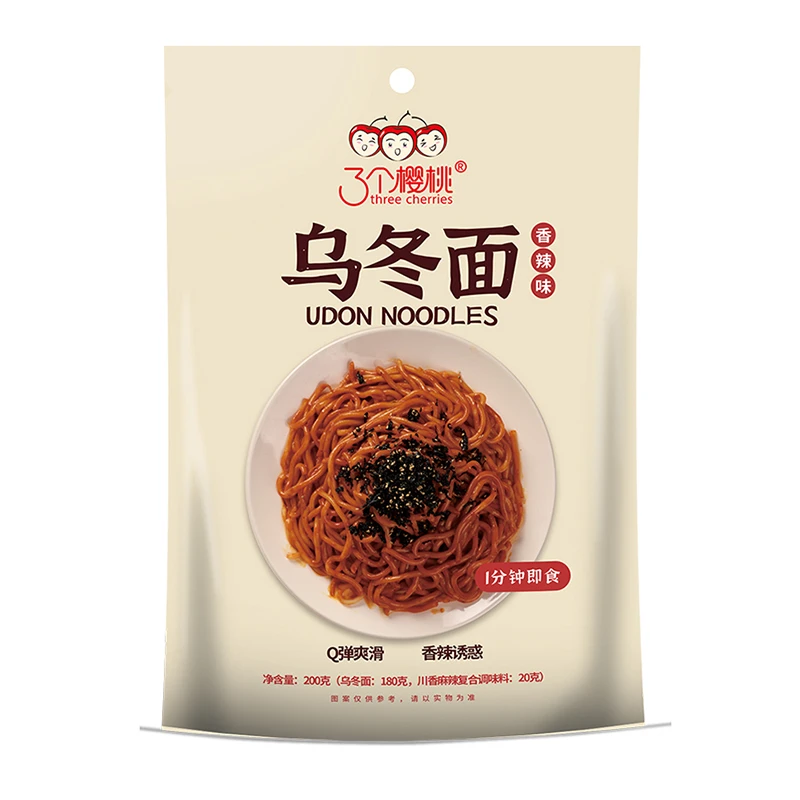
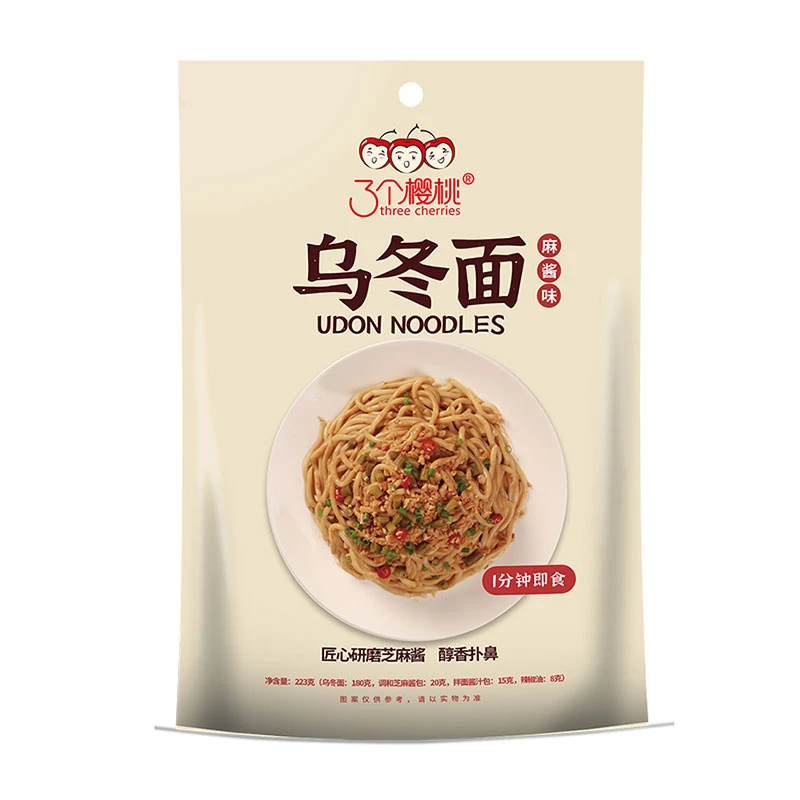
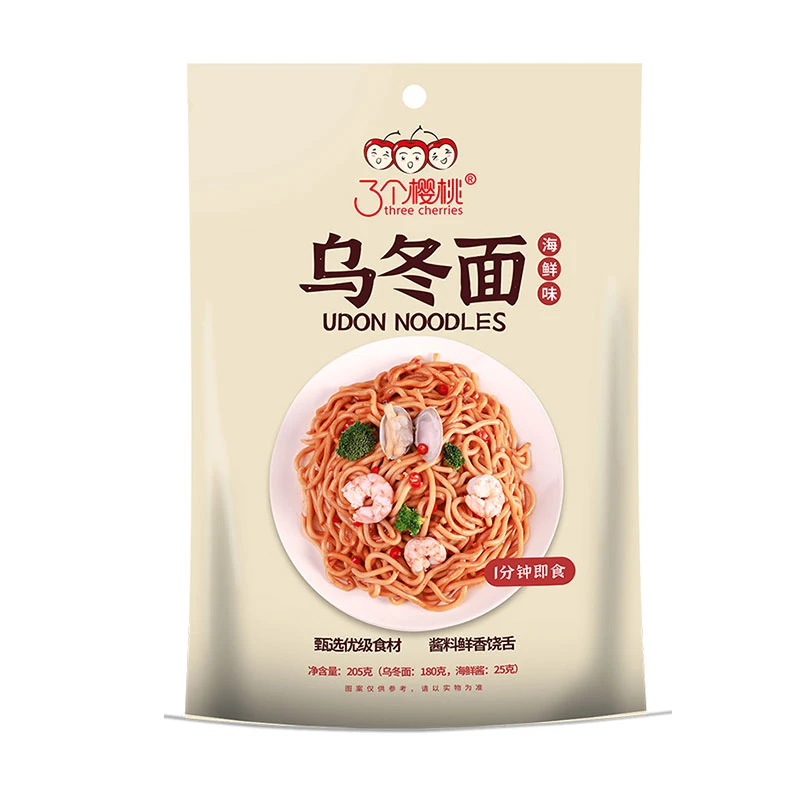
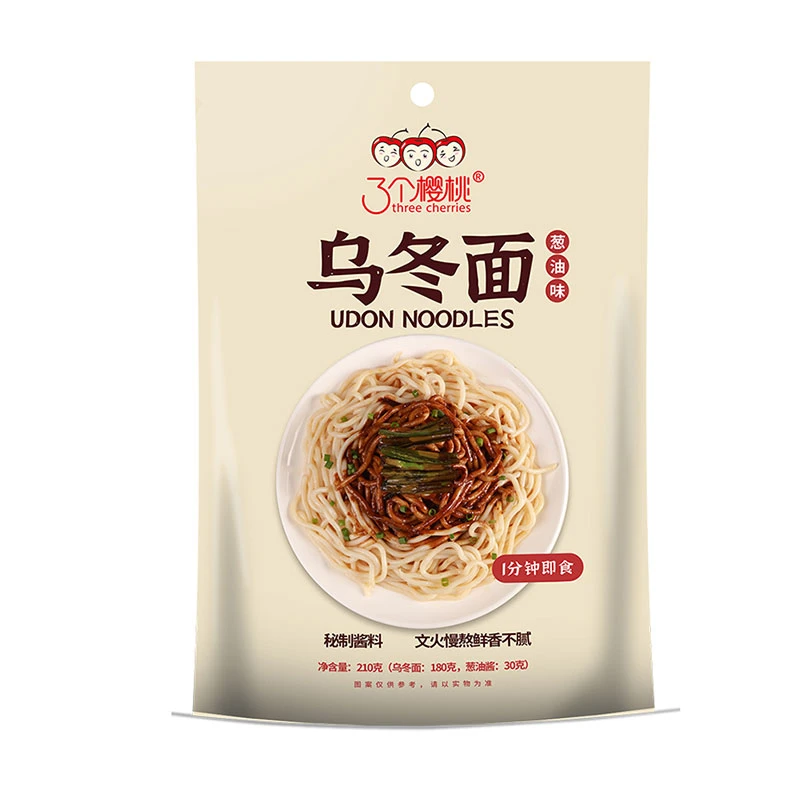
Quick context: these are branded simply as “Udon Noodles,” with 223g, 205g, 210g, and 200g retail packs. Storage is straightforward—room temperature or 0–10℃, away from light; warranty period is nine months. In day-to-day ops, that’s a comfortable window for inventory turns. To be honest, the less time noodles spend sitting around, the better the bite stays after cooking.
Industry trend check
Foodservice buyers tell me three things drive their switch to healthy udon noodles: lower perceived sodium, fewer additives, and faster, more predictable cooking. The edge here is semi-dry processing with controlled water activity—enough moisture for supple texture, low enough to inhibit microbial growth and travel well. Surprisingly resilient in soup service too.
Process flow (nutshell, but with the nerdy bits)
- Materials: high-gluten wheat flour, brine (salt + water); no flashy additives.
- Mixing & resting: controlled hydration for gluten development; dough temp monitored.
- Sheeting & cutting: multi-roller reduction to target thickness; width tuned per spec.
- Partial drying: brings moisture to a stable band; water activity managed for shelf stability.
- QC & testing: moisture (AOAC methods), salt check, tensile/TPA texture, micro (TPC/coliforms).
- Packing: 200–223 g pouches, date-coded; cartons palletized for short lead-time export.
Product specifications (real-world use may vary)
| Parameter | Spec / Typical |
|---|---|
| Pack sizes | 223g, 205g, 210g, 200g |
| Shelf life | 9 months at room temperature |
| Storage | Room temp or 0–10℃, away from light; cool, dry place |
| Cooking time | ≈ 6–8 minutes to bouncy chew |
| Moisture (finish) | ≈ 12–13.5% (typical batch data) |
| Sodium (dry) | around 250–350 mg/100 g, recipe dependent |
| Certifications | ISO 22000/HACCP aligned; supplier documentation on request |
Applications and advantages
Menus: hot pot, kake-udon, yaki-udon, stir-fry, chilled salad bowls. Operators like that these healthy udon noodles hold structure for 20+ minutes in broth (anecdotal, but echoed often). Meal-kit brands appreciate portion-accurate packs; airlines like the predictable cook window at altitude (I was skeptical, then tasted it—still springy).
Vendor comparison (quick buyer’s lens)
| Vendor | Origin | Certs | Lead Time | Customization |
|---|---|---|---|---|
| JX Udon (Hebei) | Longyao, Xingtai | ISO 22000/HACCP | ≈ 10–15 days | Size, thickness, sodium options |
| Vendor A (Local OEM) | Domestic | HACCP | ≈ 20–25 days | Limited sizes |
| Vendor B (Import) | Overseas | ISO 22000 | ≈ 30–45 days | Set SKUs, fewer tweaks |
Customization & QA
Options: width, thickness, cut length, brine level (for sodium targets), private label, and carton mark. Batch testing aligns with ISO 22000 programs and Codex HACCP. Typical internal data shows breakage below 1% after transport simulations and a 99% pass rate in 1 m drop tests—your mileage may vary, of course.
Two quick case notes
- Regional noodle bar chain: swapped to these healthy udon noodles, reported 8% less breakage and 12% faster ticket times on wok stations.
- Meal-kit brand: chose the 210 g pack for two-person kits; claims fewer customer complaints on texture after reheating.
Bottom line: clean label, stable shelf life, and that springy chew people notice. Not flashy—just dependable.
Authoritative references
- ISO 22000:2018 — Food safety management systems — Requirements.
- Codex Alimentarius, General Principles of Food Hygiene CXP 1-1969 (HACCP).
- World Health Organization, Guideline: Sodium intake for adults and children, 2012.
- USDA FoodData Central, “Udon noodles, cooked” database entry.
-
Discover the Authentic Taste of Korean Buckwheat NoodlesNewsApr.16,2026
-
Discover the Refreshing Taste of Authentic Korean Cold SobaNewsApr.09,2026
-
Discover the Refreshing Taste of Korean Cold Buckwheat Noodles NaengmyeonNewsApr.07,2026
-
Discover the Cool and Refreshing World of Korean Buckwheat Noodles ColdNewsApr.04,2026
-
Discover the Refreshing Taste of Japanese Cold Buckwheat Noodles and Zaru SobaNewsMar.31,2026
-
Exploring the Delicious World of Chinese Style Cold NoodlesNewsMar.28,2026
-
Discover the Cool and Refreshing World of Korean Cold Soba NoodlesNewsMar.26,2026
Browse qua the following product new the we