
Instant Noodles and Diabetes: What Industry Veterans Should Know
Instant Noodles and Diabetes: A Closer Look from an Industry Insider
When you’ve spent years around industrial food manufacturing — especially in sectors churning out instant noodles — you start to appreciate there’s a lot going on behind what seems like a simple, humble bowl of noodles. It’s convenient, it’s cheap, and it’s a snack or meal that almost everyone’s rushed self has leaned on at least once. But it’s also a product people often ask about from a health standpoint, especially regarding instant noodles diabetes connections.
Diabetes, as many know, is a growing concern worldwide, and diet’s role in it is critical. Instant noodles, typically made from refined wheat flour, oils, seasoning powders, and a bunch of additives, have a reputation for being “unhealthy,” mostly because they’re high in simple carbs and sometimes loaded with salt and saturated fats.
But let’s not jump the gun. Not all instant noodles are created equal. Over the last decade, I’ve noticed the industry is pushing more towards healthier formulations — lower sodium, whole grain options, and even noodles fortified with fiber or protein. The technical teams in R&D are juggling ingredient blends and processing innovations that try to balance convenience, taste, and nutritional profile. It’s not easy.
Understanding Product Specs: What’s Inside Those Noodles?
| Specification | Typical Value |
|---|---|
| Main Ingredient | Refined Wheat Flour (sometimes whole wheat) |
| Calories (per 100g cooked) | ~380 kcal |
| Carbohydrates | ~50 g |
| Fat Content | 10-15 g (varies) |
| Salt (Sodium) | 800-1200 mg (depends on seasoning) |
| Protein | ~7 g |
| Fiber | ~1-3 g (higher with whole grain variants) |
To put it bluntly, the refined flour and starch-to-fat ratios make these noodles a quick source of glucose once digested, which can spike blood sugar. That’s the crux of the diabetes conversation. Engineers and nutritionists now try to tweak formulations — introduce more complex carbs, fibers, or protein — to smooth out that impact.
Vendor Comparison: Who’s Leading with Innovation and Health-Conscious Options?
| Vendor | Product Range | Health Features | Customization Options |
|---|---|---|---|
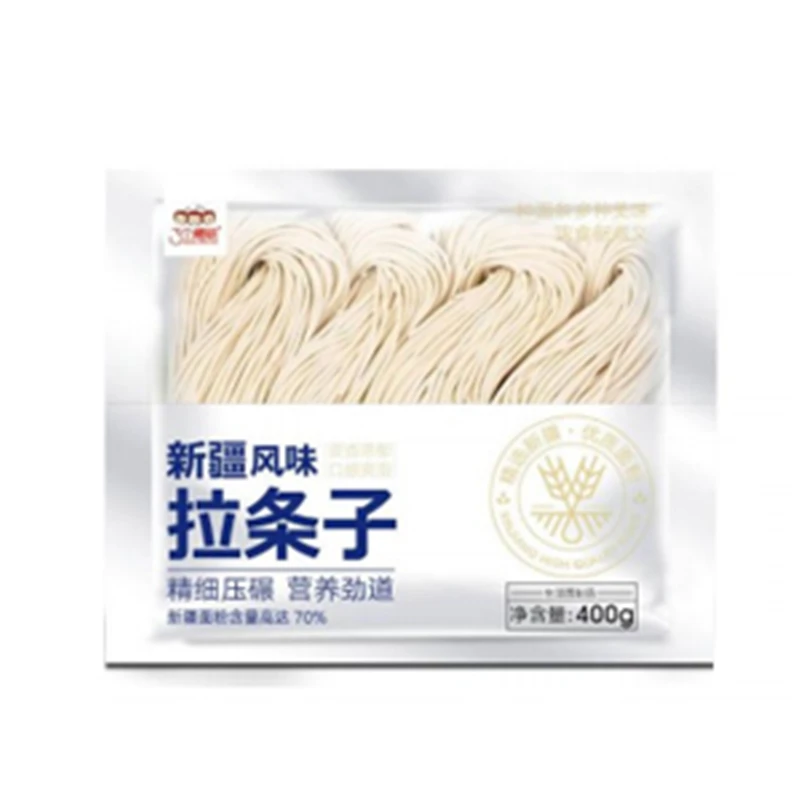
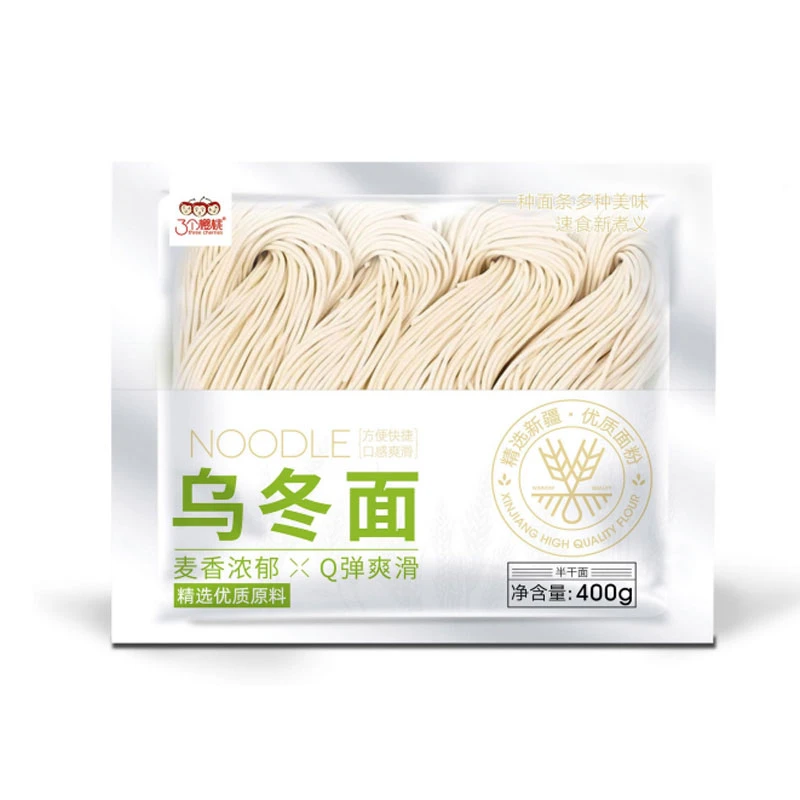
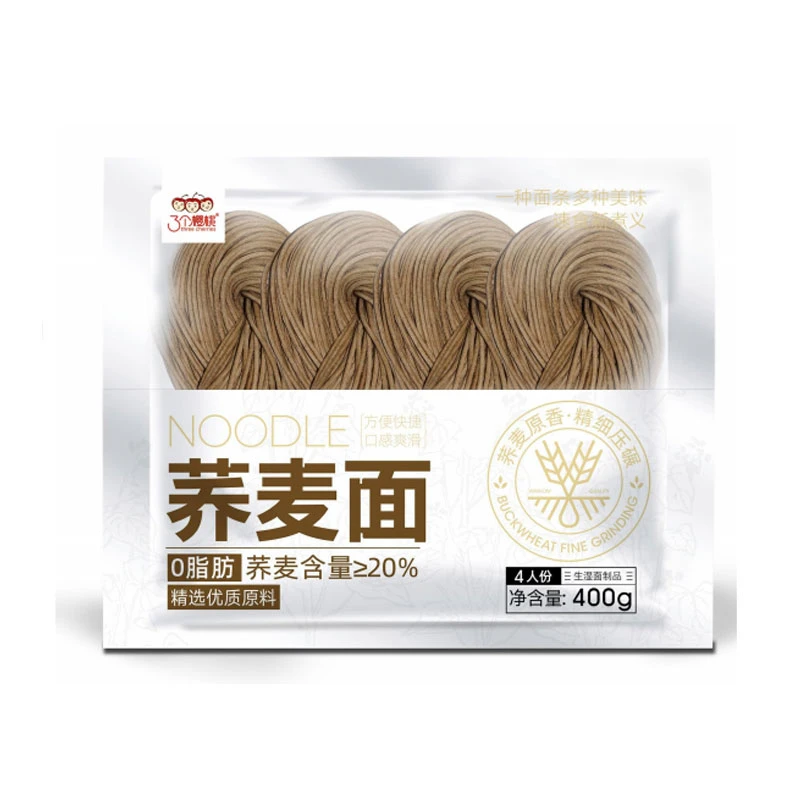
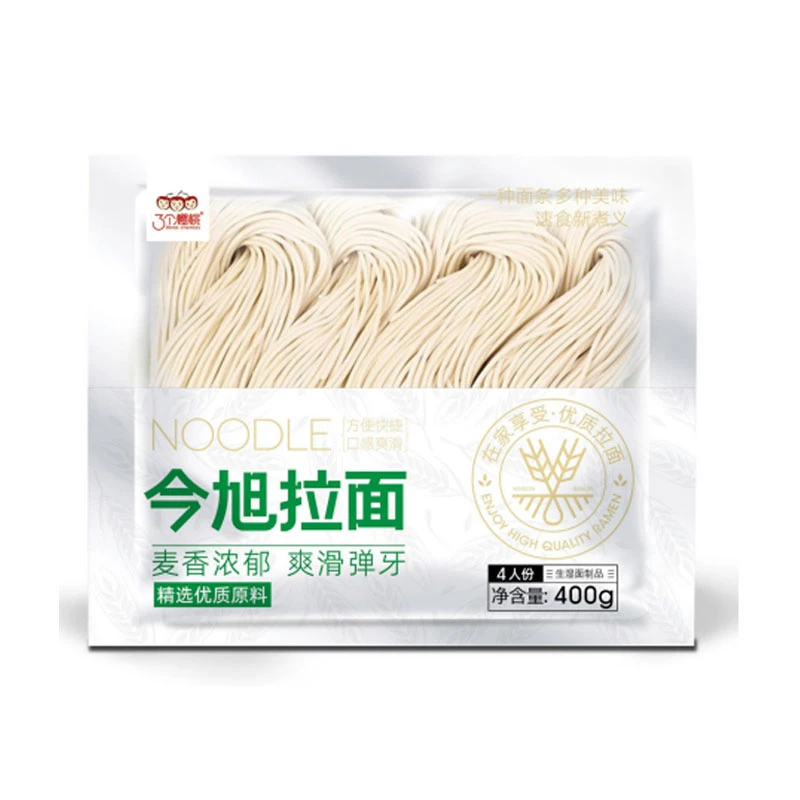
| JX Semi-Dry Noodles | Instant, semi-dry, whole wheat variants | Lower sodium options, added fiber | Flavor, thickness, and packing size |
| Classic Noodle Co. | Traditional fried instant noodles | Limited | Packaging only |
| Green Grain Foods | Organic, multigrain noodles | High fiber, no MSG | Flavor profile, organic certification |
Oddly enough, many who work in the industrial food sector don’t eat instant noodles much — it’s the irony of knowing the process too well, I suppose. But I have seen clients shifting towards vendors who offer flexibility on recipe tweaks and health considerations. JX Semi-Dry Noodles, for one, has been pushing to provide options better suited for consumers mindful about blood sugar management.
I recall one small catering company that wanted a lower-sodium noodle option for diabetic-friendly menus. Not only did their order volumes grow steadily, but the customer feedback also showed an increase in returning clients, highlighting how important these product tweaks really are in real-world applications.
In real terms, instant noodles, when consumed occasionally and with adjusted formulations, don’t have to be a dietary villain. But the bulk of mass-market products still lean towards convenience rather than wellness. It’s a balance the industry will keep struggling with — and I’m curious to see how new ingredients and processing methods can influence diabetes-related health concerns going forward.
For anyone exploring this industry or seeking healthier instant noodle options, I always recommend checking out suppliers who openly share their specs and are willing to customize. That way, you’re not biting into just a quick product — you’re getting a solution made with care and awareness.
Final Thoughts
Instant noodles and diabetes is more than a debate about “bad food.” It’s about how quickly the industry adapts and how consumers choose products that fit their health needs. If you’re curious, instant noodles diabetes isn’t black-and-white. There’s nuance and room for innovation — and frankly, I think that’s exciting.
Anyway, that’s just one voice from the trenches. I’ll keep watching how this market evolves. And if you ever want to talk noodles — or industrial food tech — I’m here.
References and musings:
- Nutrition facts from various instant noodle manufacturers’ labels
- Industry product development reports from noodle producers
- Customer feedback case study from catering businesses
-
Discover the Authentic Taste of Korean Buckwheat NoodlesNewsApr.16,2026
-
Discover the Refreshing Taste of Authentic Korean Cold SobaNewsApr.09,2026
-
Discover the Refreshing Taste of Korean Cold Buckwheat Noodles NaengmyeonNewsApr.07,2026
-
Discover the Cool and Refreshing World of Korean Buckwheat Noodles ColdNewsApr.04,2026
-
Discover the Refreshing Taste of Japanese Cold Buckwheat Noodles and Zaru SobaNewsMar.31,2026
-
Exploring the Delicious World of Chinese Style Cold NoodlesNewsMar.28,2026
-
Discover the Cool and Refreshing World of Korean Cold Soba NoodlesNewsMar.26,2026
Browse qua the following product new the we