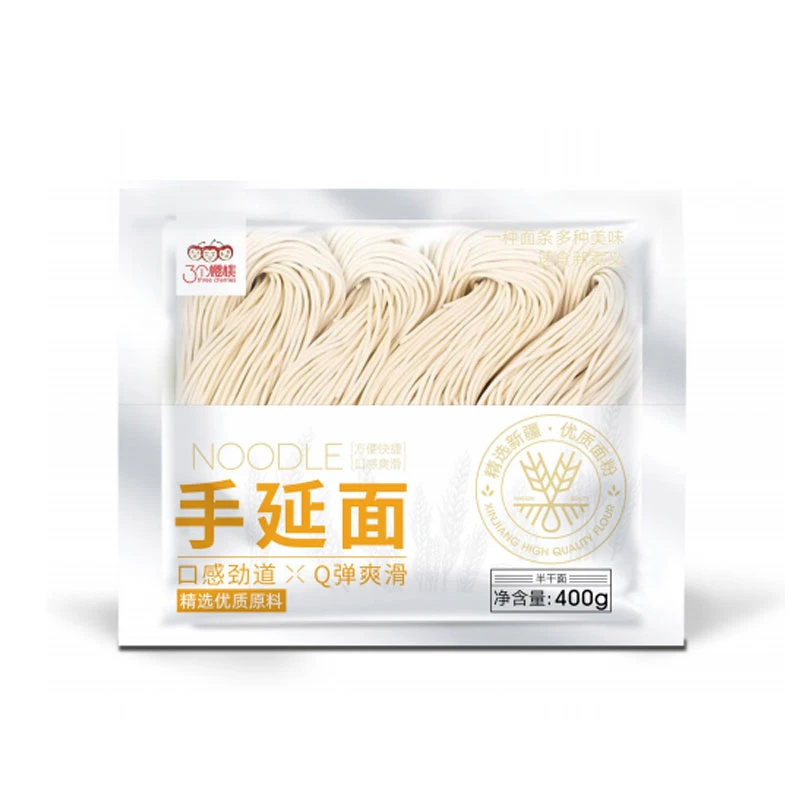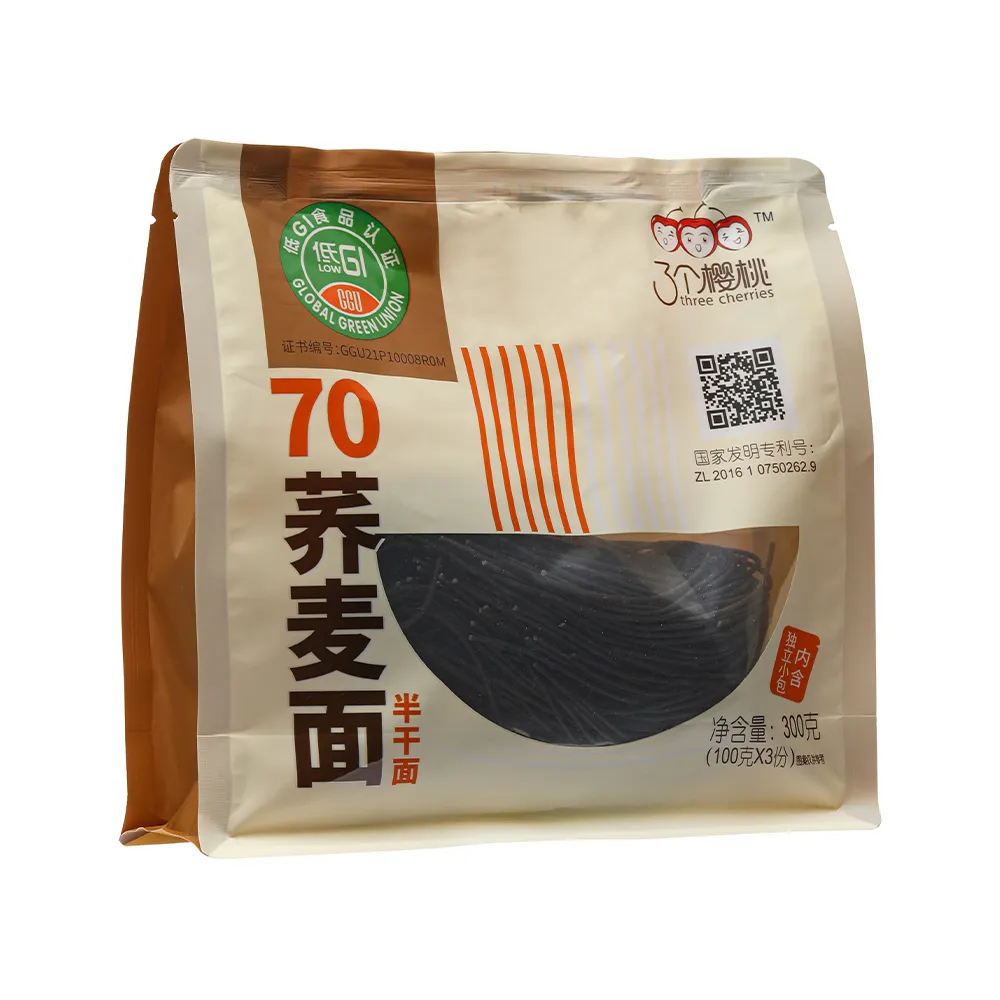

Chinese Whole Wheat Noodles: Nutrition, Traditions, and Global Trends
Exploring Chinese Whole Wheat Noodles: A Global Staple with Nutritional and Cultural Depth
Chinese whole wheat noodles might sound, at a glance, like just another variant of traditional noodles, but frankly, they hold a lot more depth—in nutrition, culture, and economic impact—than one might expect. Why does this matter globally? Well, with rising demand for healthier foods and sustainable practices, understanding how something as humble as whole wheat noodles fits into the global food ecosystem offers interesting insights. Plus, given China’s pivotal role in global agriculture and food industries, these noodles aren’t just a local delight—they’re part of a much larger story of food innovation and security.
Introduction: Why Chinese Whole Wheat Noodles Matter Globally
The international interest in whole grain products has surged over the last decade. According to the Food and Agriculture Organization (FAO), whole grains consumption has been linked with improved health outcomes, prompting governments and NGOs worldwide to encourage their integration into diets. China stands out as a major producer and consumer of wheat-based foods, including a variety of noodles. Chinese whole wheat noodles, therefore, represent not just a culinary tradition but also a growing segment of the health-conscious food market.
Furthermore, the Food and Agriculture Organization notes that wheat supplies roughly 20% of the world’s caloric intake globally—showing how crucial wheat products are to food security. However, the challenge remains: how to balance taste, nutrition, and affordability? Whole wheat noodles address these, offering fiber and essential nutrients often lost in refined flour products. So, they’re not only important culturally but also address real challenges around global nutrition and sustainable agriculture.
What Are Chinese Whole Wheat Noodles?
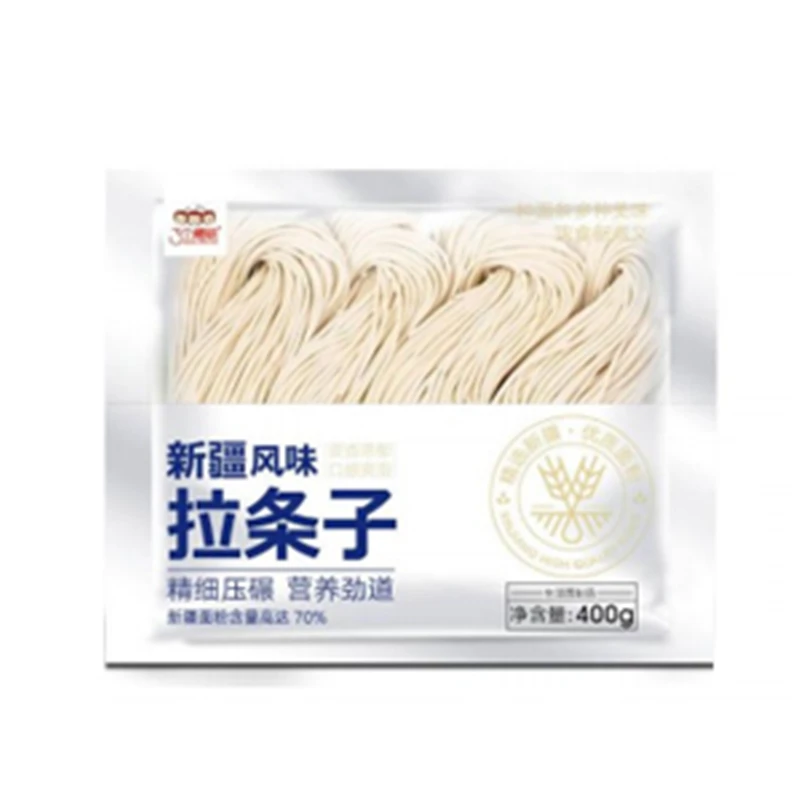
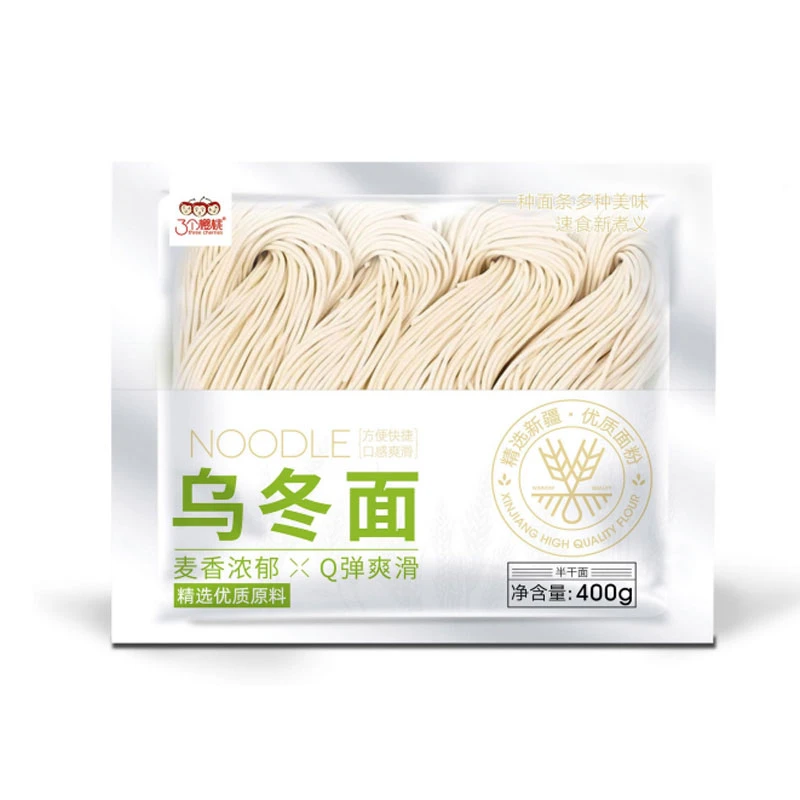
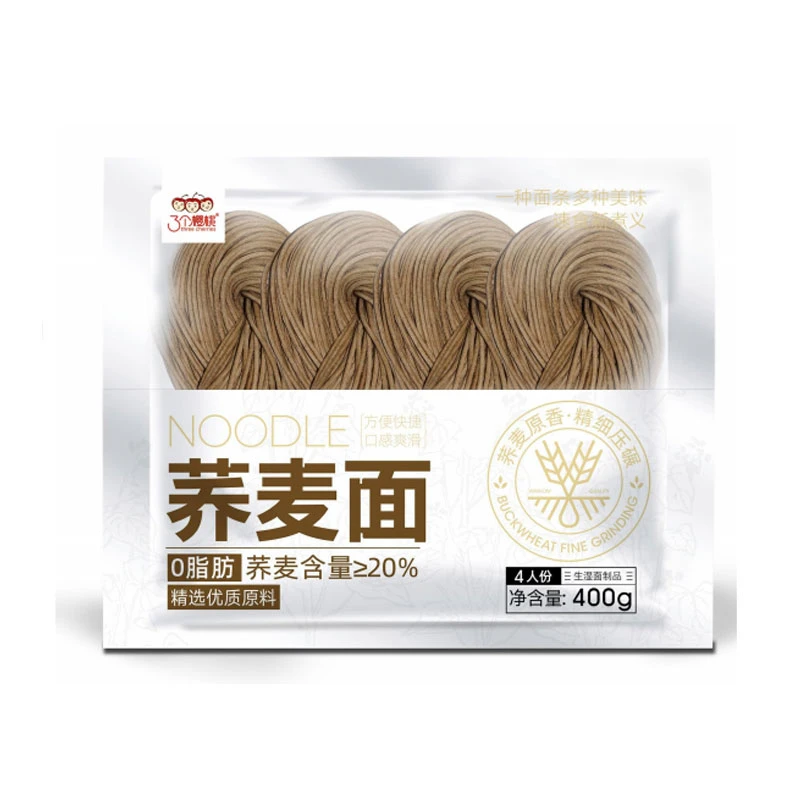
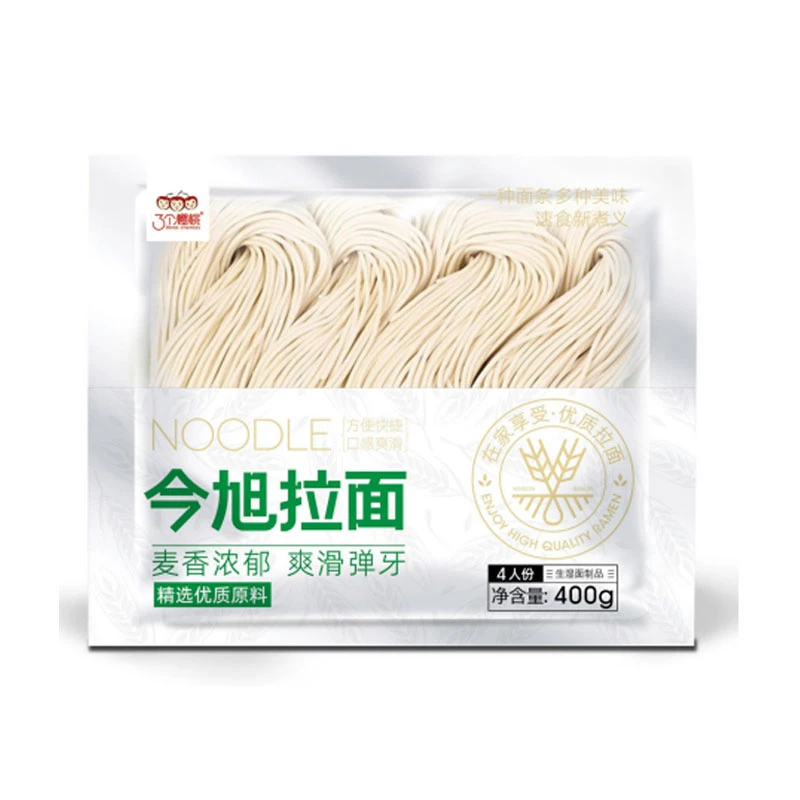
Put simply, Chinese whole wheat noodles are noodles made predominantly from whole wheat flour rather than refined white flour. This means they retain the bran and germ, resulting in higher dietary fiber, vitamins, and minerals. Traditionally, noodles in China have been made with white flour, but the modern trend leans towards whole grains for health reasons.
These noodles serve not only as a staple food but also as versatile ingredients in various dishes—stir-fried, boiled, or served cold. From an industrial perspective, their production represents a meaningful shift in food processing that aligns with growing consumer demands for more nutritional and sustainable options.
Core Components of Chinese Whole Wheat Noodles
1. Nutritional Value
The most prominent feature is their fiber content, which aids digestion and glycemic control. The retention of vitamin B complex and minerals like iron and magnesium also enriches the noodles nutritionally.
2. Ingredient Quality
Quality whole wheat flour is key. The wheat’s origin, milling technique, and wheat variety influence the final taste and texture. Many producers now source wheat in compliance with ISO standards to ensure consistency.
3. Manufacturing Process
Whole wheat noodles demand different processing techniques compared to white noodles, especially in dough hydration and extrusion methods to maintain optimal texture and prevent breakage.
4. Taste & Texture
Whole wheat noodles tend to have a denser and slightly nuttier flavor. This sometimes requires culinary adjustments, but it also opens culinary creativity in fusion cuisines.
5. Shelf Life & Storage
Because the bran in whole wheat flour contains oils, these noodles can spoil quicker than white-flour noodles and may require refrigeration or preservatives for longer shelf life.
Mini Takeaway:
Chinese whole wheat noodles combine enhanced nutrition with traditional culinary appeal but require specialized production techniques and supply chain attention to maintain quality.
Global Applications & Use Cases
Oddly enough, these noodles have started appearing beyond China’s borders, from health-conscious cafes in Europe to fusion restaurants in the US and sustainable food initiatives in Southeast Asia. For instance:
- In Chinese communities worldwide: They maintain cultural heritage while promoting better health.
- Institutional food programs: Schools and hospitals incorporate whole grain noodles to boost fiber in diets.
- Humanitarian Focus: NGOs working in food security recommend whole grain products, including noodles, to improve nutritional status in vulnerable populations.
- Foodservice Industry: Chefs explore whole wheat noodles for creative, health-forward menus that appeal to modern consumers.
Advantages & Long-Term Value
The benefits extend across several dimensions:
- Cost Efficiency: While often slightly pricier than white flour noodles, whole wheat noodles reduce long-term health costs due to their nutritional value.
- Sustainability: Promoting whole grain wheat can encourage diversified agriculture and reduce reliance on highly refined grains.
- Social Impact: These noodles support public health initiatives by providing more fiber and micronutrients.
- Reliability: Whole wheat noodles maintain texture under various cooking styles, although they require particular handling.
Product Specification Table: Chinese Whole Wheat Noodles
| Specification | Details |
|---|---|
| Main Ingredient | Whole wheat flour (≥ 90%) |
| Protein Content | 11-13% |
| Dietary Fiber | ≥ 6g per 100g |
| Shelf Life | 6-9 months (dry, cool storage) |
| Cooking Time | 4-6 minutes |
Vendor Comparison Table
| Vendor | Product Range | Sustainability Practices | Certifications | Export Markets |
|---|---|---|---|---|
| JX Semi-Dry Noodles Co. | Whole wheat, semi-dry, and instant noodles | Uses organic wheat, minimal packaging | ISO 22000, HACCP | Asia, Europe, North America |
| Harmony Foods Ltd. | Traditional and whole wheat noodles | Focus on water conservation | BRC, Organic | Asia, Middle East |
| Golden Grain Noodle Factory | Wide range including gluten-free alternatives | Renewable energy usage | ISO, Gluten-free Certification | Worldwide |
Future Trends & Innovations in Chinese Whole Wheat Noodles
Looking ahead, the field is ripe for innovation. Green energy-powered production lines are becoming more common, improving sustainability credentials. Plus, digital transformation, like AI-assisted quality control, helps maintain consistent texture and nutritional quality. There are also ongoing experiments with mixing ancient wheat varieties (like durum and spelt) for even richer nutritional profiles.
Automation is making production scalable while reducing costs, which will likely push whole wheat noodles further into mainstream global diets instead of niche markets. Plus, with the rise of personalized nutrition, we might soon see customized whole wheat noodles tailored for specific dietary needs… exciting times ahead.
Challenges & Solutions
That said, challenges remain. Whole wheat flour’s higher oil content can reduce shelf life, and the texture isn’t always what traditional consumers anticipate. Some producers battle to keep a taste customers like without losing the health benefits. One solution has been to blend whole wheat with other grains, balancing texture and nutrition.
Also, supply chain inconsistencies can impact flour quality, so many manufacturers invest in strong agricultural partnerships and traceability systems, aligning with ISO standards for food safety and quality. It’s a complex dance to make these noodles both delicious and reliable across markets.
Frequently Asked Questions About Chinese Whole Wheat Noodles
- Q: Are Chinese whole wheat noodles healthier than regular noodles?
- A: Yes, they typically contain more dietary fiber, vitamins, and minerals due to the retention of the wheat bran and germ, which are removed in refined noodles.
- Q: Can Chinese whole wheat noodles be used in all traditional noodle dishes?
- A: Generally yes, though their slightly denser texture and nuttier flavor might alter the dish's profile slightly. They work well in stir-fries, soups, and cold noodle salads.
- Q: How should I store whole wheat noodles to keep them fresh?
- A: Keep them in a cool, dry place. For longer shelf life, refrigeration is recommended, especially in humid climates due to the oils in the bran that can become rancid.
- Q: Are there suppliers who export Chinese whole wheat noodles globally?
- A: Yes, companies like JX Semi-Dry Noodles Co. export globally and follow strict food safety standards.
Conclusion
In real terms, Chinese whole wheat noodles are more than just a traditional staple food—they represent a harmonious blend of heritage and modern nutrition needs. Their growing global presence reflects changing consumer preferences toward healthier eating and sustainability. Exploring these noodles gives insights into bigger trends in agriculture, food technology, and health policy.
To learn more or explore quality products, visit our website: https://www.jxsemidrynoodles.com.
Final thought: sometimes, the simplest foods carry the richest stories — and Chinese whole wheat noodles are certainly telling one.
References:
-
Discover the Authentic Taste of Korean Buckwheat NoodlesNewsApr.16,2026
-
Discover the Refreshing Taste of Authentic Korean Cold SobaNewsApr.09,2026
-
Discover the Refreshing Taste of Korean Cold Buckwheat Noodles NaengmyeonNewsApr.07,2026
-
Discover the Cool and Refreshing World of Korean Buckwheat Noodles ColdNewsApr.04,2026
-
Discover the Refreshing Taste of Japanese Cold Buckwheat Noodles and Zaru SobaNewsMar.31,2026
-
Exploring the Delicious World of Chinese Style Cold NoodlesNewsMar.28,2026
-
Discover the Cool and Refreshing World of Korean Cold Soba NoodlesNewsMar.26,2026
Browse qua the following product new the we