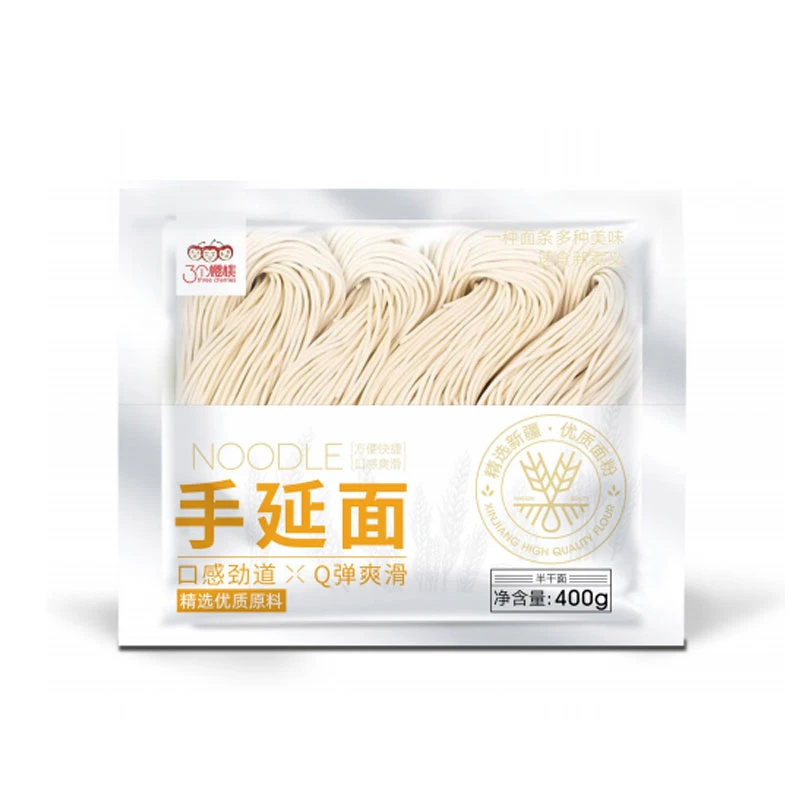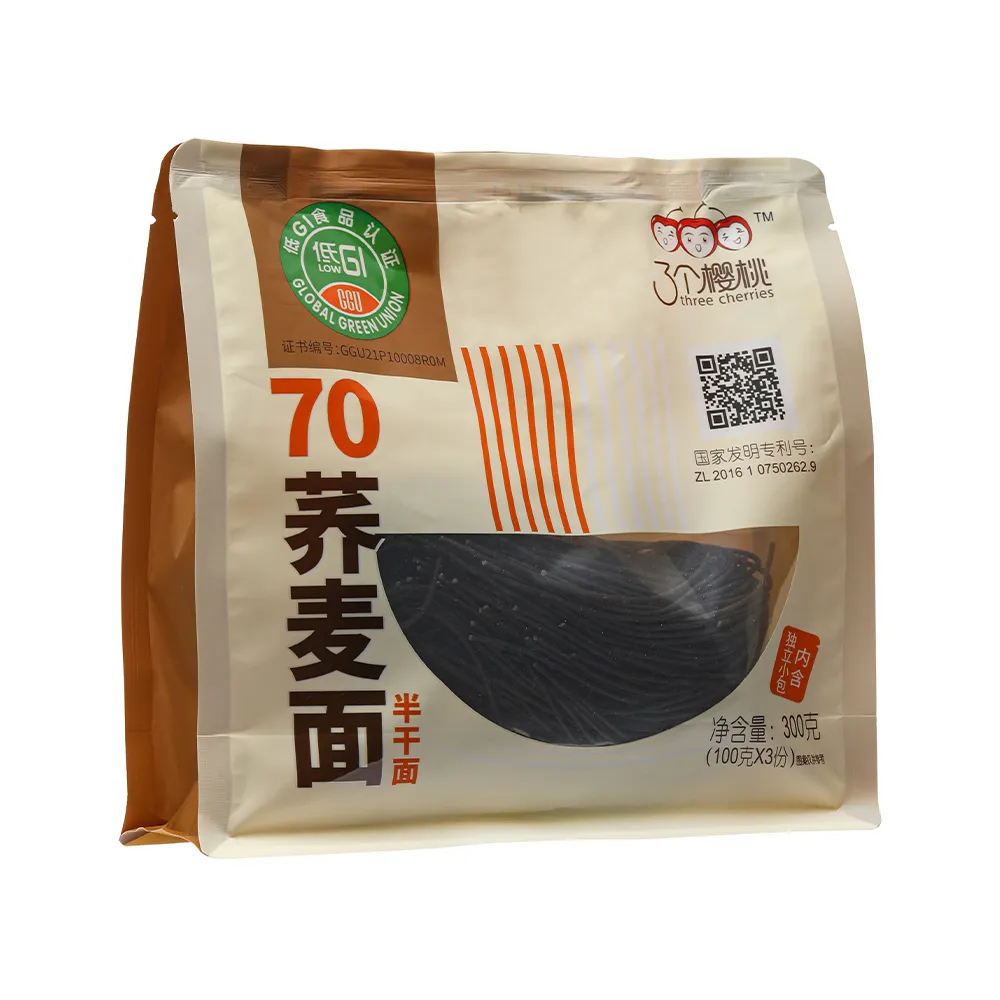

Premium Buckwheat Noodles: Healthy Soba Types & Diabetic Friendly
Introduction to Buckwheat Noodles and Market Trends
The global food industry is experiencing a profound shift towards healthier, functional, and sustainably produced options. Within this evolving landscape, buckwheat noodles, commonly known as soba, are emerging as a pivotal product for B2B enterprises aiming to cater to an increasingly health-conscious consumer base. These traditional Japanese noodles, crafted primarily from buckwheat flour, offer a compelling nutritional profile that distinguishes them from conventional pasta and wheat-based alternatives.
Key market trends driving the demand for advanced noodle solutions include a growing incidence of diabetes, a heightened awareness of dietary glycemic load, and the expansion of plant-based and gluten-sensitive diets. Our flagship product, the Low GI70 Soba, directly addresses these needs, positioning itself as a superior choice for food manufacturers, distributors, and foodservice providers. This product not only upholds authentic flavor and texture but also delivers significant health benefits, making it an indispensable component for innovative food product development and menu diversification. Understanding the diverse soba noodles types and their specific attributes is crucial for market penetration and meeting varied consumer demands.
Detailed Manufacturing Process Flow for Buckwheat Noodles
The production of high-quality buckwheat noodles, particularly specialized variants like Low GI70 Soba, involves a meticulous, multi-stage process optimized for consistency, nutritional integrity, and hygiene. Our manufacturing facilities adhere to stringent international standards, including ISO 22000 and HACCP, ensuring product safety and quality from raw material sourcing to final packaging.
Process Flow Overview:
- 1. Raw Material Sourcing & Quality Control: Selection of premium buckwheat flour, often specific ratios (e.g., 70% buckwheat for Low GI70 soba, with the remainder being wheat flour for binding or other flours for texture modification). All incoming materials undergo rigorous testing for purity, moisture content, protein levels, and absence of contaminants, meeting internal and international standards like ANSI food-grade specifications.
- 2. Precision Mixing & Kneading: Controlled blending of flours, water, and a minimal amount of salt in industrial mixers. This stage is critical for achieving the optimal dough consistency and hydration. Specialized techniques are employed to manage the unique properties of buckwheat dough, which has less gluten development compared to wheat.
- 3. Dough Resting & Maturation: The prepared dough is allowed to rest under controlled temperature and humidity. This resting period facilitates proper hydration of the flour particles and allows any gluten (if present from wheat flour) to relax, improving workability and final noodle texture.
- 4. Sheeting & Cutting (Extrusion): The dough is then processed through high-precision rollers to achieve a consistent, thin sheet, or extruded through dies to form the desired noodle thickness and width. This process mirrors the precision of CNC machining in other industries, ensuring uniform product dimensions.
- 5. Pre-Cooking (Steaming/Partial Boiling): For semi-dry soba, noodles undergo a brief steaming or partial boiling process. This gelatinizes the starch, setting the noodle structure and reducing final cooking time for the end-user. The timing and temperature are precisely controlled to maintain desired texture.
- 6. Rapid Cooling: Post-cooking, the noodles are quickly cooled to halt the cooking process and prevent over-gelatinization, preserving their firm, elastic texture.
- 7. Controlled Drying: The noodles enter state-of-the-art drying chambers where temperature, humidity, and airflow are meticulously regulated. This "semi-dry" process differs from traditional fully dry methods, resulting in a product with superior fresh texture and reduced rehydration time. This stage is analogous to precision forging in terms of controlled environment for material transformation.
- 8. Final Cutting & Packaging: Dried noodles are cut to precise lengths and moved to automated packaging lines. Various packaging formats are available, from individual servings to bulk options.
- 9. Final Quality Assurance & Testing: Each batch undergoes comprehensive testing, including sensory evaluation, moisture content analysis, microbial testing, and verification of nutritional parameters like GI, protein, and fiber. This ensures adherence to published specifications and consumer safety.
Service Life: Our semi-dry buckwheat noodles are engineered for an extended shelf life of typically 12-18 months under recommended storage conditions, offering substantial advantages in logistics and inventory management for target industries such as food distribution, catering, and institutional food service.
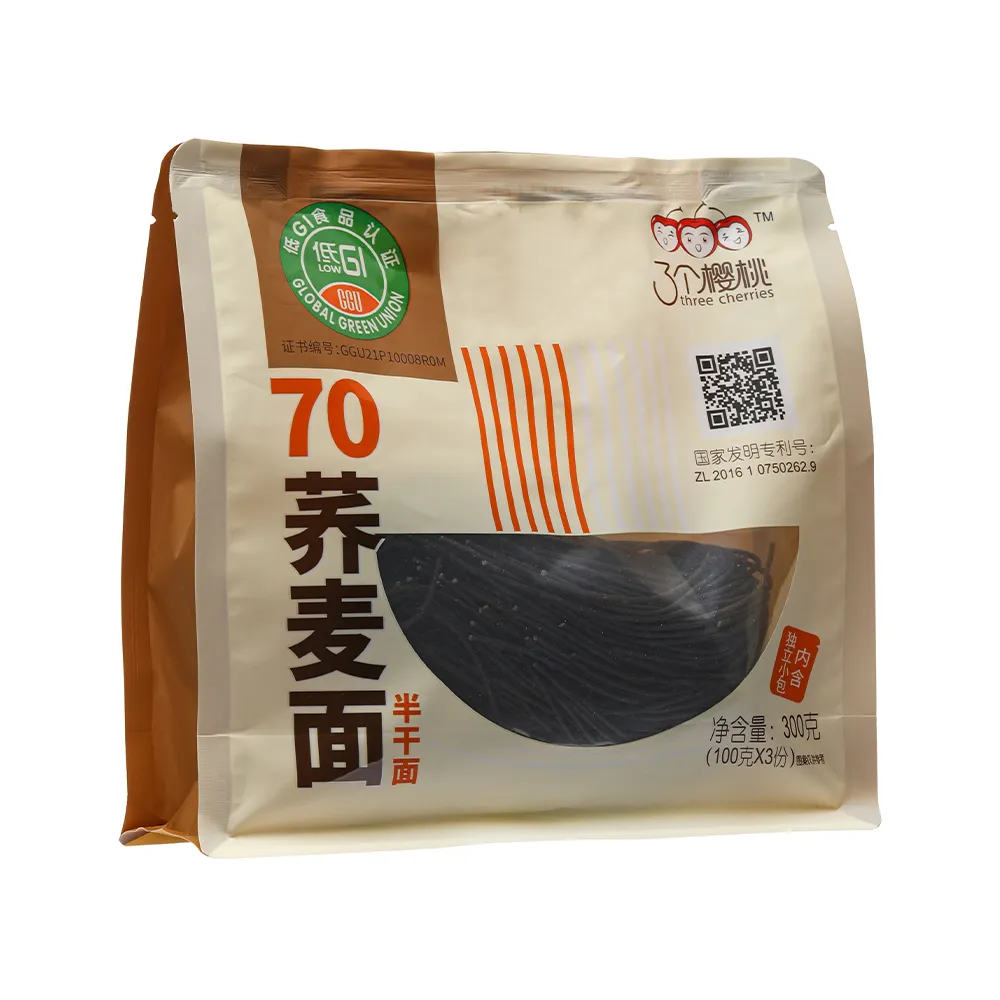
Technical Specifications & Nutritional Profile: Low GI70 Soba
The Low GI70 Soba is specifically engineered to meet the stringent requirements of health-conscious markets, providing a nutritionally superior alternative to traditional pasta products. Its technical specifications are paramount for partners in the healthcare, wellness, and specialized food sectors.
Product Specification Table: Low GI70 Soba (Per 100g serving, uncooked)
| Parameter | Value (Typical) | Unit |
|---|---|---|
| Glycemic Index (GI) | ~70 (Low) | N/A |
| Energy | 350 | kcal |
| Protein | 12.5 | g |
| Dietary Fiber | 4.0 | g |
| Total Carbohydrates | 70.0 | g |
| Total Fat | 2.0 | g |
| Sodium | 100-200 | mg |
| Moisture Content (Semi-dry) | 15-20 | % |
| Optimal Cooking Time | 4-6 | minutes |
| Packaging Options | Retail (200g, 400g), Foodservice (1kg, 5kg bulk) | N/A |
The targeted GI of ~70 classifies this product as a moderate-to-low GI food, making it particularly suitable as `diabetic noodles` and for individuals managing blood sugar levels. The robust protein and fiber content further contribute to satiety and digestive health. These meticulously controlled parameters ensure that B2B clients receive a product that is not only high in quality but also delivers tangible health benefits, aligning with the growing demand for functional foods.
Application Scenarios & Target Industries
The versatility and health advantages of Low GI70 Soba position it as a premium ingredient and standalone product across a broad spectrum of industries. Its unique profile addresses evolving consumer preferences and operational efficiencies for various B2B partners.
- Food Service & Hospitality: High-end restaurants, catering services, and hotel chains can integrate Low GI70 Soba into diverse menu offerings, from traditional Japanese dishes to fusion cuisine. Its quick cooking time (4-6 minutes) and consistent quality offer significant operational advantages, enhancing kitchen efficiency and ensuring a premium dining experience.
- Retail & Specialty Stores: Supermarkets, organic food stores, and international grocers can capitalize on the growing consumer demand for healthy, functional ingredients. The product's appeal as `diabetic noodles` and a gluten-sensitive option makes it a strong contender for shelf space in wellness sections.
- Healthcare & Dietary Programs: Hospitals, diet clinics, and senior living facilities can reliably incorporate Low GI70 Soba into medically supervised diets. Its low GI characteristic provides a stable energy source, crucial for patients with diabetes or those requiring controlled carbohydrate intake.
- Meal Kit & Prepared Meal Manufacturers: Companies specializing in convenient, healthy meal solutions benefit from the semi-dry format's extended shelf life and ease of preparation. This facilitates efficient inventory management and ensures a fresh-tasting product for the end-user.
- Export Markets: With increasing global appreciation for Japanese cuisine and health foods, Low GI70 Soba is well-suited for export. The emphasis on quality and nutritional benefits, including its relevance as `soba in chinese` and other Asian markets, ensures broad appeal.
In these scenarios, the primary advantages manifest as enhanced brand reputation through health-conscious offerings, improved operational efficiency due to product stability and quick preparation, and robust market differentiation. Unlike industrial components that offer corrosion resistance, for food products like buckwheat noodles, the 'resistance' comes from their inherent stability against spoilage, consistent texture post-preparation, and maintenance of nutritional value over their shelf life, ensuring reliable performance in various culinary applications.
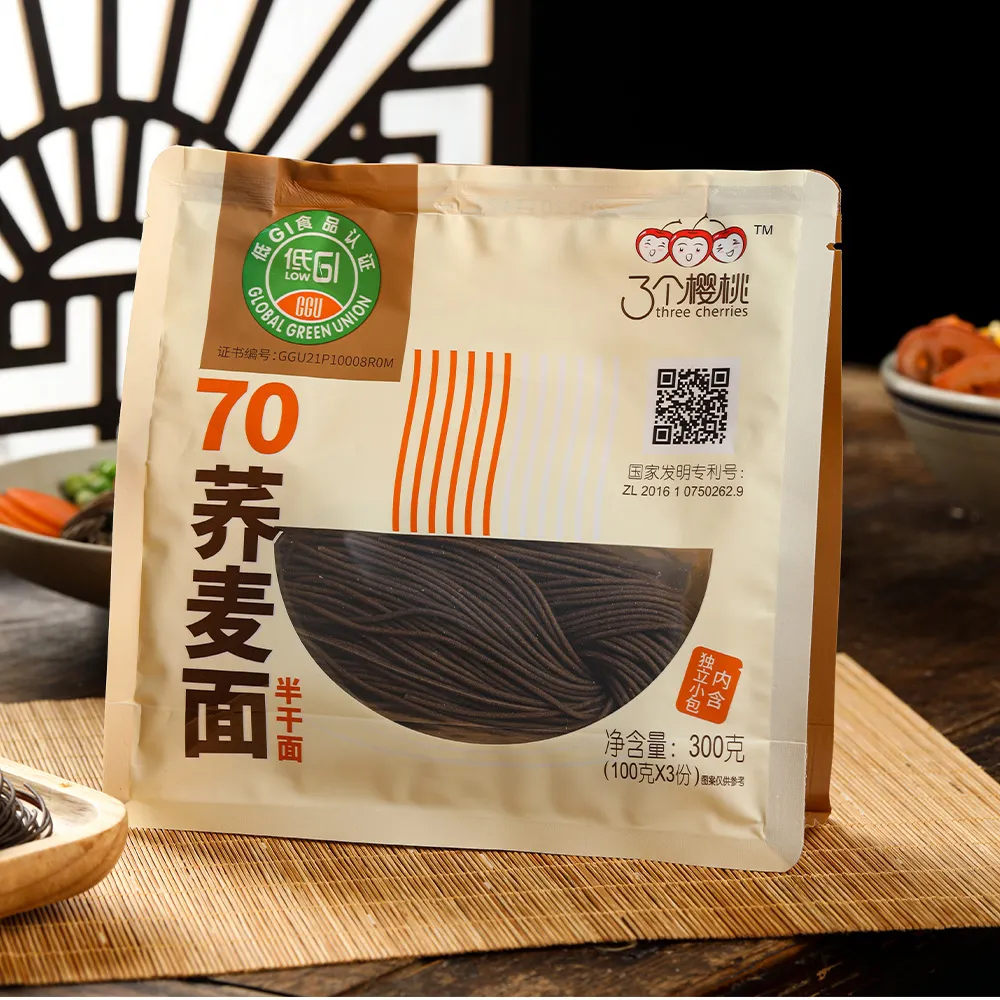
Technical Advantages and Value Proposition
Our Low GI70 Soba distinguishes itself through a series of technical and nutritional advantages that deliver significant value to B2B partners seeking to innovate and lead in the health food sector.
- Optimized Glycemic Response: The cornerstone of our product is its certified low GI of ~70. This makes it an ideal choice for consumers managing blood glucose, directly addressing the market for `diabetic noodles` and supporting metabolic health.
- Superior Nutritional Density: Beyond GI, our buckwheat noodles are rich in essential amino acids, dietary fiber, and complex carbohydrates, offering a more complete nutritional profile compared to traditional wheat pastas. This supports sustained energy release and satiety.
- Authentic Sensory Experience: Through optimized processing, the Low GI70 Soba retains the characteristic firm yet tender texture and delicate nutty flavor profile expected from authentic soba. This ensures high consumer acceptance and culinary versatility.
- Consistent Product Quality & Safety: Our adherence to ISO 22000 and HACCP standards guarantees batch-to-batch consistency in texture, cooking performance, and nutritional composition. This minimizes variability for food service and manufacturing clients.
- Extended Shelf Life & Logistics Efficiency: The semi-dry format significantly extends shelf life compared to fresh noodles while offering faster preparation than fully dried alternatives. This reduces spoilage, simplifies inventory management, and streamlines supply chain operations.
- Cost-Effectiveness in Value: While initial `soba noodles cost` might be perceived higher than generic wheat noodles, the value proposition lies in enhanced customer satisfaction, ability to command premium pricing for end-products, reduced food waste (due to shelf stability), and access to growing health markets. It positions businesses as leaders in healthy innovation.
These advantages collectively empower our B2B partners to meet evolving consumer demands, optimize their operations, and reinforce their commitment to health and quality.
Vendor Comparison: Low GI70 Soba vs. Market Alternatives
A strategic comparison highlights the competitive edge of Low GI70 Soba in a crowded market, emphasizing its superior characteristics for B2B applications.
Noodle Product Comparison Table
| Feature/Product | Low GI70 Soba | Standard Buckwheat Noodles (Generic Soba) | Standard Wheat Noodles (e.g., Udon/Ramen) |
|---|---|---|---|
| Glycemic Index (GI) | ~70 (Low/Moderate) | ~80-85 (Moderate/High) | ~70-90 (Moderate/High) |
| Protein Content (g/100g) | 12.5 | 10-12 | 10-14 |
| Dietary Fiber (g/100g) | 4.0 | 2.5-3.5 | 2.0-3.0 |
| Manufacturing Standards | ISO 22000, HACCP | Variable (often regional) | Variable (often regional) |
| Product Form | Semi-dry | Dry, Fresh, Semi-dry | Dry, Fresh |
| Shelf Life | 12-18 months | 6-12 months (dry), shorter (fresh/semi-dry) | 6-24 months (dry), shorter (fresh) |
| Target Market Focus | Health, Wellness, Specialty | General Asian cuisine | General pasta/noodle market |
This comparison highlights the deliberate formulation and processing of our Low GI70 Soba to surpass conventional `soba noodles types` in specific health metrics, making it a premium choice for businesses focused on health-driven culinary solutions. The emphasis on controlled GI and higher fiber content directly addresses the needs of markets seeking `diabetic noodles` without compromising on taste or quality.
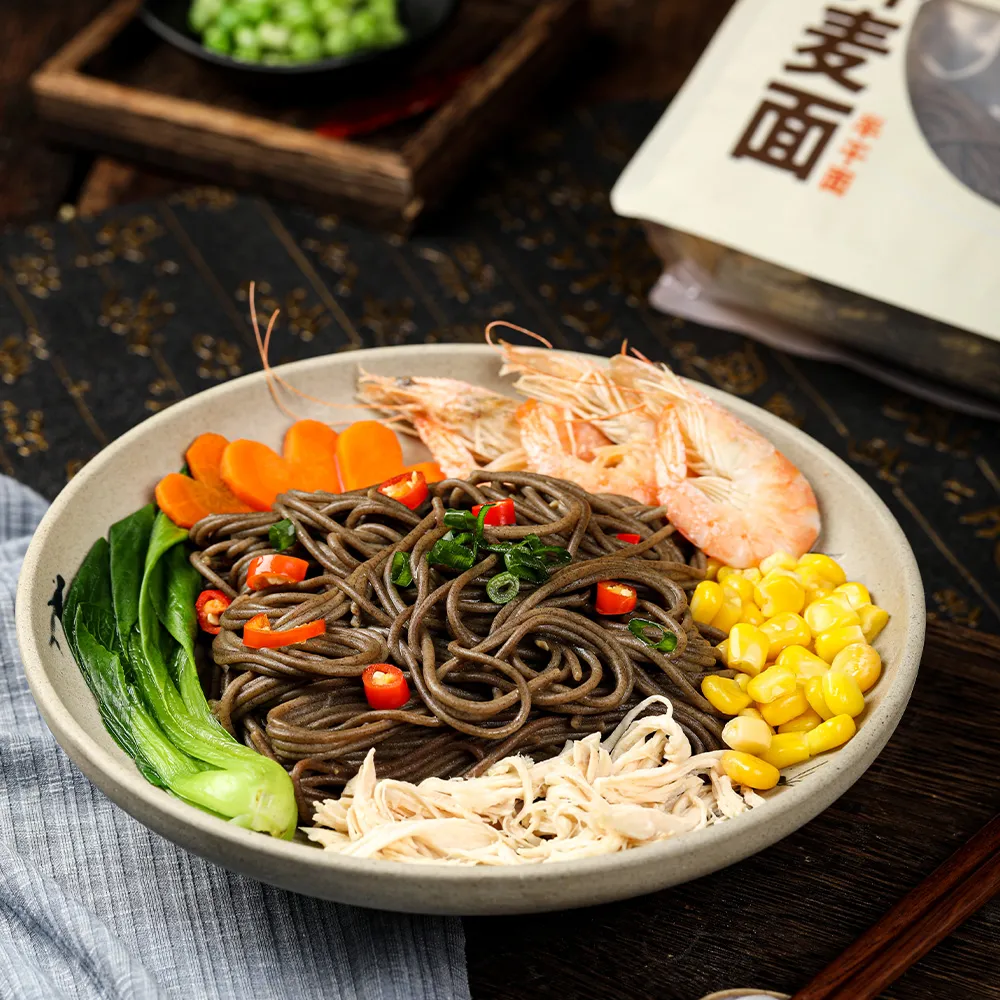
Customized Solutions & Partner Collaboration
Understanding that B2B partners often have unique requirements, we offer extensive customization options for our buckwheat noodles to seamlessly integrate into diverse product portfolios and supply chains.
- Ingredient Modifications: While the Low GI70 Soba offers a benchmark, we can explore variations in buckwheat-to-wheat flour ratios (e.g., 100% buckwheat for gluten-free options, or different blends for specific textural profiles).
- Texture & Form Factor Adjustment: Fine-tuning noodle thickness, width, or even specific shapes to align with particular culinary applications or regional preferences (e.g., `soba in chinese` markets may have distinct textural expectations).
- Packaging Solutions: From bulk foodservice packs (e.g., 5kg, 10kg) to private-label retail packaging and individual serving sizes for meal kits, our packaging flexibility supports various market strategies.
- Nutritional Profile Tailoring: For large-volume orders, specific adjustments to protein, fiber, or sodium levels can be considered to meet highly specialized dietary needs or regulatory requirements.
- Logistics & Supply Chain Integration: We work closely with partners to develop optimized logistics solutions, including specific delivery schedules, warehousing options, and international shipping protocols, to ensure efficient and timely product flow.
Our collaborative approach ensures that the bespoke solutions not only meet technical specifications but also enhance market competitiveness and profitability for our partners, making the `soba noodles cost` a long-term investment in quality and brand reputation.
Application Case Studies & Customer Success
Our commitment to quality and innovation is demonstrated through successful partnerships and real-world applications of our Low GI70 Soba.
Case Study 1: Large-Scale Institutional Catering
Challenge: A major institutional catering service, supplying meals to university campuses and corporate cafeterias, sought to integrate healthier, functional food options to meet growing student and employee demand for wellness-focused menus. Their primary goal was to offer `diabetic noodles` without compromising on taste or preparation efficiency.
Solution: We partnered with the catering service to introduce Low GI70 Soba into their diverse menu. Our technical support team provided recipe development assistance and best practices for large-batch preparation. The semi-dry format proved ideal for their high-volume operations due to its quick cooking time and consistent yield.
Results: The integration of Low GI70 Soba led to a 20% increase in positive feedback regarding healthy meal options. The catering service reported a significant improvement in customer satisfaction metrics and a competitive advantage in securing new contracts focused on wellness initiatives. The operational cost savings from reduced prep time also contributed positively to their bottom line.
Case Study 2: Premium Health Food Retail Chain Expansion
Challenge: A rapidly expanding health food retail chain aimed to diversify its noodle aisle with high-quality, health-specific options that resonated with its discerning customer base. They needed a reliable supplier capable of meeting demand across multiple locations and providing a product with certified health claims.
Solution: We supplied the retail chain with our Low GI70 Soba under a private label agreement. Our product's certified GI status and transparent nutritional profile were key selling points. We also provided marketing materials emphasizing the benefits of buckwheat noodles for a healthy diet.
Results: Within six months of launch, Low GI70 Soba became one of the top-selling noodle products in the chain's "functional foods" category, contributing to a 15% increase in category revenue. Customer testimonials highlighted the great taste and health benefits, driving repeat purchases and enhancing the retailer's reputation as a purveyor of premium health products.
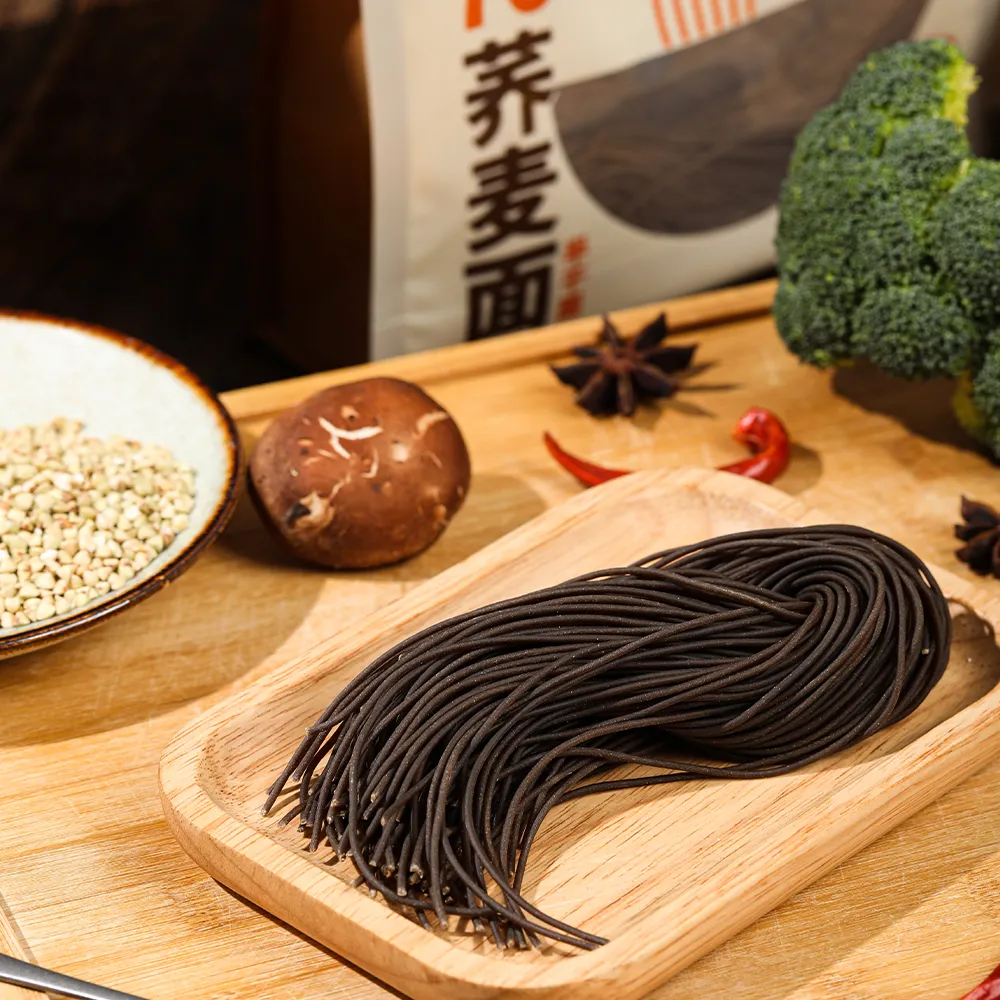
Commitment to Quality, Trust, and Support ( Compliance)
Our operations are built on a foundation of trust, expertise, authoritativeness, and experience, ensuring our partners receive not just a product, but a comprehensive, reliable solution.
Certifications & Authoritative Standards:
- ISO 22000 Certified: Our manufacturing processes adhere to the highest international standards for food safety management, guaranteeing consistent product quality and safety.
- HACCP Compliant: We implement a robust Hazard Analysis and Critical Control Points system to proactively manage food safety risks.
- Third-Party GI Testing: The low Glycemic Index of our Low GI70 Soba is validated by independent laboratories, providing verifiable data for health claims.
- FDA Registered Facility: Our facility is registered with the U.S. FDA, demonstrating compliance with food safety regulations for export to the United States.
Frequently Asked Questions (FAQ) for B2B Partners:
- Q: What is the minimum order quantity (MOQ) for Low GI70 Soba?
A: Our standard MOQ for Low GI70 Soba is typically 500kg, but we offer flexibility for initial trial orders and specific project requirements. Please contact our sales team for detailed discussions. - Q: What is the typical lead time for large orders?
A: For standard orders, the lead time is generally 3-4 weeks from order confirmation and payment receipt. Customization or very large volume orders may require additional time, which will be communicated clearly during the quotation process. - Q: What are the storage requirements for semi-dry buckwheat noodles?
A: Low GI70 Soba should be stored in a cool, dry place, away from direct sunlight and strong odors. Ideal storage temperature is below 25°C (77°F). Refrigeration is not required prior to opening. - Q: Do you offer private label services for buckwheat noodles?
A: Yes, we provide comprehensive private label services, including packaging design support, to help our partners establish their brand identity with our premium Low GI70 Soba. - Q: How do you ensure product consistency and quality?
A: Our commitment to quality is upheld through stringent raw material selection, advanced manufacturing processes governed by ISO 22000 and HACCP, continuous in-process quality checks, and final product testing. Each batch is traceable and accompanied by a Certificate of Analysis.
Warranty & Customer Support:
We stand behind the quality of our Low GI70 Soba with a comprehensive product warranty covering manufacturing defects and adherence to stated specifications. Our dedicated B2B customer support team is available to assist with technical inquiries, order management, logistics coordination, and after-sales service. We are committed to fostering long-term, successful partnerships through proactive communication and responsive problem-solving.
For further assistance or to discuss your specific needs for buckwheat noodles, please contact us via our website or direct sales channels. We are here to ensure your success.
Conclusion
The Low GI70 Soba represents a pinnacle in functional food innovation, offering B2B partners a product that perfectly aligns with the global demand for health-promoting and sustainably produced food items. From its meticulously controlled manufacturing process to its robust nutritional profile, this product offers distinct advantages in quality, consistency, and market appeal. By choosing our premium buckwheat noodles, businesses can confidently cater to the evolving needs of health-conscious consumers, differentiate their offerings, and drive significant value in the competitive food market.
References
- International Organization for Standardization (ISO) Official Website. ISO 22000:2018 Food safety management systems.
- Codex Alimentarius Commission. HACCP Principles and Guidelines.
- University of Sydney Glycemic Index Research Service (SUGiRS). Database and methodology for GI testing.
- United States Food and Drug Administration (FDA) Official Website. Food Facility Registration guidance.
- National Institutes of Health (NIH). Dietary Guidelines for Americans.
-
Discover the Authentic Taste of Korean Buckwheat NoodlesNewsApr.16,2026
-
Discover the Refreshing Taste of Authentic Korean Cold SobaNewsApr.09,2026
-
Discover the Refreshing Taste of Korean Cold Buckwheat Noodles NaengmyeonNewsApr.07,2026
-
Discover the Cool and Refreshing World of Korean Buckwheat Noodles ColdNewsApr.04,2026
-
Discover the Refreshing Taste of Japanese Cold Buckwheat Noodles and Zaru SobaNewsMar.31,2026
-
Exploring the Delicious World of Chinese Style Cold NoodlesNewsMar.28,2026
-
Discover the Cool and Refreshing World of Korean Cold Soba NoodlesNewsMar.26,2026
Browse qua the following product new the we