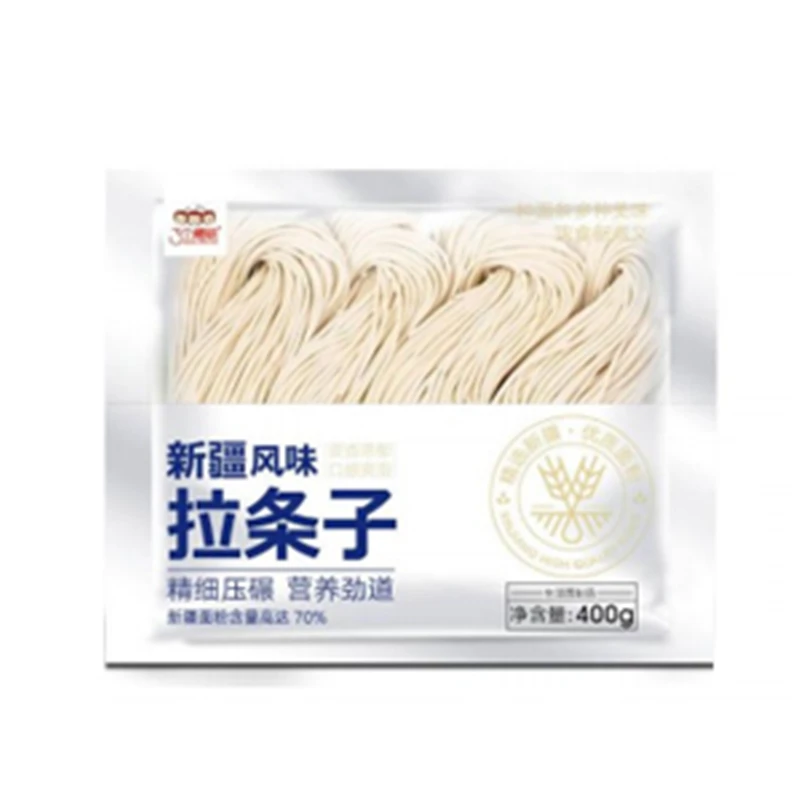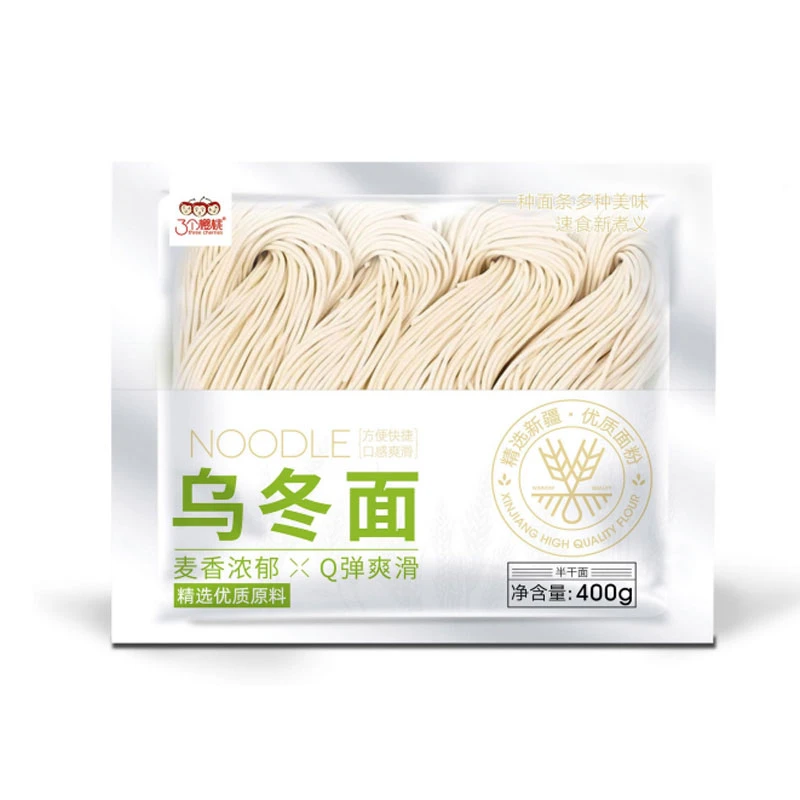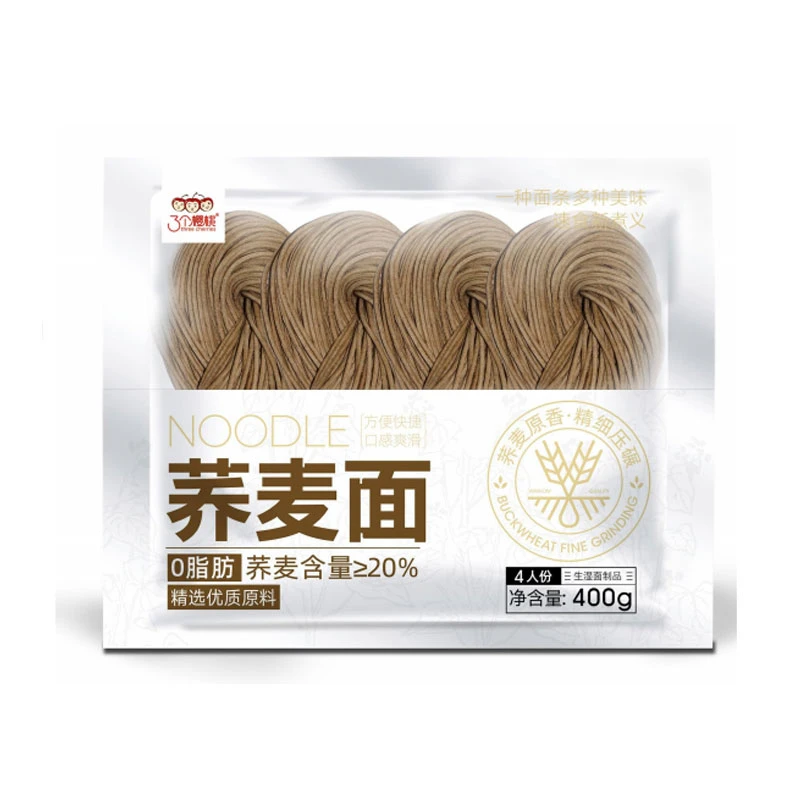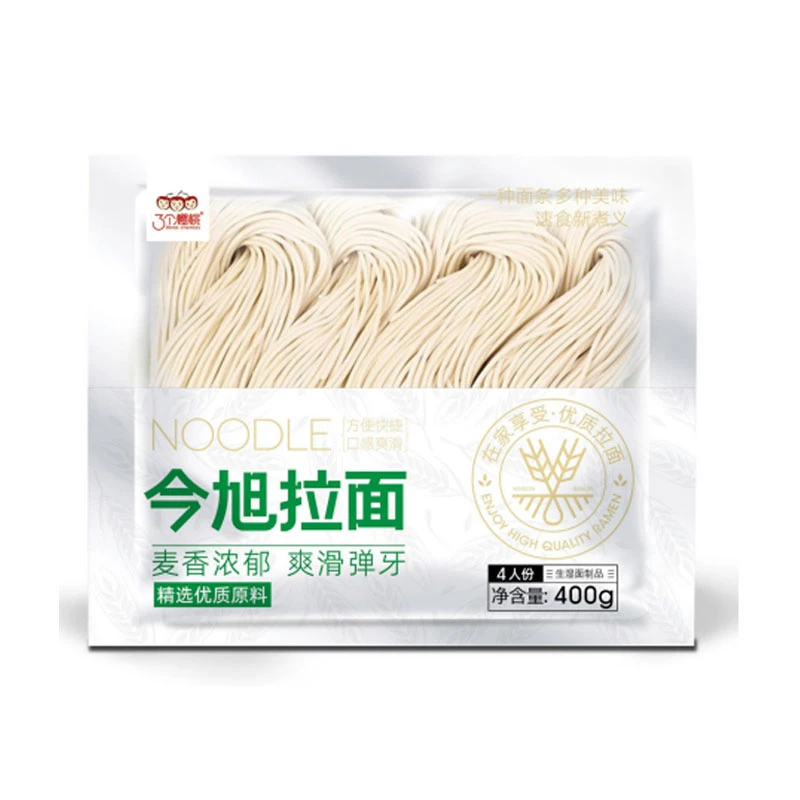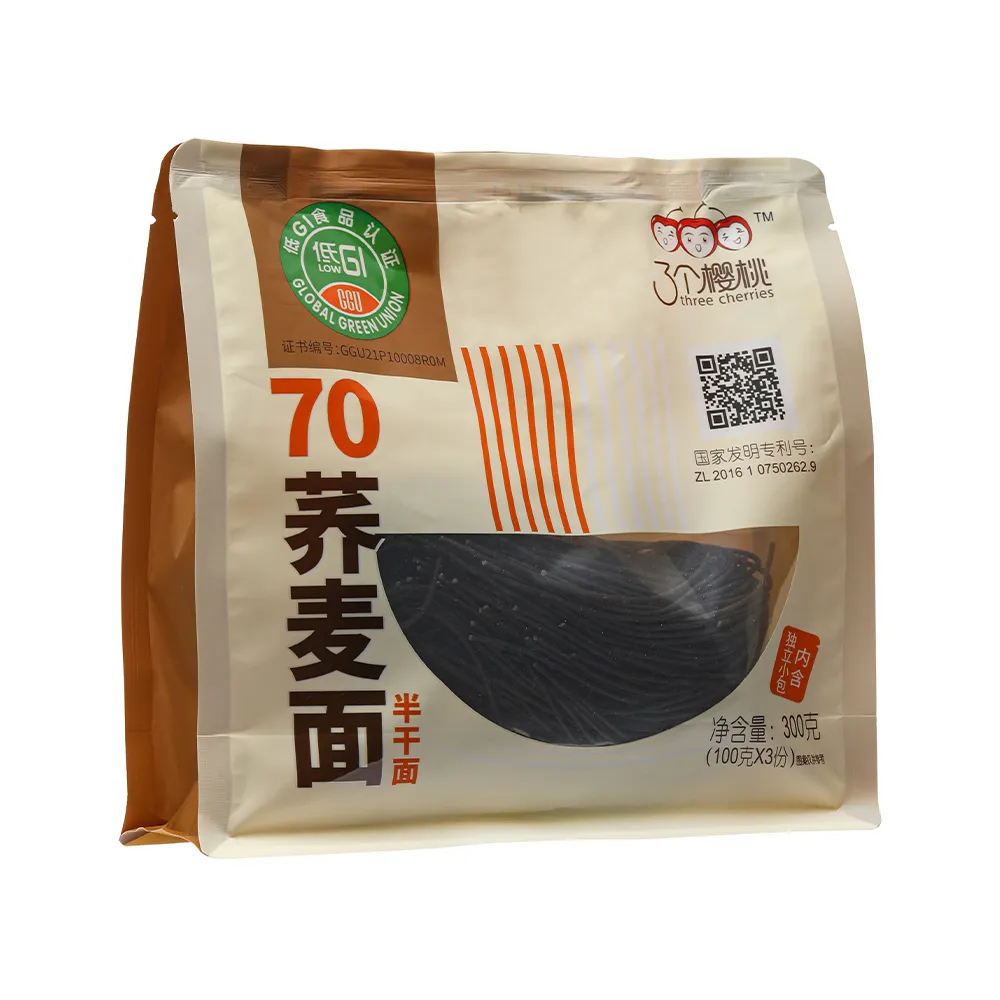

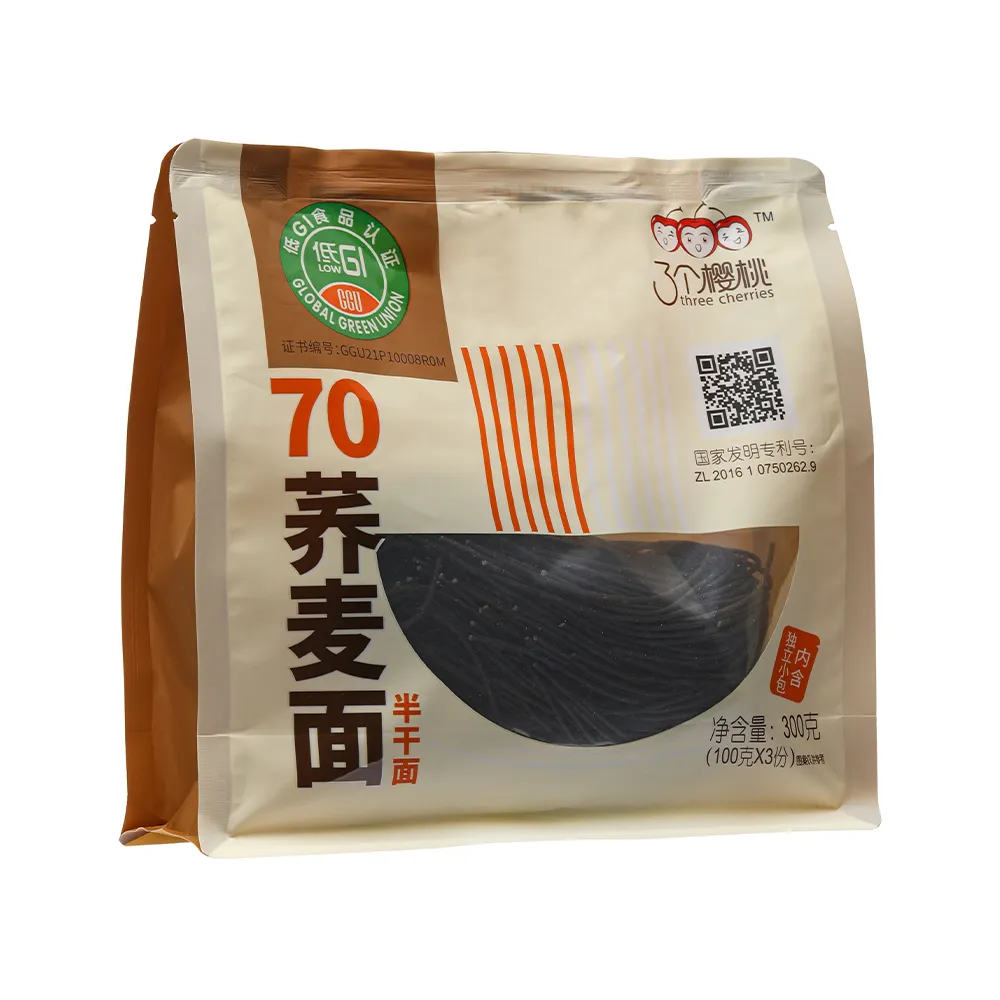
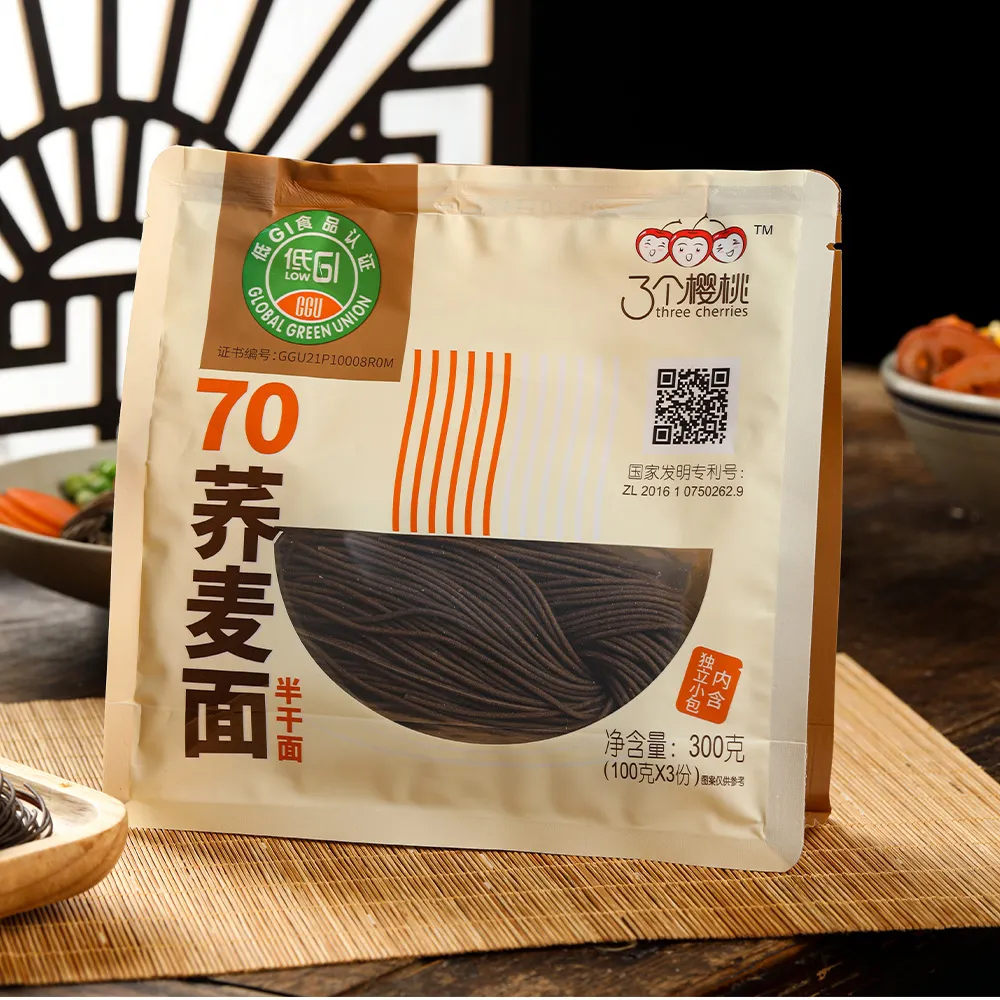
Low GI70 soba noodles - Slow Energy, Buckwheat Fiber
Hands-on field notes: Low GI70 soba for modern kitchens
I’ve been tasting and benchmarking noodles for a decade, from factory steam rooms to cramped ramen carts. This one caught my eye because semi-dry buckwheat formats are getting serious traction in foodservice. To be honest, the name is a mouthful, but Low GI70 soba lands in a sweet spot: fast prep, steady texture, and sensible storage. Origin-wise, it comes out of Oriental Food City, Longyao County, Xingtai City, Hebei Province—an area with a real manufacturing backbone.
Why the semi-dry soba trend matters
Consumers want glycemic transparency and chefs want reliability. Semi-dry formats reduce breakage, cut cooking variability, and, surprisingly, travel better than fully fresh—without the frozen logistics headache. In fact, many buyers tell me semi-dry is the “just-right” compromise for central kitchens and meal kits.
Key specifications (real-world use may vary)
| Item | Spec |
|---|---|
| Format / Name | Low GI70 soba, semi-dry buckwheat noodles |
| Net weight | 300 g per retail pack |
| Glycemic index | ≈70 (internal method aligned with ISO 26642; n≈3) |
| Moisture at pack | ≈28% (ref. ISO 712) |
| Cooking time | ≈4–6 minutes in boiling water |
| Shelf life / service life | 4 months at room temp; 8 months at 0–10°C |
| Storage | Cool, dry place; or refrigeration 0–10°C |
| Allergens | Contains wheat and buckwheat |
Process flow and QC (short version)
- Materials: buckwheat flour + wheat flour, potable water, optional minor salts.
- Methods: hydration and mixing; dough resting; sheeting/extrusion; cutting; semi-drying to target moisture; cooling; pack-out.
- Testing: moisture (ISO 712), GI verification (ISO 26642 protocol), hygiene under HACCP; label compliance per GB 7718 or local equivalent.
- Typical in-house data: GI ≈70 ±3; TPC
- Service life: designed for 4–8 months depending on storage (see above).
- Industries: meal kits, corporate canteens, airline catering, healthcare menus.
Where it shines
Menu dev teams use Low GI70 soba for chilled salad bowls, hot broths, and quick sauté dishes. It holds bite after rinse—handy for batch-cook lines. Honestly, I was expecting more breakage; didn’t happen.
| Metric | Low GI70 soba | Vendor A (commodity dry) | Vendor B (frozen) |
|---|---|---|---|
| GI positioning | ≈70 | ≈75–85 | varies (data not always stated) |
| Cook time | 4–6 min | 6–8 min | 2–3 min (but freezer needed) |
| Storage | Ambient or 0–10°C | Ambient only | Frozen chain |
| Customization | Cut width/length, pack, private label | Limited | Limited |
Comparative values are indicative; supplier specs and real-world outcomes may vary.
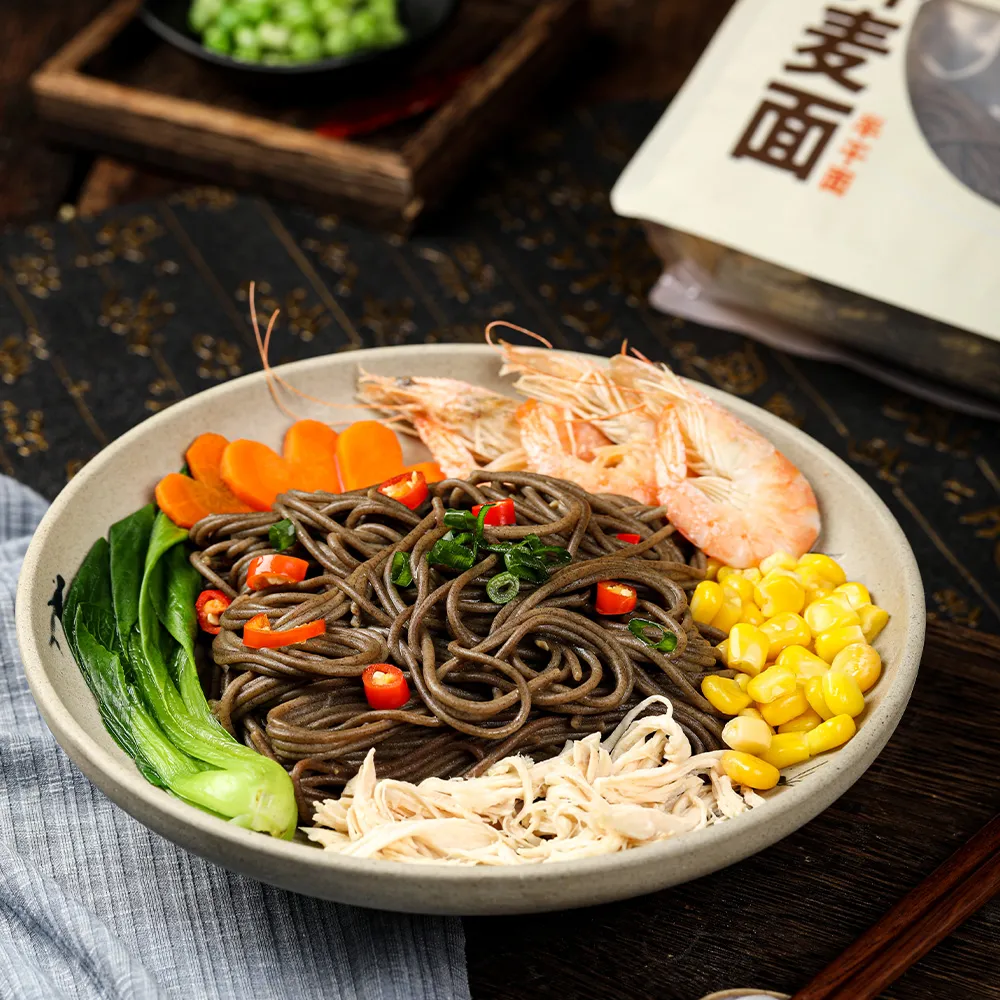
Customization and packaging
- Cut width/thickness: soba-style square strands; custom ≈1.5–2.2 mm on request.
- Pack formats: 300 g retail; bulk foodservice packs by arrangement.
- Labeling: multilingual/private label options; nutrition panel support.
Case snapshots (composite, based on buyer feedback)
- Meal-kit brand: switch to Low GI70 soba cut prep time ≈20% and reduced noodle breakage complaints notably in summer shipments.
- Hospital menu rotation: GI transparency and consistent bite helped standardize a chilled soba bowl under strict HACCP workflows.
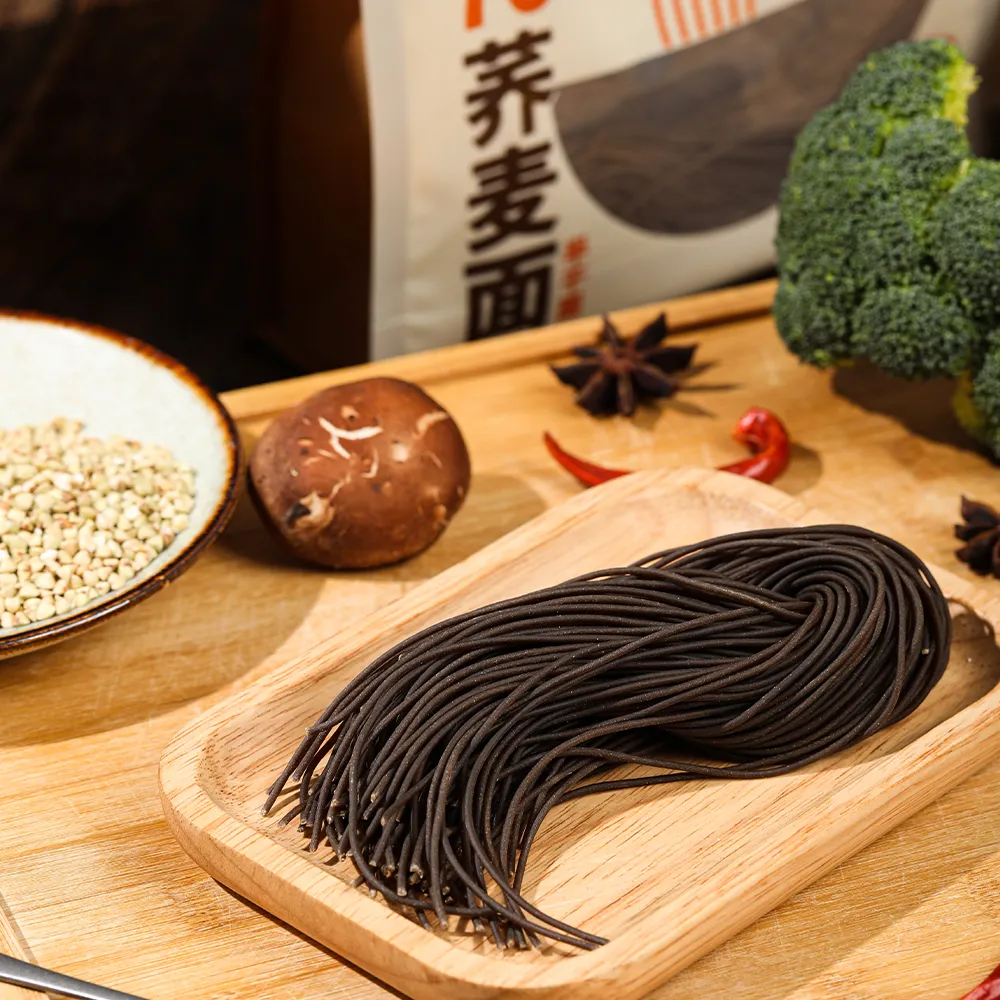
Compliance, testing, and documentation
Factories in this category typically operate under ISO 22000/HACCP systems, with hygiene aligned to Codex principles. For GI and moisture claims, ask for test reports referencing ISO 26642 and ISO 712. Labeling should conform to local laws (e.g., GB 7718 in China). As always, verify certificates during vendor onboarding.
Note: GI is an estimate from controlled tests; individual responses differ. This is food information, not medical advice.
Final take
If you need a reliable, semi-dry buckwheat noodle with straightforward storage and a GI figure on file, Low GI70 soba is a pragmatic pick—especially for high-throughput kitchens and kits where every minute (and gram of breakage) counts.
Citations
- ISO 26642:2010. Food products — Determination of the glycaemic index (GI) and recommendation for food classification.
- ISO 712:2009. Cereals and cereal products — Determination of moisture content — Reference method.
- ISO 22000:2018. Food safety management systems — Requirements for any organization in the food chain.
- Codex Alimentarius CXC 1-1969. General Principles of Food Hygiene (latest revision).
- GB 7718-2011. National Food Safety Standard — General rules for the labeling of prepackaged foods.
-
Discover the Authentic Taste of Korean Buckwheat NoodlesNewsApr.16,2026
-
Discover the Refreshing Taste of Authentic Korean Cold SobaNewsApr.09,2026
-
Discover the Refreshing Taste of Korean Cold Buckwheat Noodles NaengmyeonNewsApr.07,2026
-
Discover the Cool and Refreshing World of Korean Buckwheat Noodles ColdNewsApr.04,2026
-
Discover the Refreshing Taste of Japanese Cold Buckwheat Noodles and Zaru SobaNewsMar.31,2026
-
Exploring the Delicious World of Chinese Style Cold NoodlesNewsMar.28,2026
-
Discover the Cool and Refreshing World of Korean Cold Soba NoodlesNewsMar.26,2026
Browse qua the following product new the we