
Homemade Udon Noodles: Industrial Insights for Perfect Texture
Homemade Udon Noodles: A Simple Craft with Industrial Roots
Working many years in the industrial equipment sector, I’ve seen how precision and quality control matter — even in something as humble as noodles. homemade udon noodles might seem like just a kitchen craft hobby, but when you dive deeper, there’s a kind of engineering beauty behind the dough, the texture, and the end product.
Udon is known for its thick, chewy strands, a texture that depends heavily on ingredients, process, and equipment. Frankly, getting that perfect bite at home can be tricky. It’s not just flour and water — the right glutinous wheat, measured kneading times, and even resting intervals are part of the equation. Oddly enough, the basics echo principles we follow in industrial manufacturing — material selection, process optimization, and quality assurance.
If you’re curious about the specs—both industrial and artisanal—they matter. The wheat used in many premium udon products tends to have a high protein content (around 11-13%), which affects gluten development and chewiness. Some producers even adjust mineral content in their water supply to perfect dough elasticity. I noticed a fascinating trend where semi-dry noodles use optimized dehydration parameters to extend shelf life without losing texture—a gentle balance of moisture content and temperature control.
| Specification | Value | Notes |
|---|---|---|
| Flour Protein Content | 11.5–13% | Impacts chewiness and dough elasticity |
| Water Content in Dough | 35–40% | Adjusts dough softness |
| Drying Type | Semi-dry | Longer shelf-life, retains fresh texture |
| Resting/Kneading Time | 30–60 minutes | Critical for gluten network development |
I recall a small anecdote from a supplier meeting: an operator demonstrated adjusting water ratios in real-time to optimize dough rollability, highlighting the link between tactile skill and equipment performance. This is the sort of hands-on insight that elevates homemade udon noodles beyond a simple recipe.
Now, in real terms, choosing the right vendor for udon noodles or related ingredients hinges on several factors — consistency, cost, regional wheat sourcing, and the drying method. Here’s how three typical suppliers stack up from my discussions with industry folks:
| Vendor | Quality Control | Price (per kg) | Special Features |
|---|---|---|---|
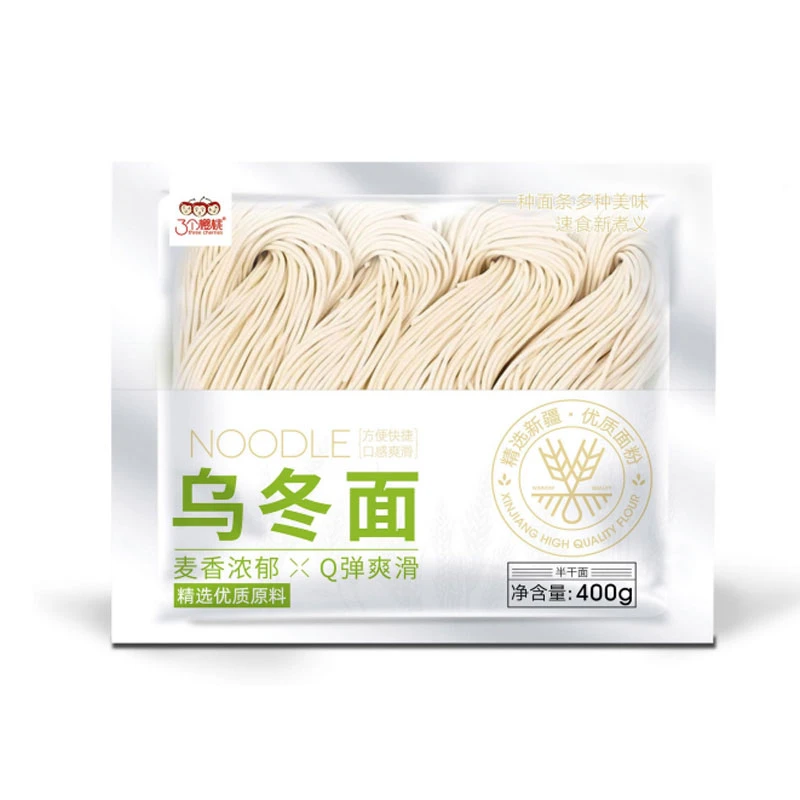
| JX Semi-Dry Noodles | Strict batch testing | $4.50 | Semi-dry tech for freshness |
| Pure Wheat Yamagata | Organic certification | $5.20 | Stone-ground flour |
| NoodleCraft Co. | Automated moisture control | $4.85 | Custom cut sizes |
When it comes to making homemade udon noodles, you’re really aligning yourself not just with delicious food, but with the principles of materials science and process engineering — a small epicurean engineering project. Personally, I find it satisfying how such a simple combination can yield layers of complexity, from wheat protein chemistry to the tactile skill of kneading, then final cooking.
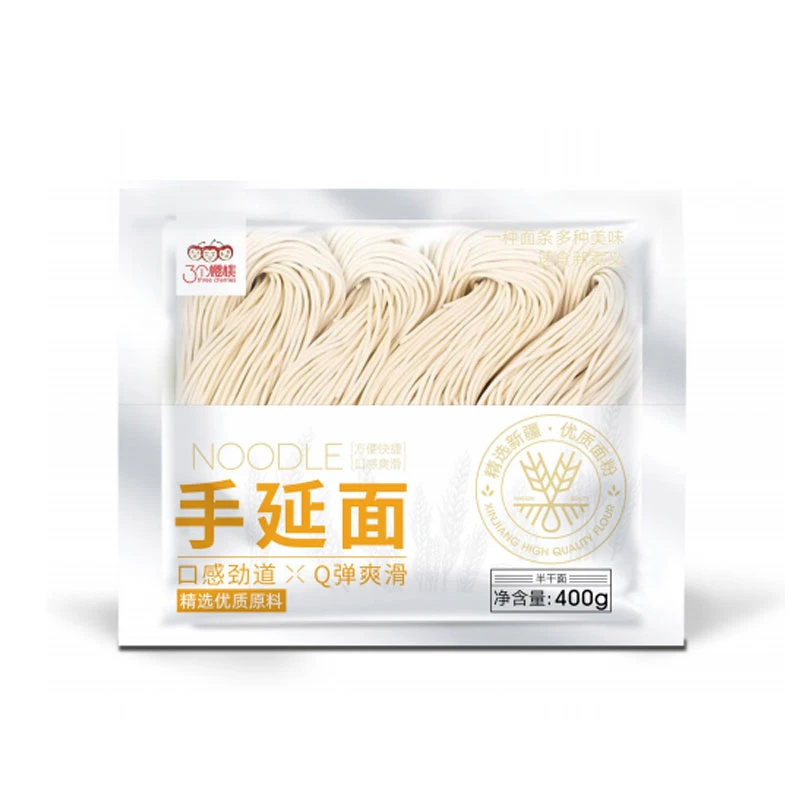
Honestly, if you’re experimenting at home, I suggest trying different water ratios and resting times — you might stumble on your own perfect noodle. Also, sourcing semi-dry noodles or semi-dry noodle kits from reputable vendors like JX Semi-Dry Noodles can be a shortcut to authenticity with a proven shelf life.
So next time you slurp those thick, chewy strands of udon, maybe spare a thought for the decades of industry knowledge behind what seems so simple. And who knows? Making your own might spark a deeper appreciation for the little engineering marvels in everyday foods.
Takeaway: Homemade udon noodles blend the art of cooking with the precision of industrial science – a rewarding craft for any curious foodie.
References:
1. Wheat Protein and Noodle Texture, Food Science Journal 2019
2. Advances in Semi-Dry Noodle Processing, Industrial Food Tech 2021
3. Supplier Quality Control in Japanese Noodles, Global Food Manufacturers Survey 2023
-
Discover the Authentic Taste of Korean Buckwheat NoodlesNewsApr.16,2026
-
Discover the Refreshing Taste of Authentic Korean Cold SobaNewsApr.09,2026
-
Discover the Refreshing Taste of Korean Cold Buckwheat Noodles NaengmyeonNewsApr.07,2026
-
Discover the Cool and Refreshing World of Korean Buckwheat Noodles ColdNewsApr.04,2026
-
Discover the Refreshing Taste of Japanese Cold Buckwheat Noodles and Zaru SobaNewsMar.31,2026
-
Exploring the Delicious World of Chinese Style Cold NoodlesNewsMar.28,2026
-
Discover the Cool and Refreshing World of Korean Cold Soba NoodlesNewsMar.26,2026
Browse qua the following product new the we