
Different Types of Soba Noodles – Shop Fresh Buckwheat
Different Types Of Soba Noodles: field notes from a buyer, cook, and incurable noodle watcher
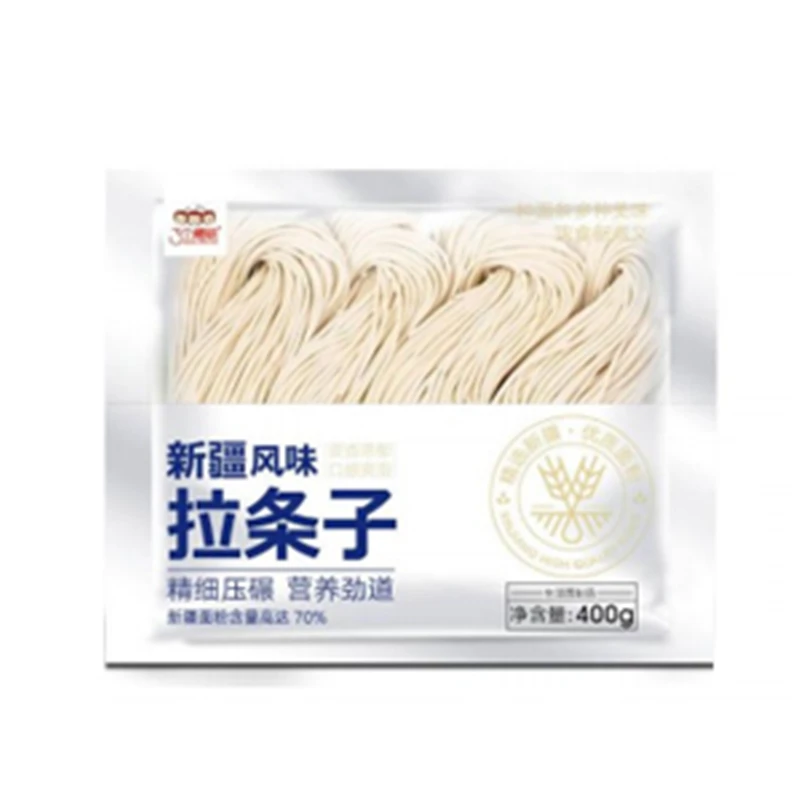
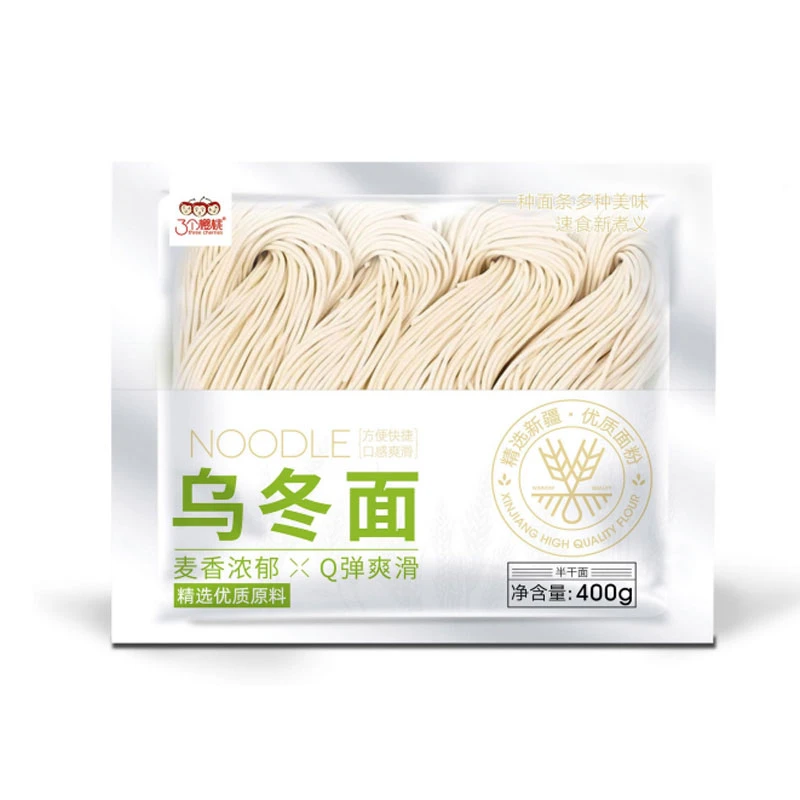
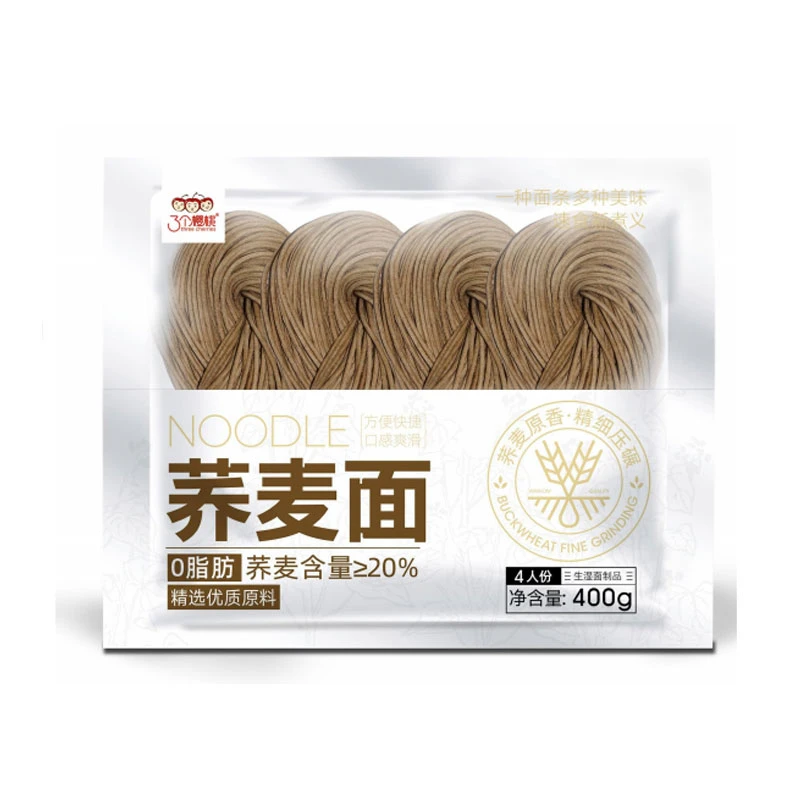
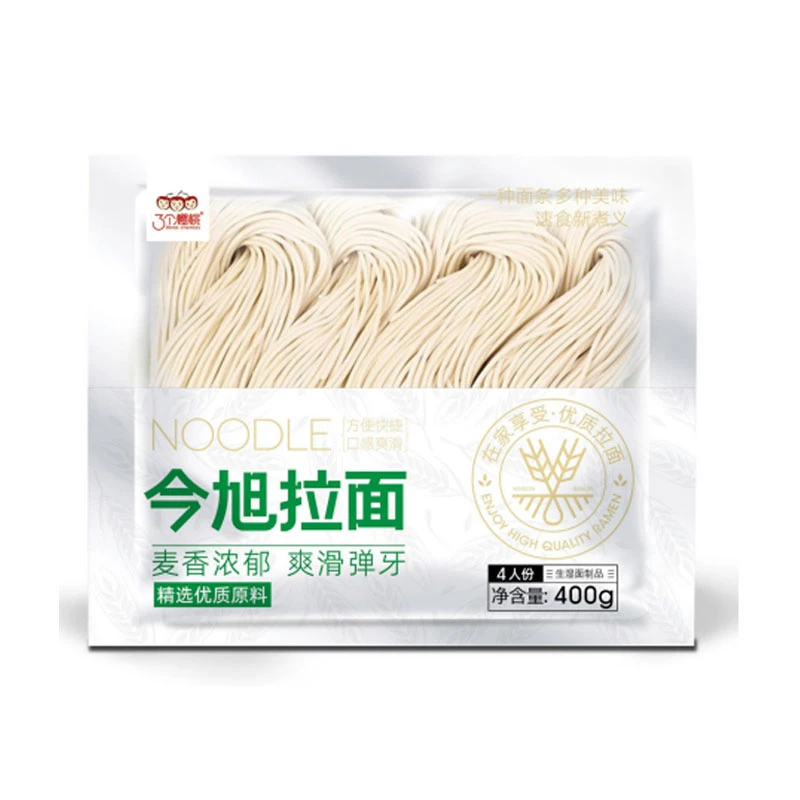
If you’ve ever argued about juwari vs. ni-hachi at a midnight tasting (guilty), you already know soba isn’t one thing. It’s a whole spectrum. From refined white sarashina strands to hearty inaka noodles and modern semi‑dry formats for global shipping, the category keeps evolving. Origin matters too: the Soba Noodles covered here are made in Oriental Food City, Longyao County, Xingtai City, Hebei Province—an emerging hub feeding Asia’s noodle supply chain.
What counts as “types” in soba, practically?
- Juwari soba: 100% buckwheat; aromatic, fragile, cult favorite.
- Ni-hachi (aka hachi-wari): ≈80% buckwheat + 20% wheat for workable gluten and a steadier bite.
- Sarashina: refined, pale buckwheat flour; delicate look, clean snap.
- Inaka: whole‑grain, rustic; stronger aroma, darker color.
- Knife‑cut buckwheat noodles: wider, blade-cut ribbons—fantastic in broths.
- Infused styles: cha soba (matcha), yamaimo (mountain yam binder), even seaweed blends.
Industry trend snapshot: gluten‑aware dining, meal kits, and cross‑border e‑commerce are pushing semi‑dry soba into mainstream retail. Shelf‑life (without sacrificing aroma) is the battlefield, to be honest.
Process flow and quality controls (how it’s really made)
Materials: buckwheat flour (target protein ≈12–14%, ash ≈1.7–2.1%), wheat flour as needed (for ni‑hachi), water at 12–16℃, and sometimes a pinch of salt. Methods: cold mixing, 20–30 min dough rest; extrusion for thin cuts or blade sheeting for knife‑cut; semi‑drying to ≈28–32% moisture, then final stabilization to ≈12–14% before pack-out. Testing: moisture (AOAC methods), microbial plate counts, heavy‑metal screening, texture analysis with a 3‑point bend fixture—real‑world use may vary. Metal detection and visual QC on every batch. Service life: 4 months at room temperature, 8 months in 0–10℃ cold storage if sealed well.
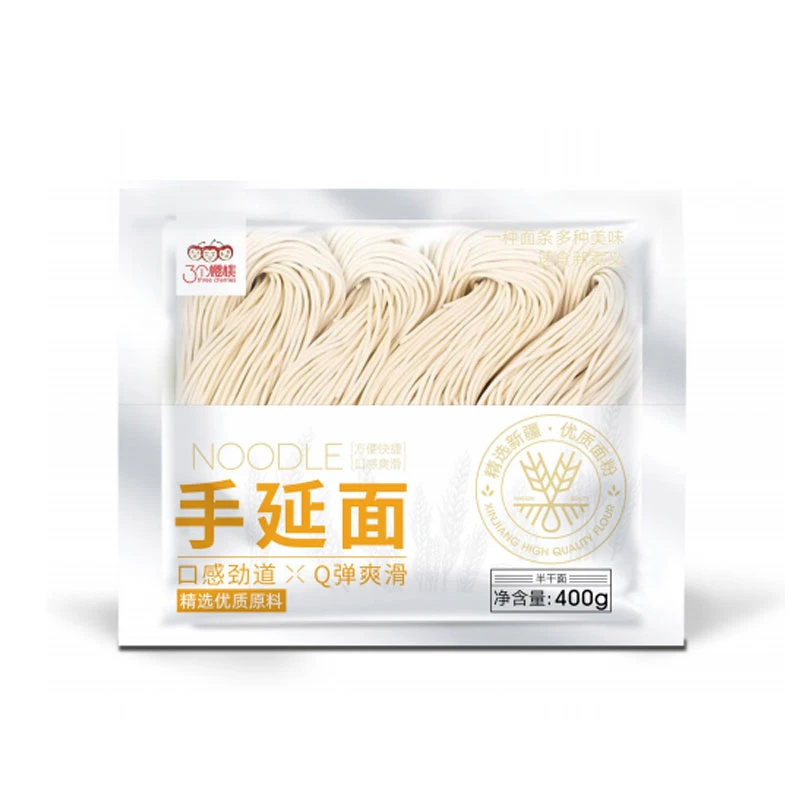
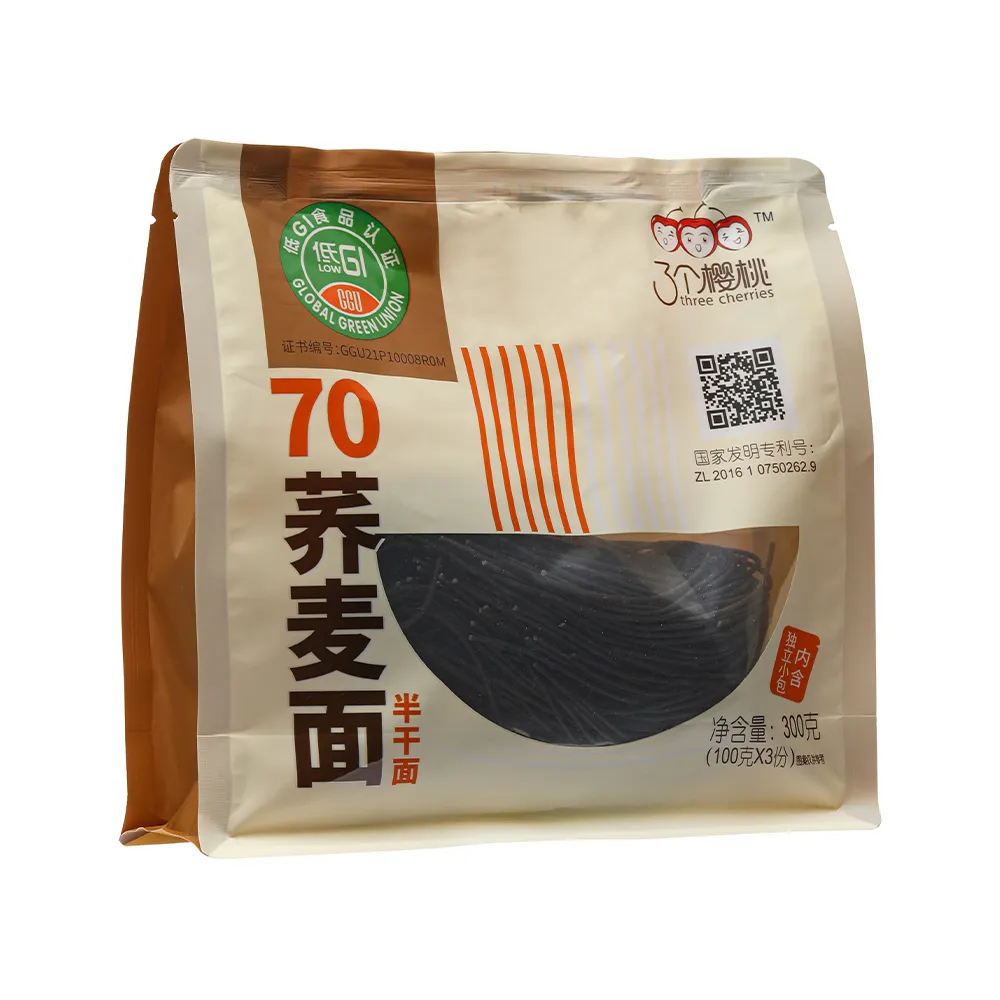
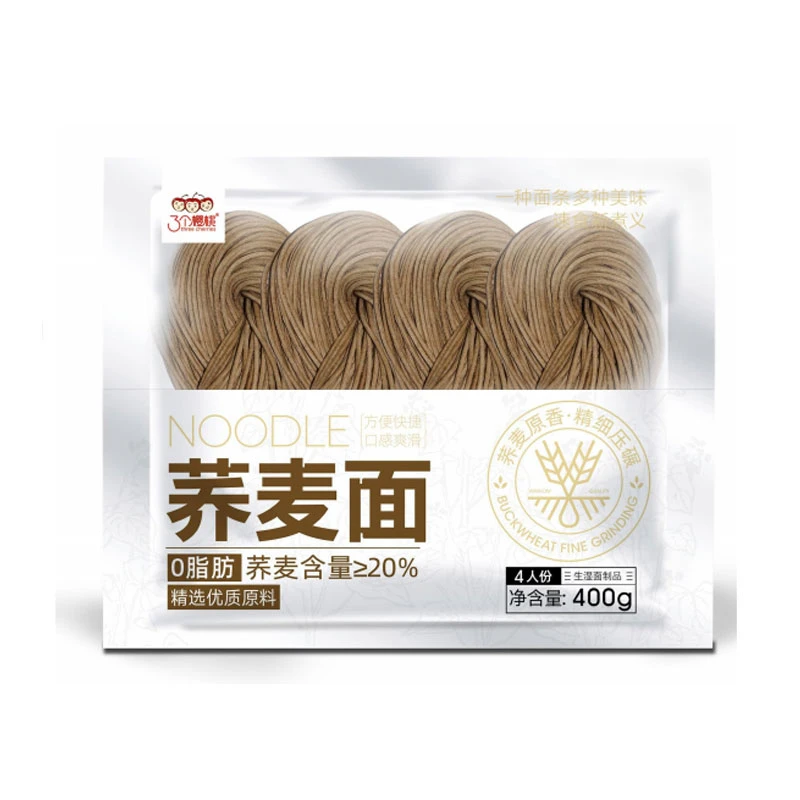
Product specification (semi‑dry Soba Noodles, 400 g)
| Pack size | 400 g |
| Variants | Buckwheat Noodles; Knife‑cut buckwheat noodles |
| Buckwheat ratio | ≈60–100% (customizable; ni‑hachi popular) |
| Cut width / thickness | 1.6–2.2 mm / 1.2–1.6 mm (knife‑cut wider) |
| Moisture (final) | ≈12–14% |
| Cooking time | 4–6 min boil; rinse cold for zaru |
| Cooking loss | ≈5–7% solids, depending on ratio |
| Warranty / storage | 4 mo ambient; 8 mo at 0–10℃; cool, dry place |
| Origin | Oriental Food City, Longyao County, Xingtai City, Hebei |
Applications and feedback
Use cases: chilled zaru sets, hot kake bowls, catering bento, premium convenience, and meal kits (the strands hold up to transit). Many buyers say the noodles keep their bite for ≈8–10 minutes in broth—surprisingly resilient for semi‑dry. Nutritionally, buckwheat brings protein, fiber, and rutin; flavor‑wise, it’s nutty and slightly sweet.
Vendor landscape (quick comparison)
| Vendor | Buckwheat options | Shelf life | QA / Certifications | Customization | Indicative price |
| JX semi‑dry maker (Hebei) | 60–100% (ni‑hachi, knife‑cut) | 4–8 mo (per storage) | HACCP/ISO 22000 support | Cut/ratio/pack private label | Mid, volume‑friendly |
| Artisanal mill | High (incl. juwari) | Short (fresh) | Local audit | Small‑batch, bespoke | High |
| Mass‑market brand | Moderate | Long (fully dried) | Standardized QA | Limited | Low |
Customization and compliance
Buyers can tweak buckwheat ratios, knife‑cut width, strand length, and retail artwork. Typical asks: ISO 22000 and HACCP documentation, allergen and GMO statements, and batch test data (moisture, micro, cooking loss). Halal/Kosher are often available on request.
Case study (anonymized, but real)
A Tokyo‑style bistro in the Gulf wanted Different Types Of Soba Noodles for hot and cold service. Switching to semi‑dry ni‑hachi with knife‑cut option reduced breakage by ≈35% and prep time by ~12%. Over eight weeks, waste dropped from 5.1% to 3.8%, and guest comments singled out the “clean buckwheat aroma” even in hot broth.
Final thought: choosing among Different Types Of Soba Noodles is less about poetry and more about your menu physics—hold time, broth salinity, and service speed. Get samples, run your own texture curves, and taste with the team. It sounds fussy, but it pays off.
Authoritative citations
- Codex Alimentarius. General Principles of Food Hygiene CXC 1‑1969 (HACCP). FAO/WHO.
- ISO 22000:2018 Food safety management systems — Requirements for any organization in the food chain.
- USDA FoodData Central: Buckwheat, nutrition profile.
- AOAC International. Official Methods of Analysis (moisture and microbiological methods for cereals/pasta).
-
Discover the Authentic Taste of Korean Buckwheat NoodlesNewsApr.16,2026
-
Discover the Refreshing Taste of Authentic Korean Cold SobaNewsApr.09,2026
-
Discover the Refreshing Taste of Korean Cold Buckwheat Noodles NaengmyeonNewsApr.07,2026
-
Discover the Cool and Refreshing World of Korean Buckwheat Noodles ColdNewsApr.04,2026
-
Discover the Refreshing Taste of Japanese Cold Buckwheat Noodles and Zaru SobaNewsMar.31,2026
-
Exploring the Delicious World of Chinese Style Cold NoodlesNewsMar.28,2026
-
Discover the Cool and Refreshing World of Korean Cold Soba NoodlesNewsMar.26,2026
Browse qua the following product new the we